Puppy Nighttime Potty: How to Train Your Puppy to Sleep Through the Night
When you bring home a new puppy, one of the first things you’ll notice? They puppy nighttime potty, the need for young dogs to relieve themselves during the night due to underdeveloped bladder control. It’s not laziness. It’s biology. A 10-week-old puppy can’t hold it for eight hours—no matter how much you beg. Their tiny bladders fill fast, and their brains haven’t learned to wake up before they go. This isn’t a behavior problem—it’s a developmental stage. And it ends. But only if you guide them the right way.
Related to this are puppy potty training, the process of teaching a young dog where and when to eliminate, which isn’t just about outside trips. It’s about routine, timing, and reading your pup’s cues. You’ll also need to understand puppy sleep training, helping your puppy learn to rest through the night without needing to go out. These two things are connected. You can’t fix nighttime accidents if your puppy isn’t learning to settle. And you can’t teach them to settle if they’re constantly being woken up for bathroom breaks.
What works? A strict schedule. Feed your puppy their last meal by 6 PM. Stop water two hours before bedtime. Take them out right before bed—no exceptions. Even if they seem fine. Even if you’re tired. That last trip matters. Then, keep them in a crate near your bed. Not because you’re cruel, but because dogs don’t like to soil where they sleep. A crate becomes their den. If they whine, wait five minutes. If they’re still going, they probably need to go. But if they settle? That’s progress.
Some people swear by pee pads. Others use puppy diapers. But here’s the truth: those just delay the real fix. Your goal isn’t to manage the mess—it’s to teach your puppy to hold it. And that takes time. Most puppies start sleeping through the night between 12 and 16 weeks. Some take longer. That’s normal. Don’t compare your pup to the one on TikTok. Every dog develops at their own pace.
And what about accidents? Clean them up with an enzymatic cleaner—nothing else. Regular soap won’t kill the smell. If your pup smells it, they’ll go again. No yelling. No rubbing their nose in it. That just scares them. They don’t understand punishment. They understand routine. Consistency. Calmness.
You’ll find posts here that cover the exact tools, routines, and mistakes to avoid. Some talk about using cuddle toys to help your pup feel safe at night. Others explain how to pick the right crate size. There’s even one that breaks down how long a puppy’s bladder can really hold it at different ages. You won’t find fluff. Just what works—based on real owners and vet advice.
By the time your puppy is six months old, nighttime potty trips should be a thing of the past. But getting there? That’s the hard part. This collection gives you the roadmap. No guesswork. No myths. Just clear, practical steps—so you and your pup can both finally get some sleep.
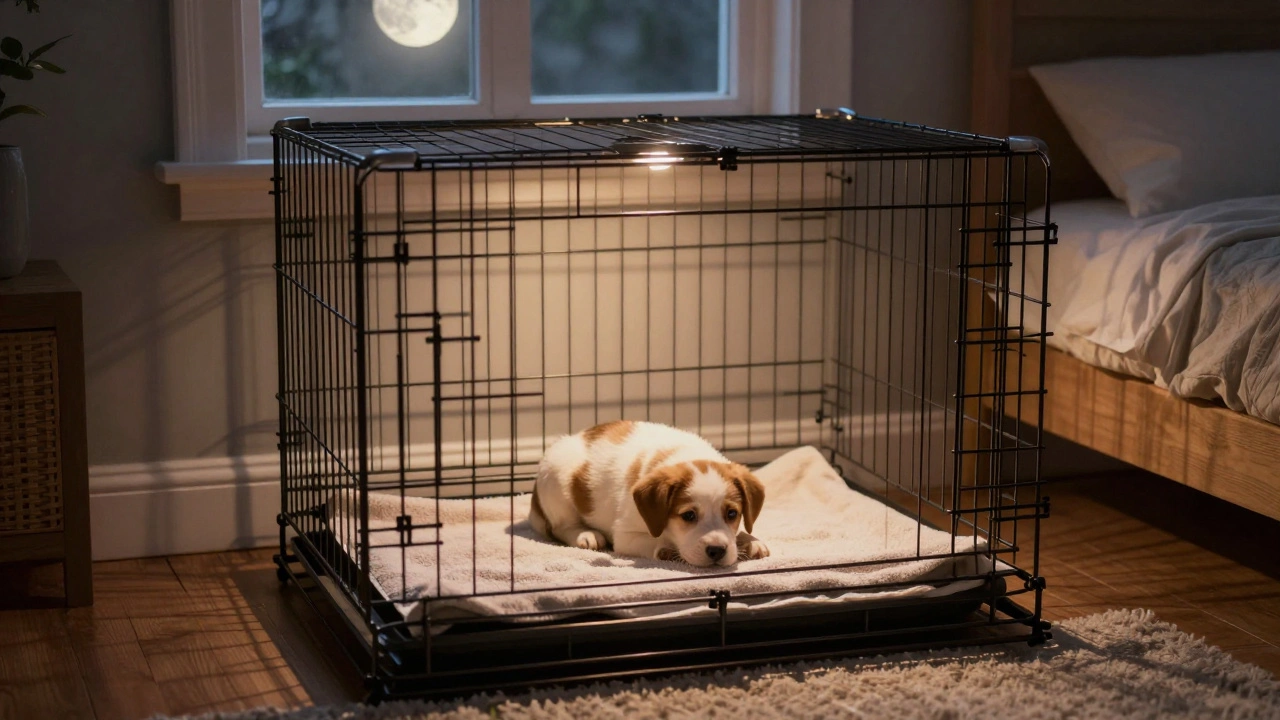
Posted By Bryndle Redding On 26 Jan 2026 Comments (0)
Should I Put a Pee Pad in My Puppy's Crate at Night?
Putting a pee pad in your puppy's crate at night might seem helpful, but it often delays house training. Learn why experts recommend against it and what to do instead for faster, cleaner results.
READ MORE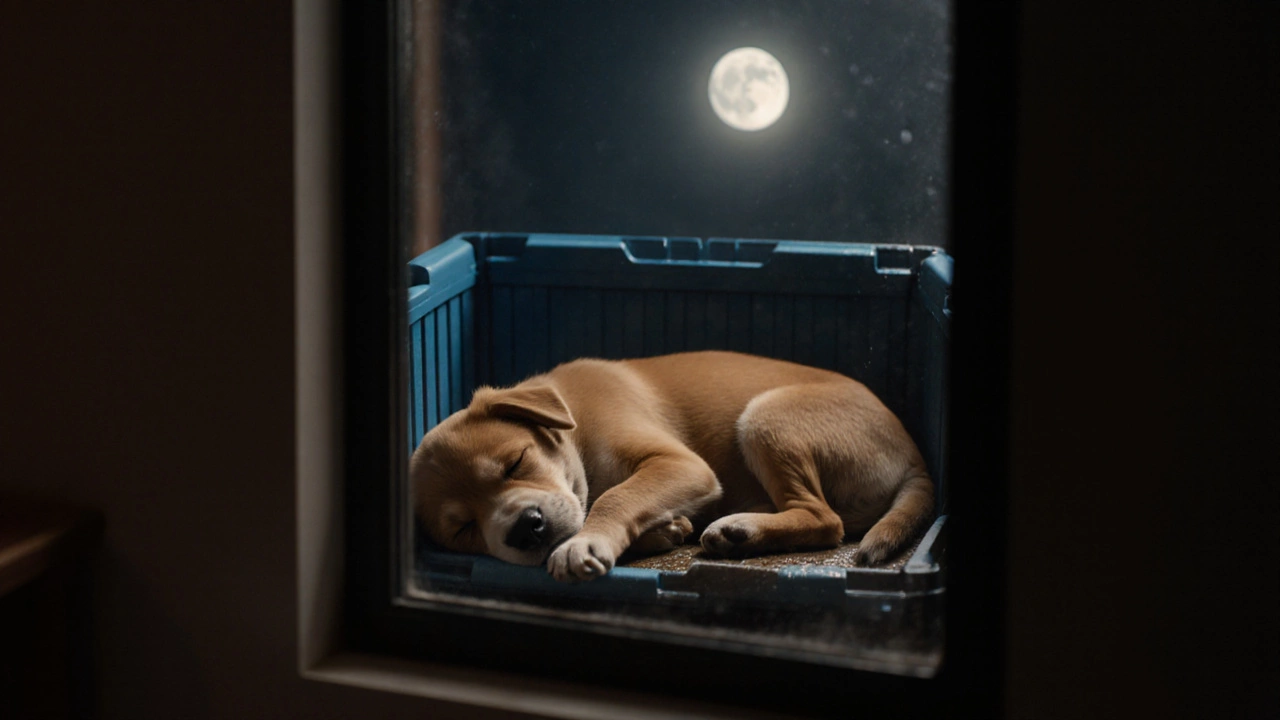
Posted By Bryndle Redding On 30 Nov 2025 Comments (0)
Will a Puppy Pee in a Crate at Night? Here’s What Really Happens
Puppies often pee in their crates at night-not out of disobedience, but because their bladders aren't fully developed. Learn why it happens, how to prevent it, and what to do when accidents occur.
READ MORE