
Dog Training Age Planner
Enter your dog's age in months to get a customized training plan based on developmental stages.
You bring home a fluffy bundle of joy, and suddenly the questions start rolling in. When do I start teaching them to sit? Is it too early for crate training? What if I wait until they’re older and calmer? There’s a common myth floating around that you should wait until a dog is six months old before serious training begins. That idea is outdated, and honestly, it does more harm than good. The truth is simple: training starts the moment your dog enters your life, regardless of whether they are eight weeks old or eight years old.
If you think waiting makes things easier, you’re missing out on the critical window where a puppy’s brain is like a sponge. But don’t panic if you’ve adopted an adult dog. It’s never too late to teach new tricks, though the methods might need a slight tweak. This guide breaks down exactly what you can expect at each stage of your dog’s life, so you can set realistic goals and avoid frustration.
The Myth of "Too Young"
Many owners hesitate because they worry about overwhelming a young puppy. They fear that asking for focus will stress out their tiny companion. In reality, puppies are learning every single second of the day. If you aren’t actively guiding that learning, your puppy is learning from their environment-which often means chewing shoes or jumping on guests. Active training isn’t just about commands; it’s about communication.
Puppy socialization is the process of exposing a young dog to various people, animals, environments, and experiences in a positive way during their critical developmental period. This period typically lasts from three to twelve weeks of age. During this time, a puppy’s brain is highly plastic, meaning they form associations quickly. Positive experiences here build confidence. Negative or scary experiences without proper management can lead to lifelong anxiety.
So, what should you actually do with an eight-week-old puppy? Keep sessions short-five minutes max. Focus on name recognition, coming when called, and getting used to handling (paws, ears, mouth). You aren’t trying to get perfect obedience yet. You are building a foundation of trust and attention.
The Adolescent Phase: Testing Boundaries
Around four to six months, things change. Your sweet puppy turns into a teenager. They might seem to forget everything you taught them last week. This phase is notorious for being challenging, but it’s biologically normal. Hormones are surging, and their brains are undergoing massive restructuring. Think of it as a reboot.
During adolescence, consistency is your best friend. Don’t punish them for forgetting commands; instead, go back to basics. Use higher-value treats. If your dog was ignoring you at home, try practicing in a quiet park first, then gradually increase distractions. This is also the prime time to refine leash skills and impulse control. Waiting until adulthood to address pulling on the leash often results in a strong, heavy dog dragging you down the street.
Adult Dogs: Never Too Late
Let’s clear up another misconception: you cannot teach an old dog new tricks. Nonsense. Adult dogs often learn faster than puppies because they have longer attention spans and less energy to burn off. However, they come with existing habits. If your five-year-old rescue has spent years jumping on visitors, unlearning that habit takes patience.
Positive reinforcement is a training method that involves rewarding desired behaviors to increase the likelihood of those behaviors being repeated. For adult dogs, identifying what motivates them is crucial. Some prefer food, others love toys, and some just want praise. Finding that key unlocks faster progress.
When training an adult dog, manage the environment first. If they jump, keep them on a leash or behind a gate when guests arrive. Reward calm behavior instantly. Over time, the new habit replaces the old one. Remember, breaking a ten-year habit takes longer than building a new one from scratch, but it absolutely works.
Senior Dogs: Mental Stimulation Matters
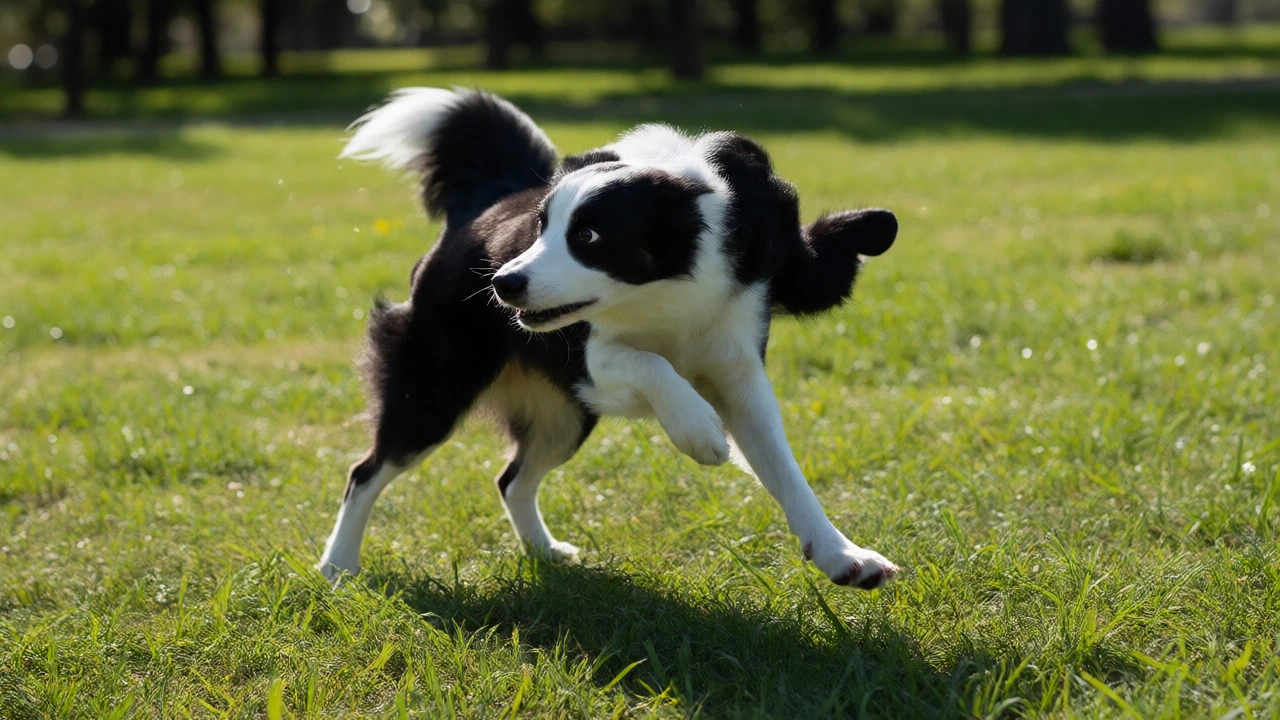
Dogs over seven or eight years old are often overlooked in training discussions. Owners assume senior dogs just need rest. While physical exercise might decrease, mental stimulation becomes even more important to prevent cognitive decline. Teaching a senior dog a new trick, like spinning or touching a target stick, keeps their brain sharp.
Be mindful of physical limitations. Arthritis or joint pain might make certain movements difficult. Adapt your training to be low-impact. Short, frequent sessions work better than long marathons. Plus, engaging with your senior dog strengthens your bond during their golden years. It’s not just about obedience; it’s about enrichment.
Key Developmental Milestones Table
To help you visualize the timeline, here is a breakdown of what to focus on at different ages. Note that these are general guidelines; individual breeds and temperaments vary significantly.
| Age Range | Primary Focus | Session Length | Common Challenges |
|---|---|---|---|
| 8-12 Weeks | Socialization, Name Recognition, House Training | 3-5 Minutes | Short Attention Span, Fear Periods |
| 3-6 Months | Basic Commands (Sit, Stay), Leash Manners | 5-10 Minutes | Teething, High Energy |
| 6-18 Months | Impulse Control, Recall Proofing, Adolescence | 10-15 Minutes | Selective Hearing, Independence |
| 18 Months+ | Advanced Skills, Trick Training, Maintenance | 15-20 Minutes | Existing Bad Habits, Boredom |
Tailoring Methods to Your Dog’s Needs
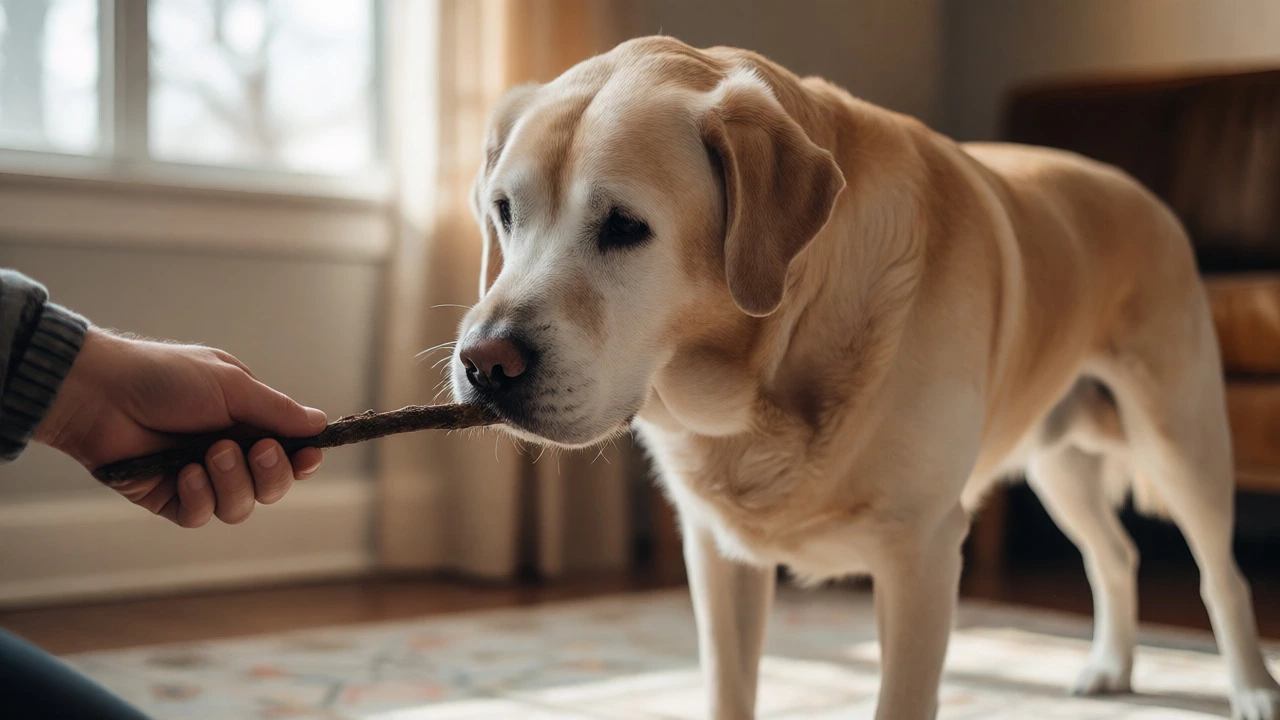
Not all dogs respond to the same techniques. A high-drive Border Collie needs different engagement strategies than a laid-back Bulldog. Understanding your dog’s breed traits helps you choose the right approach. Herding breeds often excel at structured tasks but can become obsessive if under-stimulated. Scent hounds might ignore you entirely if there’s an interesting smell nearby, requiring higher-value rewards.
Consider your lifestyle, too. If you live in an apartment, indoor training games might be more practical than outdoor drills initially. If you have kids, involve them in training (under supervision) to teach the dog how to interact gently with children. Everyone in the household should use the same cues. If Mom says “down” and Dad says “off,” the dog gets confused.
Common Pitfalls to Avoid
The biggest mistake people make is inconsistency. One day, jumping on the couch is forbidden; the next day, it’s allowed because you’re tired. Dogs thrive on predictability. Pick your rules and stick to them.
Another trap is punishment-based correction. Yelling or using harsh tools can damage trust, especially in sensitive breeds. Modern behavioral science strongly supports reward-based systems. If your dog doesn’t understand what you want, they aren’t being stubborn; they’re confused. Break the task down into smaller steps. Reward closer approximations to the final goal.
Finally, don’t skip socialization after the puppy stage. Just because they were friendly at twelve weeks doesn’t mean they’ll stay confident forever. Continue exposing them to new places and people throughout their life to maintain that comfort level.
Frequently Asked Questions
Is it ever too late to train an adult dog?
No, it is never too late. Adult dogs often have better focus than puppies, which can speed up learning. The main challenge is overcoming established habits, which requires patience and consistent positive reinforcement. Start with basic commands to rebuild communication, then move to specific behavior modifications.
How long should training sessions be for a puppy?
Keep sessions very short, ideally between 3 to 5 minutes. Puppies have limited attention spans and tire quickly mentally. Multiple short sessions throughout the day are more effective than one long session. Always end on a positive note to keep the experience fun.
Do I need professional help for my dog's training?
You can handle basic obedience yourself, but professional help is valuable for complex issues like severe aggression, deep-rooted anxiety, or lack of progress. A certified trainer can provide objective feedback and tailored strategies. Look for trainers who use force-free, positive reinforcement methods.
Why is my adolescent dog ignoring me?
Adolescence brings hormonal changes and increased independence, similar to human teenagers. Their brains are reorganizing, which can temporarily affect recall and focus. Increase the value of your rewards, reduce distractions during practice, and remain patient. Consistency is key during this phase.
Can senior dogs still learn new tricks?
Absolutely. Mental stimulation is crucial for senior dogs to maintain cognitive health. Learn new, low-impact tricks like 'spin' or 'touch'. Adjust for any physical limitations such as arthritis by keeping movements gentle. Training provides excellent enrichment for aging pets.