The 333 Toy Rotation Planner
Select one toy from each category below to create your current "Active Set." The tool will track your rotation cycle.
- Soft Plush Bear
- Fluffy Sheep
- Velvet Pillow
- Crinkle Squeaker
- Rubber Bone
- Rope Knot
- Nylabone Stick
- Natural Antler
- Snuffle Mat
- Kong Classic
- Sliding Tile Puzzle
- Automatic Ball Launcher
Next Rotation Due In:
D (Days) : H (Hours) : M (Minutes) : S (Seconds)
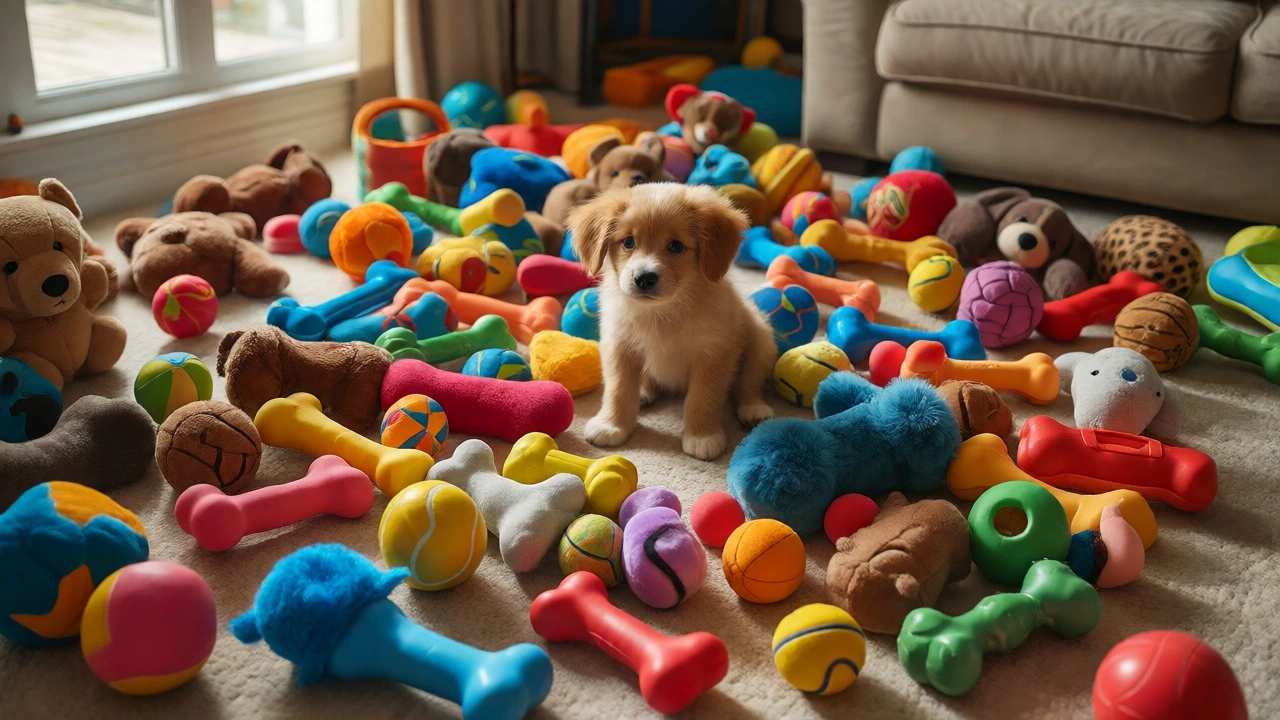
You just brought home a bundle of joy. You bought the cutest plushies, the toughest rubber bones, and maybe a few puzzle feeders. But two weeks later, your puppy is ignoring them all, chewing on your shoe laces instead. Sound familiar? This isn't because your dog is ungrateful or bored by nature. It’s likely because you’re overwhelming their senses with too many choices at once.
This brings us to the 333 new dog rule, which is actually a misnomer often used in online communities to describe the "Rule of Three" for dog toy rotation. While there isn’t a single scientific law called the "333 rule," this concept has gone viral among experienced owners and trainers as a practical heuristic for managing toy overload. The core idea is simple: limit your puppy’s active toy selection to three items at any given time, rotate them every three days, and keep three backup categories in storage. This method prevents boredom, reduces clutter, and keeps your dog mentally stimulated without burning out their interest.
Why Your Puppy Gets Bored of New Toys
Dogs are creatures of habit and novelty. When you dump a bag of ten new toys into the living room, it triggers a dopamine spike. They chew one, sniff another, and then lose interest. This phenomenon is known as hedonic adaptation. Just like humans get tired of eating the same dessert every day, dogs adapt to constant stimuli. If a toy is always available, it becomes part of the background noise, much like the couch or the rug.
Puppies, specifically, have shorter attention spans than adult dogs. Their brains are still developing, and they learn through association and repetition. Constant access to a wide variety of toys can lead to decision fatigue. Instead of engaging deeply with one object, they skim the surface of many. By restricting access, you create scarcity. Scarcity drives value. When a toy is only available occasionally, it feels special when it reappears.
Moreover, safety plays a huge role here. A pile of toys is a tripping hazard for you and a choking hazard for the dog. Small parts from broken plushies mix with larger balls, making it hard to spot dangerous debris. Keeping the play area clear means you can monitor what your puppy is actually putting in their mouth.
Breaking Down the "3-3-3" Strategy
The term "333 rule" breaks down into three actionable components that work together to maintain high engagement levels. Let’s look at each number individually.
Three Active Toys: At any moment, your puppy should have exactly three toys accessible. These shouldn’t be three random items. They need to serve different purposes to cover various behavioral needs. Ideally, you want a mix of:
- A comfort toy (soft plushie for napping)
- A destruction/chew toy (rubber bone or rope for jaw strength)
- An interactive/puzzle toy (for mental stimulation)
Three-Day Rotation Cycle: Every three days, swap these toys out. Put the current three away and bring out three different ones from your stored collection. Why three days? It’s short enough that the puppy doesn’t forget the previous toys entirely, but long enough for the novelty to wear off slightly, making the return feel fresh. Some owners prefer weekly rotations, but for high-energy puppies, three days often yields better results.
Three Backup Categories: In your closet or bin, organize your remaining toys into three distinct categories rather than just a jumbled heap. This helps you pick balanced sets quickly. For example, if you pull a set for Tuesday, ensure it includes one item from each category. This ensures your dog gets a well-rounded play experience even during rotation.
How to Implement the Rotation System
Setting this up takes about twenty minutes. First, gather every single toy your puppy owns. Yes, every single one. Wash them all according to the manufacturer's instructions. Dirty toys smell stale, and dogs rely heavily on scent. A clean toy smells new; a dirty one smells old.
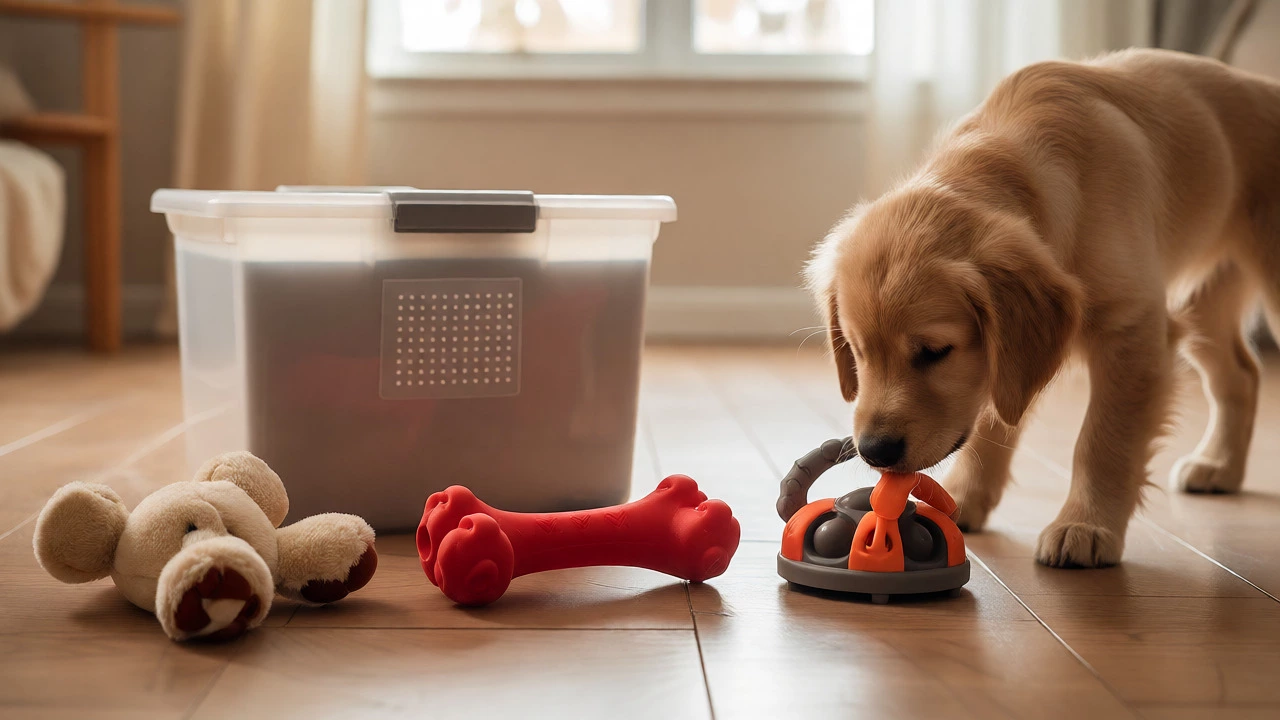
Next, sort them. Discard anything broken, torn, or missing parts. Safety first. Then, divide the rest into piles based on type: Chews, Plushies, Balls/Fetch, and Puzzles. From each pile, select your top performers-the ones your dog likes best. Combine these to form your initial "Active Set" of three. Everything else goes into opaque bins. Opaque is key. If your dog sees the other toys, they’ll whine for them. Out of sight, out of mind.
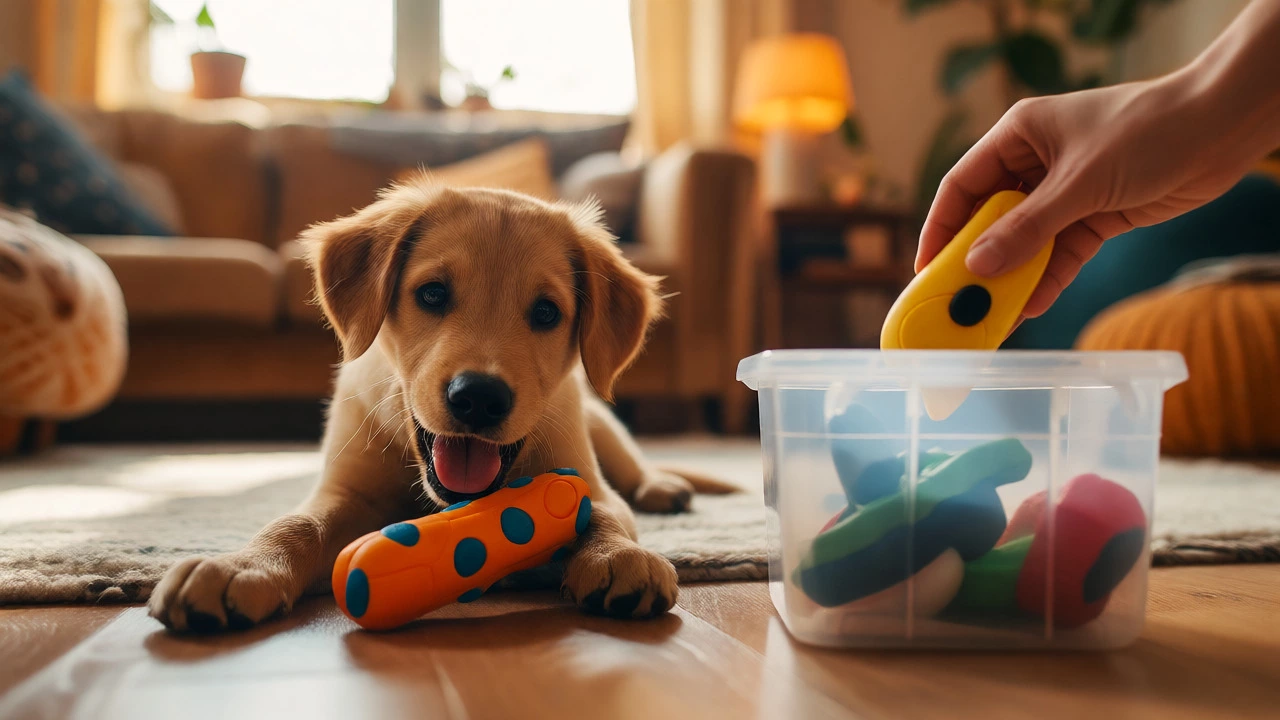
Set a reminder on your phone. On day four, swap the set. Take the old three, wash them again if needed, and put them in the bin. Pull three new ones. Repeat. Over a month, you’ll cycle through your entire collection multiple times. The beauty of this system is that you don’t need to buy more toys. You just need to manage the ones you have better.
Safety Considerations for Puppy Play
While rotation solves boredom, it doesn’t solve safety issues inherent to specific toys. Always supervise your puppy, especially during the first few uses of any new item. Check for small parts that can detach. Squeakers inside plushies are common targets for dissection. Once the squeaker is exposed, your puppy might swallow it.
Size matters significantly. A ball that is safe for a Golden Retriever might be a choking hazard for a Chihuahua puppy. Use the "choke tube" test: if the toy fits entirely inside a toilet paper roll, it’s too small for most puppies. Additionally, watch for texture changes. As teeth come in, puppies chew harder. A soft rubber toy might become shredded quickly. Rotate these frequently so they don’t degrade while sitting in the active pile.
Hygiene is another factor. Chewed-up rubber and slobbery plushies breed bacteria. Washing toys regularly not only keeps them smelling fresh for the rotation effect but also protects your dog’s health. Moldy tennis balls, for instance, can cause respiratory issues in sensitive dogs. Inspect toys before rotating them back in.
| Toy Type | Primary Benefit | Risk Factor | Best Rotation Frequency |
|---|---|---|---|
| Plush Toys | Comfort & gentle play | Tearing, swallowing stuffing | Weekly |
| Rubber Chew Toys | Jaw strength & dental health | Choking on chunks | Every 3 Days |
| Puzzle Feeders | Mental stimulation | Frustration if too hard | Every 3-5 Days |
| Rope Toys | Flossing action & tug-of-war | Ingesting fibers | Weekly |
Beyond Toys: Applying the Rule to Other Items
The principle behind the 333 rule extends beyond just toys. You can apply this logic to chews, beds, and even training treats. Rotating high-value chews like antlers or bully sticks prevents your dog from getting sick of them. If you leave a Nylabone out for a month, it becomes furniture. Swap it out for a week, bring it back, and suddenly it’s exciting again.
Consider your puppy’s sleeping arrangements too. If you have multiple beds scattered around the house, your dog might sleep in all of them or none of them. Limiting accessible resting spots to one primary bed and one secondary spot (like a crate mat) can help establish routine. Too many options can lead to anxiety or confusion about where they are supposed to go.
This approach also saves money. Instead of constantly buying new toys hoping for excitement, you invest in quality over quantity. One durable KONG Classic lasts longer and provides more value than five cheap plastic gadgets that break in a day. Focus on durability and versatility when building your initial stock.
Troubleshooting Common Issues
What if your dog ignores the rotated toys? Sometimes, the issue isn’t boredom-it’s preference. Maybe your dog hates rope toys. Don’t force it. Swap out the unpopular items for things they genuinely enjoy. The goal is engagement, not adherence to a strict count. If three toys aren’t enough for a high-drive working breed, try five. Adjust the numbers to fit your dog’s energy level.
Another common problem is resource guarding. If your puppy growls when you try to remove a toy, you’ve created too much attachment. Try trading up. Offer a treat in exchange for the toy. Make the removal a positive experience. Never just snatch it away. This builds trust and makes future rotations smoother.
If your dog destroys everything immediately, you might need to upgrade to tougher materials. Look for toys labeled "indestructible" or made from natural rubber. However, remember that no toy is truly indestructible. Supervision remains non-negotiable.
Final Thoughts on Consistency
Consistency is the secret ingredient. Doing the rotation sporadically won’t yield the same results. Treat it like feeding time. It’s part of the daily routine. Over time, your puppy will associate the appearance of a specific toy with playtime, creating a conditioned response that enhances their excitement.
By limiting choices, you enhance focus. By rotating items, you sustain interest. By categorizing backups, you ensure balance. The 333 rule isn’t magic, but it is a highly effective organizational strategy that respects how canine psychology works. Give it a try for a month. You’ll likely see less shoe chewing, more focused play, and a happier, more engaged puppy.
Does the 333 rule apply to adult dogs too?
Yes, absolutely. Adult dogs benefit from toy rotation just as much as puppies. In fact, older dogs may appreciate the structure even more as their energy levels stabilize. The principle of preventing hedonic adaptation applies to dogs of all ages.
What if my dog prefers only one type of toy?
It’s fine to lean into preferences, but try to introduce variety gently. If your dog loves plushies, include two plushies and one chew toy in the rotation. Over time, you might expand their repertoire. However, never force a toy they actively dislike, as this can create negative associations with playtime.
How do I know if a toy is safe for rotation?
Inspect each toy before adding it to the rotation. Check for loose eyes, torn seams, or cracks in rubber. Ensure there are no small parts that could be swallowed. If a toy shows significant wear, retire it permanently rather than rotating it back in.
Can I use the 333 rule for food puzzles?
Yes, rotating puzzle feeders is highly recommended. Different puzzles offer different challenges. Switching between a snuffle mat, a Kong, and a sliding tile puzzle keeps your dog’s problem-solving skills sharp and prevents them from memorizing the solution to one specific game.
Is it okay to leave one favorite toy out permanently?
Many owners allow one "security blanket" toy to remain available at all times. This is usually a soft plushie that provides comfort. Keep this separate from the rotation set to avoid confusing the system. The other two slots in the active trio should still follow the rotation schedule.