Dogs on Planes: What You Need to Know Before Flying with Your Dog
When you’re planning a trip, dogs on planes, the practice of bringing dogs aboard commercial flights either in the cabin or as cargo. Also known as pet air travel, it’s not just about buying a ticket—it’s about understanding airline rules, your dog’s comfort, and what actually keeps them safe. Many owners assume if their dog fits under the seat, they’re good to go. But that’s only the start. Airlines have different weight limits, carrier requirements, and even breed restrictions. A 30-pound dog might fit under the seat, but if the carrier’s too tall or the airline doesn’t allow certain breeds, you’re stuck. And if your dog gets anxious? That’s when things get messy.
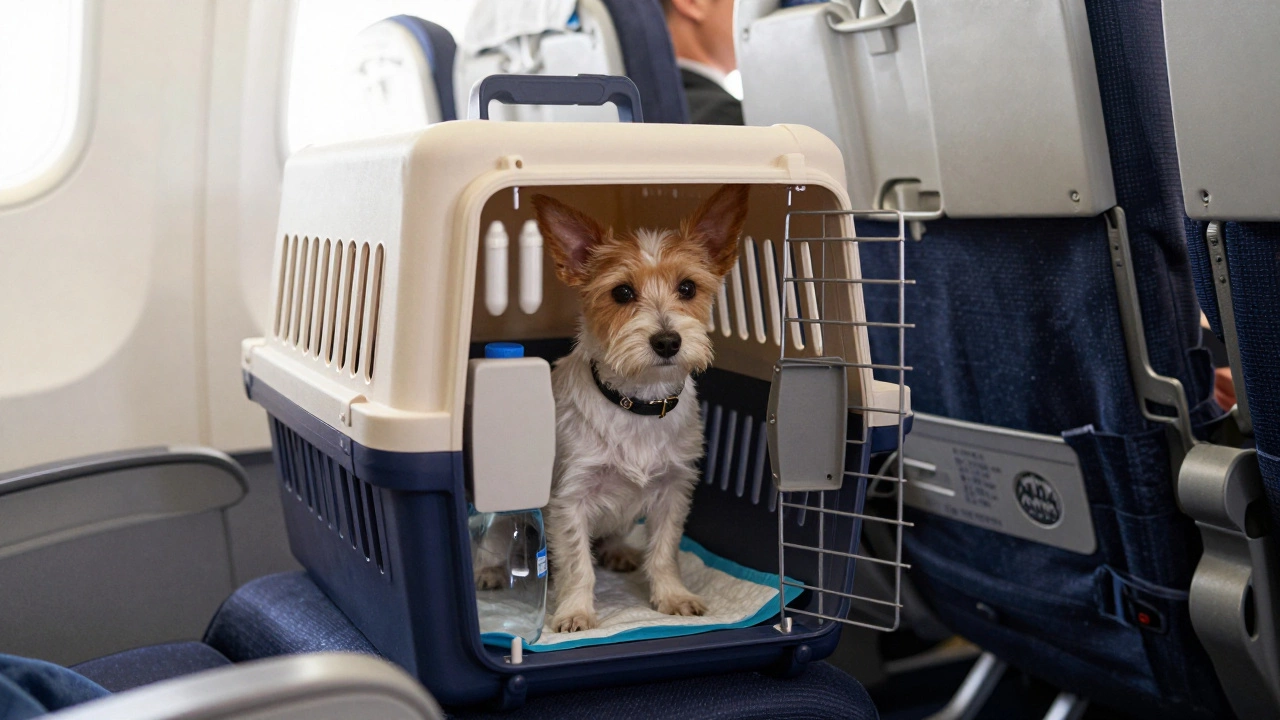
There are two main ways dogs travel: in the cabin or in cargo. dog cabin travel, when a dog flies in the passenger area inside an approved carrier under the seat. Also known as in-cabin pet travel, it’s the preferred option for small dogs and owners who want to keep their pet close. But cabin space is limited. Only certain carriers qualify, and not all airlines let you bring more than one pet per flight. Then there’s dog cargo flight, when a dog travels in the plane’s heated, pressurized cargo hold. Also known as pet freight travel, it’s often the only choice for larger dogs—but it comes with real risks. Temperature extremes, delays, rough handling, and noise can stress even the calmest dog. Studies show dogs in cargo are more likely to experience panic, dehydration, or even injury. That’s why choosing the right airline matters. Some carriers have better pet programs, trained staff, and real-time tracking. Others? They treat pets like baggage.
It’s not just about the rules—it’s about preparation. Do you know your dog’s carrier size limits? Have you checked if your breed is banned? Are you ready for the paperwork—vaccination records, health certificates, even acclimation letters? And what about the day of travel? No food 4–6 hours before, water available, and a familiar blanket can make a huge difference. If your dog barks in the car or panics at the vet, flying might not be the best idea. There are alternatives: driving, pet sitters, or even pet-friendly hotels. But if you’re set on flying, knowing the difference between a dog on planes policy and a real safety plan is everything.
Below, you’ll find real advice from owners and vets who’ve been through it. From which airlines are truly dog-friendly to how to calm your dog during takeoff, these posts give you the facts—not the fluff. You’ll learn what fits under the seat, why some dogs cry during grooming (yes, it’s related), and how to avoid the biggest mistakes people make when flying with pets. No guesswork. Just what works.
Posted By Bryndle Redding On 4 Dec 2025 Comments (0)
Can Dogs Survive Long Flights? What You Need to Know Before Booking
Can dogs survive long flights? Yes-but only if you plan carefully. Learn what breeds are at risk, how to choose the right flight, what crates to use, and why sedatives can be deadly.
READ MORE