Dog Airline Travel: What You Need to Know Before Flying with Your Dog
When you plan a trip and your dog comes with you, dog airline travel, the process of transporting a dog via commercial airline, whether in the cabin or cargo hold. Also known as pet air travel, it’s not just about buying a ticket—it’s about understanding rules, safety, and your dog’s comfort. Many owners assume all airlines treat pets the same, but that’s not true. Some let small dogs under the seat, others charge extra for cargo, and a few won’t fly certain breeds at all. The dog airline travel rules change by carrier, season, and even the airport you’re flying from.
Related to this are airline pet policy, the specific rules an airline sets for transporting animals, including size limits, fees, documentation, and breed restrictions. These policies aren’t optional—they’re enforced. If your carrier is too big, you’ll be turned away at the gate. If your dog is a brachycephalic breed like a Bulldog or Pug, many airlines won’t let them fly in cargo during hot months. And don’t assume your vet’s health certificate is enough—you’ll often need proof of rabies vaccination, a recent wellness check, and sometimes even acclimation letters. Then there’s dog cargo flight, when a dog travels in the plane’s heated, pressurized cargo hold, separate from passengers. It’s safe when done right, but it’s also where most stress and incidents happen. That’s why knowing how to prepare your dog, pick the right crate, and avoid peak travel times makes all the difference.
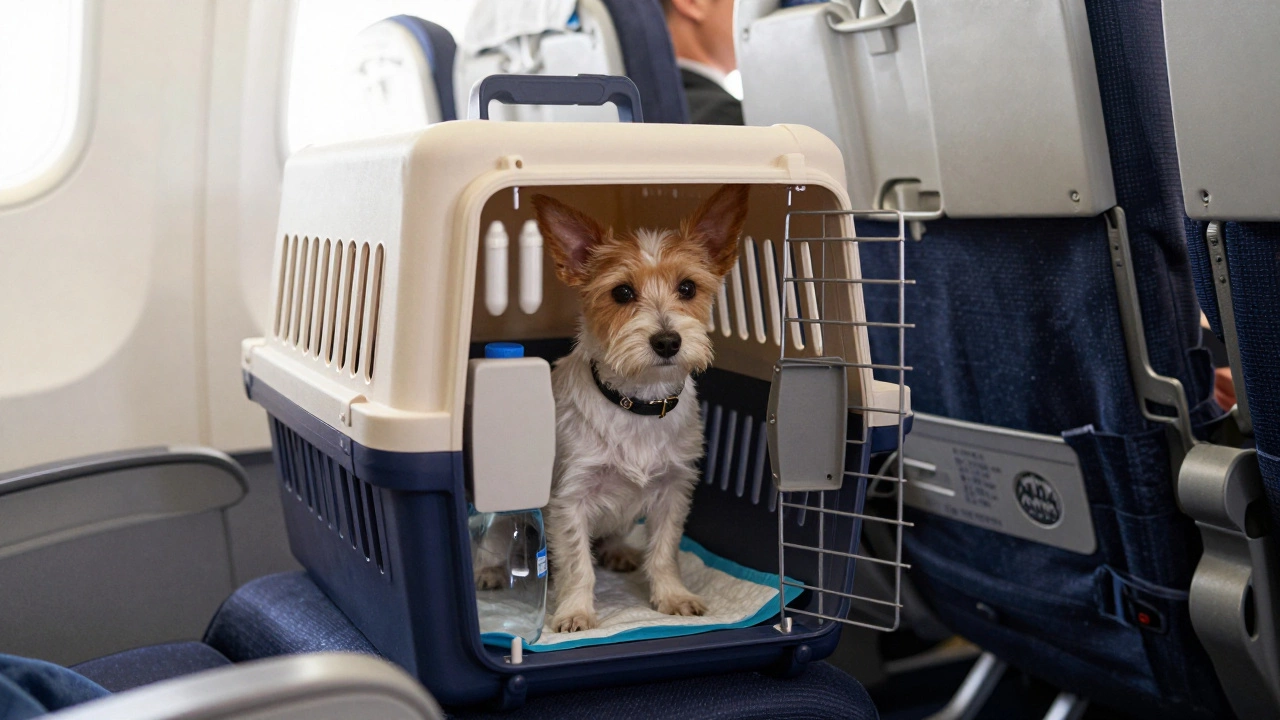
And don’t forget dog cabin size, the maximum dimensions allowed for a carrier to fit under the seat in front of you. A 30-pound dog might seem small, but if the carrier is too tall or wide, it won’t fit. Airlines like Southwest, JetBlue, and Delta have exact measurements—some as small as 17 x 12 x 8 inches. Measure your dog’s crate before you book. Also, remember that only one pet per passenger is allowed in the cabin, and you can’t bring a second one even if it’s tiny. You’ll need to pay a fee, usually between $100 and $200 each way, and you’ll be asked to confirm your dog is calm and house-trained. No barking, no whining, no accidents.
What you’ll find below are real, practical guides based on what pet owners and vets actually deal with. You’ll learn which airlines are truly dog-friendly, how to reduce stress during a cargo flight, what carrier size works for your dog’s weight, and how to avoid the mistakes that land pets in trouble. No fluff. No guesswork. Just what works.
Posted By Bryndle Redding On 4 Dec 2025 Comments (0)
Can Dogs Survive Long Flights? What You Need to Know Before Booking
Can dogs survive long flights? Yes-but only if you plan carefully. Learn what breeds are at risk, how to choose the right flight, what crates to use, and why sedatives can be deadly.
READ MORE