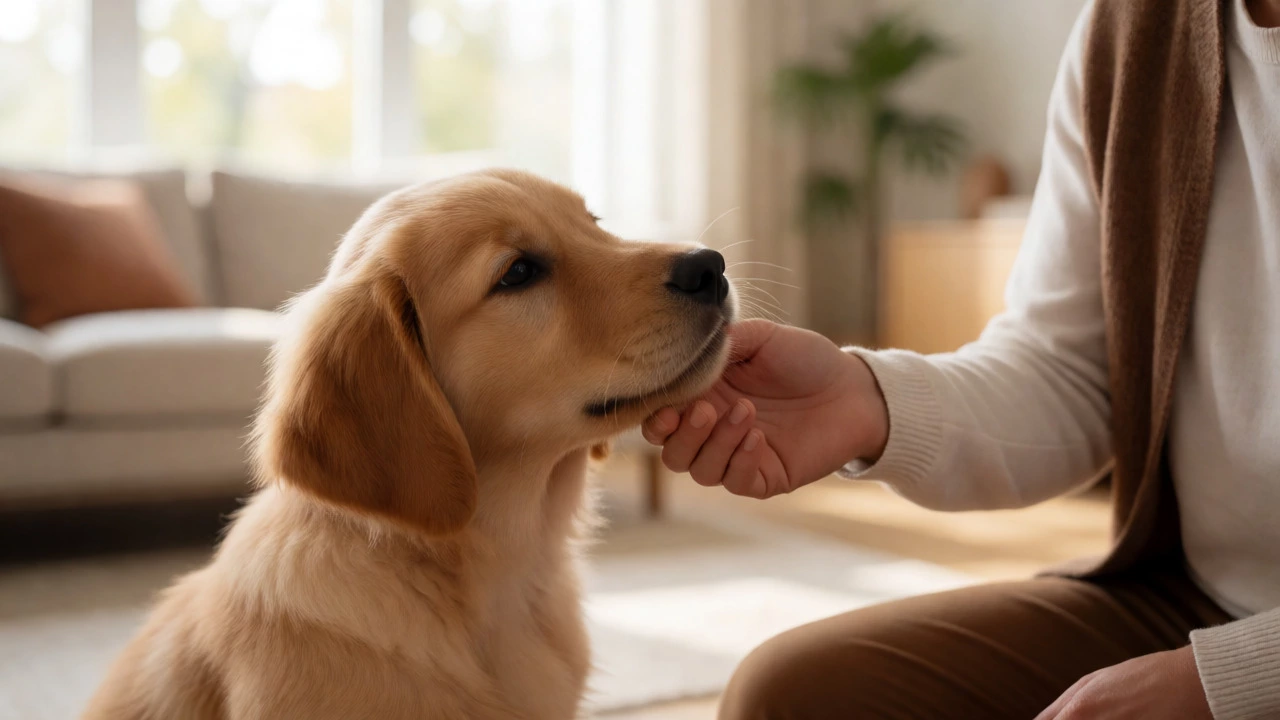
Dog Biting Behavior Analyzer
Select the scenario that best matches your dog's behavior to receive tailored advice from the practical guide.
There is nothing quite like the sting of a puppy’s needle-teeth sinking into your ankle. It hurts, it’s frustrating, and if you’re an adult dog owner dealing with this issue, it can be downright scary. But here’s the truth: dog biting is rarely about aggression in young dogs; it’s usually about communication gone wrong. Whether you have a teething pup or an adolescent who has forgotten their manners, stopping the biting isn’t about dominance or punishment. It’s about teaching your dog what acceptable interaction looks like. If you want a peaceful home where hands and feet aren’t chew toys, you need a clear, consistent plan that respects how dogs actually learn.
Why Your Dog Is Biting You
Before you can fix the problem, you have to understand the source. Dogs don’t bite out of spite. They bite because it works, because they are excited, or because they are uncomfortable. For puppies, bite inhibition is a critical developmental stage. Puppies learn how hard they can bite by playing with littermates. If a puppy bites too hard, its sibling yelps and stops playing. This immediate feedback teaches them to control their jaw pressure. When you bring a puppy home at eight weeks, you become their new playmate. If you react inconsistently-sometimes laughing, sometimes yelling-the puppy doesn’t learn a clear boundary.
Adult dogs might bite for different reasons. Teething pain (which lasts until about six months) drives chewing. Overstimulation during play can lead to "love bites" that accidentally hurt. Conversely, fear-based biting happens when a dog feels cornered or threatened. Identifying the trigger is half the battle. Is your dog jumping up and nipping your face because they want attention? Or are they snapping at your heels because they are herding breeds trying to control movement? The solution changes based on the "why."
The Golden Rule: Consistency Over Punishment
Many owners make the mistake of using physical punishment, like holding the mouth shut or tapping the nose. Modern behavioral science tells us this often backfires. It can create fear, which leads to defensive biting later in life. Instead, rely on positive reinforcement. This means rewarding the behavior you want (gentle mouthing or ignoring the hand) rather than punishing the behavior you dislike.
Consistency is non-negotiable. If you let the dog nibble your fingers one day but scold them the next, you are confusing them. Everyone in the household must follow the same rules. If Grandma lets the puppy chew her slippers while Dad says no, the puppy will never learn. Write down the house rules and stick to them. This creates a predictable environment where the dog feels safe enough to learn.
Step-by-Step: Teaching Bite Inhibition
Teaching a dog to stop biting starts with mimicking nature. Here is a practical routine you can start today.
- Engage in gentle play: Start playing with your dog using your hands or a toy. Let them mouth gently.
- The Yelp Method: If teeth touch skin, emit a high-pitched "yelp" sound, similar to what a puppy would do. Immediately withdraw your hand and stop playing for 10-15 seconds. This is called a time-out.
- Resume and escalate: Go back to play. If they bite harder, yelp louder and take a longer break (30 seconds). If they bite gently, praise them enthusiastically.
- Redirect energy: If the dog gets over-excited and starts chomping, redirect their mouth to an appropriate chew toy. Reward them heavily for chewing the toy instead of your skin.
This process requires patience. Some dogs get the concept in a week; others take months. The key is that the consequence (loss of fun) is immediate and logical. The dog learns: "Hard teeth mean the game ends. Soft teeth mean the game continues."
Managing High-Energy Nipping
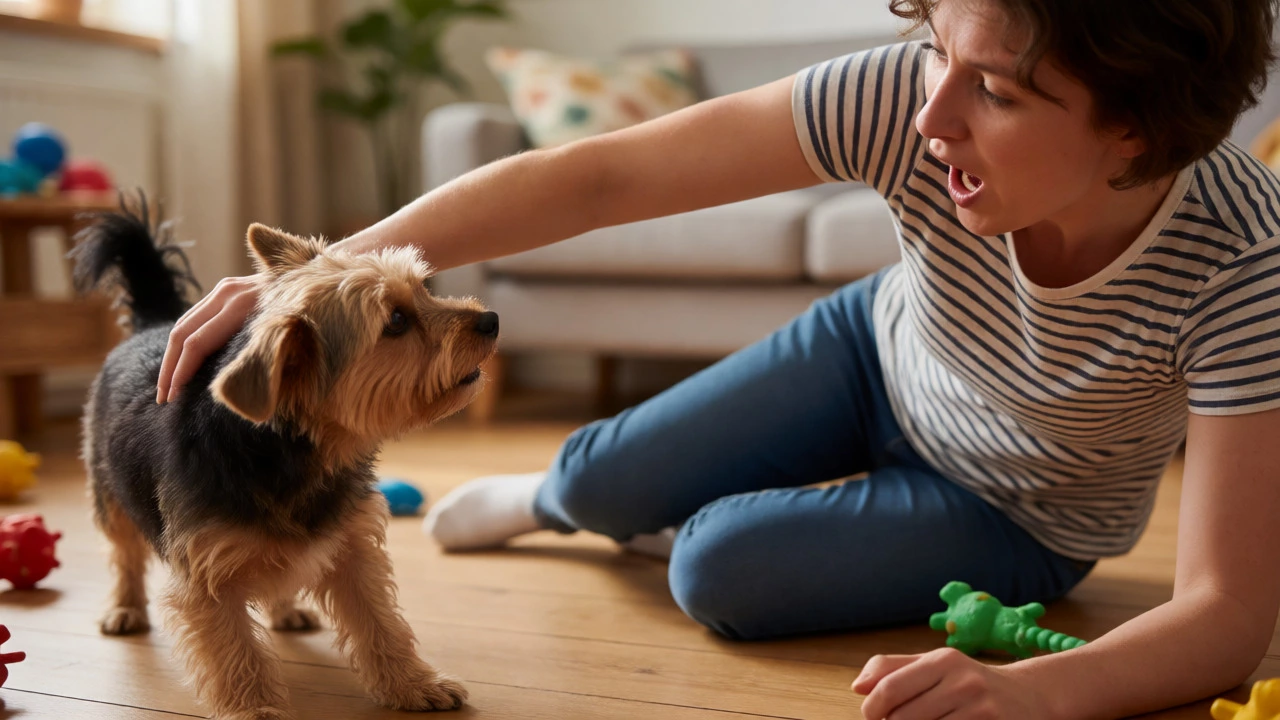
Sometimes, biting isn’t about inhibition; it’s about boredom or excess energy. A tired dog is a good dog, but a bored dog is a destructive one. If your dog is nipping constantly, check their exercise levels. Are they getting enough mental stimulation? Physical exercise alone often isn’t enough. Try puzzle feeders, scent games, or short training sessions to tire their brain.
Also, consider the environment. If you live in a small apartment, your dog might be frustrated by lack of space. In Wellington, we know that urban living requires extra effort to keep dogs stimulated. Take them to the beach or local parks for sniffing walks. Sniffing lowers cortisol levels and helps calm reactive behaviors. If a dog is physically and mentally satisfied, they are less likely to view your ankles as prey.
When to Seek Professional Help
Not all biting is normal puppy behavior. If your dog growls, stiffens, or snaps without warning, this could signal pain or deep-seated anxiety. Older dogs who suddenly start biting may be suffering from arthritis or dental issues. Always rule out medical causes first by visiting your veterinarian.
If the biting involves resource guarding (snapping when you approach their food or bed), do not try to "dominate" the dog by taking things away forcefully. This can worsen the aggression. Look for a certified professional trainer who uses force-free methods. They can help you desensitize your dog to triggers safely.
| Bite Type | Common Cause | Immediate Action | Long-Term Solution |
|---|---|---|---|
| Puppy Mouthing | Exploration & Teething | Yelp & Time-out | Provide appropriate chew toys |
| Play Biting | Overstimulation | Stop moving & ignore | Teach impulse control games |
| Fear Biting | Feeling trapped/threatened | Create distance | Desensitization & Counter-conditioning |
| Pain Biting | Injury or Illness | Vet visit | Treatment of underlying condition |
Pro Tips for Success
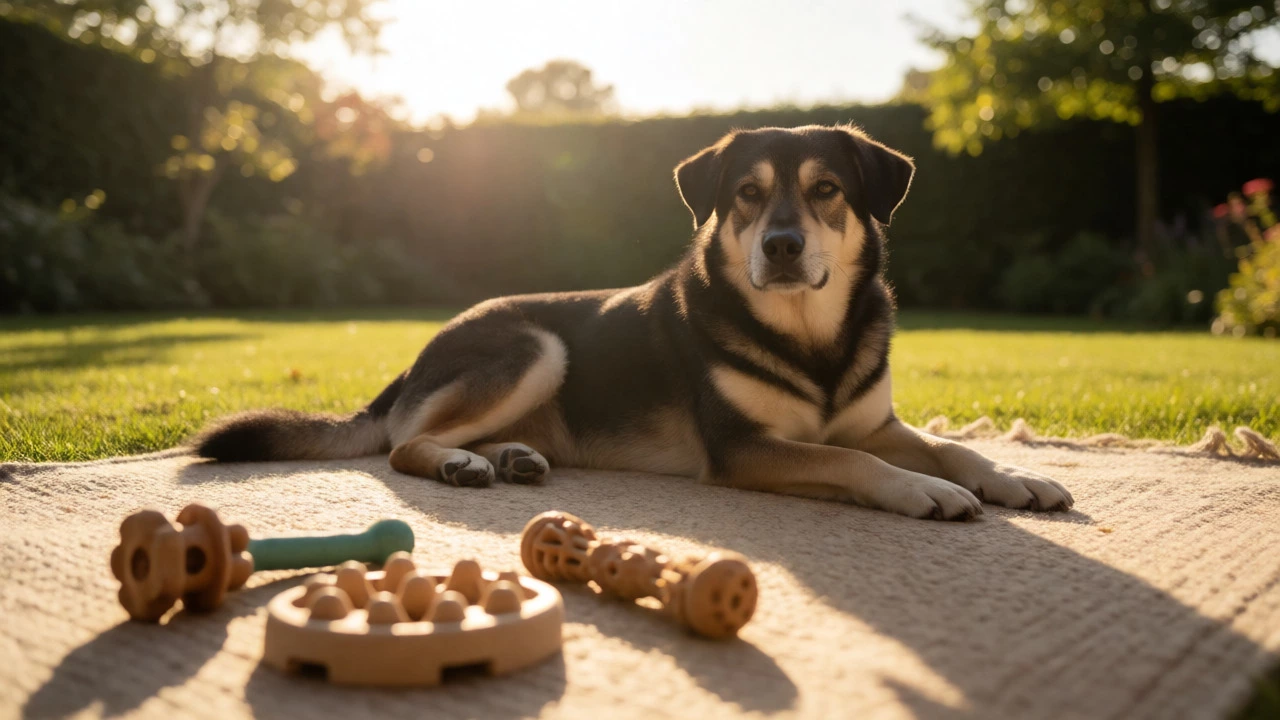
- Wear protective gear: During the initial training phase, wear long sleeves and thick socks. This reduces your pain response, helping you stay calm and consistent.
- Manage the environment: Use baby gates to separate the dog from children or guests who might inadvertently encourage rough play.
- Capture calmness: Whenever your dog is lying down quietly, drop a treat near them without making eye contact. This rewards being calm, which is the opposite of frantic biting.
- Avoid roughhousing: Do not wrestle with your dog using your hands. This encourages them to use their teeth on human skin. Use tug toys instead.
Next Steps and Troubleshooting
If you’ve tried these steps for two weeks and see no improvement, reassess your consistency. Are you accidentally rewarding biting with attention? Even negative attention (saying "no") can be a reward for a bored dog. Silence is often more powerful than speech.
Remember, training is a marathon, not a sprint. Celebrate small victories. Did your dog lick your hand instead of nibbling it? That’s progress. Keep practicing, keep rewarding, and soon those sharp teeth will be a thing of the past.
Is it normal for my puppy to bite my face?
Yes, it is very common. Puppies explore the world with their mouths, and faces are interesting targets due to movement and smell. However, it needs to be managed early. Teach them that teeth on skin equals game over. Redirect their attention to toys immediately.
How long does it take to stop dog biting?
It varies by breed and individual personality. Most puppies show significant improvement within 4-6 weeks of consistent training. Adolescent dogs may take longer. Patience and consistency are more important than speed.
Should I punish my dog for biting?
Physical punishment is generally discouraged. It can increase anxiety and lead to defensive aggression. Instead, use negative punishment (removing something desirable, like your attention) or redirection to teach appropriate behavior.
Why does my dog bite only me?
Dogs often target the person they trust most or the one who plays with them most roughly. If you engage in high-energy play without boundaries, your dog may view you as a primary playmate. Adjust your play style to be calmer and more structured.
What if my dog bites when I hug him?
Many dogs dislike hugs because they feel restrained. The bite is a warning: "Please let me go." Observe body language signs like lip licking or whale eye before hugging. Respect their space to prevent escalation.