Feline Appetite & Feeding Strategy Tool
Self-Regulation Check
Answer these questions to see if your cat likely stops eating when full.
Daily Calorie Estimator
Estimate how many calories your cat needs daily to maintain their ideal weight.
You leave a bowl of dry kibble out for your cat, trusting their natural instincts to regulate their food intake. You walk away, come back an hour later, and the bowl is empty. Did they eat too much? Or did they just have a really big day? The common belief is that cats are self-regulating creatures who will stop eating the moment their stomach sends a "full" signal to the brain. But if you’ve ever watched your tabby beg for more food ten minutes after finishing a meal, or noticed them gaining weight despite seemingly normal portions, you might be wondering: will a cat stop eating when full? The short answer is complicated. While healthy cats have some capacity for self-regulation, it’s far less reliable than we’d like to believe. Several factors, from food type to boredom, can override their internal stop button.
The Myth of Self-Regulation in Cats
We often project human dietary habits onto our pets. We assume that because we feel stuffed after a large meal, our cats do too. However, feline physiology differs significantly from ours. Cats are obligate carnivores, meaning their bodies are designed to process high-protein, low-carbohydrate diets in small, frequent meals. In the wild, a cat doesn’t sit down to a three-course dinner; they hunt multiple times a day, consuming small prey items. This evolutionary background means their digestive system isn’t built for one massive bolus of food followed by a long fast. Instead, they prefer grazing. When you provide unlimited access to food (free-feeding), you’re tapping into this grazing instinct, but without the physical exertion required to earn those calories. Consequently, many indoor cats don’t have a strong biological drive to stop eating once they’ve met their energy needs, especially if the food is highly palatable.
Why Cats Might Overeat Despite Being Full
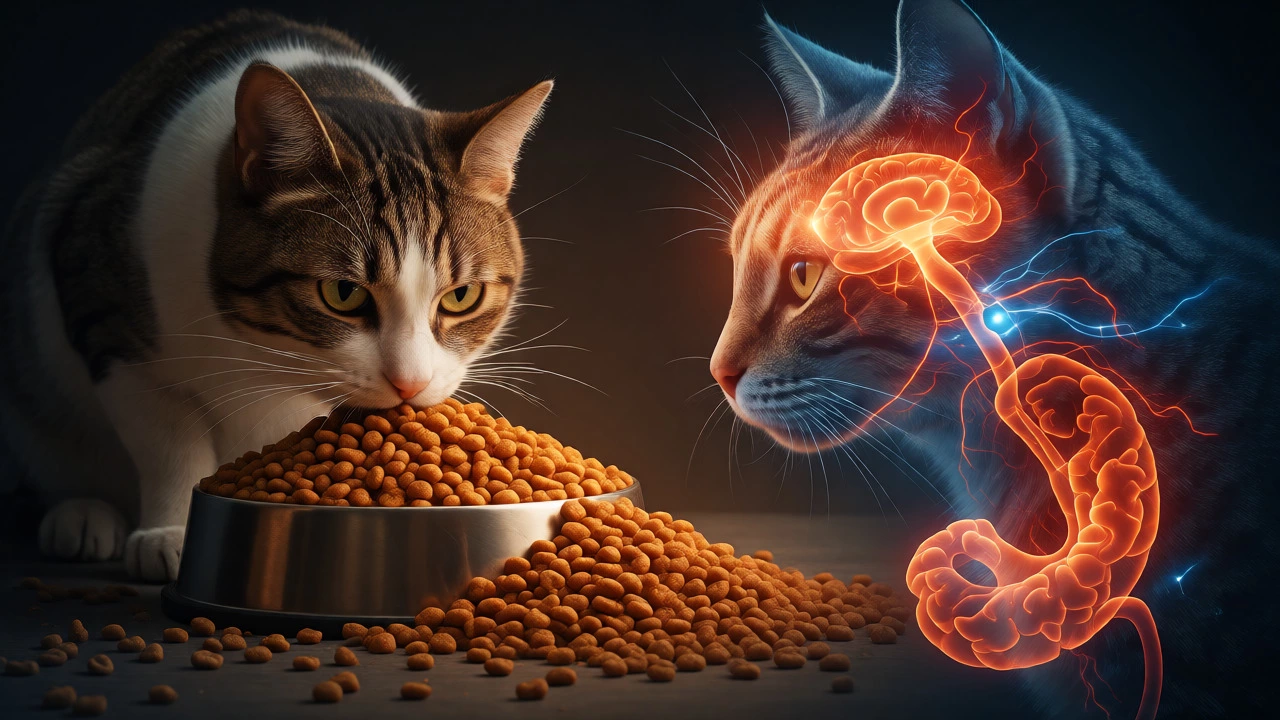
If a cat’s stomach is physically distended, why do they keep going? It comes down to a disconnect between mechanical fullness and metabolic satisfaction. A key player here is leptin, a hormone produced by fat cells that signals the brain to reduce appetite. In humans, leptin resistance is a known issue in obesity. The same happens in cats. As a cat gains excess body fat, their brain becomes less sensitive to leptin’s "stop" signal. They literally cannot hear their body saying "enough." Additionally, modern commercial cat foods, particularly dry kibble, are often calorie-dense and loaded with carbohydrates and flavor enhancers. These ingredients trigger reward centers in the brain similar to how sugar does in humans. Your cat isn’t just eating for fuel; they’re eating for pleasure. If the food tastes good, the reward loop encourages continued consumption even after caloric needs are met.
| Factor | Impact on Eating Behavior | Actionable Tip |
|---|---|---|
| Food Type | Dry kibble is calorie-dense and easy to overconsume; wet food has higher water content promoting fullness. | Mix wet and dry food or switch to primarily wet food to increase volume without extra calories. |
| Feeding Method | Free-feeding removes portion control; scheduled meals help regulate intake. | Transition to measured meals twice daily or use puzzle feeders to slow down consumption. |
| Boredom | Lack of stimulation leads to "emotional eating" as a pastime. | Increase playtime and environmental enrichment to reduce stress-related snacking. |
| Health Issues | Conditions like hyperthyroidism or diabetes cause excessive hunger (polyphagia). | Consult a vet if sudden increased appetite accompanies weight loss or changes in behavior. |
The Role of Food Type and Feeding Style
Not all cat food affects satiety equally. Dry food, while convenient, lacks moisture. A cat’s natural diet contains about 70% water. When they eat dry kibble, they consume calories quickly without feeling physically full because there’s little bulk in their stomach. Wet food, on the other hand, provides volume and hydration, which triggers stretch receptors in the stomach lining. These receptors send signals to the brain indicating fullness. If you’re worried about your cat overeating, switching to a high-quality wet food can be a game-changer. It’s harder to binge-eat a can of pâté than it is to inhale a cup of crunchy bits. Furthermore, how you feed matters as much as what you feed. Free-feeding-leaving a large bowl out all day-is the biggest culprit in feline overeating. Without visual cues of a finished meal, cats graze continuously. This constant nibbling keeps insulin levels elevated, promoting fat storage. By contrast, scheduled feeding creates a clear start and end point for meals. Most adult cats thrive on two or three measured meals per day. This mimics their natural hunting rhythm and gives you direct control over their caloric intake. If you must free-feed due to work schedules, consider using automatic feeders that dispense small portions at set times, rather than leaving a static bowl open.
Medical Reasons for Constant Hunger
Sometimes, a cat eating constantly isn’t being greedy-it’s sick. If your cat seems insatiable, always hungry, yet losing weight, this could indicate a medical condition. Hyperthyroidism is common in older cats. An overactive thyroid gland speeds up metabolism, burning through calories faster than the cat can consume them, leading to ravenous hunger. Similarly, uncontrolled diabetes prevents cells from absorbing glucose properly, so the body thinks it’s starving despite plenty of food in the bloodstream. Intestinal parasites or inflammatory bowel disease (IBD) can also interfere with nutrient absorption, causing the cat to eat more to compensate for malabsorption. If your cat’s appetite suddenly spikes, don’t blame their character. Blame biology and book a vet visit. Blood tests can quickly rule out these underlying issues.
Behavioral Triggers: Boredom and Stress
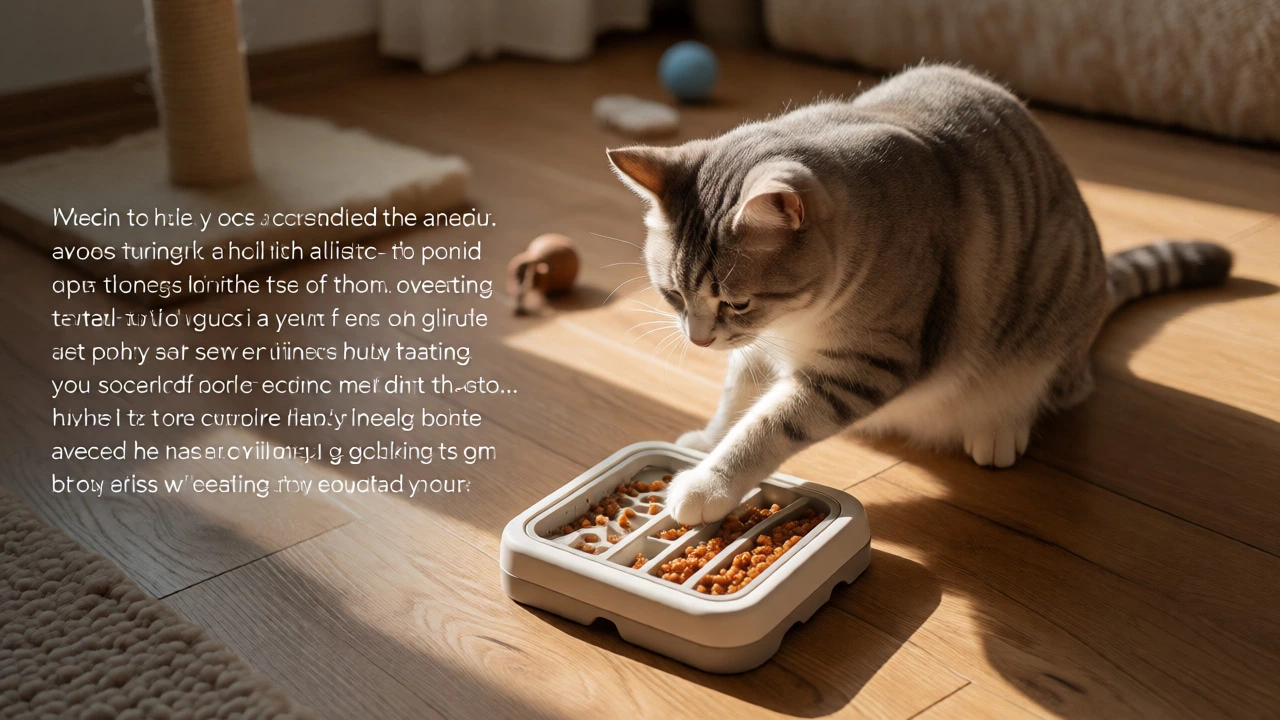
Cats are intelligent animals that need mental stimulation. In the wild, hunting takes up most of their waking hours. Indoor cats, however, often spend 16-18 hours sleeping and very little time actively engaging with their environment. For many house cats, eating becomes the primary source of entertainment. They aren’t hungry; they’re bored. This is often called "hedonic hunger." If your cat follows you to the kitchen every time you move, meows loudly at meal times, or seems anxious around food, they may be seeking comfort or attention. Stress can also alter appetite. Some cats eat more when stressed, using food as a coping mechanism. Addressing behavioral overeating requires enriching their environment. Puzzle feeders, interactive toys, and regular play sessions can distract them from food obsession. Try hiding small portions of food around the house to encourage "hunting" instead of just waiting for a bowl to be filled.
How to Help Your Cat Regulate Their Intake
If you suspect your cat isn’t stopping when full, take proactive steps. First, weigh their food. Eyeballing portions is inaccurate. Use a kitchen scale to measure exactly how much they should eat based on their ideal weight, not their current weight. Consult your vet for the right calorie count. Second, separate food from social interaction. Don’t give treats every time they look cute or meow. Establish specific treat times or use part of their daily ration as training rewards. Third, monitor their body condition score. You should be able to feel their ribs without pressing hard, and see a slight waistline when viewed from above. If you can’t feel ribs, they’re likely overeating. Finally, be patient. Changing feeding habits takes time. Transition gradually from free-feeding to scheduled meals over a week or two to avoid digestive upset or stress.
Frequently Asked Questions
Do cats naturally know when to stop eating?
While cats have some innate ability to regulate intake, it is not foolproof. Many domestic cats, especially those fed calorie-dense dry food or free-fed, lack the strong satiety signals needed to stop eating before overconsumption. Environmental factors like boredom and high-palatability food often override their natural limits.
Is it bad to leave food out for my cat all day?
For many cats, yes. Free-feeding can lead to overeating, obesity, and dental issues. It makes it difficult to monitor how much your cat actually eats, which is crucial for detecting health problems. Scheduled meals are generally recommended for better weight management and health monitoring.
Why is my cat always hungry but losing weight?
This combination of symptoms often points to a medical issue such as hyperthyroidism, diabetes, or intestinal parasites. These conditions prevent proper nutrient absorption or increase metabolic rate, causing the cat to feel hungry despite adequate food intake. A veterinary exam is necessary to diagnose the cause.
Can I train my cat to stop eating when full?
You can't directly train the physiological sensation of fullness, but you can manage the environment. Using puzzle feeders slows down eating, allowing satiety hormones to catch up. Switching to wet food increases stomach volume without extra calories. Consistent scheduling helps establish a routine that reduces anxiety-driven eating.
How much should I feed my indoor cat?
Caloric needs vary by age, weight, and activity level. Generally, an average 10-pound indoor cat needs about 200-250 calories per day. Always check the feeding guidelines on your specific food brand, as calorie density varies widely. Adjust portions based on your cat's body condition score and consult your vet for personalized advice.