Dog Grooming Vinegar Dilution Calculator
Your Custom Vinegar Rinse Recipe
- Never use undiluted vinegar directly on your dog
- Avoid contact with eyes, nose, and mouth
- Do not use on dogs with open wounds or severe skin conditions
- The vinegar smell will disappear once your dog dries completely
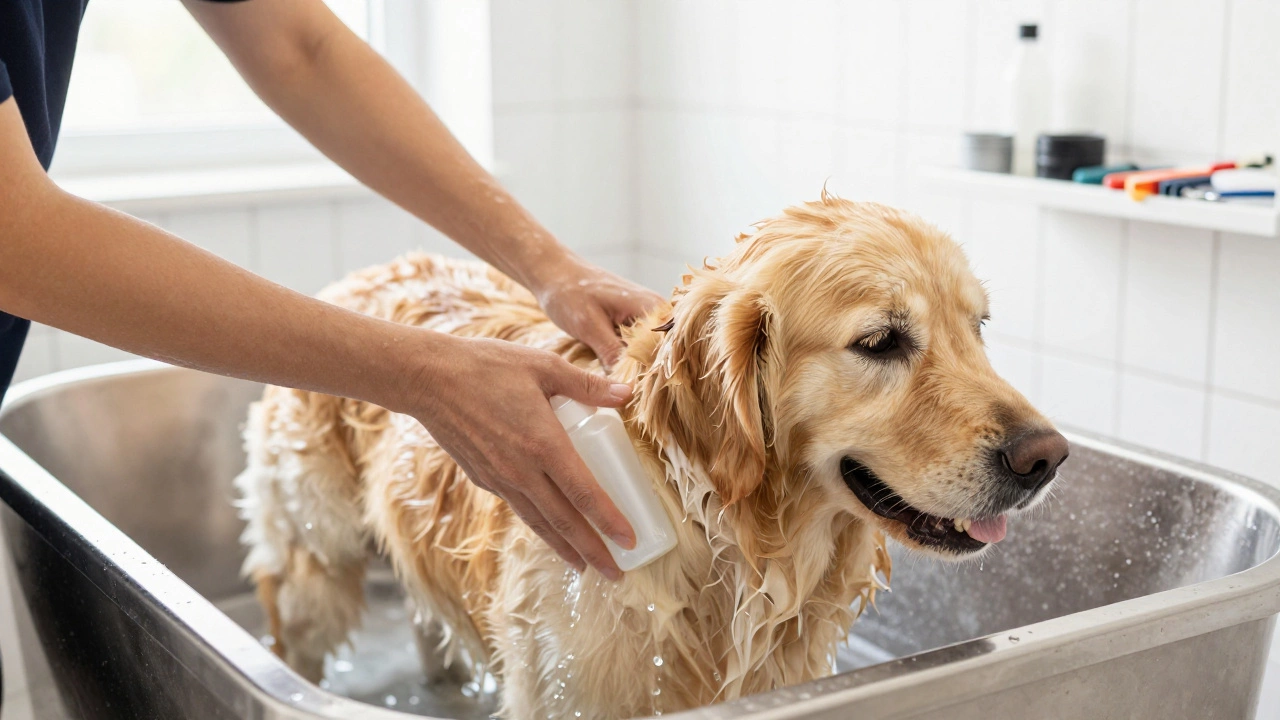
You walk into the groomer's waiting room and catch that familiar scent. It’s not just wet dog or shampoo. There’s a sharp, tangy smell cutting through the air. You might wonder if something is wrong with your dog’s coat. But don’t worry. That smell is likely vinegar, specifically a diluted acidic solution used by professional groomers to balance skin pH and neutralize odors. It’s one of those old-school tricks that sounds harsh but actually works wonders when done right.
Groomers aren’t trying to make your dog smell like a salad dressing bottle. They are using vinegar as a final rinse after the bath. This step helps restore the natural acid mantle of your dog’s skin, keeps the coat shiny, and acts as a mild deterrent for pests. If you’ve ever wondered why this simple kitchen staple is a staple in professional salons, you’re not alone. Let’s break down exactly why they do it, whether it’s safe for your pup, and how you can replicate the results at home.
The Science Behind the Sour Smell
To understand why vinegar works, we have to look at the biology of your dog’s skin. A healthy dog’s skin has a slightly acidic surface, often called the "acid mantle." This layer sits between the skin cells and helps protect against bacteria and fungi. The ideal pH for most dogs is around 5.5 to 7.0, depending on the breed.
Most commercial shampoos, even the gentle ones, are alkaline. They need to be alkaline to effectively lift dirt, oils, and debris from the fur. When you rinse off the shampoo, you also strip away some of that protective acidic layer. This leaves the skin temporarily vulnerable and the cuticles of the hair shaft raised, which makes the coat look dull and feel rough.
Vinegar is acidic. When a groomer sprays a diluted vinegar solution onto the dog after rinsing, it lowers the pH back down to its natural state. Think of it like closing the scales on a fish. The acidity smooths down the hair cuticles. This reflects light better, giving the coat that glossy, salon-fresh shine. It also seals the moisture in, preventing dryness and flaking.
Natural Odor Neutralizer
Let’s talk about the "wet dog smell." We all hate it. It’s caused by a combination of yeast, bacteria, and organic matter trapped in the fur. Regular soap masks these smells with fragrance, but it doesn’t always eliminate the source. Fragrances fade quickly, leaving you with a mix of floral perfume and damp fur.
Vinegar works differently. It doesn’t mask odors; it neutralizes them. The acetic acid in vinegar breaks down the chemical compounds responsible for bad smells. It kills the yeast and bacteria that thrive in moist environments. Yes, your dog will smell like vinegar for the first ten minutes after the bath. But once that dries? The smell vanishes completely, taking the musky dog odor with it. Your dog ends up smelling clean, fresh, and neutral.
Flea and Tick Deterrent
While vinegar won’t kill fleas or ticks on contact, it creates an environment they dislike. Fleas prefer alkaline conditions. By lowering the pH of your dog’s skin and coat, vinegar makes the host less attractive to them. It’s a preventive measure, not a cure-all for an infestation.
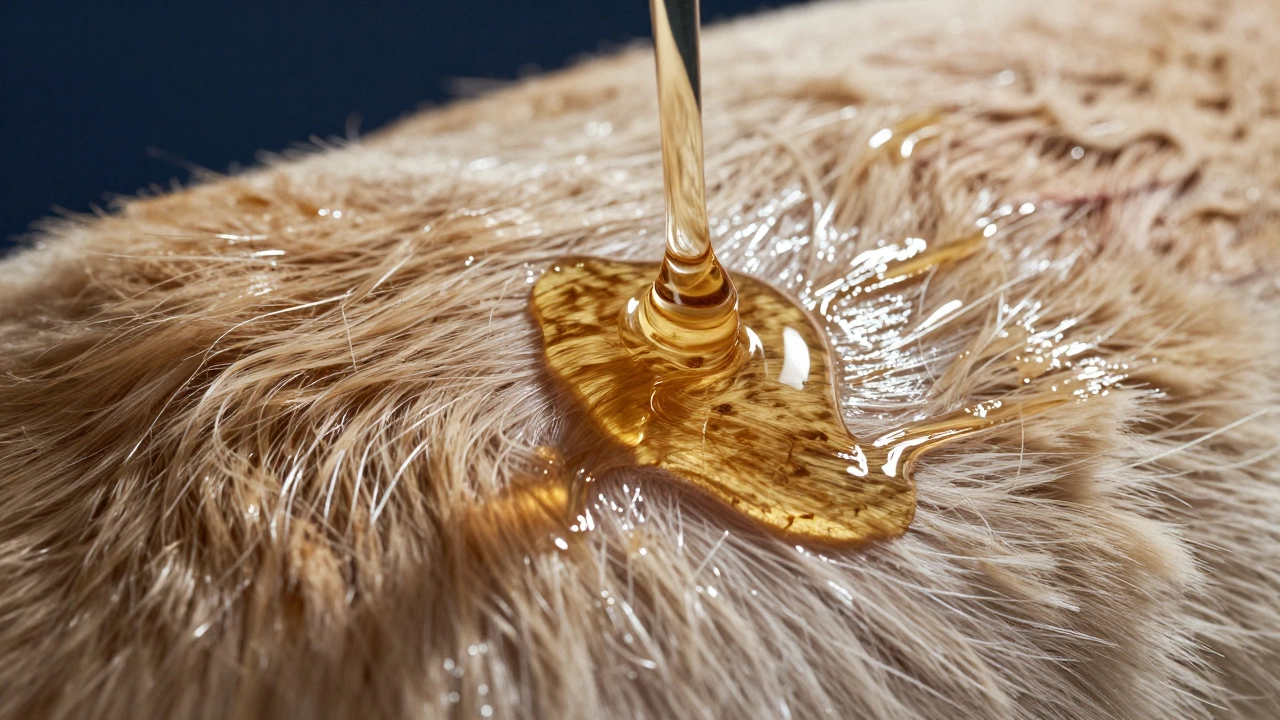
Apple cider vinegar (ACV) is particularly popular here because it contains additional enzymes and minerals that may soothe irritated skin. Many groomers prefer ACV over white distilled vinegar for this reason. However, white vinegar is cheaper and just as effective for pH balancing and odor control. The choice often comes down to the groomer’s preference and what ingredients they keep in stock.
Soothing Skin Irritations
If your dog suffers from hot spots, minor scrapes, or allergic reactions, vinegar can offer relief. Its antiseptic properties help prevent infection in small wounds. For dogs with itchy skin due to environmental allergies, the anti-inflammatory effects of vinegar can reduce scratching. Less scratching means less damage to the skin barrier, breaking the cycle of irritation.
However, caution is key. If your dog has open sores, raw skin, or severe dermatitis, vinegar will sting. In those cases, skip the spray and consult a veterinarian. Vinegar is best for maintenance and mild issues, not acute medical conditions.
How Groomers Apply Vinegar Safely
Professional groomers know that concentration matters. Never apply straight vinegar to a dog. It’s too strong and can cause burns or severe irritation. Here is the standard protocol:
- Dilution Ratio: Most groomers use a 1:1 ratio of water to vinegar. For sensitive dogs, they might go 2:1 or even 3:1 (water to vinegar).
- Application Method: After the final rinse of the shampoo, the groomer pours or sprays the solution over the coat, avoiding the eyes, nose, and mouth. They massage it in gently to ensure it reaches the skin.
- No Rinse Needed: Unlike shampoo, the vinegar rinse is left in. It dries quickly and does the work as it evaporates.
- Blow Dry: The blow-drying process helps distribute the solution evenly and speeds up drying time, reducing the window where the vinegar smell is strongest.
Can You Do This at Home?
Absolutely. In fact, many owners find that adding a vinegar rinse to their home bathing routine improves their dog’s coat quality significantly. You don’t need expensive products. Just grab a bottle of organic apple cider vinegar or plain white distilled vinegar from your pantry.
Here is a simple checklist for home use:
- Choose Your Vinegar: Apple cider vinegar is gentler and smells better initially. White vinegar is stronger and more effective for heavy odors.
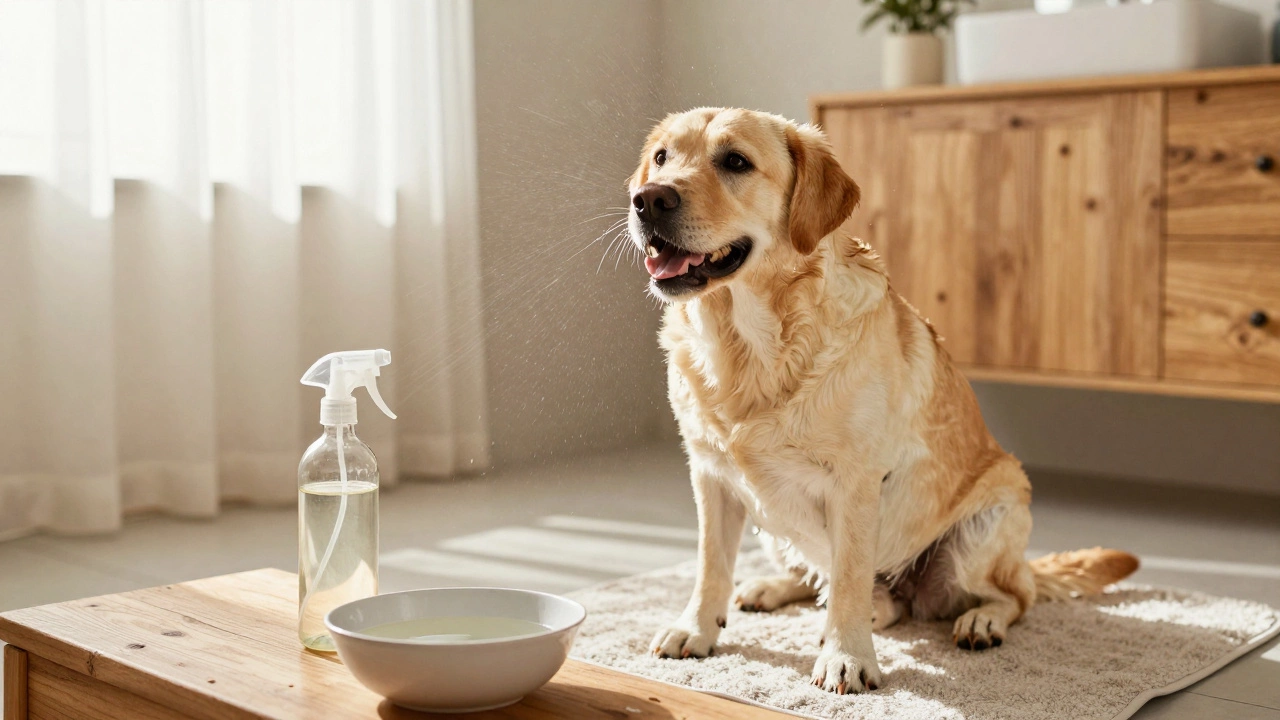
- Mix the Solution: Combine equal parts vinegar and warm water in a spray bottle or bucket.
- Bathe First: Shampoo and rinse your dog thoroughly. Remove all soap residue.
- Apply the Rinse: Spray or pour the mixture over the coat. Work it through the fur with your hands.
- Avoid Sensitive Areas: Keep the solution away from the eyes, ears, and any open wounds.
- Dry Thoroughly: Towel dry and then blow dry or let air dry. The vinegar smell will disappear as the coat dries.
| Type | Best For | Pros | Cons |
|---|---|---|---|
| White Distilled Vinegar | Heavy odors, stain removal | Cheap, widely available, strong acid | Pungent smell, can be harsh on sensitive skin |
| Apple Cider Vinegar (ACV) | Skin soothing, general maintenance | Gentler, contains nutrients, milder scent | More expensive, stains porous surfaces if spilled |
| Balsamic Vinegar | Not recommended | N/A | Contains sugars and additives harmful to skin |
When to Avoid Vinegar
Vinegar isn’t for every dog or every situation. Skip the vinegar rinse if:
- Your dog has open wounds: Vinegar will sting intensely and delay healing.
- Your dog has severe kidney disease: While topical application is generally safe, excessive absorption or ingestion should be avoided in compromised animals.
- Your dog hates the smell: Some dogs are extremely sensitive to scents. If your dog becomes anxious or aggressive during the rinse, stop immediately.
- You use medicated shampoos: Some prescription shampoos have specific pH requirements or active ingredients that vinegar might interfere with. Always check with your vet first.
Common Mistakes to Avoid
I see many well-meaning owners make the same errors. Don’t fall into these traps:
Using undiluted vinegar. This is the biggest mistake. Straight vinegar can cause chemical burns. Always dilute.
Applying it before shampooing. Vinegar needs to be the last step. If you apply it before shampoo, the soap will wash it away, negating the benefits.
Expecting instant miracles. Vinegar is a maintenance tool. It won’t cure ringworm or eliminate a full-blown flea infestation overnight. It supports overall skin health over time.
Alternatives to Vinegar
If vinegar isn’t your cup of tea, or your dog reacts poorly to it, there are other options. Commercial conditioner rinses are formulated to lower pH without the sour smell. Aloe vera gel can soothe skin and add moisture. Chamomile tea rinses offer mild anti-inflammatory benefits and a calming scent. However, none of these are as cost-effective or accessible as vinegar.
Does vinegar hurt my dog's eyes?
Yes, vinegar can irritate the eyes. It causes stinging and redness. Always avoid spraying directly near the face. If vinegar gets in your dog's eyes, flush them with cool water immediately.
Will vinegar kill fleas?
No, vinegar does not kill fleas. It may repel them due to the low pH and smell, but it is not a pesticide. For an active flea infestation, use veterinary-approved flea treatments.
Is apple cider vinegar better than white vinegar for dogs?
Apple cider vinegar is slightly gentler and contains beneficial enzymes, making it better for sensitive skin. White vinegar is more potent for odor removal and is cheaper. Both work well when diluted properly.
How long does the vinegar smell last on a dog?
The smell usually lasts only while the coat is wet. As the dog dries, the vinegar scent dissipates completely, leaving behind a neutral, clean smell. It typically takes 15-30 minutes for the odor to vanish.
Can I use vinegar on cats?
Cats are much more sensitive to scents and chemicals than dogs. Vinegar can be stressful for them and may cause respiratory irritation. It is generally not recommended for cats unless advised by a vet for specific skin conditions.