Dog Grooming Time Estimator
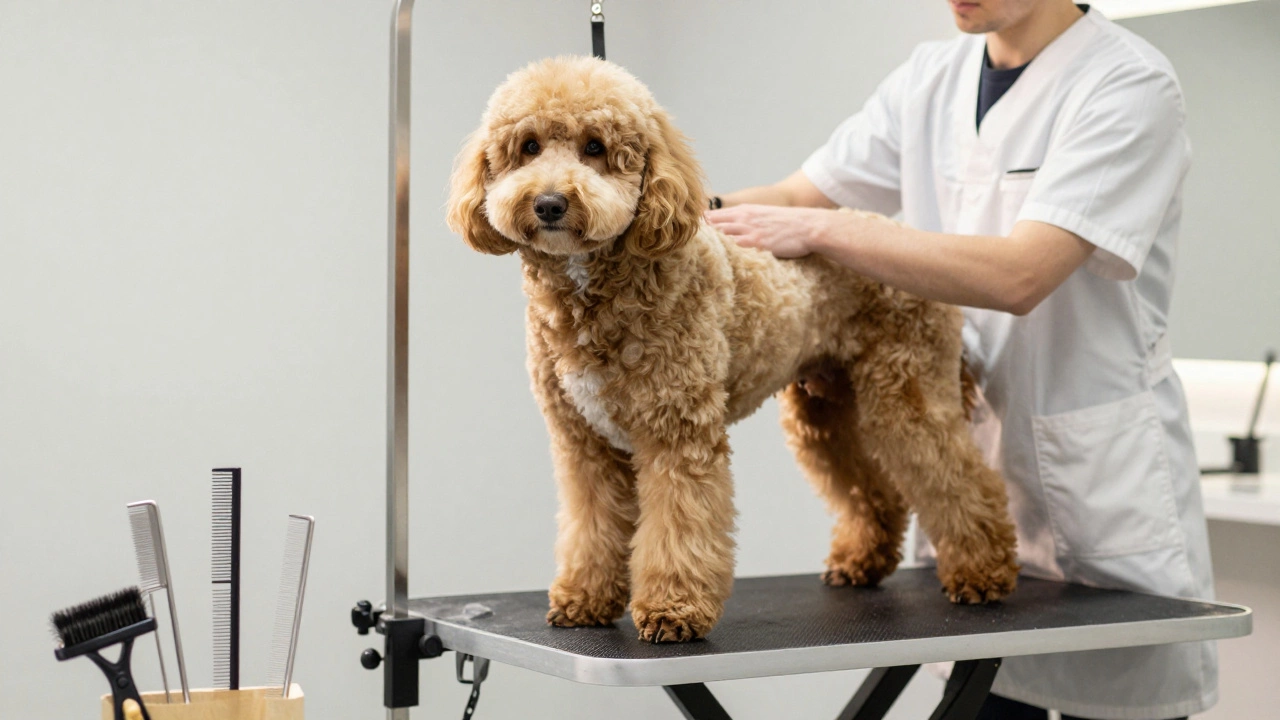
You drop off your fluffy Goldendoodle for a "quick trim" and get a text an hour later: "He’s still in the bath." Then another update: "Drying is underway." Four hours later, you’re picking up a fresh-scented pup who looks like a show model. You check your watch, look at the price tag, and wonder if you just paid for four hours of idle time. Spoiler: you didn’t. Professional dog grooming is a meticulous service that involves washing, drying, cutting, and detailing a dog's coat to maintain health and hygiene. It is not a speed contest. It is a careful process where rushing can lead to matted fur, skin irritation, or even injury.
If you’ve ever stared at the clock while waiting for your pet, this breakdown explains exactly where those hours go. We’ll look at the hidden steps, the tools involved, and why a good groomer refuses to cut corners.
The Bath Is Only the Beginning
Most owners assume the bulk of the time is spent shaving or cutting hair. In reality, the preparation phase consumes nearly half the appointment. Before any clippers touch your dog’s skin, the coat must be properly prepared. This isn’t just about getting wet; it’s about detangling and sanitizing.
A professional groomer starts with a thorough inspection. They check for ticks, lumps, hot spots, or sensitive areas. If your dog has mats-a tangled mass of fur pulled tight against the skin-those must be removed before anything else. Shaving over a mat doesn’t work; the blades will tug, cause pain, and often result in uneven cuts or razor burn. Removing mats requires patience, specialized combs, and sometimes careful hand-shaving. For a heavily matted Poodle or Shih Tzu, this step alone can take 30 to 45 minutes.
Next comes the bath. Groomers use high-quality shampoos and conditioners tailored to your dog’s skin type. A double-bath method is common: one shampoo to remove dirt and oils, followed by a conditioner to soften the coat. The conditioner helps slick the hair down, making it easier to comb out remaining tangles. After rinsing, the groomer applies a leave-in detangler. Every strand is then combed through. If they miss a tangle now, it will become a disaster when the dryer hits it.
The Drying Process Takes Longer Than You Think
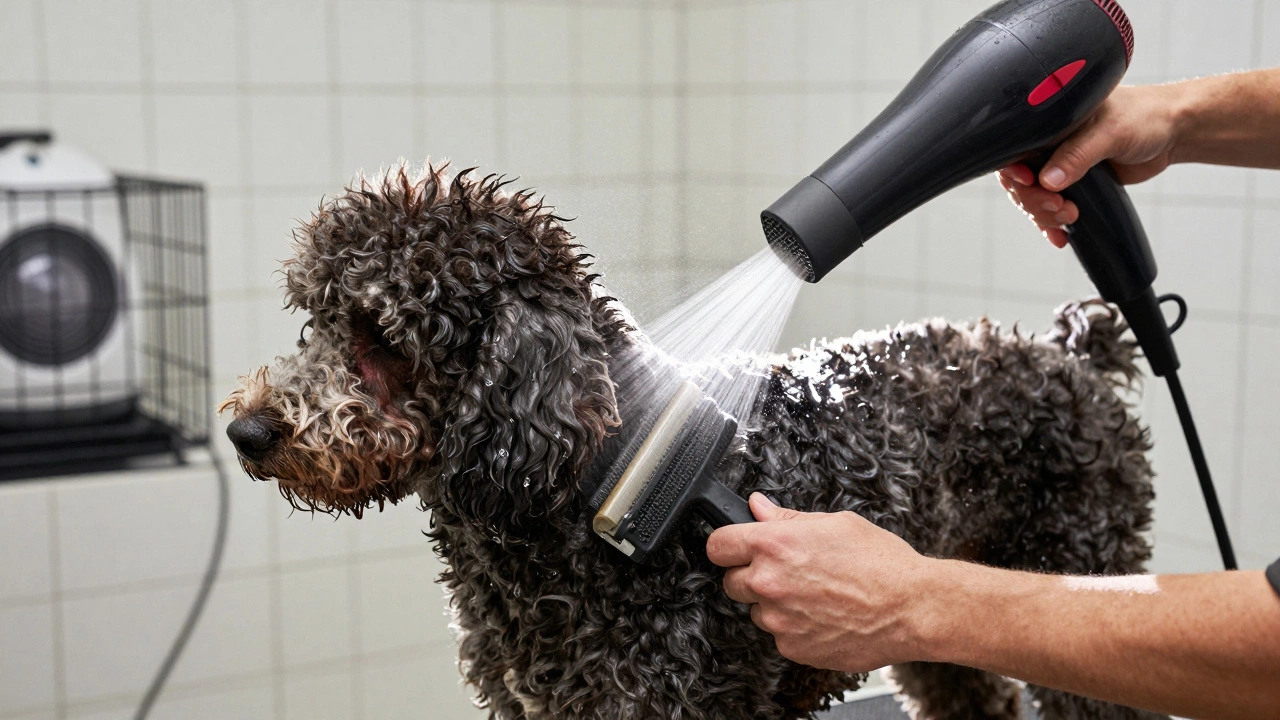
This is the biggest surprise for new clients. Drying a dog is not like drying your hair after a shower. Dog coats are dense, often double-layered, and designed to repel water. Water gets trapped deep in the undercoat, near the skin. If you try to rush this with a home hairdryer, you risk burning the skin or leaving damp patches that breed bacteria and fungus.
Professional groomers use two main tools: high-velocity dryers and force dryers. A high-velocity dryer is a powerful blower that strips water from the surface of the coat using air pressure rather than heat. It sounds like a jet engine, but it’s safe because it relies on airflow, not temperature. The groomer blows the water out while brushing the hair simultaneously. This step is critical for breeds like Huskies, Samoyeds, or Collies. They might spend 20 to 30 minutes just blowing out the top layer.
Once the surface is dry, the groomer switches to a force dryer or uses their hands to fluff and dry the undercoat. For curly-coated breeds like Poodles or Bichons, the hair must be completely bone-dry before cutting. If there’s even a hint of moisture left, the scissors will pull the hair, causing jagged edges and discomfort. Some groomers let dogs sit in a drying cage with warm air for an hour, but many prefer active drying to ensure every part of the coat is handled evenly. Total drying time for a medium-to-large dog often ranges from 45 minutes to an hour.
Cutting and Styling Requires Precision
Now we get to the part you see: the haircut. But "cutting" is a broad term. Are you getting a standard breed clip, a puppy cut, or a custom style? Each requires different techniques and tools.
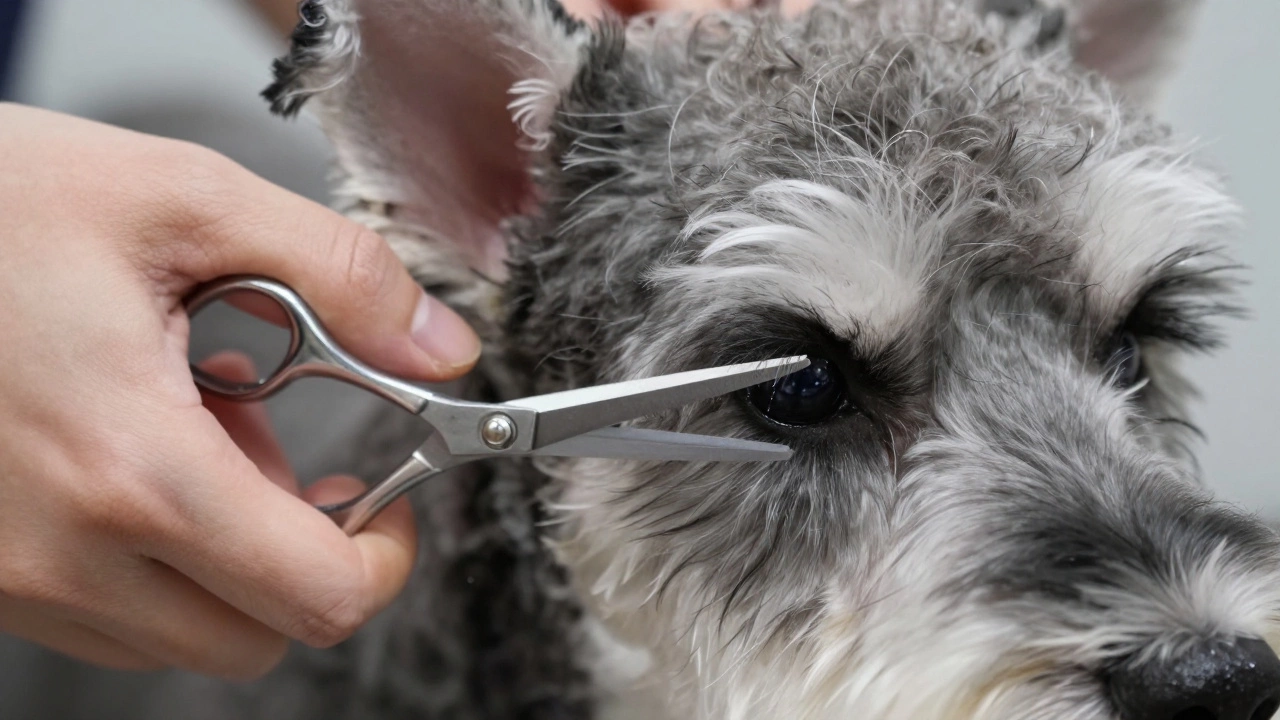
Groomers use a variety of clippers, shears, and thinning blades. They don’t just run a blade over the body; they blend lengths, shape the face, and taper the legs. For example, a Schnauzer needs precise trimming around the eyebrows, beard, and feet to maintain its distinctive look. A Labrador Retriever might just need a tidy-up, but even that involves careful clipping around the ears, paws, and sanitary areas.
Scissor work is slow and deliberate. Unlike clippers, which move quickly, shears require the groomer to hold the blade steady and cut small sections at a time. This ensures symmetry and a smooth finish. If your dog moves, the groomer stops. Safety is paramount. A nervous or wiggly dog cannot be rushed. The groomer may take breaks to calm the animal, offer treats, or adjust their grip. This adds time but prevents accidents.
Additionally, detailed areas like the ears, nails, and anal glands take focused attention. Nail trimming involves filing each nail smoothly to avoid splintering. Ear cleaning requires cotton balls and solution to remove wax without damaging the ear canal. These tasks seem minor but add up to 15-20 minutes of careful work.
Breed-Specific Time Variations
Not all dogs take four hours. The duration depends heavily on size, coat type, and behavior. Here’s a realistic breakdown based on industry standards:
| Breed Category | Coat Type | Average Duration | Key Time Factors |
|---|---|---|---|
| Short-Haired (e.g., Beagle) | Smooth | 1.5 - 2 hours | Minimal drying, simple brush-out |
| Double-Coated (e.g., Husky) | Dense Undercoat | 2.5 - 3.5 hours | Extensive drying, de-shedding treatment |
| Curly/Wavy (e.g., Poodle) | Single Coat, Curly | 3 - 4.5 hours | Matt removal, scissor work, styling |
| Long-Haired (e.g., Afghan Hound) | Silky, Long | 4 - 6 hours | Detangling, blow-drying length, precision trimming |
Notice how curly and long-haired breeds dominate the upper end of the time scale. Their coats demand more labor-intensive steps. Short-haired dogs like Boxers or Greyhounds might be done in under two hours because they don’t require extensive drying or complex styling.
Behavioral Factors Add Unpredictable Delays
Your dog’s personality plays a huge role in the timeline. A calm, cooperative dog allows the groomer to work efficiently. But what if your pup hates water, fears loud noises, or pulls away during nail trims?
Groomers are trained to handle anxiety, but they won’t force a struggling dog. If your pet panics, the groomer will pause, let them settle, and try again. This might mean taking five-minute breaks between steps. For some dogs, this means the appointment stretches from three hours to five. It’s not inefficiency; it’s empathy. Rushing a frightened animal can lead to bites, scratches, or trauma that makes future visits harder.
Some salons offer sedation or calming aids, but most rely on positive reinforcement. Treats, gentle handling, and gradual exposure help keep stress low. If your dog is particularly difficult, ask your groomer if they recommend a split session-doing the bath and dry one day, and the cut another. This reduces overwhelm for both the dog and the groomer.
Why Quality Costs More Than Speed
In today’s fast-paced world, we expect quick results. But in dog grooming, speed often equals compromise. Cheap, fast groomers might skip conditioning, rush the drying, or use dull blades. The result? A dog that looks okay for a week but develops mats, skin issues, or resentment toward grooming.
Investing in a groomer who takes four hours means you’re paying for expertise, safety, and care. They’re ensuring your dog leaves clean, comfortable, and happy. Think of it like cooking: a microwave meal is fast, but a slow-simmered stew tastes better and nourishes you more. Similarly, a thorough grooming session maintains your dog’s health and appearance far longer than a rushed job.
Next time you see that four-hour estimate, remember: it’s not wasted time. It’s the difference between a stressful ordeal and a spa-like experience for your best friend.
Is 4 hours too long for a dog grooming appointment?
No, 4 hours is normal for medium-to-large dogs with curly, long, or double coats. Breeds like Poodles, Goldendoodles, and Huskies require extensive drying, detangling, and styling. Short-haired dogs may finish in 1.5-2 hours. The time reflects thoroughness, not inefficiency.
Why does my dog’s groomer take so long to dry him?
Dog coats trap water deep in the undercoat. High-velocity dryers remove surface moisture, but the undercoat must be fully dried to prevent bacterial growth and ensure accurate cutting. Rushing this step leads to matted fur and skin infections.
Can I request a faster grooming service?
You can ask for a "basic tidy" instead of a full groom, which includes only nail trimming, ear cleaning, and a light brush-out. However, skipping essential steps like proper drying or detangling can harm your dog’s skin and coat health.
What happens if my dog is anxious during grooming?
A professional groomer will pause, calm your dog, and proceed slowly. They may use treats, breaks, or gentle handling techniques. Never force a panicked dog, as this risks injury and creates negative associations with grooming.
How often should I take my dog for professional grooming?
Most dogs benefit from grooming every 4-8 weeks. Curly-coated breeds may need monthly visits to prevent mats. Regular grooming keeps the coat healthy, removes debris, and allows early detection of skin issues.