
🐕 Dog Spin Behavior Analyzer
Is your dog's pre-sleep ritual normal? Use this tool to assess their behavior based on frequency, intensity, and accompanying signs.
You’re settling in for the night, ready to crash, and your dog is doing that thing. You know the one. They walk in a tight circle on their bed, maybe twice, maybe three times, before finally collapsing with a heavy sigh. It’s cute, sure, but have you ever stopped to wonder why they do it? Is it just a quirky habit, or is there something deeper going on?
Here’s the short answer: it’s ancient instinct. But if your dog suddenly starts spinning excessively, or if the spin turns into pacing, that might be a signal about their joint health or comfort levels. Let’s break down exactly what’s happening in your dog’s brain and body when they perform this ritual.
The Ancestral Root of the Spin
To understand modern dog behavior, you have to look at their wild cousins. Your domestic pup shares about 99.9% of its DNA with the gray wolf. Those ancestors didn’t have memory foam beds or heated floors. They slept in the wild, often in tall grass, snow, or loose soil.
When a wolf prepares to sleep, it spins. This isn’t random dancing. It serves three critical survival functions:
- Flattening the terrain: Spinning tramples down tall grass, twigs, or rocks, creating a flat, even surface. This prevents discomfort from sharp objects poking them during rest.
- Deterrents: In some environments, vigorous spinning helps scare off snakes, insects, or small predators hiding in the brush.
- Temperature regulation: By digging and turning the earth, wolves could expose cooler soil underneath hot topsoil in summer, or create a windbreak by piling up dirt around themselves in winter.
Even though your dog sleeps on a plush rug in Wellington, that genetic software hasn’t updated. The urge to "make the bed" is hardwired. When your dog circles, they are essentially performing a micro-version of nest-building. It’s a comforting ritual that signals safety and readiness to rest.
Is It Just Instinct? Or Is Something Wrong?
Most of the time, the spin is perfectly normal. However, context matters. If your dog has always done two quick turns and then flopped down, that’s standard operating procedure. But watch for changes in frequency or intensity.
If your dog spins ten times, paces back and forth, whines, or seems unable to get comfortable, you need to investigate. Pain is a common culprit. Unlike humans, dogs are stoic. They don’t say, "My hip hurts." They show it through behavior. A dog with arthritis may struggle to find a position that doesn’t aggravate their joints. The spinning becomes a frantic search for relief rather than a calm ritual.
Consider the age of your dog. Senior dogs, especially large breeds like Labradors or German Shepherds, are prone to osteoarthritis. If an older dog starts spinning more than usual, it’s often because standing up and lying down is painful. They shift weight repeatedly, trying to distribute pressure away from sore spots. This is where proactive care comes in. Many owners turn to dog health supplements containing glucosamine or chondroitin to support cartilage and reduce inflammation, helping their pets move more freely and sleep more soundly.

Environmental Factors That Trigger Excessive Circling
It’s not always medical. Sometimes, the environment is the issue. Dogs are sensitive to temperature and texture. If your dog’s bed is too warm, they might spin to flip over to a cooler side. If the bed is too soft, they might feel unsupported, leading to restless adjustments.
Check these common environmental triggers:
- Bed quality: Is the mattress sagging? A worn-out bed can cause misalignment, forcing the dog to reposition constantly.
- Temperature: New Zealand homes can vary wildly in temperature. If the floor is cold tile, a dog might spin to curl up tighter. If the room is stuffy, they might spin to fan the air.
- Security: Some dogs spin to ensure their surroundings are safe. If they’ve recently moved house or had a new pet introduced, the extra circling might be anxiety-driven checking.
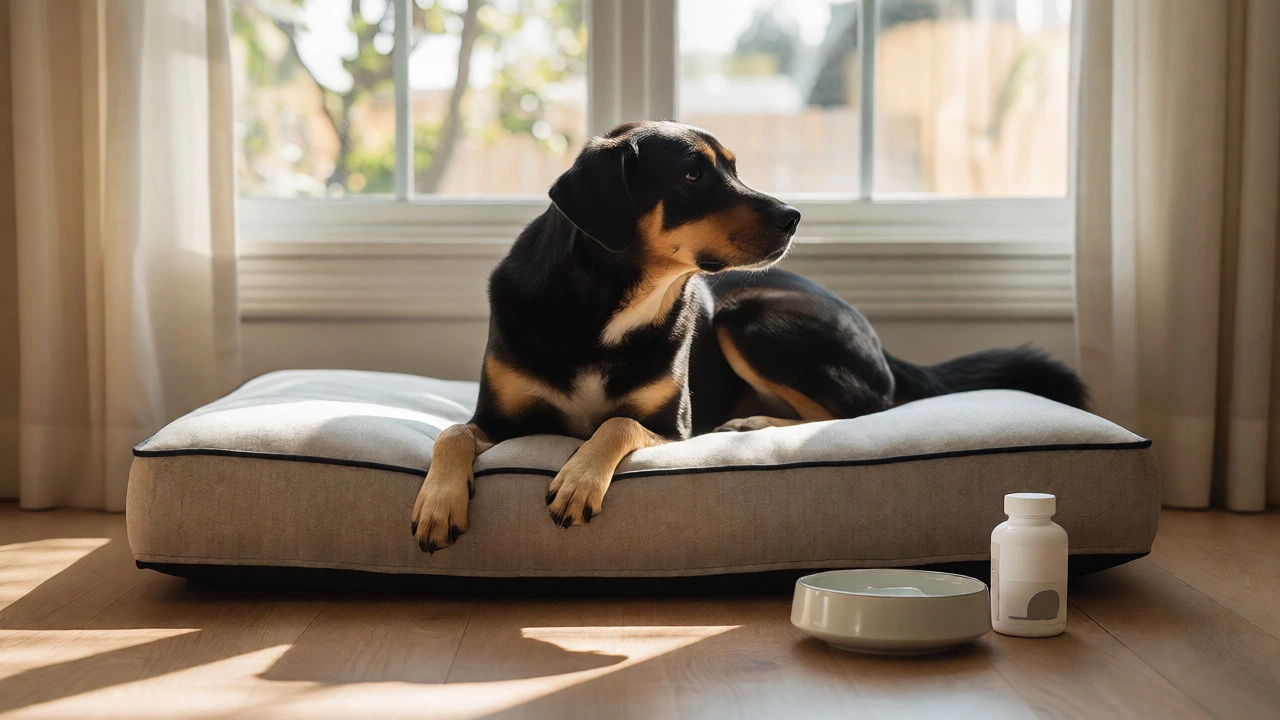
Try swapping out their bedding for a orthopedic dog bed. These beds use high-density foam to support joints evenly. Many owners report that after switching to orthopedic support, the excessive spinning drops significantly because the dog feels physically secure immediately upon lying down.
When to See the Vet
How do you distinguish between a quirky habit and a health crisis? Use the "Change Test." Has the behavior changed recently? Did it start after a fall, a long hike, or a change in diet?
| Behavior Type | Description | Potential Cause |
|---|---|---|
| Normal Ritual | 1-3 slow, deliberate turns; settles quickly; relaxed posture. | Instinctive nesting; comfort seeking. |
| Anxiety Spin | Rapid spinning; panting; looking at owner; refuses to lie down initially. | Stress; separation anxiety; loud noises (thunder/fireworks). |
| Pain Spin | Hesitant movements; yelping; stiffness after lying down; limping when rising. | Arthritis; injury; disc disease. |
| Cognitive Dysfunction | Disoriented spinning; staring at walls; getting stuck in corners; day-night reversal. | Canine Cognitive Dysfunction Syndrome (CCDS); similar to dementia in humans. |
If you notice signs of pain or cognitive decline, a vet visit is non-negotiable. For senior dogs, vets often recommend a combination of physical therapy, weight management, and targeted joint supplements. Omega-3 fatty acids, for instance, are powerful anti-inflammatories that can help lubricate stiff joints, making the act of turning and lying down less painful.
Supporting Your Dog’s Sleep Quality
Sleep is vital for your dog’s immune system and mental health. If they aren’t sleeping well, they become irritable, less trainable, and more prone to illness. Since we can’t ask them how they feel, we have to observe and adapt.
Start with the basics. Ensure their resting area is quiet, draft-free, and accessible. If your dog struggles to jump onto a couch or bed, provide a ramp. Reducing the impact of jumping protects their spine and hips. Next, consider their nutrition. Hydration plays a role in joint lubrication. Make sure fresh water is always available.
For many pet parents, adding a daily supplement routine is a game-changer. Look for products backed by veterinary science. Ingredients like MSM (Methylsulfonylmethane) and green-lipped mussel extract are popular in New Zealand due to local sourcing standards. These natural compounds help maintain connective tissue integrity. Remember, consistency is key. Supplements aren’t magic pills; they build up over weeks. Give it 4-6 weeks to see real changes in your dog’s mobility and sleep patterns.
Frequently Asked Questions
Do all dogs turn around before lying down?
No, not all dogs do it, and those that do may vary in frequency. While it is a widespread instinct inherited from wolves, individual personality plays a huge role. Some dogs are naturally lazier or more adaptable and will flop down anywhere without ceremony. Others are meticulous and will insist on perfecting their spot. As long as the dog is comfortable and healthy, both behaviors are normal.
Is my dog anxious if they spin too much?
Excessive spinning can indicate anxiety, but it can also indicate pain. To tell the difference, look for other stress signals like yawning, lip licking, or pacing. If the spinning happens primarily at night or when left alone, anxiety is likely. If it happens every time they try to rest, regardless of the situation, physical discomfort is the more probable cause. Addressing the root cause-whether through training for anxiety or supplements for pain-is essential.
Can dog supplements really help with circling?
Supplements won't stop the instinctual spin, but they can stop the *pain-induced* spin. If your dog circles because their joints hurt when they shift positions, supplements like glucosamine, chondroitin, and omega-3s can reduce inflammation and improve mobility. Over time, this makes lying down easier and less painful, which may reduce the frantic nature of the circling. Always consult your vet before starting any new supplement regimen.
Should I stop my dog from spinning?
Generally, no. Unless the spinning is causing them distress or injury, let them complete the ritual. Interrupting a dog mid-spin can increase their stress levels. They need to finish the process to feel secure enough to relax. Think of it like you needing to fluff your pillow before sleeping-it’s part of the transition into rest mode.
What kind of bed is best for a dog that spins a lot?
Orthopedic memory foam beds are ideal for dogs that spin excessively, especially seniors. The firm yet contouring support helps stabilize their joints, reducing the need to constantly adjust their position. Avoid beds that are too fluffy or low-quality, as these can collapse under weight, causing the dog to sink and struggle to get comfortable, leading to more spinning.