Cat Body Language Checker
Understand Your Cat's Signals
Select behaviors you observe. This tool analyzes your cat's communication based on scientific research about feline touch sensitivity.
Your Cat's Communication
Ever tried giving your cat a belly rub and ended up with scratches instead? You’re not alone. Most cat owners think their feline friend is just being moody-until they learn how deeply sensitive a cat’s belly really is. This isn’t about defiance. It’s biology. And it’s tied to something far more basic than you’d expect: survival.
Why the Belly Is a No-Go Zone
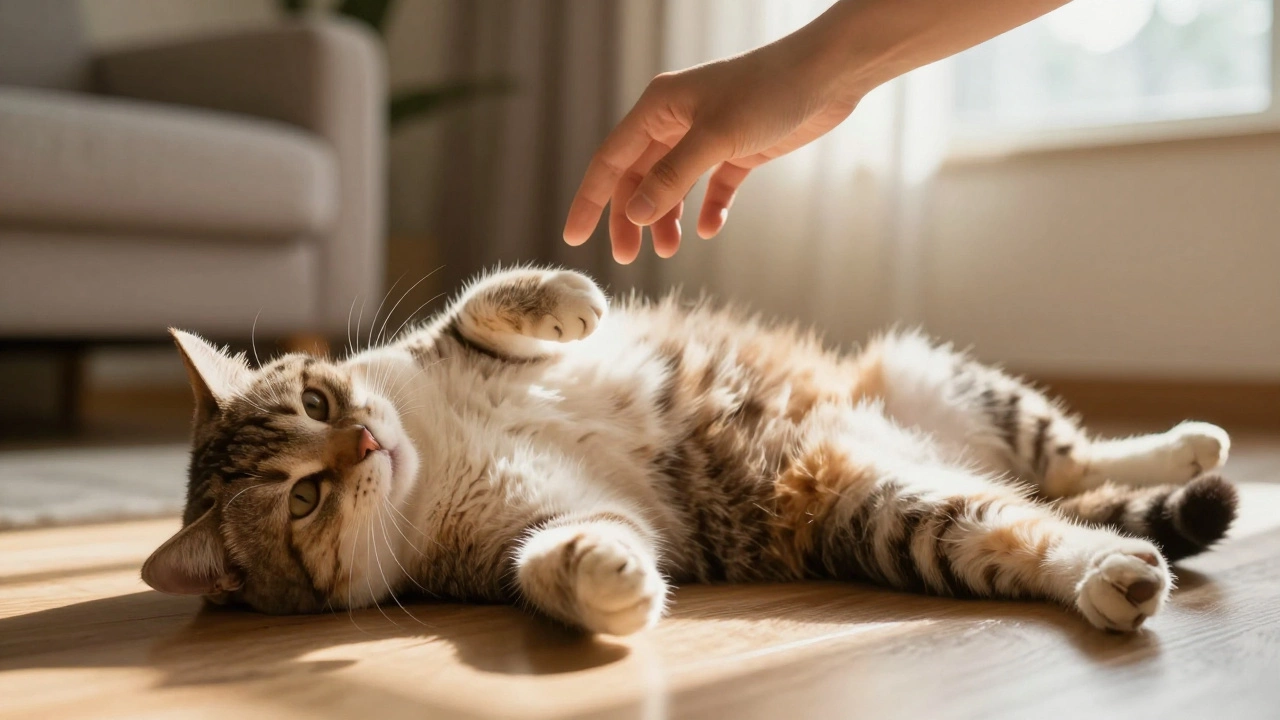
Cats aren’t dogs. They don’t roll over to say ‘I trust you.’ When a cat exposes its belly, it’s not an invitation-it’s a vulnerability. In the wild, a cat’s belly is one of its most exposed areas. It’s packed with vital organs, thin skin, and nerve endings that are hypersensitive to touch. A predator could strike there in seconds. So when your cat lies on its back, it’s often a sign of relaxation, not a plea for pets.
Studies from the University of California, Davis, found that over 70% of domestic cats show stress signals-like tail flicking, ear flattening, or sudden stillness-when touched on the abdomen, even if they seem calm beforehand. These aren’t random reactions. They’re hardwired. The belly is a neurological hotspot. Too much stimulation triggers a defensive reflex, not a pleasure response.
What Cats Actually Like to Be Petted
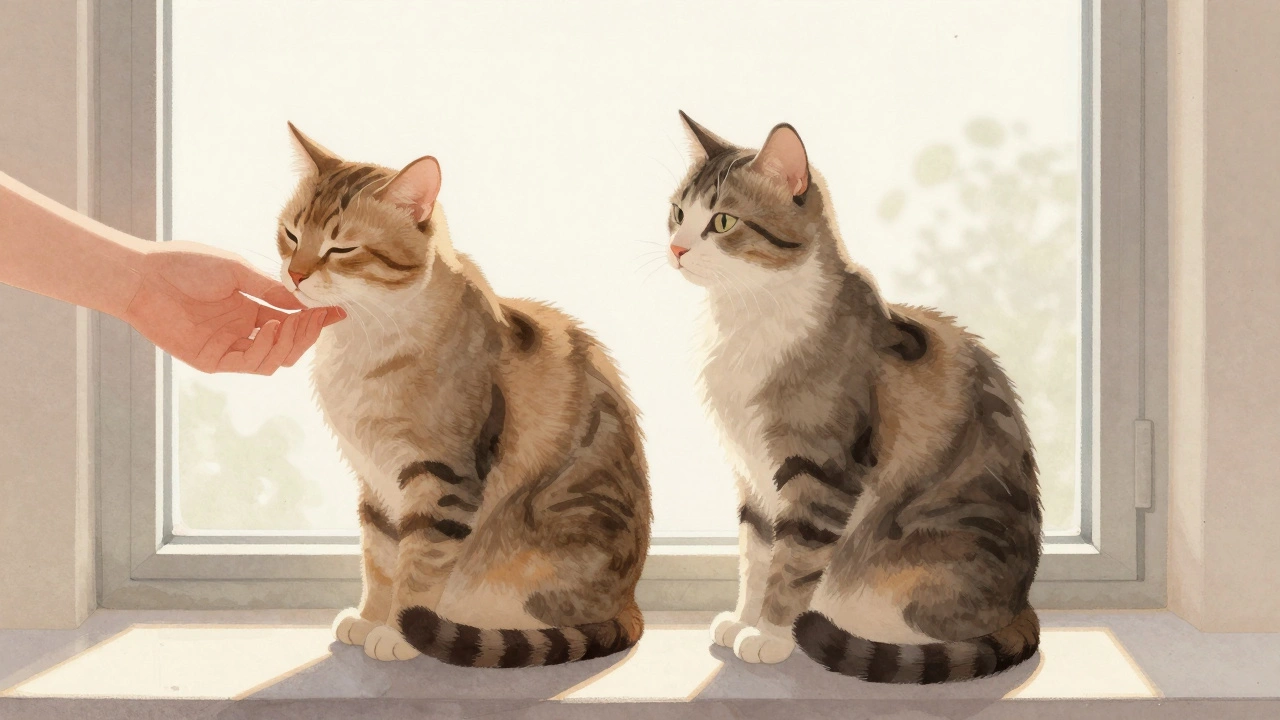
If not the belly, then where? Most cats enjoy pressure on areas where scent glands are concentrated: the cheeks, under the chin, and along the base of the tail. These spots are where cats rub against each other to exchange pheromones and mark territory. When you gently stroke those areas, you’re mimicking social bonding, not violating personal space.
Try this: sit quietly next to your cat and offer the back of your finger to their cheek. If they lean in, purr, or blink slowly, they’re saying yes. If they turn away or walk off, respect that. Cats communicate through body language, not words. And unlike dogs, they don’t need constant physical affection to feel secure.
The Myth of the ‘Cuddly Cat’
Some cats do seem to enjoy belly rubs. But those are the exceptions-not the rule. A 2023 survey of over 2,000 cat owners in New Zealand and Australia found that fewer than 12% of cats consistently tolerated or seemed to enjoy abdominal contact. Of those, most had been gently introduced to touch from kittenhood, and even then, they showed signs of stress if the rub lasted longer than 10 seconds.
What you’re seeing isn’t enjoyment. It’s learned tolerance. These cats have learned that resisting leads to more handling, so they freeze it out. That’s not love. That’s survival. And it’s why you should never force a belly rub, even if your cat seems to be ‘asking’ for it by rolling over.
How Stress Shows Up in Cats
Cats don’t bark or whine when they’re uncomfortable. They go quiet. Their pupils dilate. Their tail puffs. Their ears swivel backward. Their breathing gets shallow. These are stress signals, not signs of play. If your cat suddenly freezes mid-pet, or if their tail starts lashing, that’s your cue to stop.
Repeatedly ignoring these signals can damage trust. A 2024 study from the Royal Veterinary College in London showed that cats subjected to unwanted touching were more likely to develop avoidance behaviors-like hiding when guests came over, refusing to sit near people, or even urinating outside the litter box. It’s not spite. It’s fear.
What to Do Instead
Build trust through choice, not control. Let your cat come to you. Offer treats near your hand. Use feather toys to encourage interaction without direct contact. If your cat curls up beside you, let them. Don’t reach for their belly. If they nudge your hand with their head, that’s their way of saying ‘I’m happy.’ That’s enough.
Respect their boundaries, and you’ll get something better than a belly rub: a cat that chooses to be near you. Not because they have to, but because they want to.
When to Worry
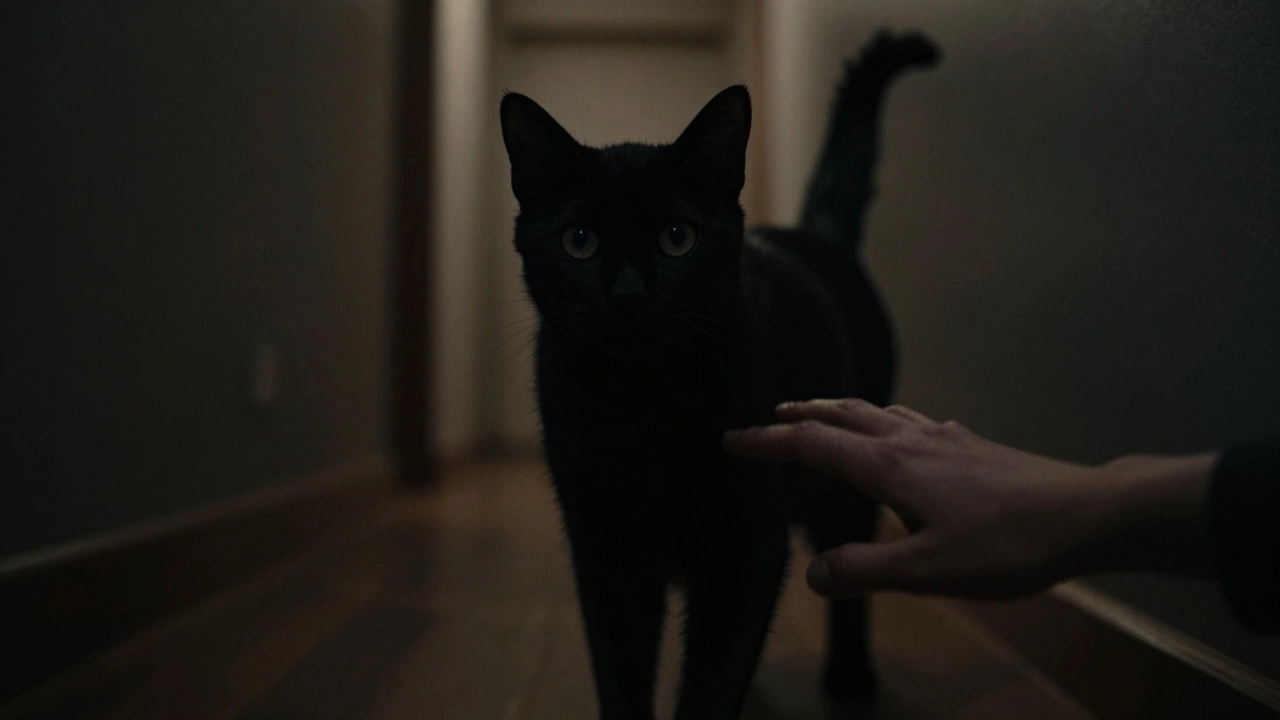
There’s one exception: if your cat suddenly starts avoiding touch everywhere-not just the belly-this could signal pain or illness. Cats are masters at hiding discomfort. A sudden shift in behavior, like flinching when petted on the back or refusing to be handled, might mean arthritis, skin allergies, or even internal pain. If this happens, schedule a vet check. It’s not about being ‘touchy.’ It might be medical.
Final Thought: Love Them on Their Terms
Cats don’t need to be hugged to feel loved. They need to feel safe. And the safest place for them isn’t your lap with your hands on their stomach. It’s the sunbeam on the windowsill, the quiet corner behind the couch, or the spot where they can see the door and still feel in control.
You don’t need to rub their belly to prove you care. Just be there. Let them decide when and how they want to connect. That’s the kind of love cats understand.
Why does my cat roll over if they hate belly rubs?
Rolling over is often a sign of trust, not a request for touch. In the wild, cats only expose their vulnerable underside when they feel completely safe. It’s a way of saying, ‘I’m relaxed around you.’ But that doesn’t mean they want you to touch them there. It’s like someone smiling at you-you don’t automatically hug them.
Can I train my cat to like belly rubs?
You can’t train a cat to enjoy something that goes against their biology. Forcing belly rubs will only create anxiety. Some cats may learn to tolerate it if introduced slowly as kittens, but even then, they rarely enjoy it. Focus on petting areas they naturally seek out-like the chin and cheeks-instead.
Do all cats hate belly rubs?
Most do. A 2023 study of over 2,000 cats found that fewer than 12% consistently tolerated belly touches. Even those cats showed signs of stress. What looks like enjoyment-purring, relaxed posture-is often just a freeze response. Purring in cats can mean comfort… or extreme anxiety.
What if my cat bites or scratches when I touch their belly?
That’s their way of saying ‘stop.’ It’s not aggression-it’s self-defense. Cats have a low tolerance for sudden or prolonged touch in sensitive areas. If you’ve been ignoring their body language, they’ve learned that saying no doesn’t work. Respect the bite. It’s communication, not rebellion.
Is there a way to bond with my cat without touching them?
Absolutely. Play with wand toys, offer treats, sit quietly nearby, and let them approach you. Talk softly. Blink slowly at them-that’s a cat’s version of a kiss. Many cats bond more deeply with owners who respect their space than those who try to hug them constantly. Presence matters more than touch.