Dog Grooming Cost Estimator
Estimated Total Cost
Based on average New Zealand market rates.
Where your money goes:
-
Labor & Expertise
~45% of total $0.00 -
Overhead (Rent/Utilities)
~25% of total $0.00 -
Supplies & Equipment
~15% of total $0.00 -
Insurance & Licensing
~10% of total $0.00 -
Profit Margin
~5% of total $0.00
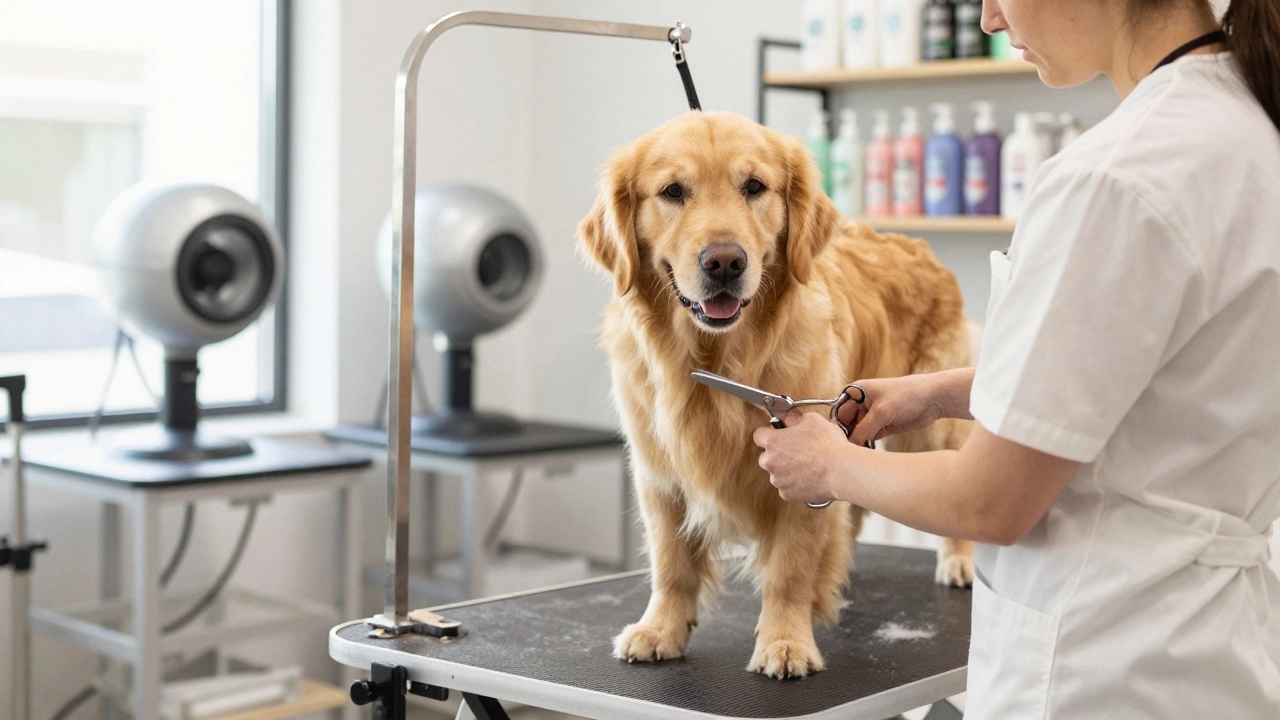
You hand over your fluffy companion, walk away for a few hours, and come back to see a bill that makes you wince. A basic bath and trim can easily run you $60 to $100, or even more for larger breeds. It feels like paying a premium just to get the mats out. But here is the thing: if you think you are just paying for water, shampoo, and a pair of scissors, you are missing half the picture.
The price tag on professional dog grooming is a service that combines specialized labor, expensive equipment maintenance, insurance liabilities, and high operational overhead reflects a complex business model. It isn't greed; it's survival in an industry with razor-thin margins and high risks. Understanding where your money goes helps you appreciate the service and maybe even find ways to save without compromising your dog's safety.
The Hidden Overhead of a Grooming Salon
When you visit a coffee shop, you pay for the beans and the milk. You also pay for the rent, the barista's wage, the electricity, and the marketing. A grooming salon operates on a similar principle, but the "rent" and "wages" are significantly higher relative to the service time.
Groomers operate in commercial spaces that require specific infrastructure. They need industrial-strength ventilation systems to handle hair dust and chemical fumes from shampoos. They need heavy-duty plumbing to handle large volumes of water and waste. In many cities, including places like Wellington or Auckland, commercial rent for a space with these utilities is steep. This cost is baked into every single appointment.
Then there is the equipment. Professional grooming tables, dryers, and clippers aren't cheap consumer gadgets. A high-quality dryer alone can cost over $1,000 NZD. Clippers wear down quickly and need frequent blade replacements. If a groomer uses cheap tools, they risk injuring your dog or doing a poor job, which leads to lost business. You are paying for reliability and precision.
- Rent and Utilities: Commercial space with specialized plumbing and ventilation.
- Equipment Maintenance: Regular replacement of blades, cords, and dryer filters.
- Supplies: High-grade shampoos, conditioners, and sanitizers that are safe for animals.
Labor Intensity and Skill Level
Grooming is physically demanding work. Imagine holding a 30kg Golden Retriever still while carefully trimming around its eyes and paws. Now imagine doing that eight times a day. Groomers often suffer from back pain, wrist strain, and repetitive stress injuries. The turnover rate in this industry is high because the physical toll is real.
Skill takes time to develop. An experienced groomer knows how to handle a nervous dog, recognize skin conditions early, and cut hair evenly without nicks. This expertise doesn't happen overnight. Many groomers undergo formal training programs or apprenticeships. When you hire a pro, you are paying for years of practice and judgment calls that prevent accidents.
Consider the time factor. A small dog might take 45 minutes, but a large, matted breed could take three hours. The groomer cannot book another client during that time. Their hourly rate must cover not just the active grooming time, but also the cleaning between clients, the administrative work, and the days off they don't get paid for.
| Cost Factor | Estimated Percentage of Price | Description |
|---|---|---|
| Labor & Expertise | 40-50% | Wages, skill level, and physical effort involved. |
| Overhead (Rent/Utilities) | 20-25% | Commercial lease, water, electricity, and heating. |
| Supplies & Equipment | 10-15% | Shampoos, towels, blade replacements, and tool maintenance. |
| Insurance & Licensing | 5-10% | Liability coverage, business licenses, and health checks. |
| Profit Margin | 5-10% | Reinvestment into the business and owner compensation. |
Insurance and Liability Risks
This is the silent killer of pricing. Every time a groomer touches a dog, there is a risk. Dogs can bite, kick, or have sudden medical episodes. Even with careful handling, accidents happen. A slip on a wet floor, a nick from a clipper, or an allergic reaction to shampoo can lead to lawsuits.
Professional liability insurance is non-negotiable for reputable groomers. These policies are expensive because the risk is high. If a groomer offers lower prices by skipping insurance, they are cutting corners that could leave you vulnerable. The premium protects both the groomer and the client. It ensures that if something goes wrong, there is financial backing to cover veterinary bills or damages.
In New Zealand, while mandatory insurance requirements vary, most professional salons carry comprehensive coverage. This cost is distributed across all appointments. You are essentially paying a small fee for peace of mind that your dog is in a protected environment.
Breed-Specific Complexity
Not all dogs are created equal when it comes to grooming. A short-haired Labrador needs a bath and a brush-out. That’s straightforward. A Poodle, Bichon Frise, or Shih Tzu requires scissoring, detailed face work, and regular de-matting. This takes twice as long and requires a higher skill level.
Groomers often price based on breed and coat condition. If your dog has severe matting, the groomer may need to shave them down completely, which is emotionally difficult for owners but necessary for the dog's comfort. Some groomers charge extra for "mats" because it increases the risk of injury and extends the appointment time significantly.
Size matters too, but not always linearly. A giant Great Dane might be easier to bathe than a tiny, squirmy Chihuahua that hides under the table. However, generally, larger dogs use more water, more shampoo, and take longer to dry. Dryers consume significant electricity, so drying a large, double-coated dog adds up fast.
Market Dynamics and Location
Where you live affects what you pay. In urban centers with high living costs, groomers must charge more to survive. Rural areas might have lower rents, but fewer competitors, which can sometimes keep prices stable or even higher due to lack of choice.
Convenience plays a role. Mobile groomers, who come to your home, charge a premium. They cover fuel, vehicle maintenance, and the inefficiency of traveling between jobs. For busy professionals or elderly owners, this convenience is worth the extra cost. Stationary salons benefit from economies of scale but still face local market pressures.
Inflation impacts everything. The cost of goods, energy, and labor rises annually. Groomers who haven't raised their prices in five years are likely struggling or using inferior products. Price increases are often a sign of a business trying to maintain quality rather than cut corners.
How to Save Money Without Sacrificing Quality
You don't have to break the bank to keep your dog looking good. Here are practical strategies to manage grooming costs:
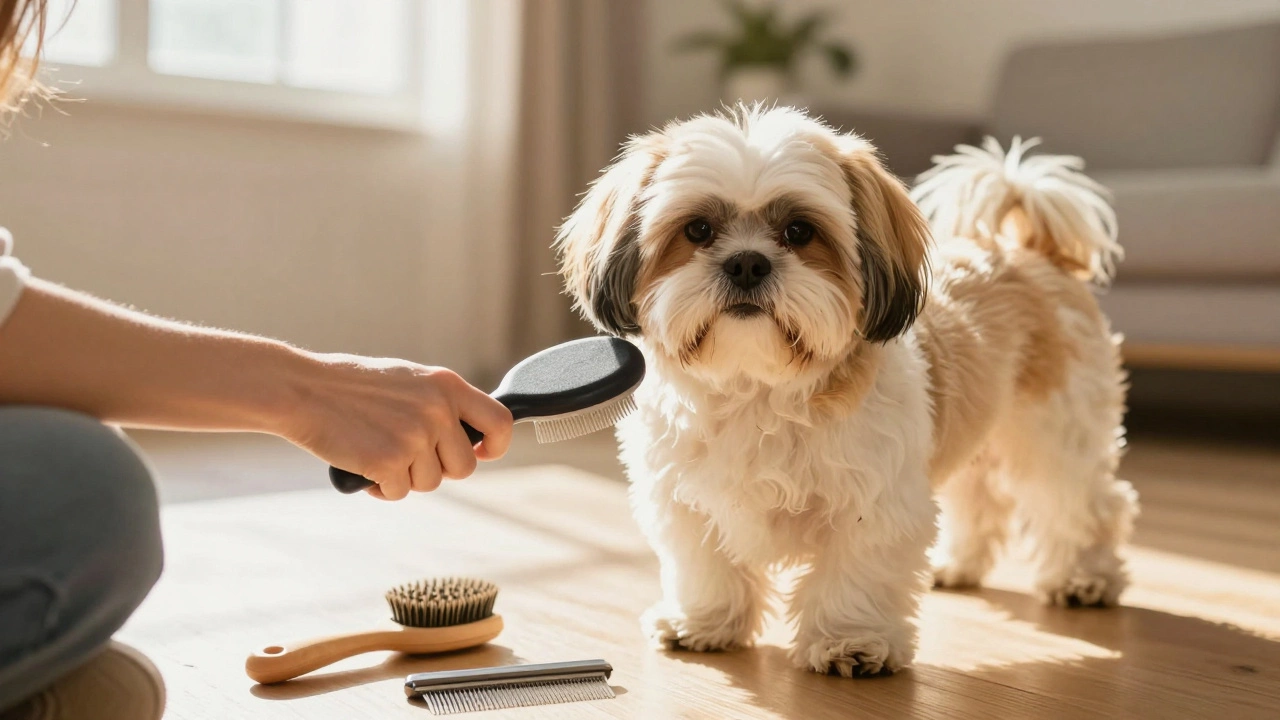
- Maintain Coat at Home: Brush your dog weekly. Removing loose hair and preventing tangles reduces the time needed at the salon. Less matting means lower fees.
- Extend Intervals: Not every dog needs a full groom every four weeks. Discuss a schedule with your groomer. Some breeds do fine with six-week intervals.
- Choose Basic Services: Skip the add-ons like flea baths, blueberry facials, or nail painting unless necessary. Stick to the essentials: bath, haircut, and nails.
- Look for Apprentices: Some salons offer discounts for services performed by trainees under supervision. This is a great way to save while supporting new talent.
- Package Deals: Paying for multiple sessions upfront often unlocks a discount. Check if your groomer offers loyalty programs.
Avoid DIY grooming if your dog is anxious or difficult. One mistake with clippers can lead to expensive vet visits. Professional grooming is an investment in your dog's health and hygiene, not just aesthetics.
Understanding Value Beyond Price
Finally, consider the value you receive. A good groomer acts as a second set of eyes for your dog's health. They notice lumps, bumps, ear infections, and skin irritations early. Early detection can save thousands in veterinary bills later. The cleanliness provided reduces allergens in your home and keeps your dog comfortable.
Expensive doesn't always mean better, but cheap often signals hidden costs or risks. Look for groomers who communicate clearly, show you their workspace, and explain their process. Read reviews focusing on consistency and care, not just price. Your dog deserves safe, skilled hands, and that has a real-world cost.
Is it cheaper to groom my dog myself?
Initially, yes, if you buy basic tools. However, professional clippers, shears, and dryers cost hundreds of dollars. More importantly, improper technique can injure your dog, leading to vet bills that far exceed grooming costs. For simple baths and brushing, DIY is fine. For cuts and de-matting, professionals are safer and often more efficient.
Why does my groomer charge more for matted coats?
Mats pull on the skin, causing pain and increasing the risk of accidental cuts. De-matting requires slow, careful work and specialized tools. It often doubles the appointment time. Some groomers may refuse heavily matted dogs for safety reasons, requiring a full shave instead.
Are mobile groomers worth the extra cost?
For stressed dogs or owners with mobility issues, yes. Mobile grooming eliminates travel stress and waiting room anxiety. The higher price covers fuel, vehicle maintenance, and reduced efficiency from traveling between homes. If convenience and low stress are priorities, it is a valuable investment.
How often should I take my dog to the groomer?
Frequency depends on breed and coat type. Long-haired breeds like Poodles or Shih Tzus typically need grooming every 4-6 weeks. Short-haired breeds may only need a bath and tidy-up every 8-12 weeks. Consult your groomer for a personalized schedule to maintain coat health and control costs.
What questions should I ask before booking?
Ask about their experience with your breed, whether they carry liability insurance, and their policy on aggressive or anxious dogs. Inquire if they use hypoallergenic shampoos and how they handle emergencies. Transparency about pricing and procedures builds trust and ensures you get the right service.