Dog Bed Placement Finder
Answer a few questions about your dog and household to get personalized recommendations for where to place their bed.
Best Location: --
Reasoning will appear here.
Why this spot works:
Important Tips:
Other Good Options:
You just bought the perfect orthopedic mattress for your pup. It’s plush, it’s durable, and you paid good money for it. So where do you put it? You drop it in the corner of the living room, expecting instant bliss. Instead, your dog sniffs it once, walks around it three times, and decides to sleep on the cold tile floor or the sofa armrest. Sound familiar?
Choosing where to place a dog bed isn’t just about aesthetics or hiding an ugly cushion behind the couch. It’s a behavioral decision that impacts your dog’s anxiety levels, joint health, and overall sense of security. Dogs are den animals by nature. They crave a specific spot that feels safe, warm, and socially connected, yet private enough to rest without being stepped on. If you get the location wrong, you’re essentially asking them to sleep in a high-traffic zone or an isolated dungeon.
Understanding Your Dog’s Sleeping Instincts
To pick the right spot, you have to think like a dog, not a human decorator. In the wild, canines don’t sleep in open spaces. They seek out "dens"-small, enclosed areas that protect their vulnerable backs while allowing them to watch for threats. When you place a bed in the middle of a wide-open hallway, you’re exposing their spine to potential danger (or at least, to the vacuum cleaner). Conversely, stuffing them into a dark closet cuts off their social connection to the pack.
The ideal spot balances two competing needs: security and proximity. Your dog wants to know you’re nearby, but they also want a defined boundary that says, "This is my space." This concept is crucial because a poorly placed bed can lead to separation anxiety or territorial aggression. If your dog constantly follows you from room to room, refusing to settle down, it might not be stubbornness-it might be that their current bed location feels unsafe or too distant.
The Living Room: The Social Hub
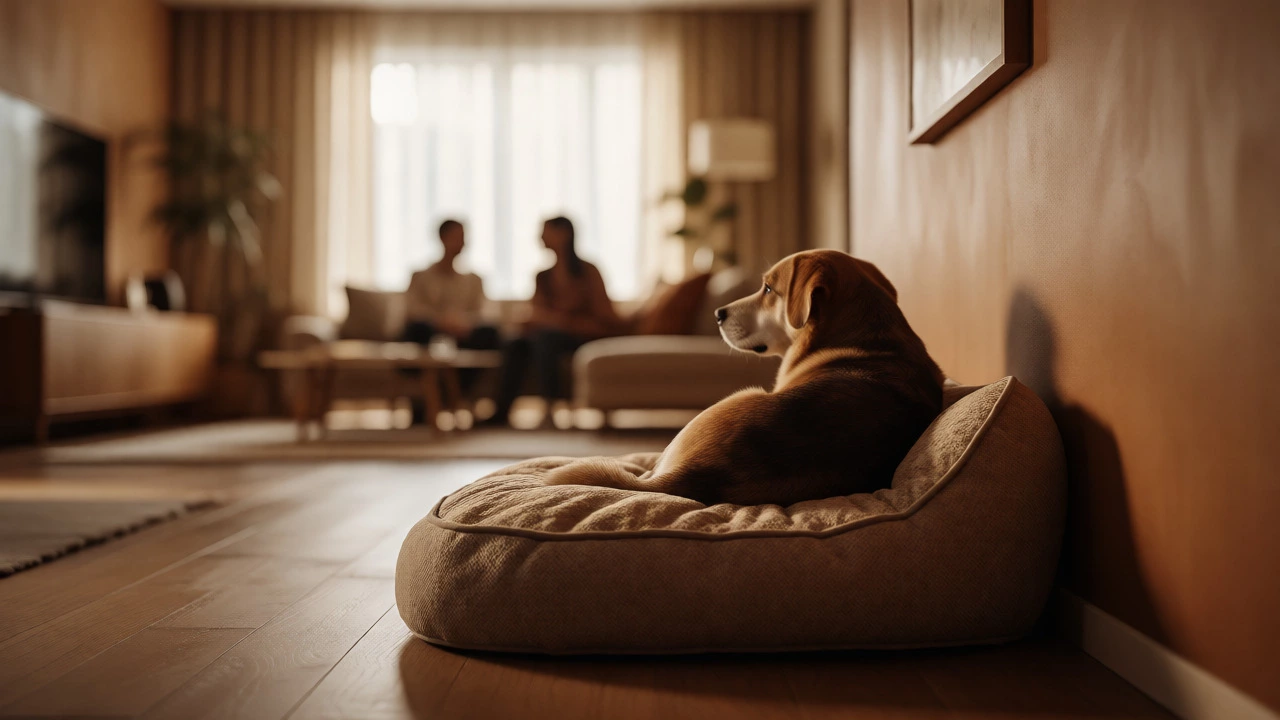
For most households, the living room is the default choice, and for good reason. It’s usually the center of family activity. Placing the bed here satisfies the dog’s need for social contact. However, there is a trap here. If you put the bed directly in the path of foot traffic-say, between the kitchen and the TV-you create a conflict. Every time someone walks past, the dog has to move, stand up, or growl. This leads to irritability.
Instead, look for a "peripheral" spot in the living room. Position the bed against a wall, ideally with its back protected. This mimics the den structure. Ensure the bed faces the main seating area so your dog can see you without having to turn their head awkwardly. This visual connection reduces anxiety significantly. In Wellington homes, where drafts can sneak under doors, ensure this spot isn’t directly in front of an exterior door unless you have excellent insulation.
The Bedroom: For Anxious or Elderly Dogs
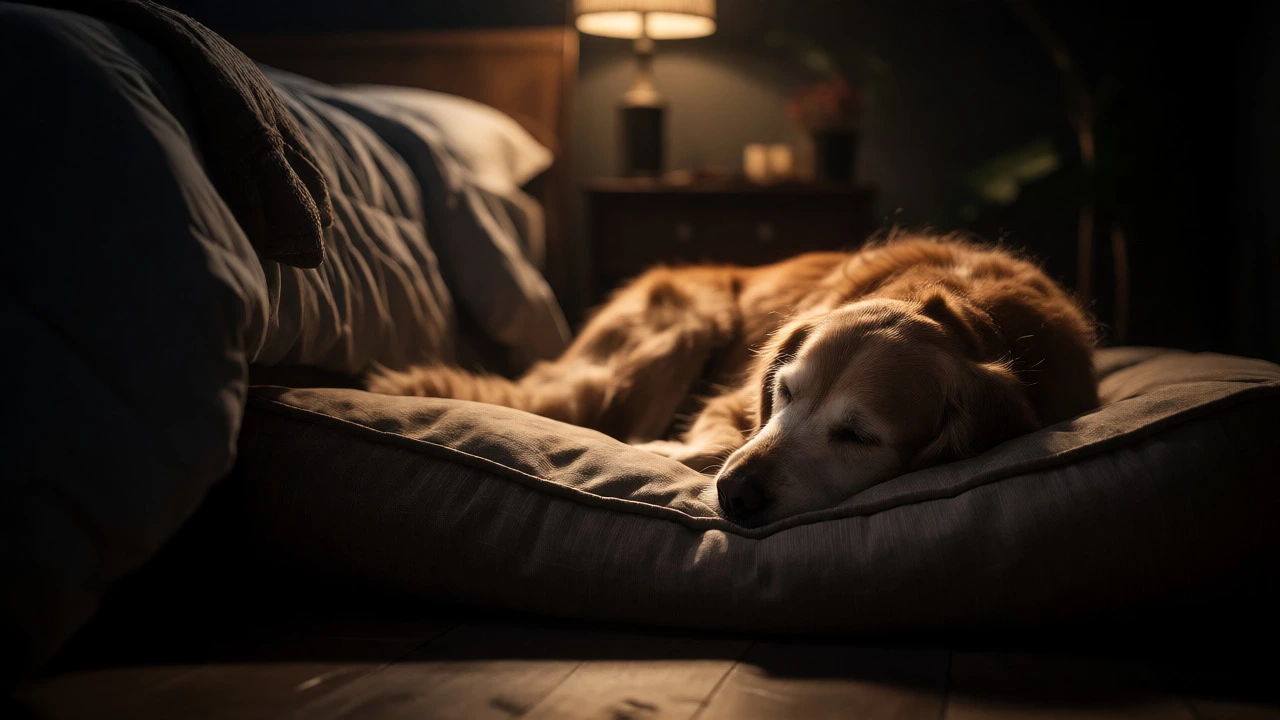
If your dog suffers from noise phobias, thunderstorm anxiety, or simply prefers constant companionship, the bedroom is often the superior choice. Sleeping near humans lowers cortisol levels in dogs. Studies suggest that physical proximity to owners during sleep promotes deeper REM cycles for both species.
However, this comes with caveats. First, hygiene. If you let the dog on the bed itself, you’re dealing with fur and dander. If you keep the dog bed on the floor next to yours, you maintain boundaries while keeping the bond strong. Second, consider your own sleep quality. Does the dog snore? Do they twitch or kick? If you’re a light sleeper, the bedroom might become a source of resentment rather than comfort. For older dogs with arthritis, the bedroom is often best because it’s quiet and free from the daytime chaos of children running through the house.
Kitchen and Hallways: High Traffic Zones
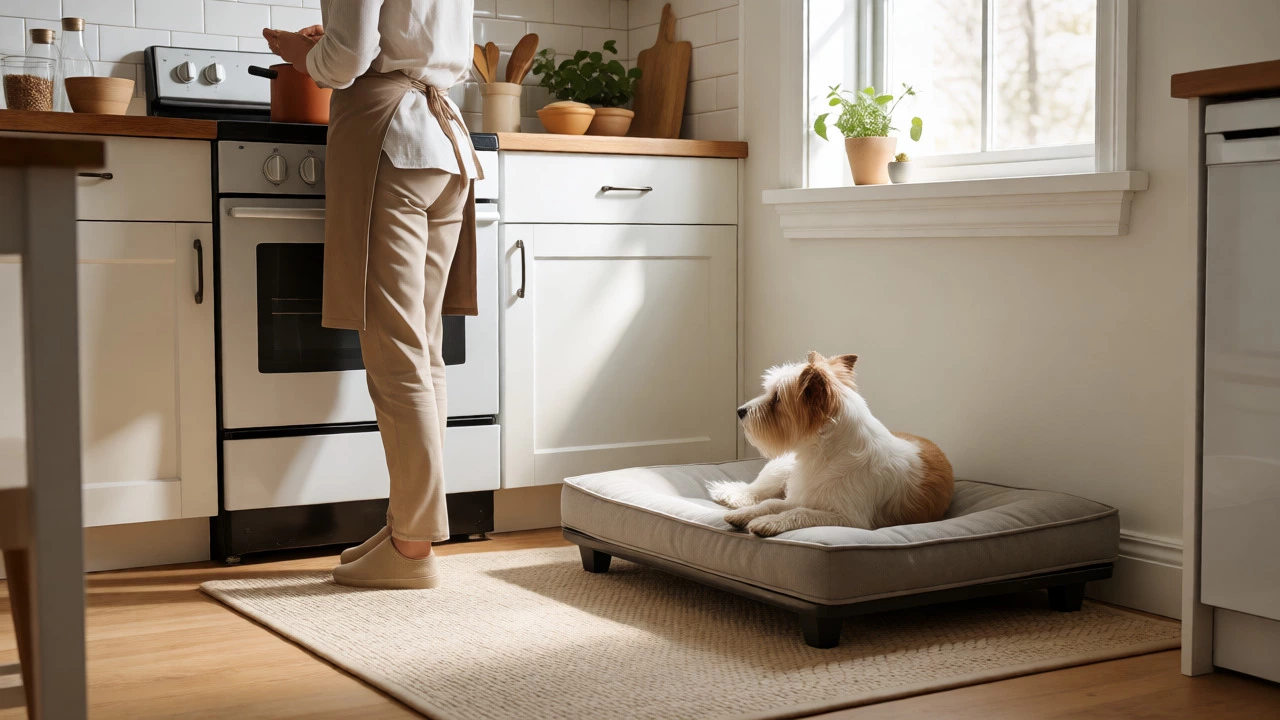
Many people instinctively put beds in the kitchen because that’s where the food bowl is. While convenient, kitchens are hazardous zones for sleeping spots. There’s hot oil, sharp knives, and slippery floors. More importantly, it’s a high-stress area. The sound of pots banging and the smell of cooking can overstimulate a resting dog.
Hallways present a different problem: bottlenecks. A bed in a narrow hallway blocks movement. Unless you have a very wide corridor, avoid placing a large crate or oversized bed here. If you must use a transitional space, choose a landing or a nook where the flow of traffic splits around the bed, rather than forcing people to step over it.
Outdoor Spaces: Patios and Enclosed Yards
In New Zealand, many families enjoy outdoor living. But should the bed go outside? Generally, no, unless we’re talking about a temporary nap station. Outdoor beds expose dogs to temperature extremes, pests like fleas and ticks, and moisture. Even waterproof beds can develop mold if left damp overnight.
There is an exception: working dogs or breeds with thick double coats, like Huskies or Samoyeds, might prefer cooler outdoor spots in summer. If you do place a bed outside, it must be elevated off the ground to prevent dampness and placed in a sheltered area away from direct wind. Never leave a dog outdoors alone overnight in winter without proper heating, as hypothermia is a real risk even for hardy breeds.
Factors That Ruin a Good Spot
Even if you pick the right room, small environmental factors can make a bed unusable. Here is what kills a sleeping spot:
- Drafts: Cold air moving across the floor chills joints. Avoid placing beds directly under AC vents or in front of single-glazed windows.
- Sunlight: While sunbathing is fun, a bed baking in direct afternoon sun becomes uncomfortable. Look for indirect light.
- Noise Sources: Proximity to washing machines, dryers, or loud televisions prevents deep sleep. Dogs need silence to enter restorative sleep stages.
- Slippery Floors: Hardwood or tile floors without rugs cause dogs to slide when getting up, which discourages them from using the bed.
How to Transition Your Dog to a New Bed Location
Once you’ve chosen the new spot, don’t expect immediate acceptance. Dogs rely on scent and routine. Moving the bed disrupts their mental map of the house. To ease the transition, use positive reinforcement. Place a few treats on the new bed and encourage your dog to investigate. Use a command like "Go to bed" and reward compliance.
Keep the old bed in its original spot for a week or two if possible, gradually moving it closer to the new location each day. This gradual shift helps the dog associate the new environment with safety. If your dog refuses the new spot after two weeks, reassess the location. Is it too noisy? Too far from the family? Listen to their behavior-they are the ultimate judges of comfort.
Placement Checklist for Success
| Location | Best For | Potential Issue | Mitigation Tip |
|---|---|---|---|
| Living Room Corner | Social dogs, puppies | Traffic congestion | Place against a wall, facing the room |
| Master Bedroom | Anxious, elderly, or companion dogs | Allergens, sleep disruption | Use washable covers; keep on floor |
| Home Office | Remote workers, calm breeds | Distraction from work calls | Ensure dog is trained to stay quietly |
| Kitchen Nook | Food-motivated dogs | Heat, spills, high activity | Keep away from stove and sink |
| Enclosed Patio | Short-haired breeds in summer | Weather, pests | Elevate bed; bring inside at night |
Final Thoughts on Comfort and Security
There is no single "correct" answer for every dog. A terrier might want to burrow under a desk in a quiet study, while a Golden Retriever wants to sprawl in the middle of the lounge. Observe your dog’s natural tendencies. Where do they curl up when you aren’t looking? Start there. Move the bed to that general area, refine the spot based on traffic flow, and monitor their reaction.
Remember, the goal is a happy, rested dog. A well-placed bed reduces stress, improves joint health by ensuring consistent use, and strengthens the bond between you and your pet. Don’t let interior design dictate your dog’s comfort-let their instincts guide the placement.
Should I put my dog’s bed in my bedroom?
It depends on your dog’s personality and your lifestyle. If your dog is anxious, elderly, or prone to nighttime disturbances, the bedroom offers security and warmth. However, if you suffer from allergies or are a light sleeper, it may not be suitable. Many owners find a compromise by placing the bed just outside the bedroom door, allowing the dog to hear and smell you without entering the room.
Why does my dog refuse to sleep in his bed?
Refusal often stems from location issues rather than the bed itself. Check if the spot is drafty, too noisy, or lacks privacy. Some dogs dislike synthetic materials; try adding a blanket with your scent. Additionally, ensure the bed isn’t in a high-traffic area where the dog feels pressured to move constantly. Positive reinforcement training can help reassociate the bed with rewards.
Is it okay to have multiple dog beds in the house?
Yes, especially for multi-dog households or larger homes. Having beds in key areas like the living room, bedroom, and perhaps a quiet study allows the dog to choose based on their mood and the household activity level. This flexibility reduces territorial disputes among multiple pets and ensures the dog always has a comfortable option nearby.
How far from the wall should I place the dog bed?
Ideally, push the bed slightly against the wall or into a corner. Dogs feel more secure when their back is covered. Leaving a gap behind the bed can make some dogs feel exposed and vigilant, preventing them from relaxing fully. If space permits, a corner setup with walls on two sides is often the most comforting configuration.
Can I put a dog bed in the bathroom?
Generally, no. Bathrooms are humid, cold, and often contain chemicals like cleaning products that can be irritating to a dog’s respiratory system. The hard tile floors also lack insulation, making the bed cold in winter. Unless you have a heated bathroom floor and excellent ventilation, it’s better to choose a warmer, drier room.