Dog Bed Health & Safety Checker
Check all the signs that apply to your dog's current bed. We'll analyze if it's time for a replacement.
Support & Comfort
Hygiene & Safety
Assessment Result
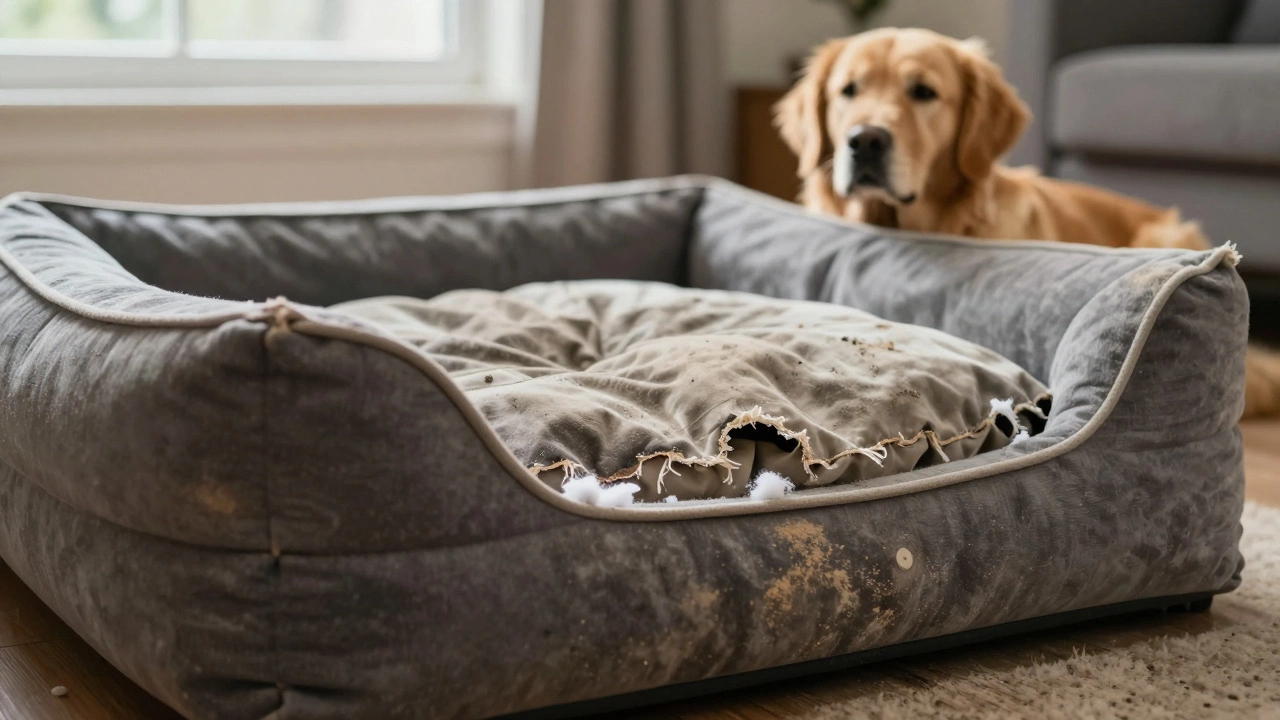
Calculating...You probably think your dog loves that old, flattened pillow in the corner, but the truth is they might be sleeping on a health hazard. Most of us wait until a bed is literally ripped open with stuffing flying everywhere before we buy a new one, but by then, the bed has likely been failing your pet for months. Knowing exactly when to toss a bed isn't just about aesthetics-it's about joint support and respiratory health.
Quick Signs Your Dog Bed Needs to Go
- The stuffing is clumped or completely flat with no "bounce back."
- There is a permanent smell that doesn't vanish after a deep wash.
- Visible holes, frayed seams, or missing foam chunks.
- Your dog spends more time circling or adjusting than actually settling.
- Signs of mold, mildew, or heavy allergen buildup.
Let's get into the specifics. replace dog bed is more than a shopping trip; it's a maintenance step for your pet's wellness. A dog bed is a specialized piece of pet furniture designed to provide comfort, warmth, and joint support. When the materials break down, the bed stops being a tool for recovery and starts becoming a source of discomfort.
The Support Test: When the Foam Fails
If you have an older dog or a breed prone to hip issues, you're likely using Orthopedic Dog Beds is bedding that utilizes high-density memory foam to distribute weight evenly and reduce pressure on joints. These are great, but they have a shelf life. Memory foam doesn't last forever; it eventually loses its "cellular memory."
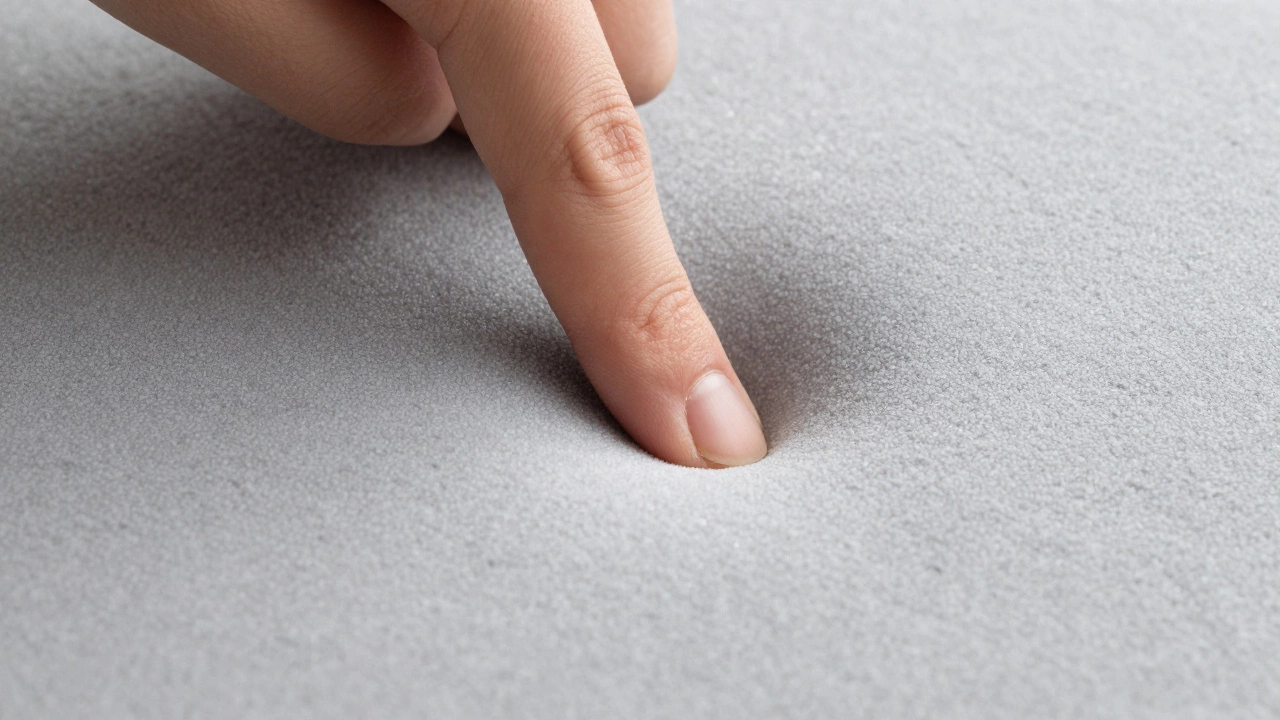
Try the finger test: press your thumb firmly into the center of the bed. If the indentation stays there for more than a few seconds, or if you can feel the hard floor beneath the foam, the bed is dead. For a 60-pound Golden Retriever, a collapsed bed means their joints are pressing directly against the hardwood or tile, which can exacerbate arthritis or cause soreness. If you see your dog struggling to get up or limping after a long nap, the bed is likely the culprit.
The Hygiene Red Flags: More Than Just a Smell
Dogs bring in everything from mud and pollen to dead bugs and street grime. Over time, these particles embed themselves deep into the filling. While a removable cover is great, the inner core-often made of Polyfill is a synthetic polyester fiber used as stuffing in cushions and pillows-can become a breeding ground for bacteria and dust mites.
Ask yourself: does the bed smell "doggy" even after you've washed the cover? If so, the odors have seeped into the core. This isn't just about the smell; it's about Allergens is substances that cause an allergic reaction, such as pet dander or environmental pollen. For dogs with sensitive skin or respiratory issues, sleeping on a bed full of old dander and mold spores can trigger itching or coughing. If you notice your dog scratching more often after waking up, it's time to toss the old bed and sanitize the area.
Physical Damage and Safety Risks
Some dogs are "diggers." They scratch and circle before lying down, which is a natural instinct. However, this leads to wear and tear. When a seam rips, you're dealing with more than just a mess. Many cheap beds use Polyester Fiber is a common synthetic material used in affordable pet bedding that can be dangerous if ingested.
If your dog starts chewing on the loose threads or pulling out clumps of foam, the bed has become a choking hazard. I've seen dogs swallow foam bits that lead to gastrointestinal blockages, requiring expensive vet visits. Once the structural integrity of the fabric is gone, the bed is no longer safe. Don't try to sew it back together if the fabric is thinning across the whole surface; just replace it.
| Material Type | Expected Life | Main Failure Point | Best For |
|---|---|---|---|
| Standard Polyfill | 6-12 Months | Clumping/Flattening | Puppies, Light Sleepers |
| Memory Foam | 2-4 Years | Loss of Density | Seniors, Large Breeds |
| Egg-Crate Foam | 1-2 Years | Compression | Cooling, General Use |
| Self-Warming/Fleece | 1-2 Years | Matting/Pilling | Winter, Short-Haired Dogs |
Choosing the Right Replacement
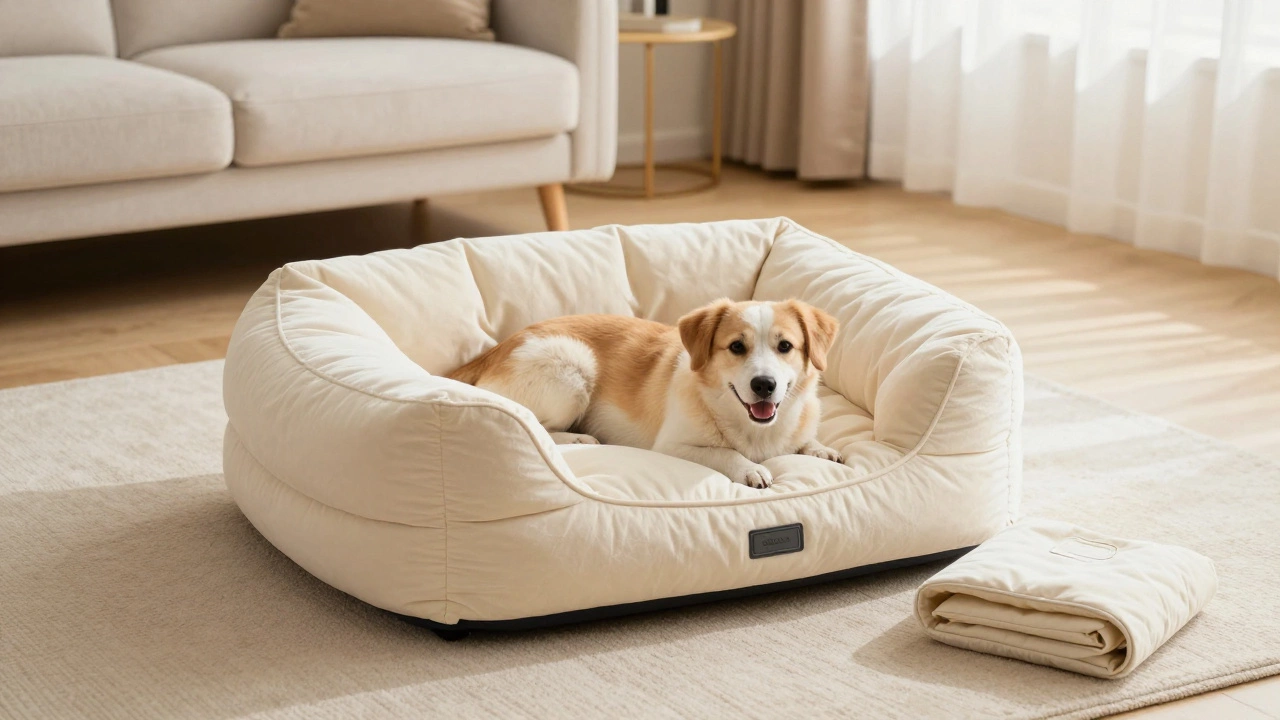
When you finally toss the old one, don't just grab the cheapest option. Consider your dog's specific needs. For example, Donut Beds is round, bolstered beds designed to provide a sense of security and warmth. These are fantastic for anxious dogs or "curlers," but they aren't great for dogs that stretch out completely. If your dog sleeps like a human, go for a rectangular orthopedic mattress.
Look for beds with Removable Covers is detachable outer fabrics that can be machine washed to maintain hygiene. This significantly extends the life of the bed because you can keep the surface clean without ruining the inner foam in a washing machine. Also, check for waterproof liners; these prevent moisture from reaching the foam, which is the number one cause of mold growth.
How to Dispose of Your Old Bed
Don't just throw a giant foam mattress in the trash if you can avoid it. Most foam isn't biodegradable and will sit in a landfill for decades. If the bed is still structurally sound but just "ugly," consider donating it to a local shelter. However, be honest-if it's flat and smells, the shelter doesn't need it. Many cities have textile recycling programs that can handle the fabric parts, while specialty foam recyclers can take the interior.
Can't I just add more stuffing to an old bed?
Generally, no. If the original stuffing has clumped or the memory foam has collapsed, adding more fluff won't fix the underlying lack of support. You'll end up with a bed that has "lumps," which can actually create pressure points on your dog's skin and joints.
How often should I wash a dog bed?
You should wash the removable cover every two weeks. If the bed doesn't have a cover, vacuum it thoroughly once a week and consider a deep clean every month. This prevents the buildup of dander and oils that degrade the fabric over time.
Does the material of the bed affect my dog's health?
Yes. Low-quality foams can sometimes off-gas chemicals (VOCs) that irritate a dog's respiratory system. Choosing CertiPUR-US certified foams ensures that the materials are made without harmful chemicals and are lower in emissions.
What if my dog refuses to sleep on a new bed?
Dogs are creatures of habit. If they love their old, gross bed, try placing the new bed in the same spot and rubbing a piece of the old bedding (or a t-shirt you've worn) onto the new one. This transfers the familiar scent and makes the transition easier.
Are expensive beds actually better?
Not always, but usually when it comes to the foam. A $20 bed is usually just polyester fill, which flattens quickly. A higher-end orthopedic bed uses actual high-density foam that supports the skeletal structure, which is a legitimate health benefit for older dogs.
Next Steps for Your Dog's Comfort
Now that you know when to toss the old bed, take a look at where your dog spends most of their time. If they've started sleeping on the cold kitchen tile instead of their bed, it's a huge sign that the bed is no longer comfortable. When shopping for the next one, prioritize a washable cover and a foam density that matches your dog's weight. A Great Dane needs vastly different support than a Chihuahua.