
Crate vs. Bed Transition Assessment
Check all the signs you have observed in your dog recently to see if it's time to transition from a crate to an open orthopedic bed.
Recommendation:
Score: 0Quick Guide: Is it time to ditch the crate?
- Puppy Stage: Crates are essential for safety and potty training.
- Adult Stage: Optional. If they love it, let them stay.
- Senior Stage: Often becomes a risk due to joint stiffness and arthritis.
The Truth About the "Magic Age"
You won't find a scientific paper that says "at 7 years old, stop using crates." Every dog is different. A 10-year-old Chihuahua might be perfectly happy in a small crate, while a 6-year-old Great Dane might start feeling the pinch of a cramped space. The move away from a crate usually happens when the physical cost of using it outweighs the mental comfort it provides.
Think about the physical toll. For a young dog, jumping into a crate is a non-issue. But as dogs enter their senior years, they often develop Osteoarthritis, which is a degenerative joint disease characterized by the breakdown of cartilage. When a dog has to squeeze through a narrow door and navigate a hard plastic tray, they're putting unnecessary stress on their joints. If you see your dog "stiffening up" or hesitating before stepping into their crate, that's your cue that the crate is no longer the best option.
Signs Your Dog Outgrew Their Crate
It's not always about age; sometimes it's about behavior. If your dog starts pacing around the crate before lying down, or if they've started chewing the bars more than they did as a puppy, they might be feeling claustrophobic. Some dogs simply outgrow the psychological need for a "den."
Another red flag is the quality of sleep. Crates usually have thin pads. As dogs age, they need more substantial support to prevent pressure sores, especially for breeds prone to skin issues or those with very thin coats. If your dog is waking up frequently or shifting constantly, a high-density foam Orthopedic Dog Bed-which is a specialized bed using memory foam to distribute body weight evenly and reduce joint pressure-is a much better bet.
| Feature | Standard Crate | Orthopedic Dog Bed |
|---|---|---|
| Joint Support | Low (Thin padding) | High (Memory foam/Gel) |
| Accessibility | Restrictive (Door/Bars) | Open (Easy access) |
| Psychological Feel | Secure/Den-like | Comfortable/Open |
| Mobility Risk | Medium (Squeezing in) | Low (Step-on entry) |
How to Transition Without the Stress
You can't just rip the crate away if your dog views it as their sanctuary. That could lead to separation anxiety or sleep disturbances. The trick is to make the new bed more attractive than the crate. Start by placing a new bed right next to the crate. Let them sniff it, rub against it, and perhaps even leave a piece of your clothing on it so it smells like home.
If they are hesitant, try the "open door policy." Leave the crate door wide open and place a soft rug or a transition mat leading from the crate to the new bed. This creates a bridge. You want them to realize that the bed is simply a "luxury version" of their crate. For many dogs, this process takes about two weeks. If you rush it, they might end up sleeping on the hard floor just to avoid the new bed.
The Risk of Keeping Seniors in Crates
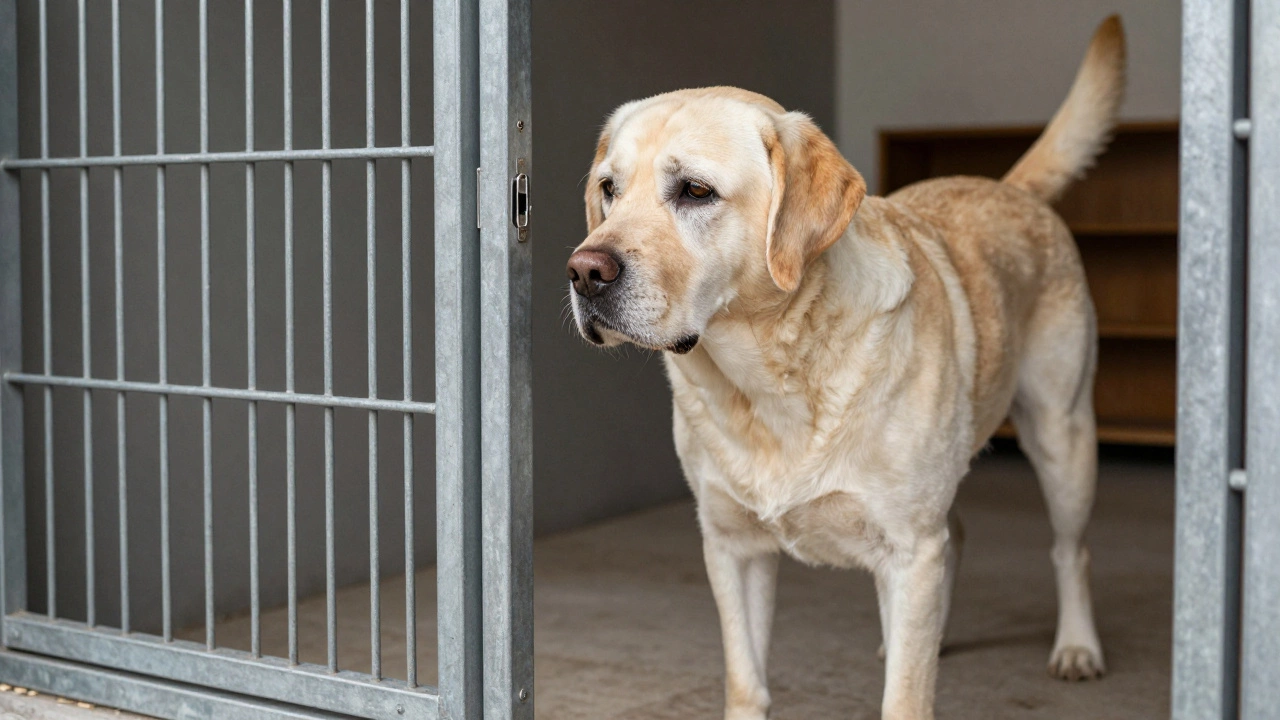
There's a hidden danger to keeping an older dog in a crate: the inability to get help. If a senior dog has a sudden health crisis-like a seizure or a severe cramp-being locked in a crate can make it harder for you to reach them quickly or for them to move into a more comfortable position. Furthermore, the hard edges of a metal crate can be dangerous for dogs with cognitive dysfunction (canine dementia), who might bump into the bars and injure themselves in the middle of the night.
When you switch to an open bed, you're not just giving them more comfort; you're giving them freedom. An open space allows them to stretch out fully, which is vital for circulation. Canine Cognition-the mental processing power of a dog-changes with age, and a less restrictive environment often reduces the stress levels in senior pets.
Choosing the Right Bed for the "Post-Crate" Era
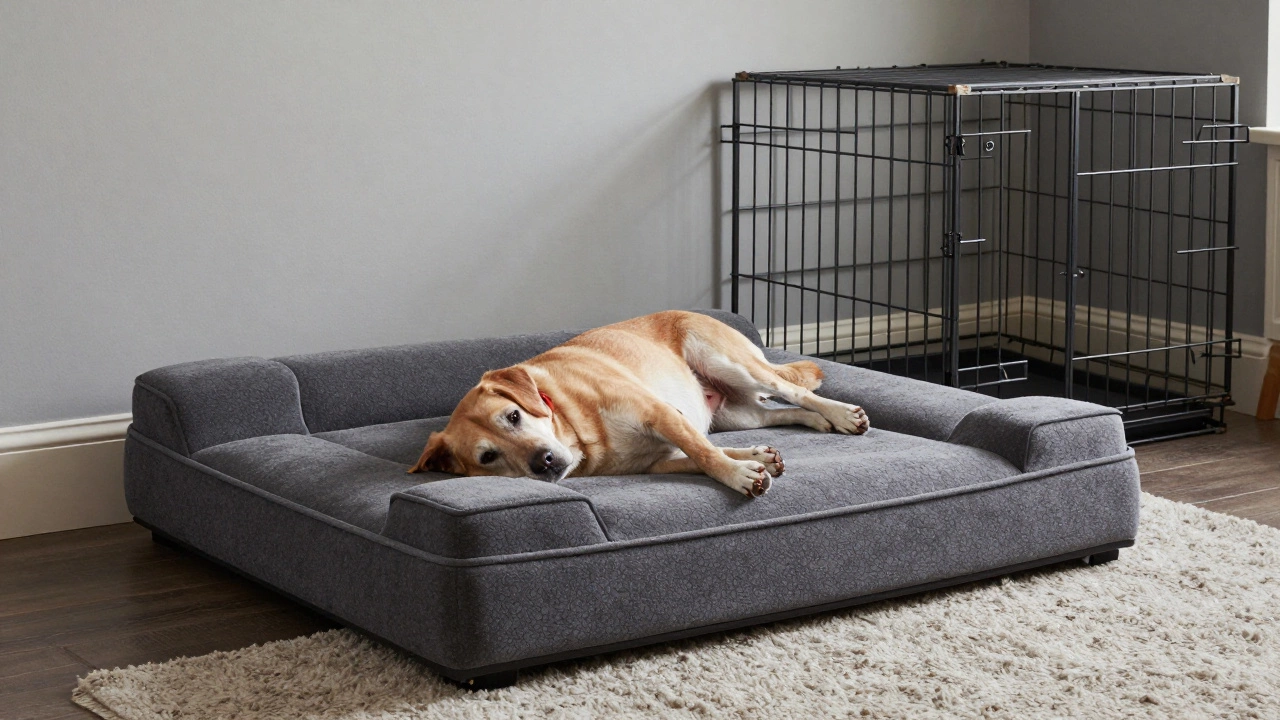
Not all beds are created equal. If you're moving away from a crate because of age, avoid those "donut" beds with high, fluffy sides unless your dog specifically loves to curl up in a ball. For dogs with arthritis, a dog bed with a low entry point is critical. You don't want them having to "climb" into their bed, as that's just replacing one joint-strain problem with another.
Look for materials like medical-grade memory foam. These materials don't bottom out, meaning the dog's joints aren't actually touching the floor. If you have a very large breed, consider a bed with a waterproof liner to protect the foam from moisture, which can lead to mold and odors over time. The goal is to replicate the security of the crate but with the physical luxury of a human mattress.
Common Pitfalls During the Switch
One big mistake owners make is buying a bed that's too small. In a crate, the dog is forced to fit. In an open room, they will naturally spread out. Measure your dog while they are sleeping in their most relaxed position and add at least 6 to 10 inches to that measurement. If the bed is too small, they'll end up half-on and half-off, which defeats the purpose of joint support.
Another issue is placement. Don't put the new bed in a high-traffic area where they'll be stepped on or bumped. Place it in a quiet corner, perhaps where the crate used to be. This maintains the "den" feeling without the physical restrictions of the bars. If your dog is used to the darkness of a crate, you can even place a light canopy or a blanket over part of the bed to give them that same sense of enclosure.
Will my dog feel unsafe without their crate?
Some dogs do feel a loss of security. To fix this, place the new bed in a corner or against a wall to create a natural boundary. You can also keep the crate nearby with the door open so they can choose where they feel safest during the transition.
Can I just put a better mattress inside the crate?
You can, but it doesn't solve the accessibility problem. If your dog is struggling to step over the threshold or turn around in a tight space, a fancy mattress inside the bars won't help their joints as much as a completely open, easy-access bed will.
At what point is a crate actually dangerous for an old dog?
It becomes dangerous when the dog can no longer enter or exit without significant pain, or when they have cognitive decline that leads to disorientation and injury against the crate walls. If you see them struggling to stand up after a nap in the crate, it's time to move them.
What if my dog keeps trying to go back into the crate?
That's normal! They are used to the routine. Keep the crate available but encourage the bed with treats or praise. Eventually, the superior comfort of a memory foam bed usually wins them over once they realize they can stretch out.
Should I get a heated bed for a senior dog?
Many senior dogs struggle with thermoregulation and feel the cold more in their joints. A low-voltage heated bed or a self-warming thermal mat can be a game-changer for dogs with arthritis, helping them relax and fall asleep faster.
Next Steps for Your Dog's Comfort
If you've decided it's time to move your dog out of the crate, start by auditing their current mobility. Watch them get up from a nap-do they limp? Do they shake their legs? If yes, prioritize a bed with a high-density orthopedic core. If they are still mobile but just seem "bored" or restless in the crate, a larger, plush open bed might be enough.
For those with very old dogs, consider a combination: a low-profile orthopedic bed and a nearby set of pet stairs if the bed is on a raised platform. This ensures that their entire sleep environment is stress-free. Remember, the goal isn't to follow a specific age rule, but to ensure your best friend can wake up feeling refreshed and pain-free every single morning.