Dog Food Safety Checker
Result Details
Your dog looks at you with those big eyes every time you open the pantry. It’s tempting to toss in a bit of everything-cheese, bacon bits, maybe some leftover veggies. But not all human foods are safe for dogs is a domesticated carnivore that requires specific nutrients like protein, fats, and certain vitamins to thrive. In fact, adding the wrong things can lead to pancreatitis, obesity, or even toxicity. So, what actually belongs in that bowl? The answer isn’t one-size-fits-all, but there are several safe, nutritious additions that can boost your dog’s health without risking their safety.
The Golden Rule: Less Is More
Before we list the good stuff, let’s talk about the baseline. Most high-quality commercial dog foods are already complete and balanced. This means they contain the exact ratio of proteins, carbohydrates, fats, vitamins, and minerals your dog needs according to standards set by the Association of American Feed Control Officials (AAFCO) is the organization that sets nutritional standards for pet food in the United States. If you add too many extras, you might unbalance this delicate equation. A general rule of thumb is that treats and toppers should make up no more than 10% of your dog’s daily calorie intake. For a small dog, that’s a few teaspoons; for a large breed, it might be a quarter cup. Always consult your vet before making significant changes, especially if your dog has kidney issues, allergies, or is on medication.
Safe Vegetables to Boost Fiber and Vitamins
Vegetables are a fantastic way to add fiber, which aids digestion, and antioxidants, which support the immune system. They are also low in calories, making them perfect for dogs who need to watch their weight. Here are some of the best options:
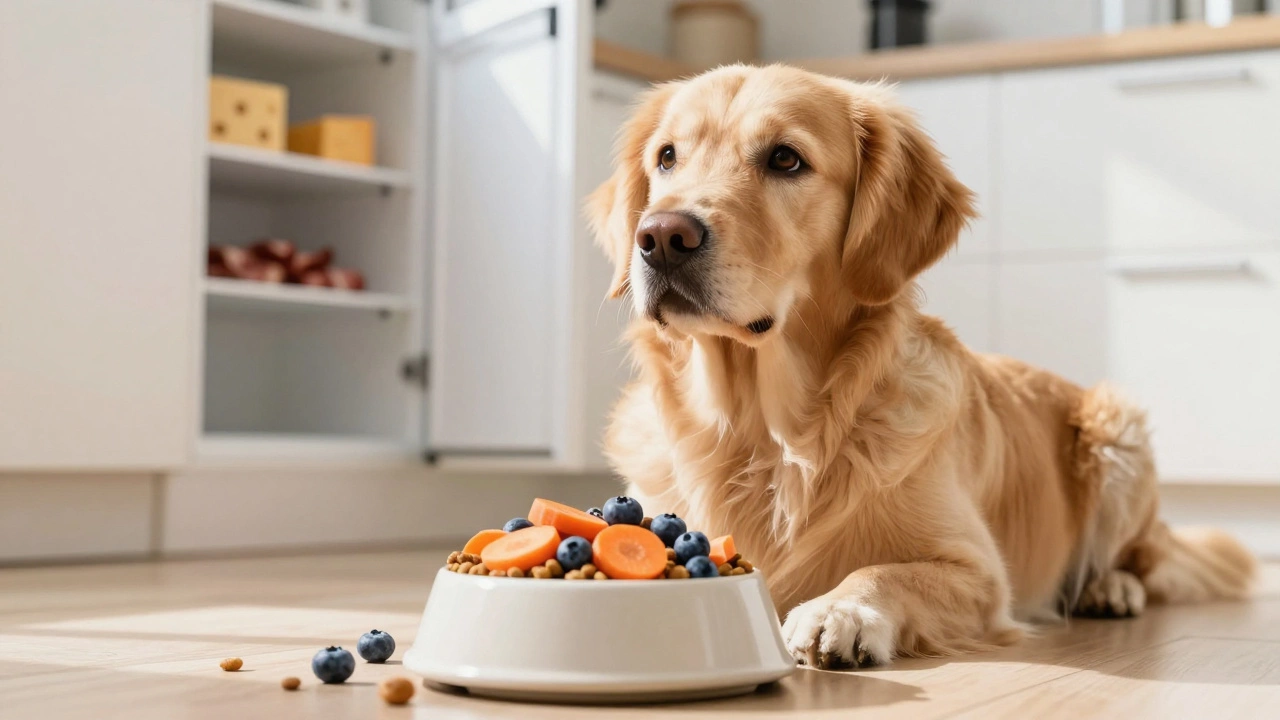
- Carrots: Raw or cooked, carrots are crunchy and sweet. They are rich in beta-carotene, which converts to vitamin A, supporting eye health. Just chop them into bite-sized pieces to prevent choking.
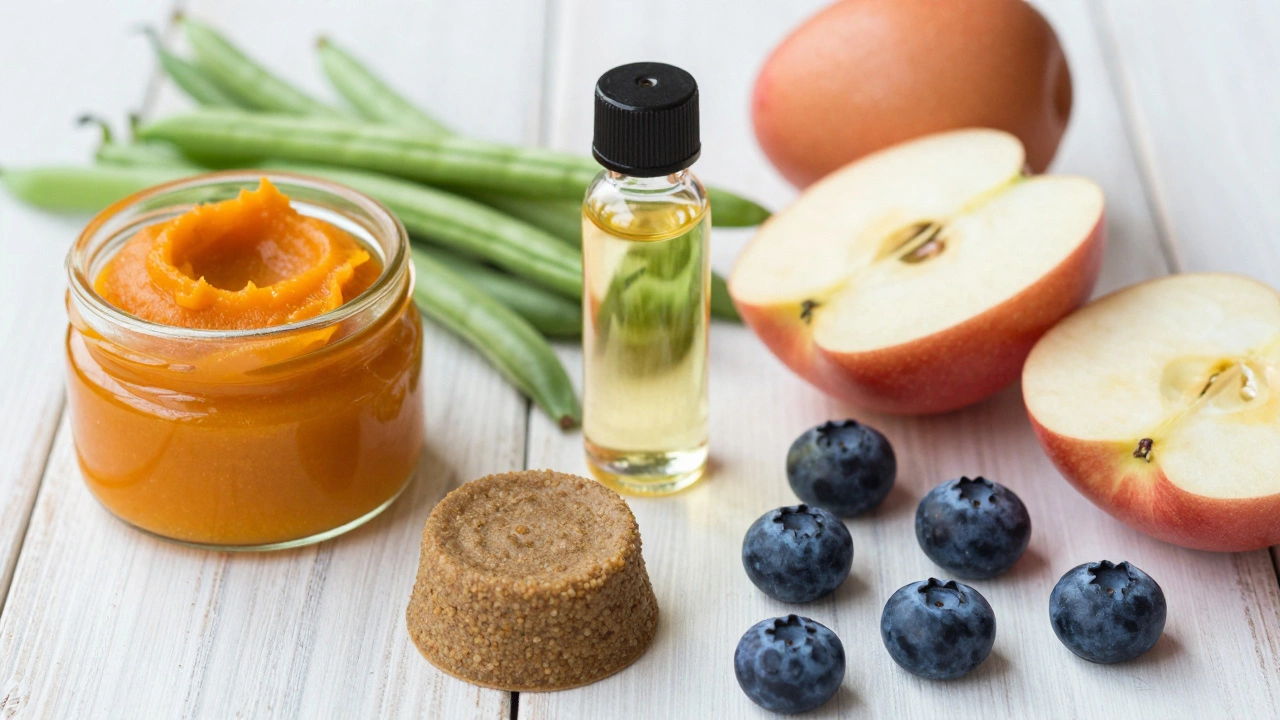
- Pumpkin: Plain, canned pumpkin (not pie filling) is a digestive miracle worker. It contains soluble fiber that helps regulate bowel movements, whether your dog is dealing with diarrhea or constipation. Start with a teaspoon for small dogs and work up to a tablespoon for larger breeds.
- Green Beans: Low-calorie and packed with vitamins B, C, and K, green beans are a great filler for overweight dogs. You can serve them raw, steamed, or frozen as a treat.
- Spinach: While nutritious, spinach should be given in moderation due to its oxalate content, which can interfere with calcium absorption. It’s best mixed with other veggies rather than served alone.
Avoid onions, garlic, chives, and leeks, as these belong to the Allium family and are toxic to dogs, damaging their red blood cells.
Fruits That Offer Natural Sweetness
Dogs often enjoy the occasional fruit, which provides hydration and essential vitamins. However, fruits contain natural sugars, so portion control is key. Here are some safe choices:
- Blueberries: These tiny berries are superfoods for dogs. They are loaded with antioxidants, fiber, and vitamins C and K. You can sprinkle a handful over their kibble as a training reward or a daily topper.
- Apples: Apples are high in fiber and vitamins A and C. Make sure to remove the seeds and core, as apple seeds contain trace amounts of cyanide, which is harmful to dogs. Slice them thinly for easier chewing.
- Bananas: Bananas are easy to digest and rich in potassium, biotin, and vitamin B6. Because they are higher in sugar, offer them as an occasional treat rather than a daily staple. A few slices are plenty.
- Watermelon: On hot days, watermelon is a refreshing treat. It’s mostly water, so it helps with hydration. Remove the rind and seeds before serving, as the rind can cause blockages and seeds can upset the stomach.
Stay away from grapes and raisins, even in small amounts, as they can cause sudden kidney failure in dogs. Cherries and avocados should also be avoided due to potential toxicity.
Healthy Fats for Skin and Coat
If your dog has a dull coat or dry skin, adding healthy fats can make a noticeable difference. Omega-3 fatty acids are particularly beneficial for reducing inflammation and supporting heart and brain health.
- Fish Oil: Salmon oil or cod liver oil are excellent sources of EPA and DHA. Look for products specifically formulated for pets to ensure proper dosage and purity. Adding a small amount to their food daily can improve coat shine and joint health.
- Coconut Oil: While controversial among vets due to its saturated fat content, small amounts of coconut oil may help with skin health and provide a quick energy boost. Use sparingly-a half-teaspoon for small dogs and a teaspoon for large dogs-to avoid weight gain.
- Eggs: Cooked eggs are a powerhouse of protein and contain fatty acids necessary for cell growth. They also provide biotin, which supports skin and hair health. Scrambled or boiled without oil or butter, eggs are a safe and nutritious addition.
Probiotics and Gut Health
A healthy gut is crucial for overall wellness. Probiotics introduce beneficial bacteria that aid in digestion and strengthen the immune system. This is especially helpful if your dog has recently taken antibiotics, which can wipe out good gut flora.
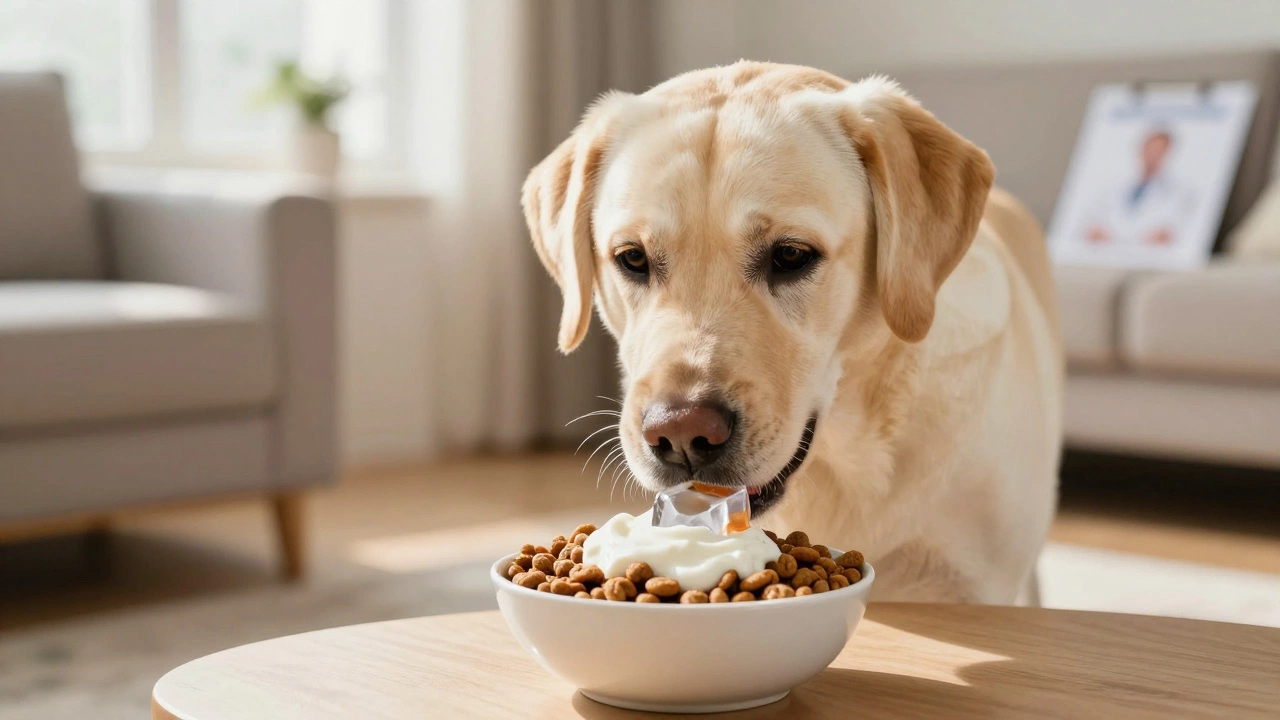
You can find probiotics in supplement form, but you can also add natural sources to their diet. Plain, unsweetened yogurt with live cultures is a popular choice. Just ensure it doesn’t contain xylitol, an artificial sweetener that is highly toxic to dogs. A spoonful of yogurt mixed into their kibble can soothe an upset stomach and promote regularity. Alternatively, kefir or fermented vegetables (like sauerkraut, in very small, plain amounts) can also serve as probiotic sources.
Hydration Helpers
Many dogs don’t drink enough water, leading to dehydration and urinary tract issues. Adding moisture to their food can help. Broth is a simple solution. Use low-sodium chicken or beef broth, ensuring it contains no onions or garlic. You can freeze broth in ice cube trays and thaw a cube to mix into their meal, adding flavor and hydration simultaneously. Wet food can also be mixed with dry kibble to increase moisture content.
| Food Item | Safety Status | Key Benefits/Risks |
|---|---|---|
| Carrots | Safe | Vitamin A, fiber, low calorie |
| Pumpkin (plain) | Safe | Digestive regulation, fiber |
| Blueberries | Safe | Antioxidants, vitamins C & K |
| Fish Oil | Safe | Omega-3s for coat and joints |
| Onions/Garlic | Toxic | Damages red blood cells |
| Grapes/Raisins | Toxic | Kidney failure risk |
| Xylitol | Toxic | Liver failure, hypoglycemia |
| Chocolate | Toxic | Theobromine poisoning |
Supplements to Consider with Vet Approval
Sometimes, natural toppers aren’t enough. Your vet might recommend specific supplements based on your dog’s age, breed, and health conditions. Common recommendations include:
- Glucosamine and Chondroitin: Often used for older dogs or large breeds to support joint health and manage arthritis.
- Calcium: Important for growing puppies and pregnant dogs, but dangerous in excess for adult dogs. Never supplement calcium without veterinary guidance.
- Vitamin D: Essential for bone health, but toxicity is a real risk. Most commercial diets have adequate levels, so extra supplementation is rarely needed unless prescribed.
Always check the label for third-party testing certifications to ensure the supplement is pure and free from contaminants.
Reading Labels and Avoiding Hidden Dangers
When buying commercial toppers or treats, read the ingredient list carefully. Avoid products with vague terms like "meat by-products" or excessive fillers like corn gluten meal. Watch out for artificial colors, flavors, and preservatives like BHA and BHT, which some owners prefer to avoid. If you’re making your own toppers, stick to whole, recognizable ingredients. Simplicity is often safer and more nutritious.
Can I give my dog human vitamins?
No, you should not give your dog human vitamins without explicit veterinary instruction. Dosage requirements differ significantly between humans and dogs, and some vitamins, like Vitamin D and Iron, can be toxic to dogs in high doses. Stick to supplements formulated specifically for canine consumption.
Is it okay to add rice to my dog's food?
Yes, plain white or brown rice is safe and often recommended for dogs with sensitive stomachs. It’s easily digestible and provides energy. However, it should be cooked thoroughly and served in moderation as part of a balanced diet, not as a primary food source.
How much peanut butter can I give my dog?
Peanut butter is safe in small amounts, provided it does not contain xylitol. A thin smear on a toy or a teaspoon mixed into food is generally fine. However, it is high in fat and calories, so overfeeding can lead to weight gain and pancreatitis. Always check the ingredient list for xylitol.
Are bones a good daily addition?
Cooked bones are dangerous and should never be given, as they splinter and can cause internal injuries or blockages. Raw bones can be safer under supervision, but they carry risks of bacterial contamination and dental fractures. Consult your vet before introducing any type of bone into your dog’s routine.
What if my dog refuses to eat with toppers?
Some dogs are picky eaters. Try warming their food slightly to enhance aroma, or mix the topper thoroughly into the kibble rather than placing it on top. If refusal persists, consult your vet to rule out underlying health issues like dental pain or gastrointestinal discomfort.