Puppy Witching Hour Survival Planner
Recommended Actions
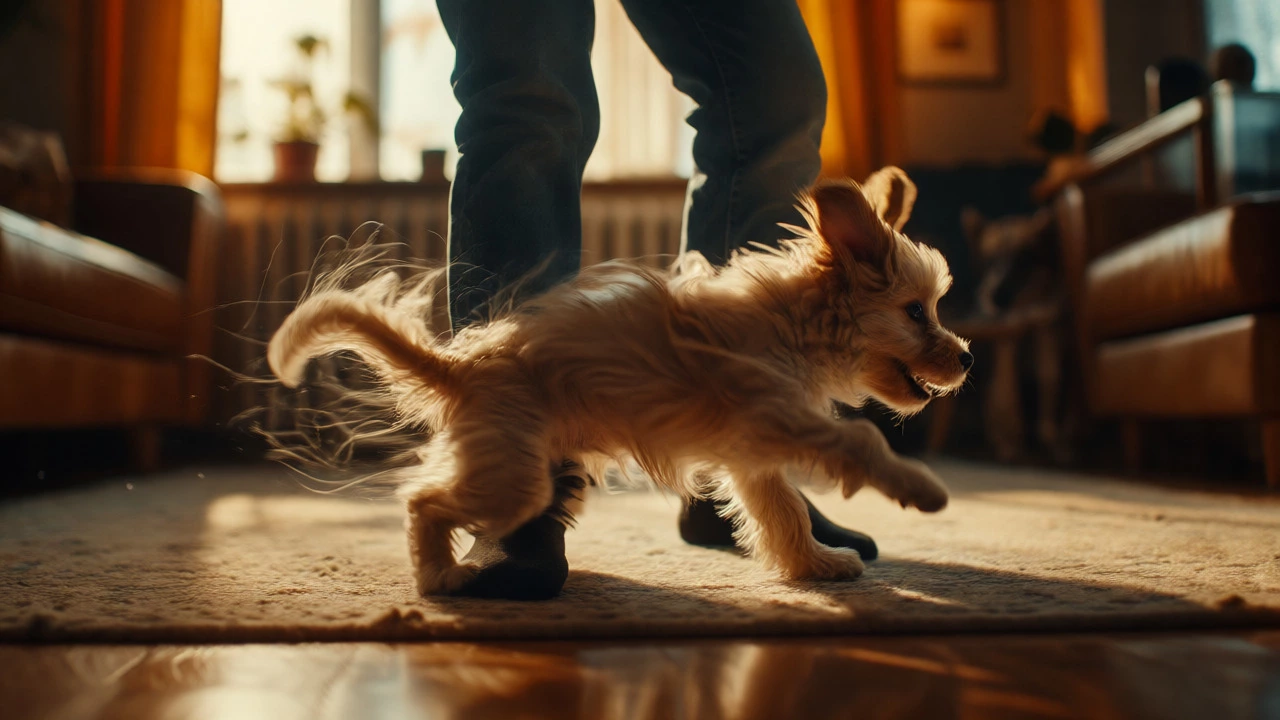
You’re sitting on your couch, enjoying a quiet evening with your new puppy, and suddenly, out of nowhere, he turns into a furry tornado. He’s zooming in circles, biting your ankles, barking at nothing, and generally acting like he’s possessed. If you’ve ever wondered what is happening to your calm, sleepy pup, you aren’t alone. This phenomenon is widely known as the witching hour for puppies.
It’s not magic, and it’s not a sign that your puppy has gone crazy. It’s a very real, biological phase that almost every young dog goes through. Understanding why it happens and how to manage it can save your sanity and help your puppy grow into a well-adjusted adult dog. Let’s break down exactly what this term means, when it strikes, and what you can actually do about it.
Key Takeaways
- The "witching hour" is a period of intense hyperactivity common in puppies aged 3-6 months.
- It is often triggered by overtiredness, overstimulation, or pent-up energy rather than genuine excitement.
- Ignoring the behavior or punishing it usually makes things worse; redirection and structure are key.
- Establishing a consistent nap schedule and mental stimulation routine significantly reduces these episodes.
Defining the Puppy Witching Hour
So, what exactly is this mysterious time? The puppy witching hour isn't strictly limited to one hour, nor does it always happen at midnight. In reality, it refers to any predictable window during the day-often early morning or late evening-when a puppy exhibits sudden, uncontrollable bursts of energy. You might hear other owners call it "the zoomies," but there is a subtle difference. Zoomies (scientifically known as Frenetic Random Activity Periods or FRAPs) can happen anytime. The witching hour is more specific: it’s a sustained period of crankiness, nipping, and inability to settle, often linked to the puppy’s internal clock or routine gaps.
This behavior typically peaks between three and six months of age. Why then? Because this is when puppies hit their adolescent-like growth spurts. Their bodies are changing rapidly, their teeth are coming in, and their brains are processing a massive amount of new information. Think of it like a toddler having a meltdown after being at a birthday party too long. Your puppy isn’t trying to be difficult; they are overwhelmed.
Why Does It Happen?
To fix the problem, you need to understand the root cause. It’s rarely just one thing. Usually, it’s a perfect storm of biology and environment.
Overtiredness is the biggest culprit. Puppies need between 18 and 20 hours of sleep a day. When they miss a nap, their cortisol levels spike. Instead of falling asleep, they get wired. This is counterintuitive for humans-we get sleepy when we’re tired-but dogs often get hyperactive when exhausted. If your puppy starts biting harder and moving faster around 7 PM, check their last nap time. Was it four hours ago? That’s likely too long.
Overstimulation plays a major role. Did you have guests over? Did you take them to a busy park? Did you play rough house games for twenty minutes straight? All of this adds up. A puppy’s brain isn’t fully developed enough to filter out noise and activity. Once they cross their threshold, they can’t self-regulate. They need you to help them come down.
Pent-up physical and mental energy. If your puppy hasn’t had enough exercise, that energy has to go somewhere. But here’s the trap: if you try to tire them out with more running right before bed, you might just make the witching hour worse. High-intensity exercise raises adrenaline. If they don’t crash immediately after, that adrenaline keeps them bouncing off the walls.
Identifying the Triggers in Your Routine
Every household is different, so you need to become a detective for a few days. Keep a simple log. Note down when the chaos starts. Is it always after dinner? Is it when you sit down to watch TV? Is it when the kids come home from school?
Common triggers include:
- Lack of predictability: Dogs thrive on routine. If feeding times, walk times, and bedtime shift constantly, your puppy feels anxious and acts out.
- Inconsistent boundaries: If you let them jump on you sometimes but yell at them other times, they get confused and frustrated. Frustration often manifests as nipping.
- Environmental changes: New furniture, a new scent, or even a change in weather can unsettle a sensitive puppy.
For example, many owners in Wellington notice the evening witching hour coincides with the transition from daylight to dusk. The drop in light signals to some dogs that it’s time to wake up, conflicting with our human desire to wind down.
Strategies to Survive the Witching Hour
Now that you know why it’s happening, let’s talk about how to handle it. The goal isn’t to suppress your puppy’s personality, but to teach them how to settle.
1. Master the Nap Schedule
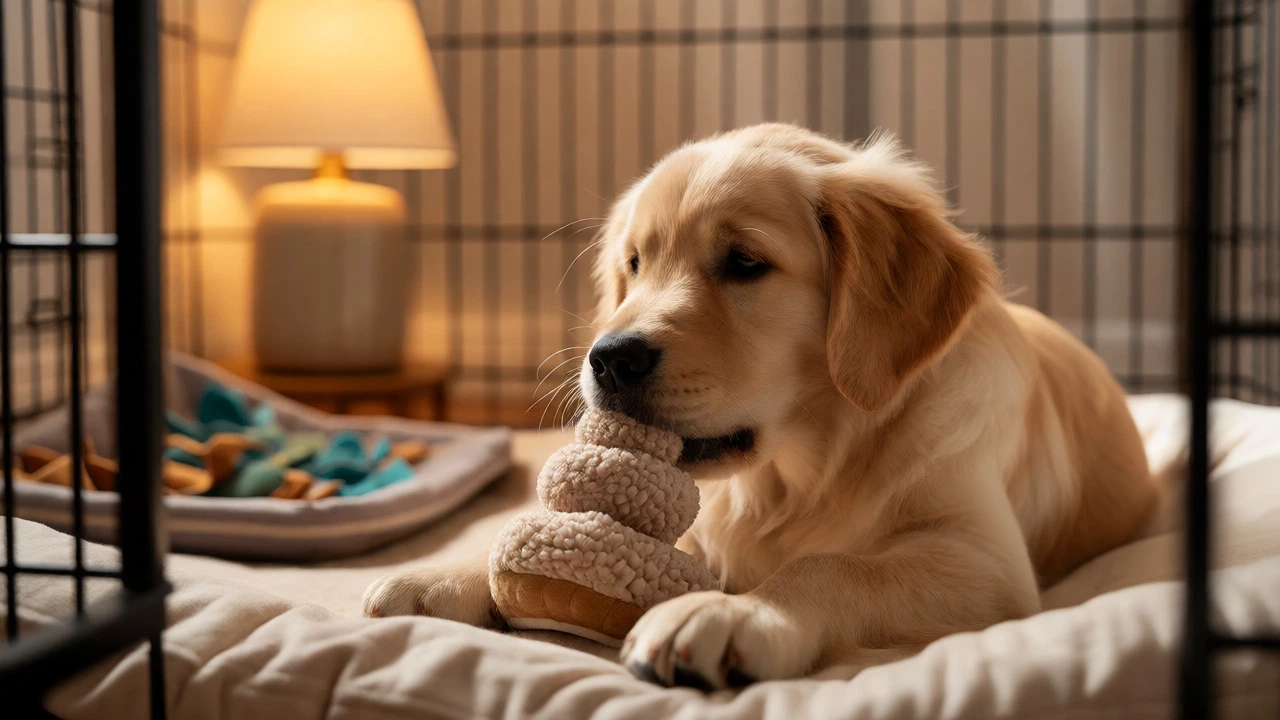
This is non-negotiable. If your puppy is under six months old, they should be sleeping for 15-20 minutes for every hour they are awake. Set an alarm. Yes, really. When the alarm goes off, put them in their crate or a quiet pen with a chew toy. Do not engage. Do not play. Just close the door. This enforced rest prevents the overtired meltdown later.
2. Switch to Mental Stimulation
Physical exercise tires the body, but mental exercise tires the brain. A tired brain leads to a calm dog. During the pre-witching hour window, swap the ball fetch for a snuffle mat or a stuffed Kong. Foraging for food requires focus and lowers heart rates. Try hiding five pieces of kibble around the living room instead of giving them a bowl. It takes longer and burns more mental calories.
3. Implement the "Settle" Cue
Teach your puppy a command for relaxation. Start when they are naturally calm. Say "settle" softly, toss a treat on the floor near their paws, and ignore them. Repeat this frequently throughout the day. Eventually, the word "settle" will trigger a conditioned response of lowering their body weight and stopping movement. Use this cue the moment you see the first signs of the witching hour starting, before they reach full chaos mode.
4. Manage the Environment
If the witching hour happens in the evening, dim the lights. Turn off the TV. Speak in lower tones. Create a "boring" atmosphere. If your puppy sees high-energy human behavior (laughing, fast movements), they will mirror it. Be the calm anchor in the storm.

What Not To Do
It’s tempting to react emotionally, but certain reactions fuel the fire.
| Reaction | Effect on Puppy | Better Alternative |
|---|---|---|
| Yelling "No!" or "Stop!" | Increases arousal; puppy thinks you're playing. | Silence or a low, monotone "Ah-ah." |
| Chasing the puppy | Turns chaos into a chase game. | Stand still or leave the room. |
| Giving attention (even negative) | Reinforces the behavior because they got a reaction. | Ignore completely until they pause. |
| Roughhousing to burn energy | Adds more stimulation to an already over-stimulated dog. | Provide a chewing session or a nap. |
When Will It End?
Holding onto hope is important here. The witching hour is temporary. Most puppies outgrow the worst of it by seven to eight months of age. As their brain matures and they learn impulse control, the duration and intensity of these episodes decrease. However, consistency now pays off later. If you allow the chaotic behavior to continue unchecked, it can solidify into bad habits that persist into adulthood.
Remember that breed matters too. High-drive breeds like Border Collies, Australian Shepherds, and Jack Russell Terriers tend to have more intense witching hours than lower-energy breeds like Bulldogs or Basset Hounds. Adjust your expectations accordingly.
Related Concepts and Next Steps
Understanding the witching hour is part of a larger picture of dog training fundamentals. If you find yourself struggling, look into positive reinforcement techniques and understanding canine body language. Recognizing the subtle signs of stress-like lip licking, yawning, or whale eye-before the explosion occurs gives you a head start.
Next steps for you:
- Audit your current sleep schedule. Are you enforcing naps?
- Buy a snuffle mat or puzzle feeder to replace one daily meal.
- Track the timing of the witching hour for three days to identify patterns.
- Practice the "settle" command during calm moments.
By taking proactive steps, you transform those frantic evenings into peaceful bonding time. Your puppy isn’t broken; they’re just learning how to be a dog in a human world.
At what age does the puppy witching hour stop?
Most puppies begin to show significant improvement around 7 to 8 months of age as their brain development matures and they gain better impulse control. By one year, the intense nightly meltdowns usually disappear, though occasional zoomies may still occur.
Is the witching hour caused by lack of exercise?
Not necessarily. While lack of exercise contributes, overtiredness and overstimulation are often bigger factors. Too much intense exercise right before the witching hour can actually make the hyperactivity worse due to elevated adrenaline levels. Balanced physical and mental enrichment is more effective.
Should I punish my puppy during the witching hour?
No. Punishment during these episodes usually increases anxiety and arousal, making the behavior last longer. Since the puppy is often unable to self-regulate at this stage, they cannot process correction effectively. Redirection, ignoring, or removing them to a quiet space is far more effective.
How many naps does a puppy need to prevent the witching hour?
Puppies under 6 months generally need 3 to 5 naps per day, lasting 15 to 20 minutes each, spaced evenly throughout the day. Ensuring they get adequate rest is the single most effective preventative measure against evening hyperactivity.
Does diet affect the puppy witching hour?
Yes, diet can play a role. High-sugar treats or foods with artificial colors may contribute to spikes in energy. Additionally, feeding large meals right before bedtime can cause discomfort or digestive urgency, leading to restlessness. Smaller, frequent meals and avoiding sugar-laden treats can help stabilize energy levels.