Puppy Chew Safety Analyzer
Safety Rating
Vet Recommendation:
Enter details about the chew toy to analyze its safety profile for your puppy.
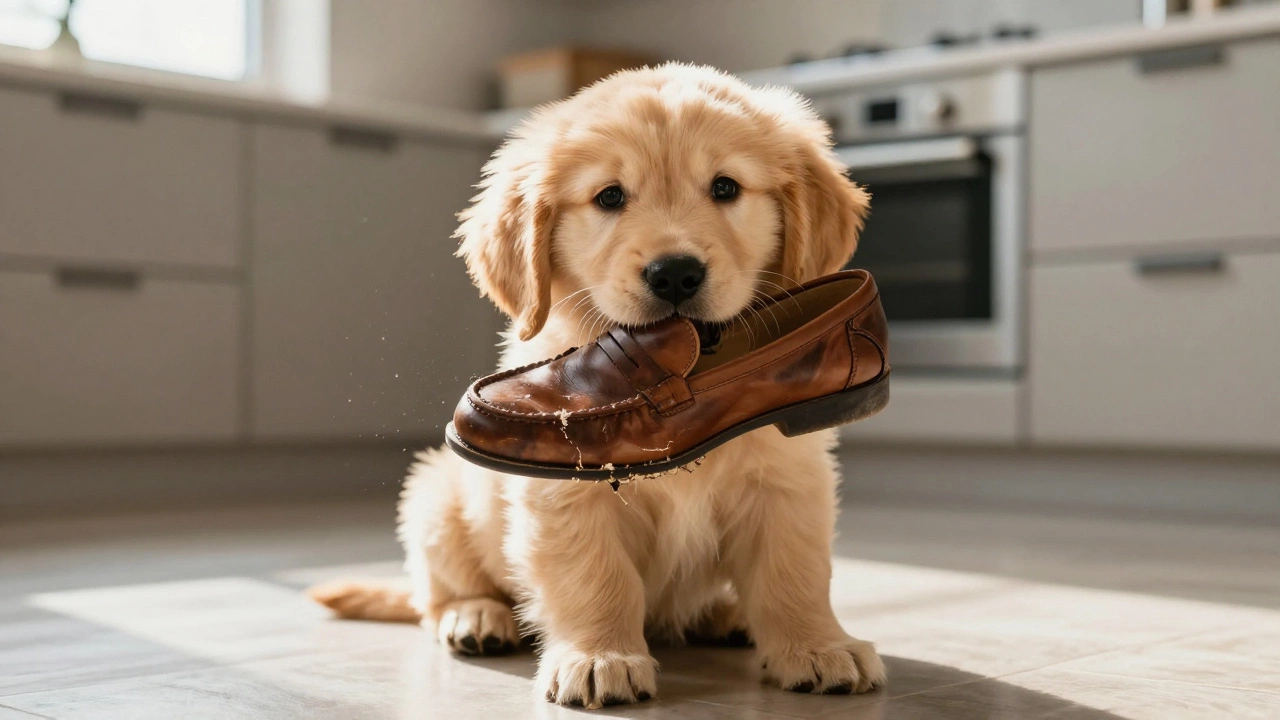
You walk into the kitchen. The silence is broken by a wet crunch. You turn around to find your puppy staring at you with wide eyes, holding half of your favorite leather loafer in their mouth. It’s a scene every new dog owner knows too well. But before you scold them, take a breath. Chewing isn’t bad behavior; it’s biology. Your pup is exploring the world, relieving the itch of teething, and keeping their jaw strong. The real question isn’t *why* they are chewing, but *what* is actually safe for them to put in their mouths.
Finding the right chew toy can feel like navigating a minefield. Marketing labels promise "indestructible" or "natural," but these terms don't always mean safe. Some popular treats have caused blockages, and some hard plastics have shattered teeth. As someone who has raised dogs in Wellington, I’ve seen my share of destroyed furniture and vet bills. The goal here is simple: keep your puppy happy and your wallet intact by choosing chews that match their specific needs.
Understanding the Puppy Mouth: Why They Chew
To pick the right toy, you first need to understand what is happening inside that little head. Puppies go through two major phases where chewing becomes intense. First is the exploration phase, from birth to about six months. Everything tastes like information. Then comes the teething phase, usually peaking between three and six months of age. Their adult teeth are pushing through, causing significant discomfort.
Think of it like human babies getting molars. Your puppy needs pressure to soothe those gums. If you don’t provide appropriate outlets, they will create their own-usually your baseboards or your shoes. The texture matters just as much as the material. Soft rubber helps massage gums, while firmer textures help scrape plaque. However, there is a fine line between helpful firmness and dangerous hardness.
The Golden Rule: The Finger Test
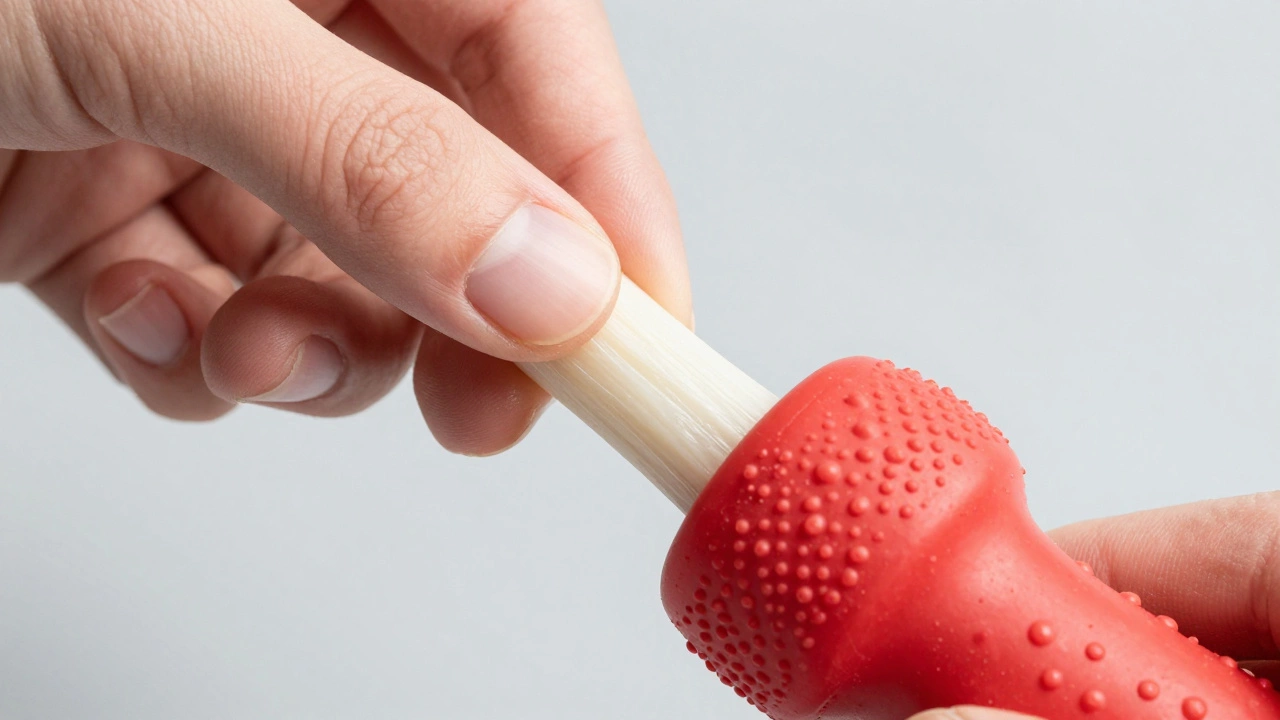
Before you buy anything, remember this rule of thumb: if it doesn’t bend under your fingernail pressure, it might be too hard for your puppy. This is known as the finger test. Take a hard bone, an antler, or a nylon bone. Press your thumbnail against it. If you cannot leave an indentation, that object is harder than your puppy’s teeth. When they bite down with force, the energy has nowhere to go but back into the tooth structure, leading to fractures.
Dental fractures are not just painful; they are expensive to fix. Root canals and extractions cost hundreds of dollars and require anesthesia. By avoiding ultra-hard materials, you protect both your pup’s smile and your bank account. Always supervise chewing sessions, especially with new toys. Even the safest toy can become hazardous if a large chunk breaks off.
Top Safe Options for Different Needs
Not all puppies are the same. Some are gentle nibblers, while others are power chewers who dismantle everything in minutes. Here is a breakdown of the safest options based on common puppy profiles.
| Material Type | Best For | Safety Risk | Durability |
|---|---|---|---|
| Rubber (e.g., Kong) | Teething, Interactive Play | Low (if sized correctly) | High |
| Natural Rope | Gum Massage, Tug Games | Medium (Fraying strands) | Low |
| Frozen Carrots | Soothing Gums, Low Calorie | Very Low | Low (Melts) |
| Rawhide Alternatives | Long-lasting Distraction | Low (Biodegradable) | Medium |
| Antlers/Bones | Power Chewers (Adults only) | High (Tooth Fracture) | Very High |
Rubber Toys: The Gold Standard
Solid rubber toys, particularly those made from natural rubber, are widely considered the safest option for most puppies. Brands like Kong have set the standard for decades. These toys are durable enough to withstand aggressive chewing but flexible enough to give slightly upon impact, reducing tooth stress.
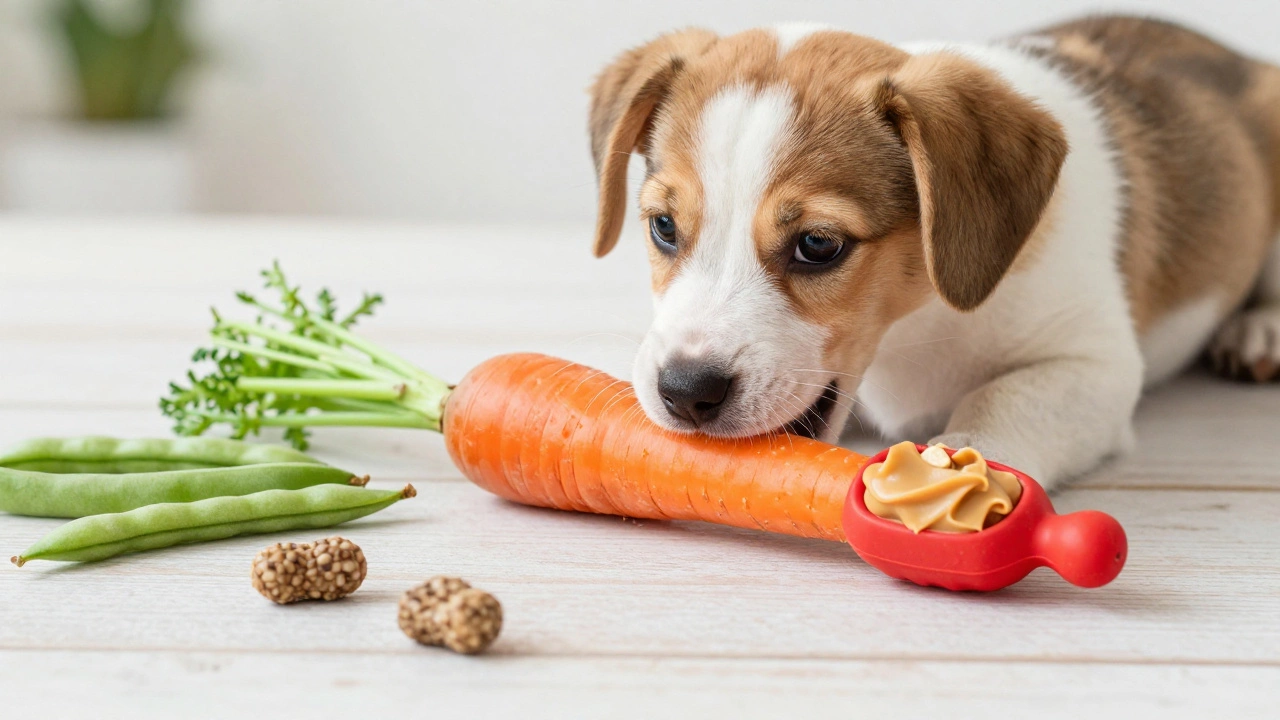
The beauty of rubber toys is their versatility. You can stuff them with peanut butter (ensure it is xylitol-free), freeze them, or add kibble inside. This turns a simple chew session into a mental workout. For a teething puppy, freezing a stuffed Kong provides cold therapy for sore gums. Just ensure the size is correct; the toy should be larger than your puppy’s muzzle so they cannot swallow it whole.
Rope Toys: Use With Caution
Rope toys are excellent for interactive play and tug-of-war, which strengthens the bond between you and your dog. The twisted fibers act like a toothbrush, helping to clean teeth and massage gums. However, rope toys have a major flaw: they fray.
When a puppy chews on rope, small strands break off. If swallowed, these strands can cause linear foreign body obstructions in the intestines, a serious surgical emergency. To use rope safely, inspect the toy after every session. If you see loose threads or fraying, throw it away immediately. Never leave a puppy alone with a rope toy unsupervised.
Natural Edibles: Frozen Veggies and Meat
Sometimes, the safest thing to chew on is food. Frozen carrots are a fantastic, low-calorie treat. They are hard enough when frozen to satisfy the urge to gnaw but soft enough to be safe if bitten. They also provide vitamins and fiber. Similarly, frozen green beans work well for smaller breeds.
For meat lovers, raw meaty bones (like chicken necks) can be safe if given under strict supervision and if your puppy is trained not to gulp. However, raw feeding carries risks of bacterial contamination and choking. Consult your veterinarian before introducing raw bones, especially for puppies with developing immune systems. Cooked bones are strictly forbidden as they splinter and can puncture the digestive tract.
Materials to Avoid: The Danger Zone
Knowing what to avoid is just as important as knowing what to buy. Certain products are marketed heavily but pose significant risks to young dogs.
- Cooked Bones: Beef knuckles, turkey legs, and pork ribs become brittle when cooked. They shatter into sharp shards that can cut the mouth, throat, or intestines.
- Real Antlers and Horns: These are incredibly dense and do not flex. They are a leading cause of tooth fractures in dogs. Save these for adult dogs with fully developed teeth, if at all, and even then, proceed with caution.
- Traditional Rawhide: While natural, rawhide is processed with chemicals and can be difficult to digest. Large pieces can cause blockages, and the processing agents may upset sensitive stomachs. Look for enzymatic digestible alternatives instead.
- PVC and Vinyl: Cheap plastic toys often contain phthalates and other toxic chemicals. If a puppy bites off a piece of vinyl, they risk ingesting toxins. Stick to non-toxic, BPA-free plastics or natural rubber.
Sizing Matters: Preventing Choking Hazards
A toy that is safe for a Labrador Retriever could be fatal for a Chihuahua. Size is critical. A general rule is that the toy should be large enough that your puppy cannot fit it entirely inside their mouth. If they can wrap their jaws around the entire toy, it’s too small.
Also, consider the shape. Toys with small detachable parts, like squeakers or plastic eyes, are choking hazards. Once a puppy figures out how to rip out a squeaker, they will likely eat it. Many modern toys now feature internal squeakers that are sealed within the rubber, making them safer. Always check for loose parts before giving any toy to your puppy.
Maintaining Toy Safety Over Time
No toy lasts forever. As your puppy grows, their strength increases, and their teeth sharpen. A toy that was perfect at eight weeks might be dangerous at six months. Regular inspection is key. Before each play session, run your hands over the toy. Look for cracks, splits, or missing chunks.
If a rubber toy starts to tear, discard it. If a plush toy loses its stuffing, replace it. Don’t try to repair toys with tape or glue, as these materials are toxic if ingested. Rotating your toys also helps maintain freshness and interest. Keep three or four toys out at a time and swap them weekly. This prevents boredom and ensures you catch wear-and-tear early.
Training Your Puppy to Chew Right
Having the right tools is only half the battle. You also need to teach your puppy what is acceptable to chew. Start by redirecting. When you catch them chewing on a shoe, calmly say "no," take the shoe away, and immediately offer an approved chew toy. Praise them enthusiastically when they switch to the toy.
Make the approved toys more appealing than the forbidden ones. Freeze them, rub them with broth, or hide treats inside. Consistency is vital. Every family member must enforce the same rules. If Mom says no to shoes but Dad lets the puppy chew on slippers, the puppy will never learn. Positive reinforcement builds good habits that last a lifetime.
When to Call the Vet
Even with the best precautions, accidents happen. Watch for signs of distress after chewing. If your puppy is drooling excessively, pawing at their mouth, vomiting, or showing lethargy, contact your vet immediately. These could be signs of a blocked airway, a swallowed foreign object, or a dental injury. Early intervention can save lives and reduce suffering.
Choosing the safest chew for your puppy is about balancing durability with flexibility. Avoid hard, unyielding materials that threaten teeth, and steer clear of anything that can be swallowed whole. By sticking to high-quality rubber, supervised natural options, and regular inspections, you can keep your puppy entertained and safe. Remember, a happy chewer is a healthy chewer, and your patience today pays off in a well-behaved adult dog tomorrow.
Is rawhide safe for puppies?
Traditional rawhide is generally not recommended for puppies due to the risk of intestinal blockage and chemical processing. If you choose to use it, opt for enzymatically digestible rawhide alternatives and always supervise your puppy. Remove the chew once it becomes small enough to swallow.
Can puppies chew on antlers?
No, antlers are too hard for puppies. They do not flex and can easily fracture puppy teeth, leading to painful and expensive dental procedures. Wait until your dog is an adult with fully developed teeth, and even then, consult your vet first.
How do I know if a chew toy is the right size?
The toy should be large enough that your puppy cannot fit it entirely in their mouth. If they can wrap their jaws around the whole toy, it poses a choking hazard. Choose a toy that requires them to hold it with their paws or tilt their head to access different parts.
Are rubber toys better than fabric toys?
Rubber toys are generally safer for solo chewing because they are durable and less likely to shed harmful fibers. Fabric toys are great for interactive play but can unravel quickly if left unsupervised, creating ingestion risks. Rotate between types for variety.
What should I do if my puppy swallows part of a toy?
Monitor your puppy closely for vomiting, loss of appetite, or abdominal pain. Contact your veterinarian immediately, especially if the piece was large or made of plastic/rubber. Do not induce vomiting unless instructed by a professional, as this can cause further injury.