Dog Food Safety Checker
Select a food item to check its safety status for your dog. Always consult a veterinarian in case of accidental ingestion.
Select a food above to see the risk assessment.
Emergency Checklist
- 1. Identify the food and amount ingested.
- 2. Note the time of ingestion.
- 3. Call your vet or ASPCA Animal Poison Control immediately.
- 4. Do not induce vomiting unless instructed by a professional.
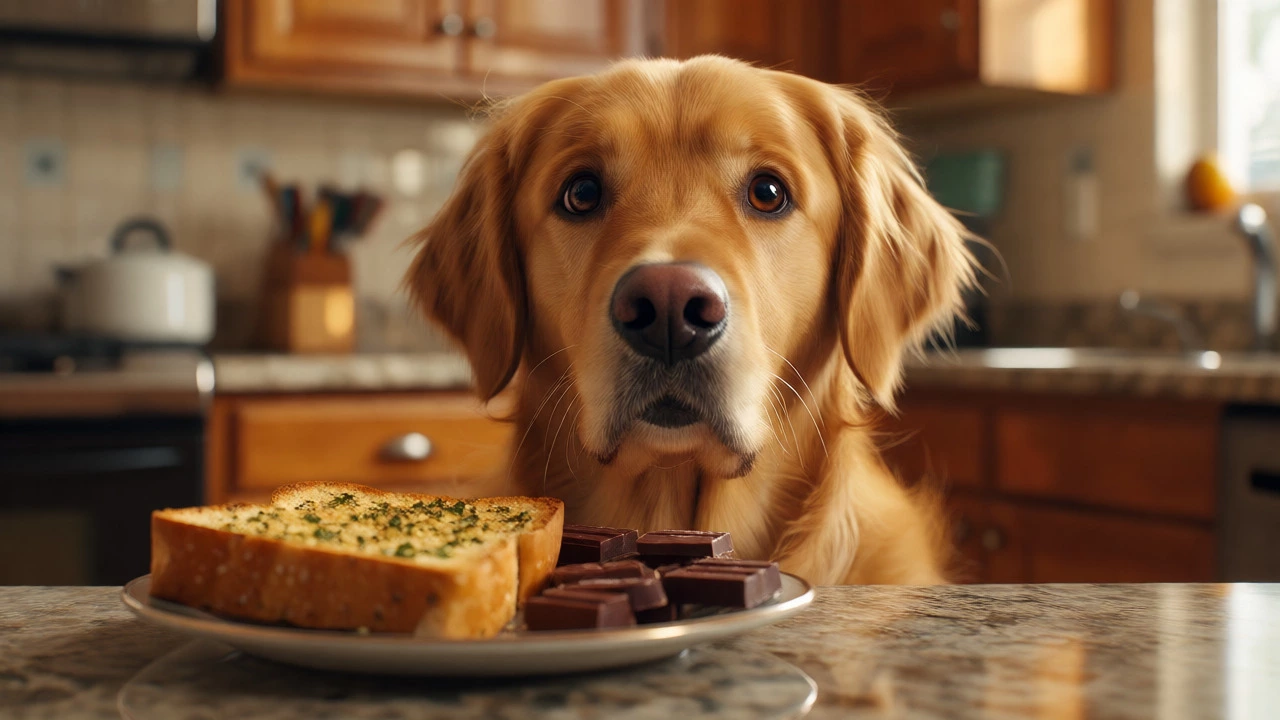
You’re eating dinner, your dog gives you that look-the one that says they’d die without a bite of your garlic bread-and you give in. It feels harmless. But here’s the scary part: some of the most common human snacks are silently wrecking your dog’s health or can kill them outright. You don’t need a veterinary degree to spot the dangers, but you do need to know which foods are just "bad for them" versus which ones are actually toxic.
This isn’t just about obesity. We’re talking about organ failure, blood clots, and kidney shutdowns caused by things sitting in your pantry right now. Let’s cut through the noise and figure out exactly what you should never put in your dog’s bowl.
The Real Villain: Xylitol
If there is one ingredient that catches pet owners off guard more than any other, it’s Xylitol. This sugar alcohol is found in sugar-free gum, mints, peanut butter, baked goods, and even some toothpaste. For humans, it’s a healthy alternative. For dogs, it’s deadly.
When a dog ingests xylitol, their pancreas releases massive amounts of insulin. This causes a rapid drop in blood sugar (hypoglycemia) within 10 to 60 minutes. Symptoms include vomiting, lethargy, and coordination problems. If untreated, it leads to liver failure. The scary thing? You might not see symptoms immediately. By the time your dog looks sick, significant damage may have already occurred.
Semantic Triple: Xylitol [causes] hypoglycemia in dogs.
Chocolate: Not All Bites Are Created Equal
We’ve all heard "chocolate is bad," but few people understand why. It’s not the sugar; it’s the Theobromine, a stimulant similar to caffeine that dogs metabolize much slower than humans do.
The darker and more bitter the chocolate, the higher the theobromine content. Baker’s chocolate is far more dangerous than milk chocolate. A small amount of dark chocolate can send a Chihuahua to the ER, while a Great Dane might shrug off a square. Signs of chocolate toxicity include restlessness, increased heart rate, muscle tremors, and seizures.
| Chocolate Type | Theobromine Content | Risk Level |
|---|---|---|
| Baker’s / Unsweetened | Very High | Critical |
| Dark Chocolate | High | Severe |
| Milk Chocolate | Moderate | Moderate |
| White Chocolate | Negligible | Low (Sugar/Fat risk) |
Alliums: Garlic, Onions, and Leeks
Think cooking with garlic makes food healthier? Not for your dog. Members of the Allium family-which includes onions, garlic, chives, and leeks-contain compounds called thiosulfates. These compounds damage red blood cells, leading to hemolytic anemia.
The damage is cumulative. Eating a little onion once might not kill a large dog, but repeated exposure causes oxidative damage to red blood cells. They become fragile and burst. You might notice your dog’s gums looking pale or brownish, weakness, or reddish urine. Garlic is five times more potent than onions, so be careful with pre-made sauces and seasoned meats.
Grapes and Raisins: The Silent Kidney Killers
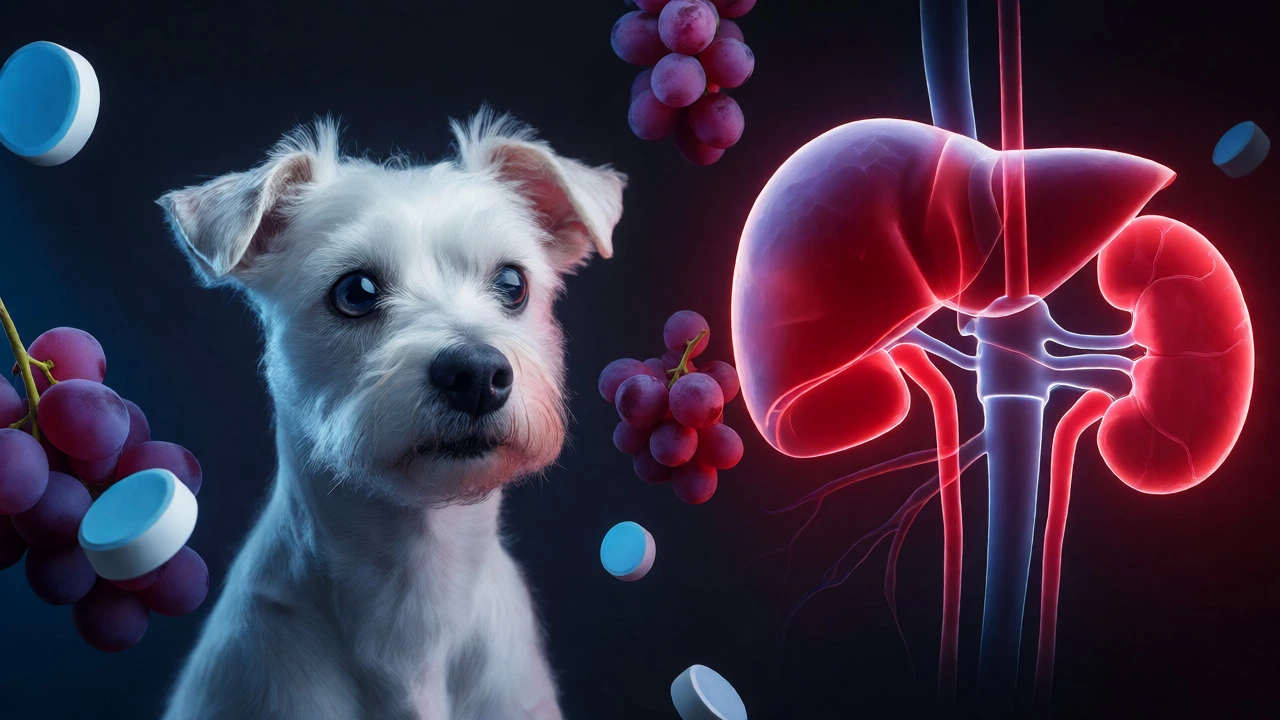
Unlike chocolate, where we know the culprit (theobromine), scientists still aren’t 100% sure what makes grapes and raisins toxic to dogs. What we do know is terrifying: even a small amount can cause acute kidney failure in susceptible dogs.
There is no safe dose. Some dogs eat a handful of grapes and feel fine; others eat two and end up on dialysis. Because we can’t predict who is at risk, veterinarians treat grape ingestion as an emergency regardless of quantity. Symptoms usually appear within 24 hours and include vomiting, diarrhea, dehydration, and eventually, a cessation of urination.
Macadamia Nuts
While many nuts are high in fat and can cause pancreatitis, macadamia nuts are uniquely toxic. Ingestion can lead to weakness, depression, vomiting, tremors, and hyperthermia. Symptoms typically develop within 12 hours and resolve within 48 hours with supportive care, but it’s miserable for the dog. Unlike other nuts, the exact toxin is unknown, but the reaction is consistent across cases.
Fatty Trimmings and Bones
It’s tempting to toss your dog a leftover steak trimmings. But high-fat foods trigger Pancreatitis-a painful inflammation of the pancreas. Dogs with pancreatitis suffer from severe abdominal pain, vomiting, and loss of appetite. It often requires hospitalization.
Then there are bones. Cooked bones splinter easily. Chicken wings, rib bones, and pork chops can puncture the esophagus, stomach, or intestines. Raw bones are safer but still carry risks of choking or bacterial contamination like Salmonella. If you want to give a bone, stick to large, raw beef marrow bones under supervision, and throw them away if they get small enough to swallow whole.
Dairy Products
Most adult dogs are lactose intolerant. They lose the enzyme lactase needed to break down milk sugars after puppyhood. Feeding your dog cheese or ice cream often results in gas, diarrhea, and stomach upset. While not toxic, it’s unhealthy and unpleasant. Stick to plain yogurt if you must, as the fermentation process breaks down much of the lactose.
Alcohol and Yeast Dough
Dogs are more sensitive to ethanol than humans. Even a small amount of beer, wine, or liquor can cause vomiting, disorientation, breathing difficulties, coma, and death. Alcohol poisoning happens fast because dogs absorb it quickly.
Raw yeast dough is another trap. As it rises, it ferments, producing ethanol. If your dog eats unbaked pizza crust, the dough expands in their warm stomach, causing bloating, and the fermentation produces alcohol internally. Both effects are dangerous and require immediate vet attention.
Avocado
Avocados contain persin, a fungicidal toxin. While dogs are less sensitive to persin than birds or horses, the pit is a major choking hazard and intestinal blockage risk. The flesh itself can cause mild gastrointestinal upset. It’s not worth the risk when there are plenty of safe alternatives.
How to Handle Accidental Ingestion
If your dog eats something questionable, don’t panic-but act fast. Here’s your checklist:
- Identify the food: Check labels for ingredients like xylitol or theobromine.
- Estimate the amount: Did they eat a crumb or the whole bag?
- Note the time: When did they eat it?
- Call your vet or poison control: Don’t induce vomiting unless instructed. Some substances cause more damage coming back up.
Keep the ASPCA Animal Poison Control Center number saved in your phone. Time is critical, especially with xylitol and grapes.
Safe Alternatives for Treats
You don’t have to ban treats. Just swap the risky ones for safe options:
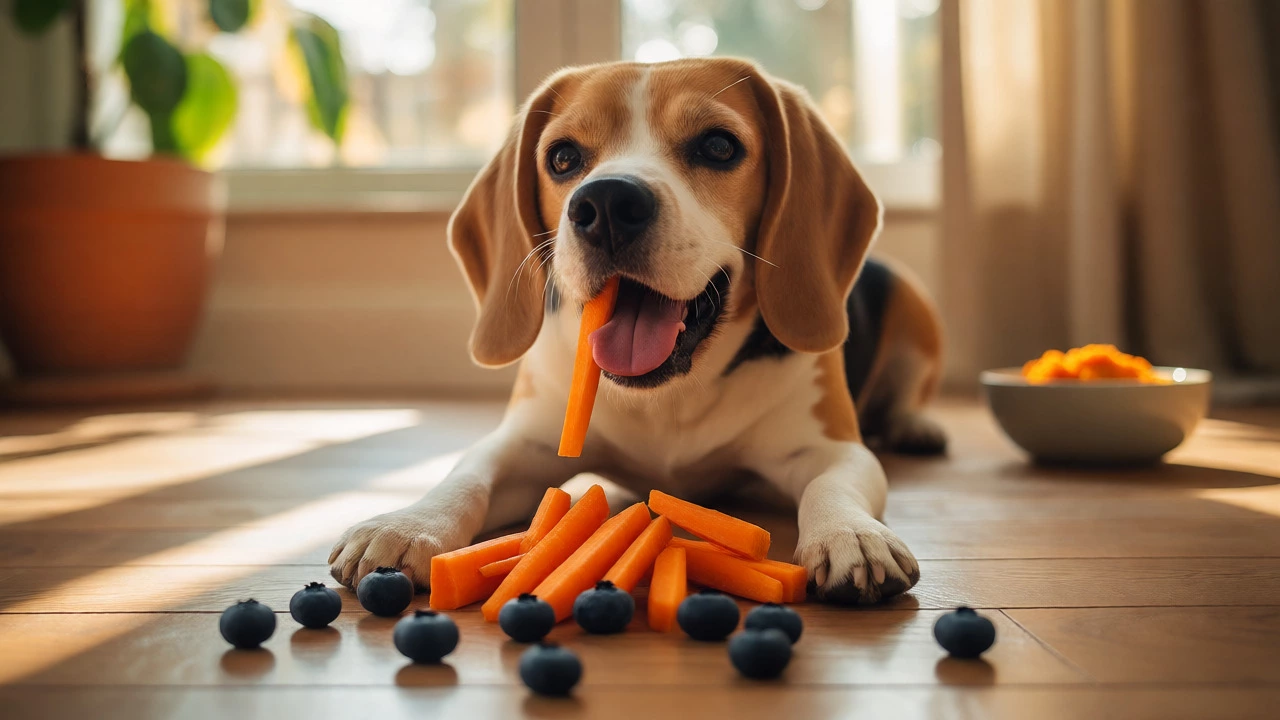
- Carrots: Crunchy, low-calorie, good for teeth.
- Blueberries: Packed with antioxidants, no toxicity risk.
- Plain Pumpkin: Great for digestion (not pie filling).
- Apple Slices: Remove seeds and core first.
- Green Beans: Low calorie and satisfying.
Is peanut butter always safe for dogs?
Not always. Many commercial peanut butters contain xylitol, a sweetener that is highly toxic to dogs. Always check the label to ensure it does not contain xylitol. Plain, unsalted peanut butter without added sweeteners is generally safe in moderation.
Can dogs eat cooked chicken bones?
No. Cooked bones become brittle and can splinter into sharp shards. These shards can puncture the digestive tract, causing life-threatening internal bleeding or obstruction. Raw bones are safer but still pose choking hazards.
Why are grapes dangerous if my dog ate one before and was fine?
Toxicity in dogs varies individually. Some dogs may tolerate small amounts of grapes or raisins without immediate visible symptoms, but this does not mean they are immune. Acute kidney failure can occur unpredictably, so it is best to avoid them entirely.
Is avocado toxic to dogs?
Avocado contains persin, which can cause vomiting and diarrhea in dogs. However, the bigger risk is the large pit, which can cause intestinal blockages. The flesh is less toxic than in birds, but it is still best to avoid feeding avocado to dogs.
What should I do if my dog eats chocolate?
Contact your veterinarian immediately. Provide the type of chocolate (dark, milk, white), the estimated amount consumed, and your dog's weight. Do not wait for symptoms to appear, as treatment is most effective early on.