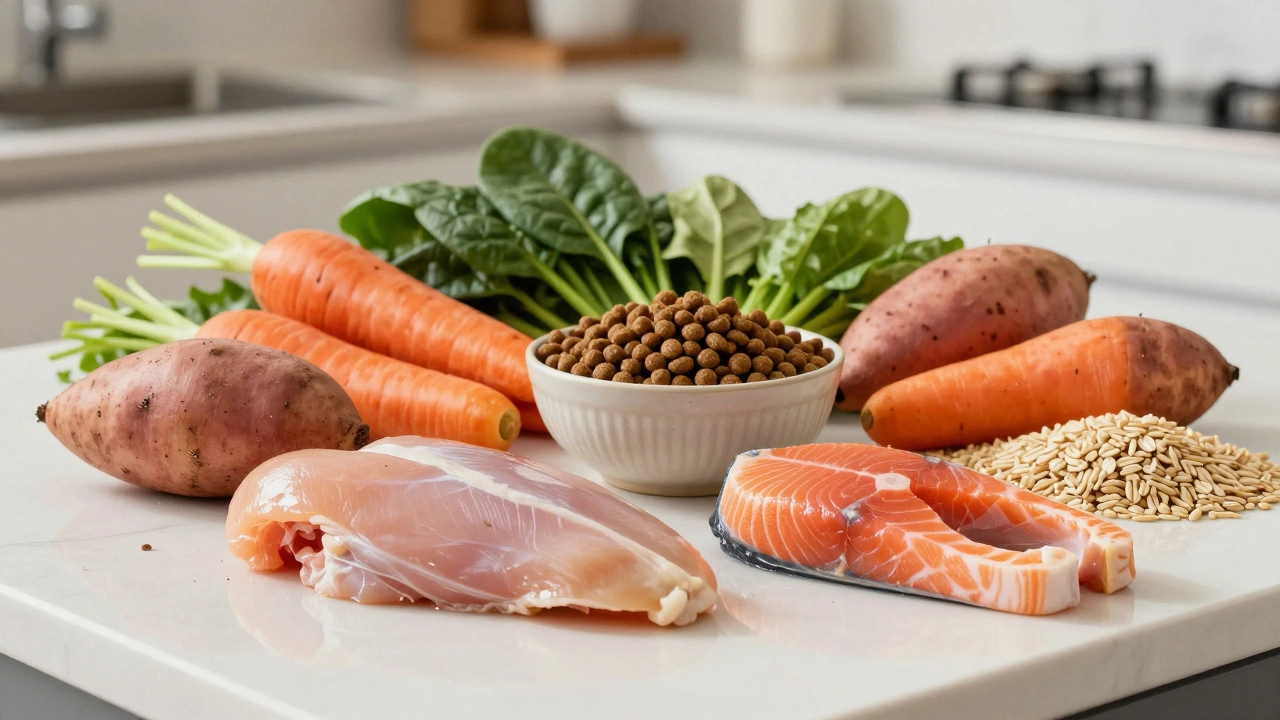
Daily Dog Calorie & Feeding Guide
Estimated Daily Calories
KibbleFeeding Advice:
There is no single "healthiest" food for every dog. If you have ever walked down the pet food aisle and felt overwhelmed by bags promising superfoods, grain-free miracles, or ancestral diets, you are not alone. The truth is that the best diet depends entirely on your specific dog’s age, breed, activity level, and health history. However, there are clear scientific benchmarks for what constitutes a nutritious meal.
The core question isn't just about ingredients; it's about balance. A diet loaded with expensive organic chicken is useless if it lacks essential amino acids or contains toxic levels of certain minerals. To figure out what to feed your dog, we need to look at nutritional science rather than marketing hype. This guide breaks down the components of a healthy dog diet, compares popular feeding methods, and helps you identify red flags in ingredient lists.
Understanding Canine Nutritional Needs
Dogs are omnivores, which means their digestive systems are designed to process both animal and plant matter. Unlike cats, who are obligate carnivores and strictly require meat to survive, dogs can thrive on a varied diet that includes proteins, fats, carbohydrates, vitamins, and minerals. Understanding this biological baseline is crucial before choosing a brand or preparation method.
| Nutrient | Function | Common Sources |
|---|---|---|
| Protein | Muscle repair, immune function, energy | Chicken, beef, fish, eggs, lentils |
| Fat | Energy storage, skin/coat health, vitamin absorption | Animal fats, fish oil, flaxseed |
| Carbohydrates | Fiber, sustained energy, gut health | Rice, oats, sweet potatoes, peas |
| Vitamins & Minerals | Bone strength, blood clotting, metabolism | Green tripe, liver, carrots, spinach |
The most critical aspect of any dog food is that it must be complete and balanced. This term has a specific legal meaning in the United States and many other countries. It indicates that the food meets the nutritional profiles established by the Association of American Feed Control Officials (AAFCO). Without this statement on the label, you cannot guarantee your dog is getting enough taurine, zinc, or calcium, regardless of how "natural" the ingredients look.
Kibble: The Standard for Convenience and Dental Health
Dry kibble remains the most common choice for dog owners, and for good reason. High-quality commercial kibble offers consistent nutrition, long shelf life, and ease of storage. When you buy a reputable bag of dry food, you know exactly what your dog is eating every day, which makes tracking calorie intake simple.
One often-overlooked benefit of kibble is dental health. The act of chewing hard kibble can help reduce plaque buildup compared to soft foods. While it won't replace brushing your dog's teeth, it provides a mechanical cleaning action that wet food does not. Look for brands that list a named meat source (like "chicken" or "salmon") as the first ingredient, rather than vague terms like "meat by-products" or "corn gluten meal."
A common myth is that all grains are bad for dogs. Unless your vet has diagnosed a specific grain allergy-which is rare-grains like rice, barley, and oats provide valuable fiber and energy. Grain-free diets were once thought to be superior, but recent research has linked certain grain-free formulas containing legumes (like peas and lentils) to Dilated Cardiomyopathy (DCM), a serious heart condition. Always consult your veterinarian before switching to a grain-free diet.
Wet Food: Hydration and Palatability
Wet dog food, also known as canned food, offers distinct advantages, particularly for hydration. Many dogs do not drink enough water on their own, leading to urinary tract issues and kidney strain. Wet food typically contains 70-80% moisture, helping to keep your dog hydrated without forcing them to drink from a bowl.
Wet food is also more aromatic and palatable, making it an excellent option for picky eaters, senior dogs with diminished senses of smell, or dogs recovering from illness. The softer texture is easier on aging teeth. However, wet food is generally more expensive per calorie than kibble and can contribute to dental decay if not managed with regular dental care. Many owners choose to mix wet and dry food to get the benefits of both.

Raw Diets: Benefits and Risks
The raw food diet, often referred to as BARF (Biologically Appropriate Raw Food), has gained popularity due to the belief that it mimics what wolves eat. Proponents argue that raw diets result in shinier coats, smaller stools, and higher energy levels. There is some truth to the idea that highly digestible fresh meats can improve stool quality.
However, raw feeding carries significant risks. Handling raw meat increases the risk of bacterial contamination, such as Salmonella and E. coli, for both the dog and the humans in the household. Puppies, senior dogs, and immunocompromised individuals are at particular risk. Furthermore, homemade raw diets are notoriously difficult to balance. Without precise supplementation, dogs can develop severe deficiencies in calcium, phosphorus, and other vital nutrients.
If you choose to feed raw, consider commercially prepared frozen raw meals that are formulated to meet AAFCO standards and undergo pathogen reduction testing. Avoid mixing random raw meats with supplements unless guided by a board-certified veterinary nutritionist.
Fresh and Cooked Home-Cooked Meals
Cooked home-prepared meals offer a middle ground between kibble and raw diets. You control the ingredients, avoiding preservatives and fillers, while cooking kills harmful bacteria. Brands like The Farmer’s Dog or Nom Nom have popularized this model by delivering pre-portioned, chef-cooked meals tailored to your dog's weight and activity level.
These services are convenient but come at a premium price. If you cook at home, you must ensure the diet is balanced. A plate of chicken and rice is not a complete diet over time. You need to include organ meats, vegetables, and possibly a multivitamin supplement. Working with a veterinary nutritionist is highly recommended to create a safe, long-term recipe. Never use onions, garlic, grapes, raisins, or chocolate in your dog's meals, as these are toxic.
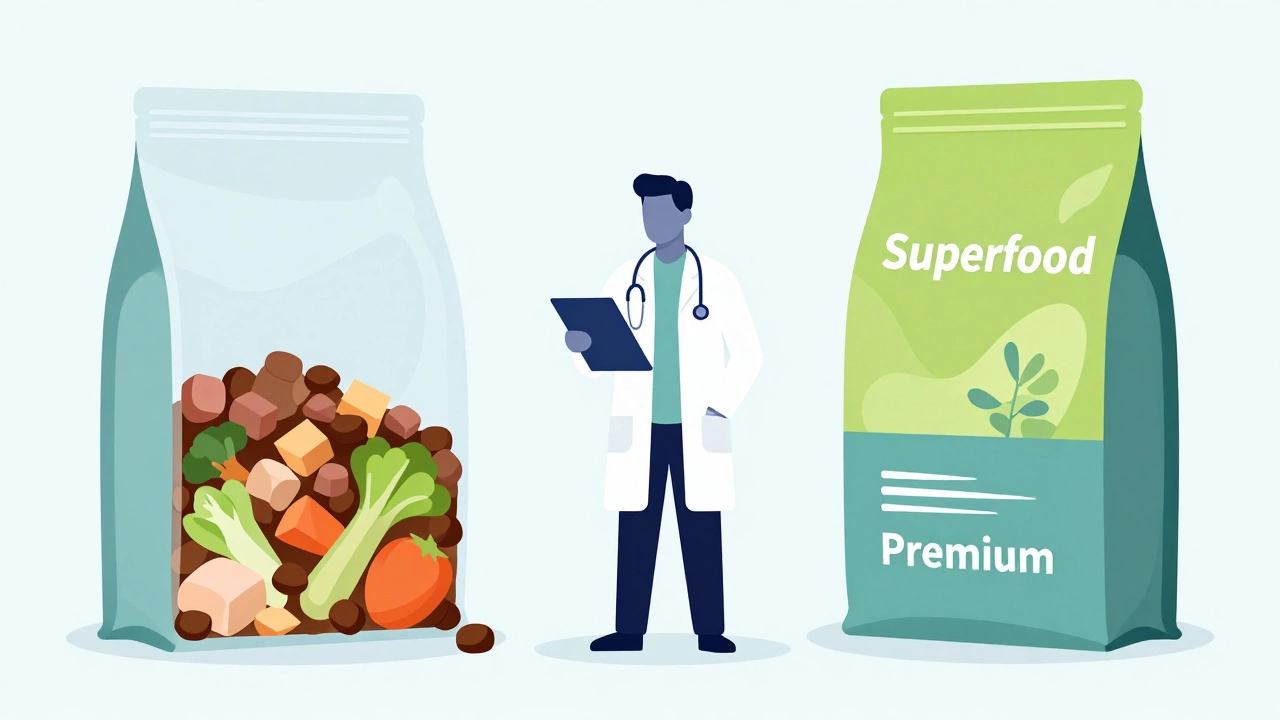
How to Read a Dog Food Label
Marketing claims can be misleading. "Human-grade," "holistic," and "premium" are not regulated terms. Instead, focus on the guaranteed analysis and the ingredient list. Ingredients are listed by weight, so the first item should be a high-quality protein source. Be wary of "ingredient splitting," where manufacturers list multiple forms of corn (e.g., corn meal, corn gluten, corn bran) separately to make a meat source appear higher on the list.
Look for the AAFCO statement on the label. It will specify whether the food is for "growth" (puppies), "maintenance" (adults), or "all life stages." Ensure the food matches your dog's current life stage. Feeding puppy food to an adult dog can lead to obesity and joint problems due to excessive calories and calcium.
Signs Your Dog Is Eating Well
How do you know if you've chosen the right food? Watch your dog's body condition score. You should be able to feel their ribs without seeing them prominently. Their coat should be shiny and soft, not dull or brittle. Stools should be firm and well-formed. Excessive gas, loose stools, or scratching may indicate a food intolerance or allergy. Regular vet check-ups, including blood work, can reveal internal health markers that external signs miss.
Is raw food safer than kibble?
Not necessarily. Raw food carries a higher risk of bacterial contamination like Salmonella and E. coli, which can affect both pets and humans. Kibble is cooked at high temperatures, killing pathogens. Commercially prepared raw foods often undergo pressure-extrusion or freezing processes to reduce pathogens, but the risk remains higher than with kibble.
Can I feed my dog human food?
You can share small amounts of plain, unseasoned meats, fruits, and vegetables, but human food should not replace a balanced dog diet. Many human foods contain salt, spices, or ingredients toxic to dogs, such as onions and garlic. Additionally, human diets are not formulated to meet the specific nutrient requirements of dogs.
What is the best protein source for dogs?
The best protein source depends on your dog's allergies and preferences. Chicken, beef, lamb, and fish are all excellent sources. Novel proteins like duck, venison, or kangaroo are useful for dogs with sensitivities. The key is ensuring the protein is highly digestible and accompanied by the correct amino acid profile.
Do dogs need grains in their diet?
Most dogs do not need to avoid grains. Grains provide fiber, energy, and essential fatty acids. Grain allergies are rare; protein allergies are more common. Unless your vet diagnoses a specific grain sensitivity, including whole grains like oats and brown rice can support digestive health.
How much should I feed my dog?
Feeding amounts vary based on calorie density of the food, your dog's weight, age, and activity level. Use the feeding guidelines on the package as a starting point, but adjust based on your dog's body condition score. Active dogs need more calories; sedentary or senior dogs need fewer. Consult your vet for a personalized plan.