Dog Adoption Process Tracker
Click on each stage below to see what is involved in that part of the journey. This tool helps you prepare for the timeline and requirements of municipal shelters, rescues, and foster networks.
Step 1: Research and Preparation
Before applying, define what kind of dog fits your lifestyle and gather necessary documents.
- ✓ Determine energy level needs (Senior vs. Puppy).
- ✓ Verify breed/size restrictions if applicable.
- ✓ Prepare proof of residence and vet references.
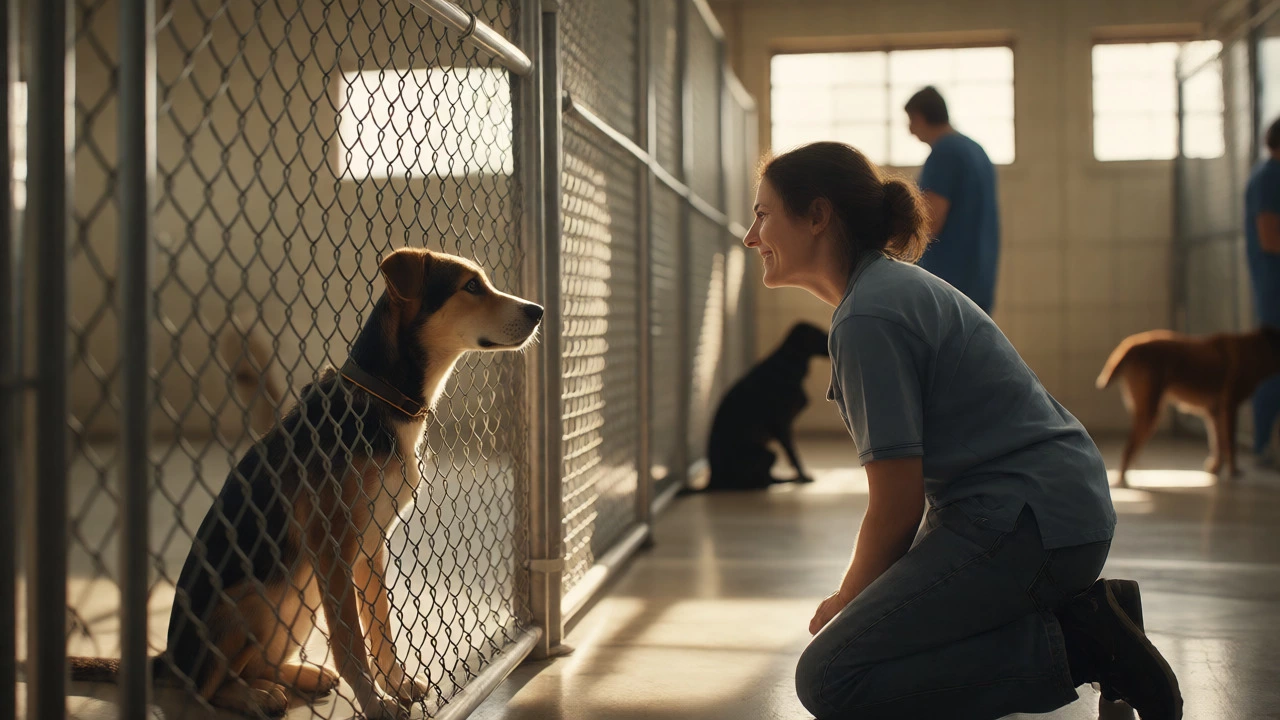
You’ve seen the photos on social media. Maybe you visited a local animal shelter and felt that pull toward a specific pair of eyes looking back at you. But then reality hits: What happens next? Do you just walk out with the dog? The answer is rarely that simple. Understanding what is the adoption process for a dog can save you weeks of waiting and prevent heartbreak when your favorite pup gets adopted by someone else while you’re still filling out paperwork.
The path from "I want a dog" to "This is my dog" varies depending on whether you’re working with a municipal shelter, a breed-specific rescue, or a private foster network. However, the core steps remain surprisingly consistent. This guide breaks down exactly what to expect, how to speed up the timeline, and why shelters ask those seemingly intrusive questions about your yard fence.
Research and Preparation Before You Apply
Most people start their journey by browsing websites like Petfinder or visiting local facilities. That’s fine, but the real work starts before you click "Apply." Shelters are busy places. If you show up unprepared, you might miss the window of opportunity for a high-demand dog. Start by defining what kind of dog fits your life. Are you looking for a low-energy senior companion or a high-drive herding breed that needs five miles of running daily?
Check your living situation first. If you rent, do you have pet approval in writing? Many rescues will not approve an application without proof that your landlord allows pets, including size and breed restrictions. If you own your home, take photos of your yard. Rescues often require a fenced area for certain breeds to ensure safety during the transition period. Having these documents ready shows you’re serious and speeds up the vetting process significantly.
Finding the Right Dog and Organization
Not all adoption organizations operate the same way. Municipal shelters usually have higher turnover and may allow same-day adoptions if the dog has been cleared medically and behaviorally. Non-profit rescues, particularly breed-specific ones, often have stricter criteria because they are committed to the dog’s lifelong welfare. They might interview you more deeply and require references.
| Organization Type | Typical Timeline | Vetting Rigor | Best For |
|---|---|---|---|
| Municipal Shelter | 1-3 days | Moderate (Basic checks) | Urgent needs, mixed breeds, open-minded adopters |
| Non-Profit Rescue | 1-4 weeks | High (References, interviews) | Breed-specific needs, dogs with special histories |
| Foster-Based Network | 2-6 weeks | Very High (Home visits common) | Puppies, dogs needing intensive rehab |
When you find a dog you’re interested in, read the bio carefully. Does it mention "good with cats" or "needs a quiet home"? These details are crucial. If you have three kids under ten, a dog labeled "best suited for adults only" might not be a match, no matter how cute he looks. Respect the organization’s assessment; they know the dog better than you do right now.
The Application Process
Once you’ve identified a candidate, you submit an application. This isn’t just a formality. It’s a legal and behavioral screening tool. Expect to provide personal information, employment status, and contact details for previous landlords or veterinarians. Some applications ask about other pets and children. Be honest here. If you had a dog that bit a child five years ago, say so. Hiding it doesn’t help anyone.
Processing times vary. In a crisis mode shelter, this might take hours. In a structured rescue, it could take several days. During this time, don’t panic if you don’t hear back immediately. Volunteers are often juggling dozens of cases. A polite follow-up email after 48 hours is acceptable; calling every hour is not.
Interviews and Home Checks
If your application passes the initial review, you’ll likely move to an interview. This can happen over the phone, via video call, or in person. The goal isn’t to judge you morally but to assess compatibility. Questions might seem odd: "Why do you want a dog?" or "How do you handle stress?" They are trying to gauge your expectations and lifestyle stability.
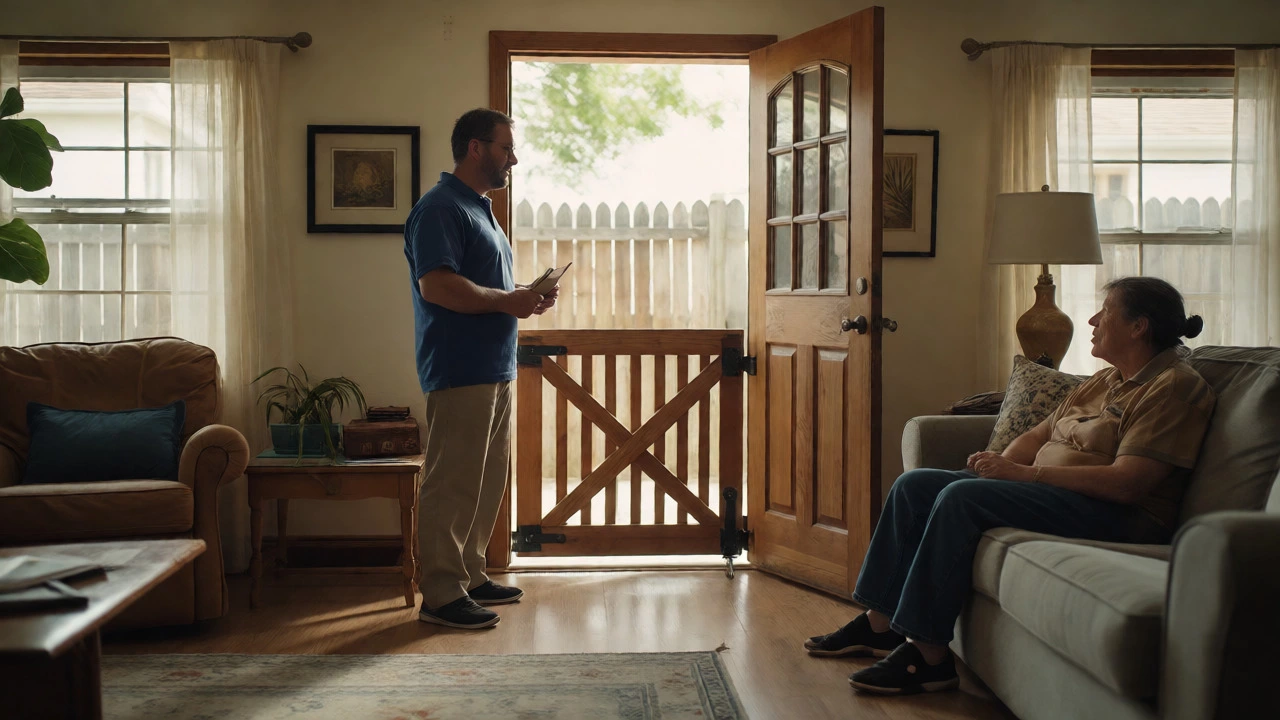
A home check (or home visit) is common for rescues. A volunteer comes to your house to verify safety hazards. They aren’t judging your cleaning skills; they’re looking for loose wires, toxic plants, or gaps in the fence. They also meet any existing pets. This interaction is critical. If your current dog growls aggressively at the potential new addition during a neutral meeting, the rescue might deny the adoption to prevent future conflicts.
Meeting the Dog: The Trial Run
This is the fun part-and the most important one. Most reputable organizations require a meet-and-greet between you, your family, and the dog. For multi-pet households, a controlled introduction with your resident animals is mandatory. Watch body language closely. Is the dog relaxed? Curious? Or is he hiding behind your legs?
Some rescues offer a "trial run," where you take the dog home for a weekend. This lets everyone see how the dog behaves in a real-world environment. Does he chew shoes? Does he sleep through the night? Use this time to observe, not to assume everything is perfect. If issues arise, discuss them with the rescue coordinator. They might suggest training adjustments rather than returning the dog immediately.
Finalizing the Adoption
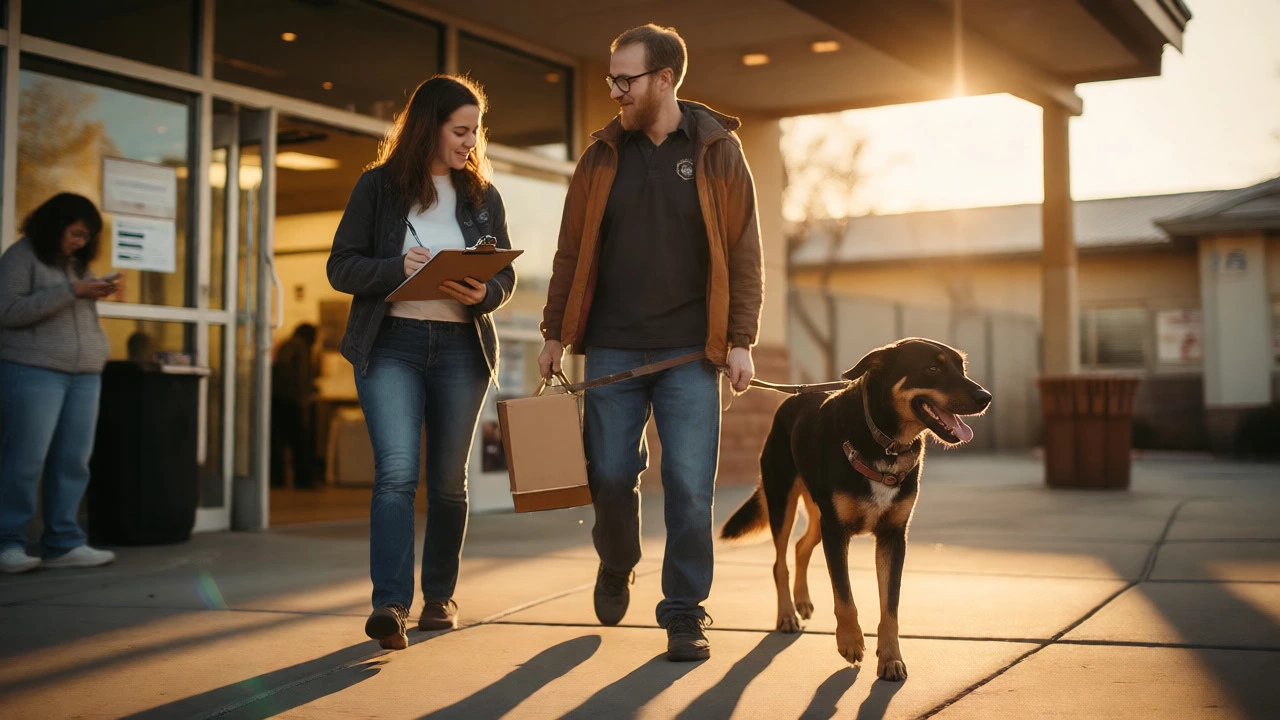
Once everyone agrees it’s a match, you sign the contract. This document outlines responsibilities, return policies, and spay/neuter requirements. Pay the adoption fee. While it feels expensive compared to buying from a breeder, remember that this fee covers vaccinations, microchipping, spaying/neutering, and deworming-services that would cost $300-$500 out of pocket.
You’ll receive medical records and a starter kit. Take advantage of any post-adoption support offered. Many rescues provide access to trainers or behaviorists for the first few months. Don’t hesitate to use them. The first two weeks are the hardest as the dog adjusts to a new routine.
Common Pitfalls to Avoid
One major mistake is adopting based solely on appearance. A fluffy coat hides many sins. Another is ignoring the "3-3-3 Rule." Dogs typically take three days to decompress, three weeks to learn routines, and three months to feel at home. Expectations should align with this timeline. Don’t bring friends over for a party on day two; give the dog space to breathe.
Also, avoid adopting multiple dogs at once unless you are highly experienced. Introducing two new dogs simultaneously doubles the workload and complicates bonding. Stick to one dog at a time. If you want a second, wait until the first is fully settled.
Next Steps After Bringing Your Dog Home
Now that you’ve navigated the process, focus on integration. Establish a routine quickly. Feeding times, walks, and potty breaks should be predictable. Schedule a vet visit within the first week to establish a baseline health record. Begin basic training using positive reinforcement methods. Consistency builds trust faster than treats alone.
How long does the dog adoption process take?
It depends on the organization. Municipal shelters can sometimes process adoptions in a single day if the dog is ready. Non-profit rescues typically take 1 to 4 weeks due to interviews, home checks, and reference verifications. Foster-based networks may take longer, up to 6 weeks, especially for puppies or dogs requiring specialized care.
Do I need a fenced yard to adopt a dog?
Not always, but it helps. Many rescues prefer a fenced yard for safety, especially for high-energy breeds or dogs with recall issues. If you live in an apartment, you can still adopt, but you must demonstrate a commitment to regular, supervised exercise and leash walking. Some organizations may waive the fence requirement if you have experience with off-leash training.
Can I adopt a dog if I work full-time?
Yes, but you need a plan. Puppies generally cannot be left alone for more than 4-6 hours. Adult dogs can handle longer periods, provided they are exercised beforehand. Consider hiring a dog walker or using daycare if you are away for 8+ hours. Rescues will ask about your schedule to ensure the dog won’t suffer from separation anxiety or boredom.
What happens if the adoption doesn’t work out?
Most contracts include a trial period (often 7-14 days). If there are severe behavioral issues or incompatibilities, you can return the dog to the rescue. Never rehome a rescue dog yourself without notifying the organization. They often have a right of first refusal to take the dog back, ensuring it goes to a suitable home rather than ending up in a kill shelter.
Is adopting a senior dog harder?
Adopting a senior dog involves similar steps but may include additional medical evaluations. Senior dogs often have known health histories, which reduces uncertainty. The main challenge is preparing for potential end-of-life care sooner. However, senior dogs are often house-trained and calmer, making the transition easier for first-time owners.