Find the Best Alternative to a Prong Collar
You’ve probably seen them on walks: those metal rings that pinch when your dog pulls. They’re called prong collars, and while some trainers swear by them, many vets and behaviorists are sounding the alarm. The question isn’t just about control-it’s about welfare. If you’re wondering what is better than a prong collar, you’re not alone. In fact, modern dog training has moved away from pain-based correction toward methods that build trust and cooperation.
Let’s cut through the noise. There are several humane, effective alternatives that work without causing discomfort or fear. Some even make walking easier because they teach your dog to pay attention to you instead of reacting against pressure. Below, we’ll break down exactly what works, who it’s for, and how to choose the right tool for your situation.
Why Prong Collars Are Falling Out of Favor
Prong collars are training devices with interlocking metal links that press into a dog’s neck when tension is applied. Also known as pinch collars, they’ve been used since the mid-20th century, especially in obedience sports and police K9 work. But here’s the catch: they rely on negative reinforcement-adding discomfort to stop unwanted behavior.
Studies published in journals like Applied Animal Behaviour Science show that aversive tools can increase stress hormones, trigger defensive aggression, and damage the human-dog bond. Even if your dog stops pulling temporarily, they might start hiding their fear behind compliance. That’s not learning; that’s suppression.
Plus, improper fit can cause tracheal damage, thyroid issues, or nerve irritation. You don’t need a vet bill to know something feels off when your dog tenses up every time you clip on the leash.
The Best Alternatives to Prong Collars (Ranked by Effectiveness)
| Tool | How It Works | Best For | Limitations |
|---|---|---|---|
| Front-clip harness | Leash attaches at chest, redirecting pull sideways | Strong pullers, reactive dogs, beginners | Can encourage leaning if poorly fitted |
| Head halter | Gentle control via muzzle guidance (like leading a horse) | Dogs who ignore body cues, high-distraction environments | Requires acclimation period; not for all breeds |
| Martingale collar | Tightens slightly under pressure but doesn’t choke | Sighthounds, escape artists, light-to-moderate pullers | Limited correction power for strong pullers |
| Body harness (back-clip) | Distributes pressure across chest/back | Casual walks, dogs with neck/trachea issues | Doesn’t discourage pulling; may reinforce it |
| Clicker + treat training | Rewards desired behaviors, builds voluntary cooperation | All dogs, especially those with fear/anxiety history | Requires consistency and patience |
Front-Clip Harnesses: The Go-To Solution for Most Dogs
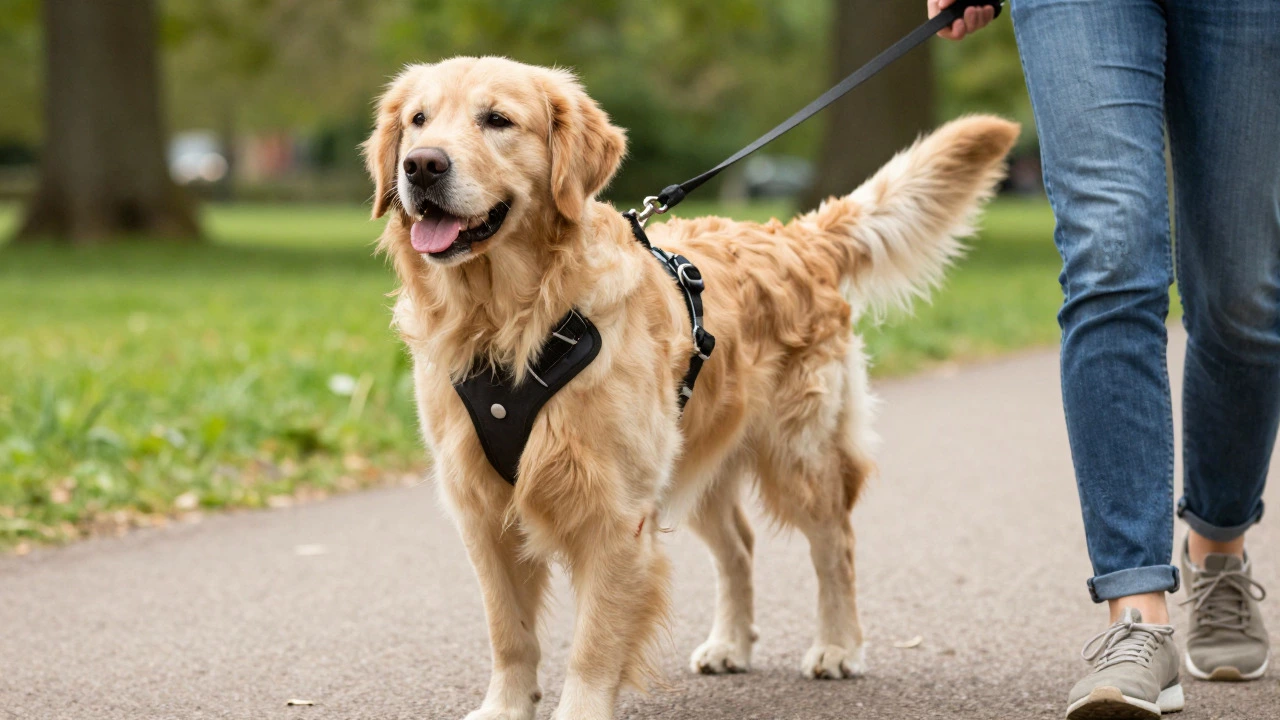
If you want one tool that replaces a prong collar for 80% of households, pick a front-clip harness. Brands like Ruffwear Front Range and Freedom Harness use a D-ring positioned between the shoulder blades. When your dog lunges forward, the leash gently turns their body toward you-not into resistance.
This design uses physics, not force. Think of it like steering a car by turning the wheel rather than slamming the brakes. Dogs quickly learn that pulling gets them nowhere, while staying close keeps things moving smoothly.
Pro tip: Look for padded straps and adjustable girth closures. A snug fit prevents chafing and slipping. Avoid cheap nylon models-they often dig into armpits or restrict movement.
Head Halters: Precision Control Without Pain
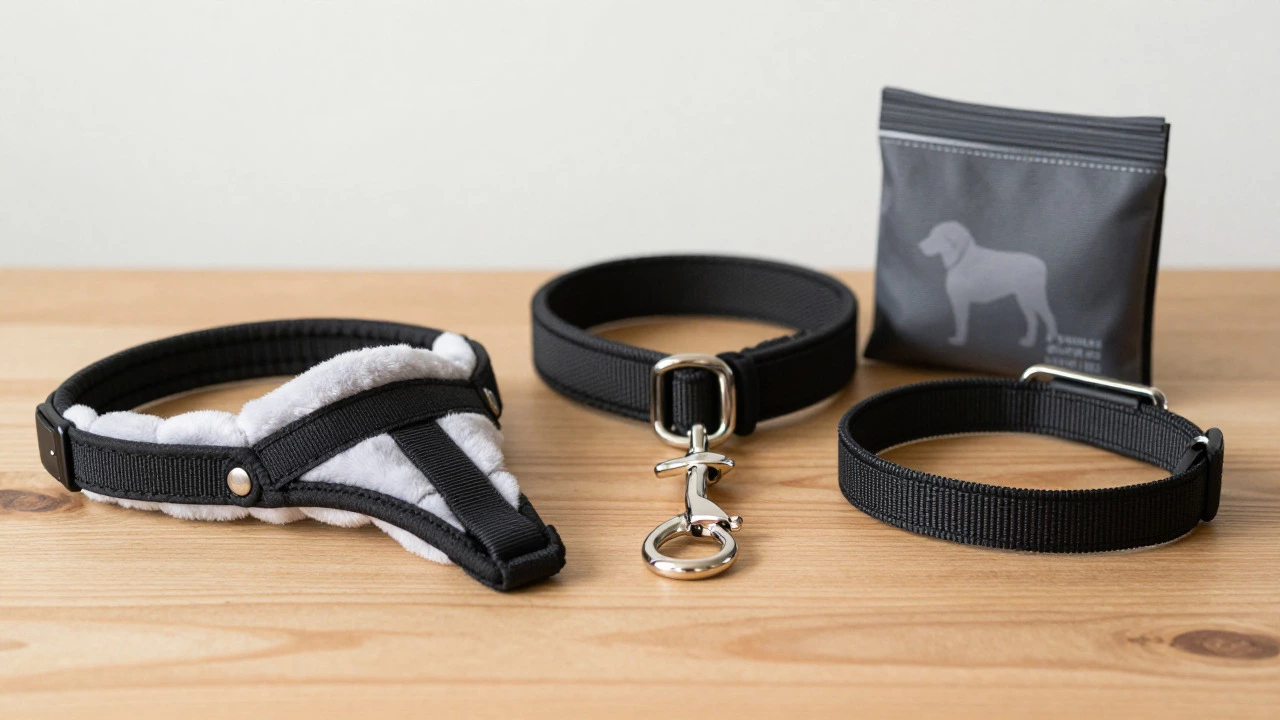
Head halters such as the Gentle Leader or Halti guide a dog’s head, which naturally controls the rest of the body. Unlike muzzles, they allow panting, drinking, and eating treats. The key is proper introduction: let your dog sniff it, reward calmness, and gradually add short indoor sessions before heading outside.
These work exceptionally well for dogs who’ve learned to ignore body language or react aggressively to other animals. One study found that 73% of owners reported reduced reactivity within three weeks of consistent use paired with positive reinforcement.
But beware: never yank the leash attached to a head halter. Sudden jerks can injure the neck or spine. Use gentle redirects and pair with verbal cues like “let’s go” or “watch me.”
Martingale Collars: Safe Fit for Escape Artists
Martingale collars feature a limited-slip design that tightens only enough to prevent backing out. Originally designed for sighthounds like Greyhounds and Whippets-who have narrow heads and wide chests-they’re now popular among owners of any breed prone to bolting.
Unlike prong collars, martingales don’t punish. They simply ensure security. If your dog slips out of standard flat collars during walks or playdates, this could be your best bet. Just measure carefully: the collar should sit two fingers above the Adam’s apple, snug but comfortable.
Note: Martingales aren’t ideal for heavy pullers. They offer minimal redirection power. Pair them with clicker training for lasting results.
Harnesses vs. Collars: What Should You Actually Use?
Here’s the truth most people miss: no single tool fixes bad habits overnight. Your choice depends on your dog’s personality, strength, and training stage.
- For new puppies: Start with a lightweight back-clip harness and focus on socialization and basic commands. Save advanced tools for later.
- For strong pullers: Switch to a front-clip harness immediately. Combine with high-value treats and directional changes to reset expectations.
- For anxious or reactive dogs: Head halters plus desensitization protocols yield faster progress than any collar alone.
- For healthy adult dogs with good recall: A well-fitted flat collar may suffice-but only if combined with ongoing reinforcement.
Remember: equipment supports training. It doesn’t replace it.
Training Techniques That Make Any Tool Work Better
Even the best gear fails without strategy. Here’s what actually changes behavior long-term:
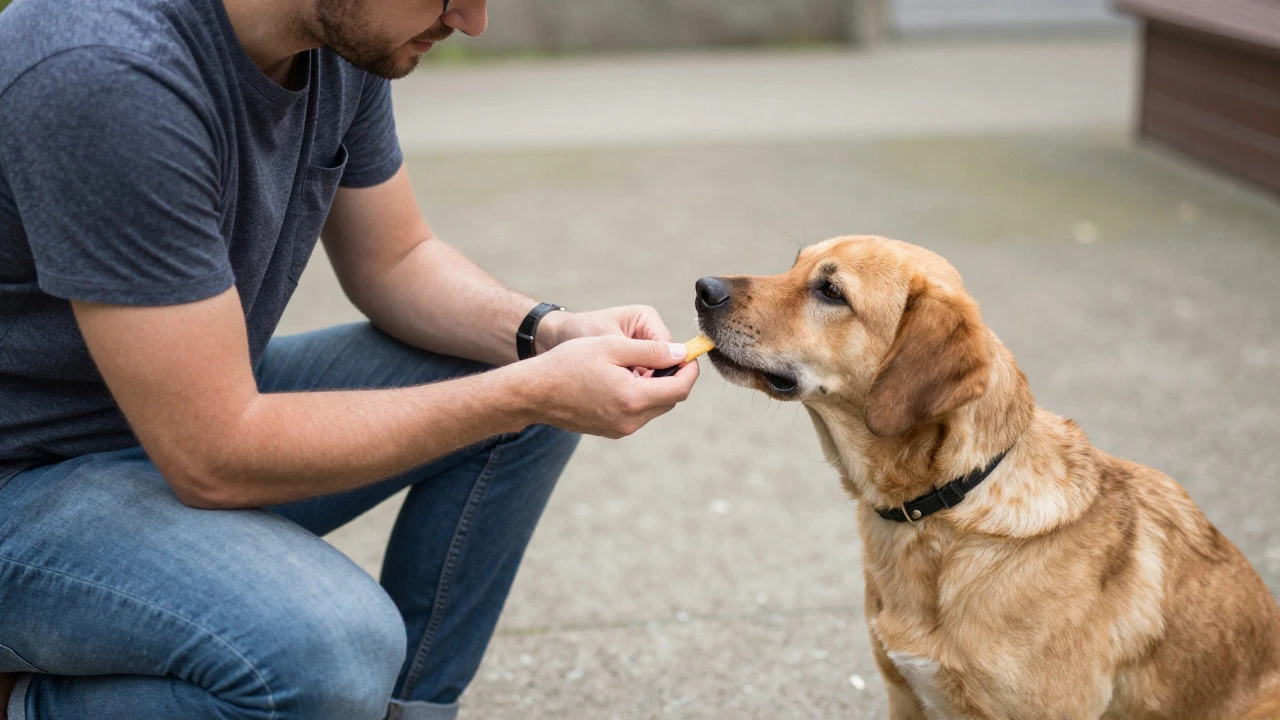
- Mark and reward: Use a clicker or marker word (“yes!”) the instant your dog checks in with you. Follow with a tasty treat. This builds association between attention and payoff.
- Change direction randomly: Walk left, then right, then circle back unpredictably. Keeps your dog engaged and guessing.
- Practice in low-distraction zones first: Master loose-leash walking in your backyard before tackling busy streets.
- Avoid punishment: Yelling, jerking, or shocking creates fear, not understanding. Calm consistency wins every time.
- End on a win: Finish each session with success-even if it’s just five seconds of perfect following. Reinforce momentum.
Consistency beats intensity. Ten minutes daily beats an hour once a week.
When to Consider Professional Help
If your dog growls, snaps, freezes, or becomes destructive around strangers or other pets, skip DIY fixes. Consult a certified professional trainer (look for CPDT-KA or IAABC credentials). Many behavioral issues stem from underlying anxiety or past trauma-not poor discipline.
In New Zealand, organizations like the New Zealand Kennel Club and local council-approved trainers offer affordable assessments. Early intervention saves money, frustration, and heartbreak down the line.
Final Thoughts: Choose Tools That Build Trust, Not Fear
There’s no magic bullet. But there are smarter choices. Whether you opt for a front-clip harness, head halter, or combination approach, prioritize comfort, communication, and compassion. Your dog isn’t trying to defy you-they’re responding to unclear signals. Give them clarity, and they’ll surprise you with how eager they are to cooperate.
And remember: the goal isn’t perfect obedience. It’s partnership. Because when your dog trusts you, walking together becomes less about control-and more about connection.
Is a prong collar cruel?
While not inherently abusive, prong collars apply pressure points that can cause pain, stress, or injury if misused. Many veterinary associations recommend avoiding them unless supervised by a qualified trainer. Humane alternatives exist that achieve similar outcomes without physical discomfort.
What’s the safest collar for a puppy?
A soft, adjustable nylon collar with a quick-release buckle is safest for puppies under six months. Avoid anything rigid or restrictive until their neck muscles develop fully. Pair with gentle handling and positive reinforcement to build confidence early.
Can I use a head halter on my senior dog?
Yes, provided your dog has no arthritis or neck stiffness. Introduce slowly indoors, monitor for signs of discomfort, and keep sessions short. Senior dogs benefit greatly from predictable routines and minimal strain-so adjust accordingly.
Do front-clip harnesses hurt dogs?
No, when properly fitted, front-clip harnesses distribute pressure evenly across the chest and shoulders. Poorly sized ones may rub or restrict movement, so always check sizing charts and allow room for growth or seasonal coat thickness.
How do I transition from a prong collar to a harness?
Start by letting your dog wear the harness at home without attachment. Reward calm behavior. Then attach the leash briefly inside before taking short outdoor trips. Gradually increase duration while reinforcing loose-leash walking with treats and praise.
Are martingale collars safe for all breeds?
Martingales suit most breeds except those with very sensitive skin or respiratory conditions. Always test fit carefully and avoid leaving on unsupervised. For brachycephalic breeds like Bulldogs, consider specialized designs that minimize throat compression.
What if my dog still pulls after switching tools?
Pulling persists when rewards outweigh consequences. Increase motivation by using higher-value treats (cheese, chicken), vary routes frequently, and practice stopping completely when tension occurs. Consistency over weeks yields lasting change.
Should I ever use a prong collar again?
Only under direct supervision of a certified trainer experienced in force-free methods. Never leave it on unattended. If your dog shows signs of fear, aggression, or avoidance, discontinue immediately and explore alternative strategies.