
Pet Vaccination Cost & Risk Calculator
Pet Details
Analysis Results
Based on average NZD veterinary costs
$150
Annual Vaccines$4500
Avg. Emergency BillRisk Assessment: Medium
Your pet's lifestyle presents a moderate risk of exposure to contagious diseases like Parvovirus or Distemper.
Potential Consequences if Unvaccinated:
Select your pet details and click calculate to see the cost difference between prevention and emergency treatment.
Imagine bringing your dog to the local park. The sun is shining, the grass is green, and other owners are letting their pups run free. It looks harmless. But beneath that surface, invisible threats are waiting. Without vaccinations, your pet isn't just skipping a shot; they are walking into a minefield of preventable diseases. The question isn't really whether vaccines work-they do. The real question is what happens when you decide not to use them.
In Wellington, where we love our outdoor lifestyle, the temptation to skip vet visits is real. Life gets busy. Vet bills add up. And there’s always that voice in the back of your head asking if it’s all necessary. But the consequences of an unvaccinated pet go far beyond a missed appointment. They involve severe health crises, financial ruin, legal trouble, and even the loss of your companion animal. Let’s look at the hard facts about what actually happens when you leave your pets unprotected.
The Silent Spread of Deadly Viruses
Diseases like Canine Distemper is a highly contagious viral disease that affects the respiratory, gastrointestinal, and nervous systems of dogs don’t care if you think vaccines are optional. Distemper has a mortality rate of up to 80% in puppies. Once symptoms appear-such as fever, coughing, and seizures-it is often too late for treatment. There is no cure. Supportive care can help some animals survive, but many die within days or weeks. Survivors often suffer from permanent nerve damage, leading to twitching muscles or paralysis.
Cats face similar dangers. Feline Leukemia Virus (FeLV) is a retrovirus that causes immunosuppression, anemia, and cancer in cats spreads through close contact like sharing food bowls or grooming. An infected cat may live for months or years before showing signs, but eventually, the virus destroys their immune system. Without the FeLV vaccine, indoor-outdoor cats are particularly vulnerable. Even strictly indoor cats aren't safe if another cat enters the home unnoticed.
These viruses linger in environments. Canine Parvovirus, for example, can survive on soil and surfaces for years. A single visit to an infected area can expose your unvaccinated dog to a dose strong enough to kill them. This isn't theoretical. These outbreaks happen every year in communities where vaccination rates drop below herd immunity thresholds.
The Financial Reality Check
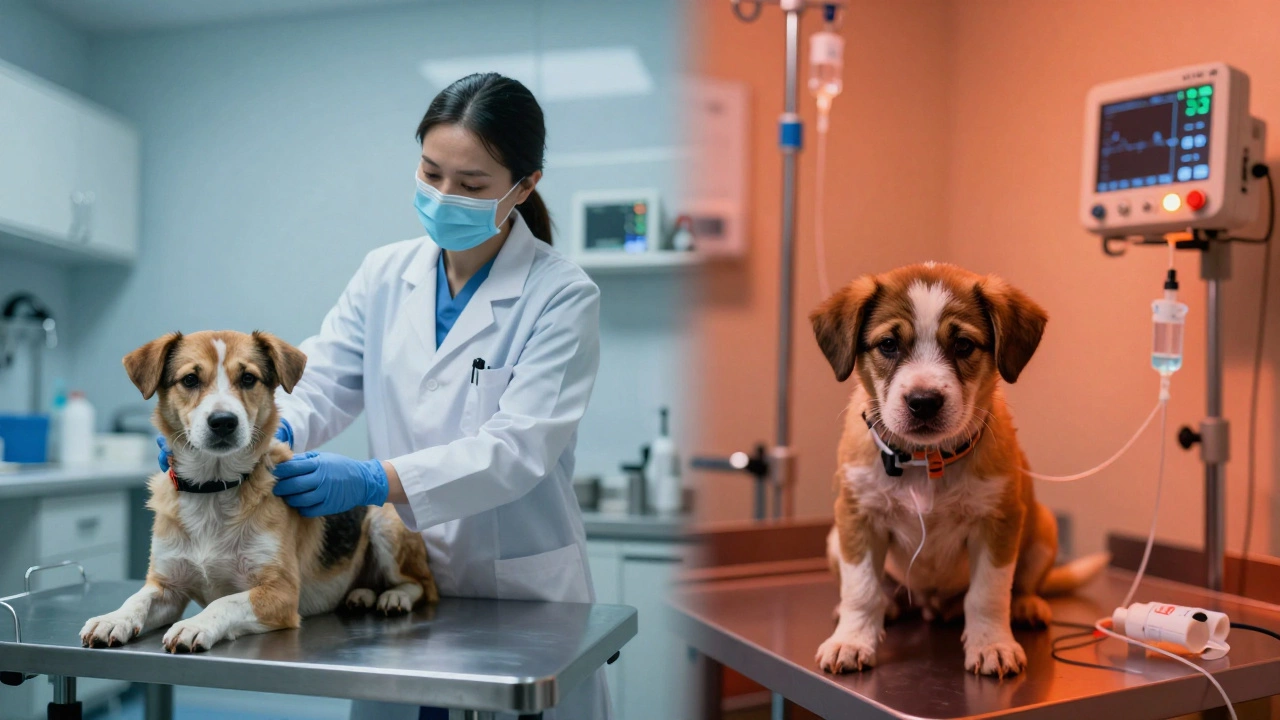
Let’s talk money. Skipping a $150 vaccination package seems smart until you’re facing a $5,000 emergency bill. Treating a case of Parvovirus requires intensive hospitalization, IV fluids, antibiotics, and anti-nausea medication for 5-7 days. Most pet insurance policies exclude conditions related to lack of preventive care. That means you pay out of pocket.
| Service | Average Cost (NZD) | Outcome Probability |
|---|---|---|
| Core Vaccinations (Dog/Cat) | $120 - $180 | 95%+ Protection |
| Parvovirus Treatment | $3,000 - $6,000 | 50-70% Survival Rate |
| Rabies Exposure Quarantine | $2,000 - $4,000+ | 100% Mandatory Isolation |
| Feline Upper Respiratory Infection | $500 - $1,500 | Variable Recovery |
Beyond direct medical costs, consider lost wages. Caring for a sick pet often means taking time off work. If your dog contracts Kennel Cough, they need isolation and constant monitoring. If your cat develops pneumonia from Calicivirus, they may require daily nebulizer treatments at home. These aren't minor inconveniences; they disrupt your entire life for weeks or months.
Legal and Social Consequences
In New Zealand, rabies vaccination isn't mandatory because the country is rabies-free. However, this changes if you travel internationally. Many countries require proof of rabies vaccination before allowing entry. Without it, your pet could be quarantined for six months or euthanized upon arrival. This applies even if you're just visiting friends overseas.
Domestically, laws vary by region. Some councils require annual vaccinations for dogs registered in public parks. Failing to comply can result in fines ranging from $200 to $1,000. More importantly, if your unvaccinated dog bites someone or contracts a transmissible disease, you may be held legally liable for damages. Courts increasingly view failure to vaccinate as negligence, especially when preventable diseases spread to other animals or humans.
Socially, the impact is immediate. Daycare centers, boarding facilities, and grooming salons universally require current vaccination records. An unvaccinated pet is excluded from these services. You lose access to socialization opportunities, professional care, and community activities. Your pet becomes isolated, which can lead to behavioral issues stemming from boredom and anxiety.
Impact on Community Herd Immunity
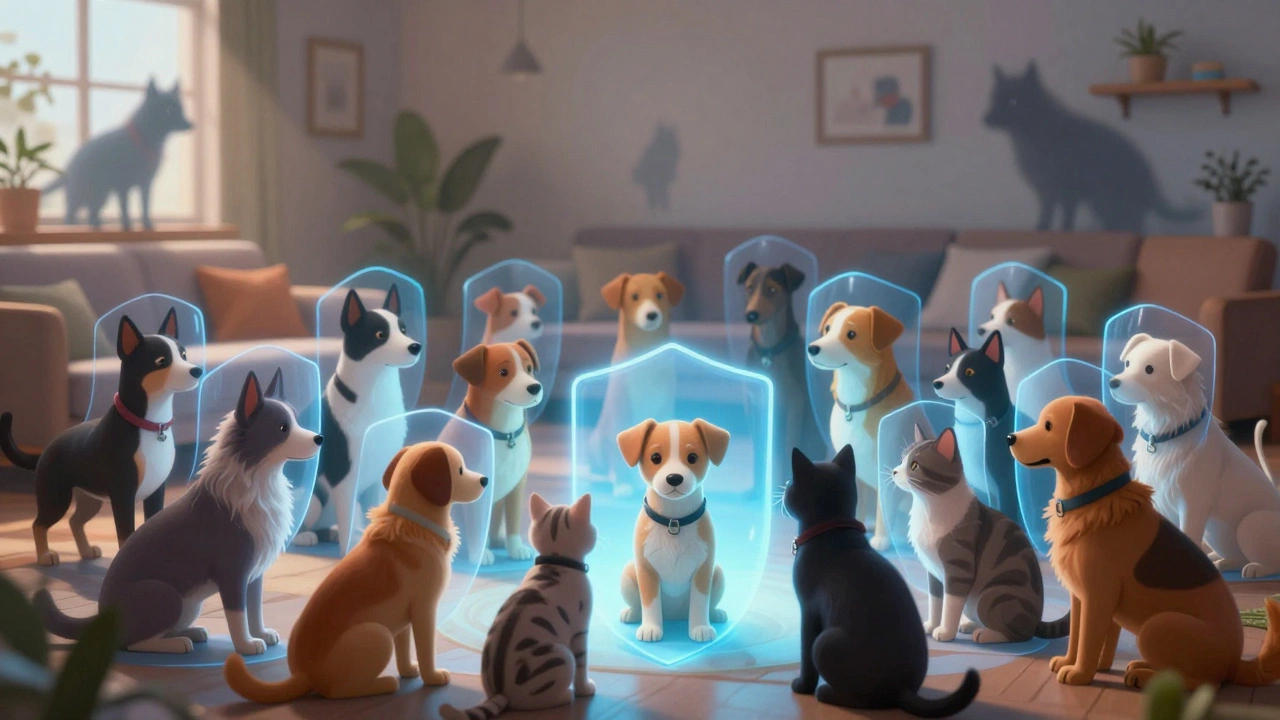
Vaccines don't just protect individual pets; they shield entire communities. When enough animals are vaccinated, the spread of disease slows down or stops entirely. This is called herd immunity. Puppies under 16 weeks old cannot complete their full vaccination series. They rely on older, vaccinated dogs around them to reduce exposure risk. Similarly, elderly pets or those with compromised immune systems depend on the broader population's protection.
If too many owners choose not to vaccinate, herd immunity breaks down. Outbreaks become more frequent and severe. We've seen this with human diseases like measles, and the same principle applies to pets. In areas with low vaccination coverage, veterinarians report higher cases of Parainfluenza, Bordetella, and Leptospirosis. These diseases strain veterinary resources and increase stress for all animals involved.
Your decision affects others. By choosing not to vaccinate, you increase the risk for every puppy, senior dog, and immunocompromised cat in your neighborhood. It's a collective responsibility, not just a personal choice.
Myths vs. Facts About Pet Vaccines
Misinformation drives many decisions against vaccination. Let's address common concerns directly.
- "Vaccines cause autoimmune diseases." While rare reactions occur, studies show no link between core vaccines and chronic autoimmune disorders in pets. The benefits vastly outweigh minimal risks.
- "Indoor pets don't need vaccines." Viruses can enter homes via shoes, clothing, or insects. Indoor cats still contract FIV and FeLV through stray visitors. Dogs brought inside after walks carry pathogens on their fur.
- "Natural immunity is better." Natural infection carries high mortality rates and unpredictable outcomes. Vaccines provide controlled, safe exposure without risking death or disability.
- "One vaccine lasts forever." Immunity wanes over time. Booster shots maintain protection levels. Skipping boosters leaves gaps in defense during critical periods.
Reputable sources like the World Small Animal Veterinary Association (WSAVA) recommend tailored vaccination plans based on lifestyle, age, and health status. Discuss options with your vet rather than relying on internet anecdotes.
Signs Your Pet Might Be At Risk
Not all risks are obvious. Watch for these indicators that suggest increased vulnerability:
- Recent travel to regions with known disease outbreaks.
- Interaction with unknown or stray animals.
- Participation in group activities like agility classes or dog parks.
- Living in multi-pet households where one member falls ill.
- Underlying health conditions such as diabetes or kidney disease.
If any apply, vaccination isn't optional-it's essential. Proactive prevention saves lives and preserves peace of mind.
Can my pet get sick even if they never go outside?
Yes. Diseases like Parvovirus and Rabies can be tracked indoors on shoes, clothes, or equipment. Additionally, mosquitoes and ticks transmit certain infections regardless of location. Indoor-only pets remain at risk unless properly vaccinated.
How long does immunity last after vaccination?
Immunity duration varies by vaccine type. Core vaccines typically protect for 1-3 years, while non-core vaccines may require annual boosters. Titer tests can measure antibody levels, but routine revaccination remains standard practice due to cost-effectiveness and reliability.
Are there natural alternatives to vaccines?
No scientifically proven natural alternatives exist. Homeopathic remedies lack clinical evidence and do not stimulate immune response effectively. Relying on unproven methods puts your pet at significant risk of contracting fatal diseases.
What should I do if my pet misses a booster shot?
Contact your veterinarian immediately. Depending on how much time has passed, they may recommend restarting the series or administering a single booster. Delaying further increases susceptibility to infection.
Do older pets still need vaccinations?
Absolutely. Senior pets often have weaker immune systems and face greater complications from illness. Regular check-ups and updated vaccinations ensure continued protection throughout their lifespan.