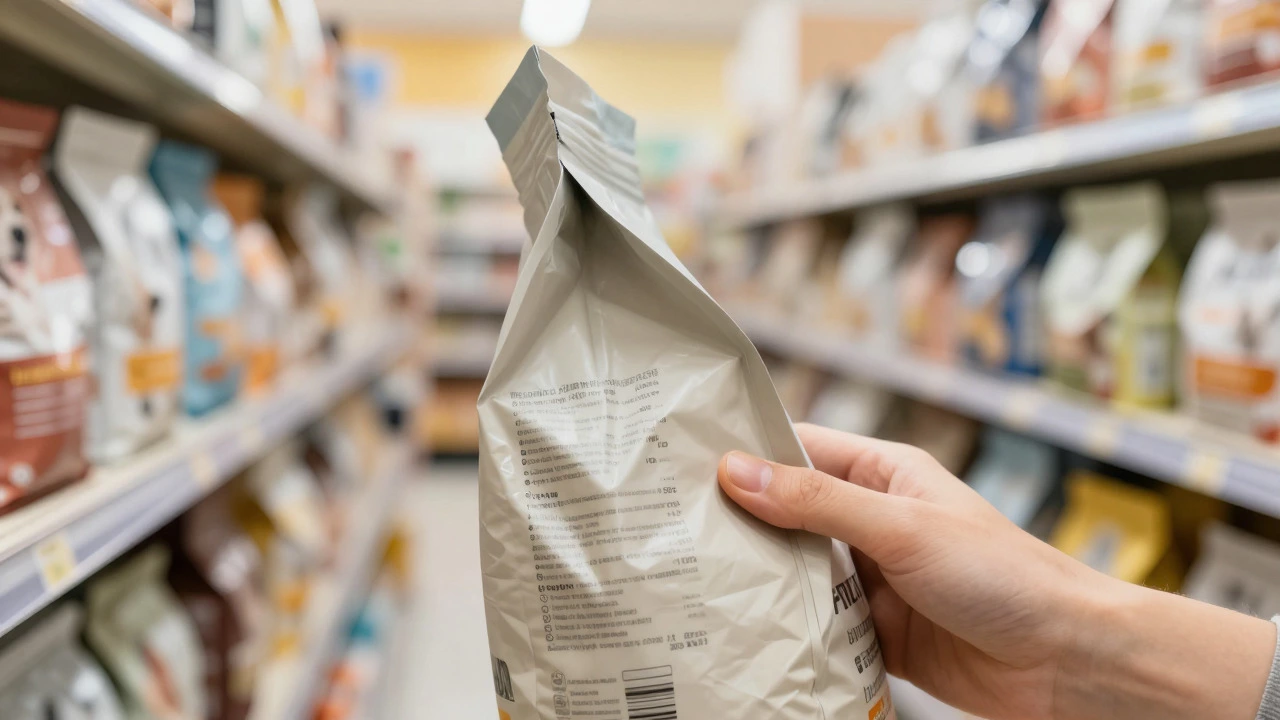
🐶 Dog Food Label Quality Checker
Enter the details from your dog food bag below to get an instant quality assessment. We check for named proteins, vague ingredients, fillers, and compliance statements.
Verdict
Walking into a pet store aisle can feel like standing in front of a wall of conflicting advice. One bag promises “grain-free superfoods,” while another touts “veterinarian recommended” formulas with long ingredient lists you can barely read. You just want your dog to be happy and healthy, but which label actually means something?
The short answer is that there is no single “best” brand for every dog. The healthiest dog food is a balanced diet that meets specific nutritional requirements based on your dog's age, size, activity level, and health conditions. However, we can identify clear markers of quality that separate genuinely nutritious meals from marketing fluff.
Key Takeaways
- Protein Quality Matters Most: Look for named animal proteins (chicken, beef, fish) as the first ingredient, not generic “meat meal.”
- AAFCO Compliance is Non-Negotiable: Ensure the food meets Association of American Feed Control Officials standards for your dog’s life stage.
- Grain-Free Isn’t Always Better: While suitable for some, excessive legume-based grain-free diets have been linked to dilated cardiomyopathy (DCM).
- Fresh or Raw Requires Care: These options offer high bioavailability but need strict hygiene protocols and veterinary supervision.
- Your Vet is Your Best Filter: Individual needs vary; a professional assessment beats any online ranking list.
Decoding the Label: What Actually Counts?
When you flip a bag over, the ingredient list isn't just a random assortment. It’s ordered by weight before cooking. If “chicken” is listed first, it’s the primary component. If “chicken meal” is first, it’s dehydrated chicken with fat removed-still good, but less digestible than fresh meat.
Avoid ingredients with vague names like “animal by-product” or “meat and bone meal” unless they are clearly defined. For example, “beef and bone meal” is transparent, but “animal digest” could contain anything from muscle meat to feathers.
Fillers are another red flag. Corn, wheat, and soy are common fillers that add bulk without significant nutritional value. They aren’t toxic, but they dilute the protein content. If your dog has sensitivities, these grains might trigger inflammation, so watching for them helps you tailor the choice.
| Food Type | Pros | Cons | Best For |
|---|---|---|---|
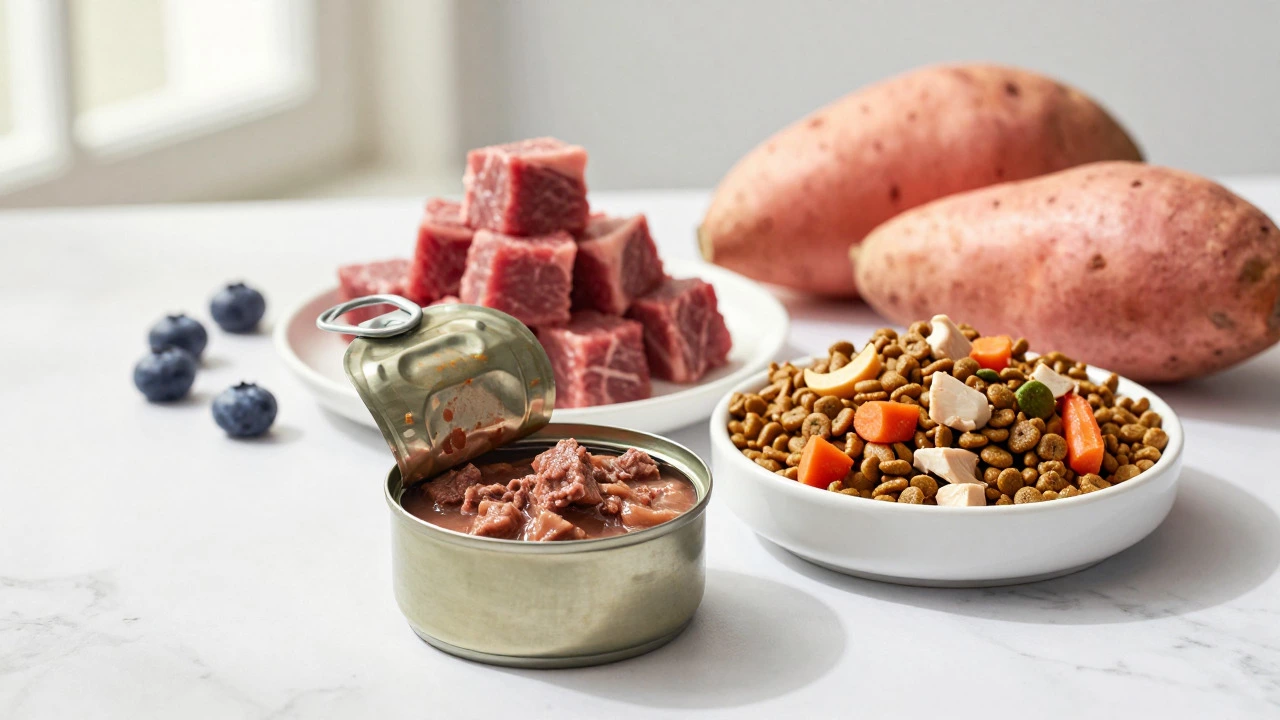
| Kibble (Dry) | Inexpensive, long shelf life, convenient | High processing temperatures may reduce nutrient integrity | Budget-conscious owners, multi-dog households |
| Canned (Wet) | Higher moisture, better palatability, higher protein density | More expensive, requires refrigeration after opening | Dogs needing hydration, picky eaters, senior dogs |
| Raw (BARF) | Natural state, high bioavailability of nutrients | Risk of bacterial contamination (Salmonella, E. coli), difficult to balance | Owners with time/knowledge, dogs with severe allergies |
| Fresh/Cooked | Gently cooked, minimal additives, highly digestible | Premium price, often subscription-only | Dogs with digestive issues, owners prioritizing convenience + quality |
The Protein Debate: Meat vs. Plant-Based
Dogs are facultative carnivores. This means they evolved from wolves but adapted to digest carbohydrates. Unlike cats, they don’t *need* meat to survive, but they do need amino acids that are most efficiently sourced from animal products.
High-quality kibble usually contains 18-30% protein. If you’re feeding a large breed puppy, you’ll want the higher end of that spectrum to support rapid growth. For an older, less active dog, 15-20% might be sufficient to prevent weight gain.
Plant-based proteins like peas, lentils, and chickpeas have surged in popularity due to grain-free trends. While they provide fiber and essential fats, relying too heavily on legumes can lead to thiamine (Vitamin B1) deficiency. This was a major factor in the recent rise of DCM cases in dogs eating certain grain-free diets. So, if you choose a plant-heavy formula, ensure it’s fortified with adequate thiamine and monitored by a vet.
Understanding AAFCO Standards
You’ve likely seen the phrase “Formulated to meet the nutritional levels established by the AAFCO Dog Food Nutrient Profiles” on the back of a bag. This is the gold standard in North America and increasingly recognized globally.
AAFCO is an independent organization that sets minimum nutrient profiles for pet foods to ensure they are complete and balanced. When a food claims this compliance, it means the manufacturer has either fed the product to dogs in a study or formulated it to hit specific minimums for protein, fat, vitamins, and minerals.
Look for the statement: “This product is formulated to meet the nutritional levels established by the AAFCO Dog Food Nutrient Profiles for [Life Stage].” If it says “for all life stages,” it’s designed to work for puppies, adults, and seniors. If it specifies “adult maintenance,” it’s not ideal for growing puppies who need more calcium and phosphorus.
Fresh and Raw Diets: The Premium Option
In recent years, services like The Farmer’s Dog or Ollie have changed how people think about pet meals. Instead of buying a bag, you get pre-portioned, gently cooked meals delivered to your door. These foods typically use human-grade ingredients and avoid artificial preservatives.
The benefit is digestibility. Many dogs experience less gas, firmer stools, and shinier coats when switching to fresh food. However, the cost is significantly higher-often 2-3 times the price of premium kibble.
If you opt for raw food (uncooked meat, bones, and vegetables), you take on more responsibility. You must source clean meat, grind bones safely to avoid splintering, and supplement with calcium and omega-3 fatty acids. It’s not inherently healthier than well-formulated kibble, but it does remove the heat processing step that can degrade some vitamins.

Common Myths About Healthy Dog Food
Let’s bust a few myths that still circulate in pet owner groups.
- “Natural” means organic. Not necessarily. “Natural” just means no synthetic colors or flavors. Organic certification is a separate, stricter standard.
- Human food is always better. Feeding your dog leftover steak sounds nice, but it lacks the precise mineral balance dogs need long-term. Taurine, for instance, is crucial for heart health and is easily lost during home cooking.
- Expensive equals best. Marketing budgets inflate prices. A mid-range kibble from a reputable manufacturer with transparent labeling is often superior to a luxury brand that hides its sourcing.
How to Choose Based on Your Dog’s Needs
Your dog’s specific situation dictates the right choice. Here’s a quick guide:
- Puppies: Need high energy density and specific calcium/phosphorus ratios. Stick to “Puppy” labeled formulas until 12 months (or 18-24 months for giant breeds).
- Senior Dogs: May need lower calories to prevent weight gain, plus added joint support ingredients like glucosamine and chondroitin.
- Active Working Dogs: Herding or hunting dogs burn through energy fast. High-fat, high-protein formulas help maintain muscle mass.
- Dogs with Allergies: Hydrolyzed protein diets break down proteins into tiny pieces that the immune system doesn’t recognize, reducing reactions.
Transitioning to a new food should take at least 7-10 days. Mix increasing amounts of the new food with the old one to prevent gastrointestinal upset. Sudden changes can cause diarrhea or vomiting, which isn’t a sign the food is bad, but rather that the gut bacteria needed time to adjust.
Frequently Asked Questions
Is grain-free dog food really bad for my dog?
Not necessarily. Grain-free is fine for dogs with grain allergies. However, studies have linked certain legume-heavy grain-free diets to dilated cardiomyopathy (DCM). If your dog eats grain-free, monitor their heart health regularly with your vet. Grains like rice and oats are generally safe and provide good fiber.
Can I feed my dog human food instead of commercial dog food?
You can include small amounts of plain-cooked human food as treats, but it shouldn’t replace a complete diet. Home-cooked diets require careful balancing of calcium, phosphorus, and essential fatty acids. Without proper supplementation, deficiencies can develop over months. Consult a veterinary nutritionist if you want to try this route.
What is the difference between dry and wet dog food?
Dry food (kibble) has low moisture (10%) and is calorie-dense, making it easier to store and portion. Wet food has high moisture (70-80%), which helps hydrate dogs that don’t drink enough water. Wet food is often more palatable but requires more frequent feeding and storage in the fridge.
Do I need to buy the most expensive dog food for my dog to be healthy?
No. Price often reflects marketing and packaging, not just nutrition. Mid-tier brands from reputable manufacturers often meet AAFCO standards with high-quality ingredients. Focus on ingredient transparency and third-party testing rather than the price tag alone.
How do I know if my dog is allergic to its food?
Signs include itching, ear infections, or chronic diarrhea. To diagnose, you need an elimination diet trial lasting 8-12 weeks where you feed only a novel protein source (like venison or duck) that your dog hasn’t eaten before. If symptoms resolve, you’ve identified the culprit. Reintroduce other ingredients slowly to pinpoint the specific allergen.