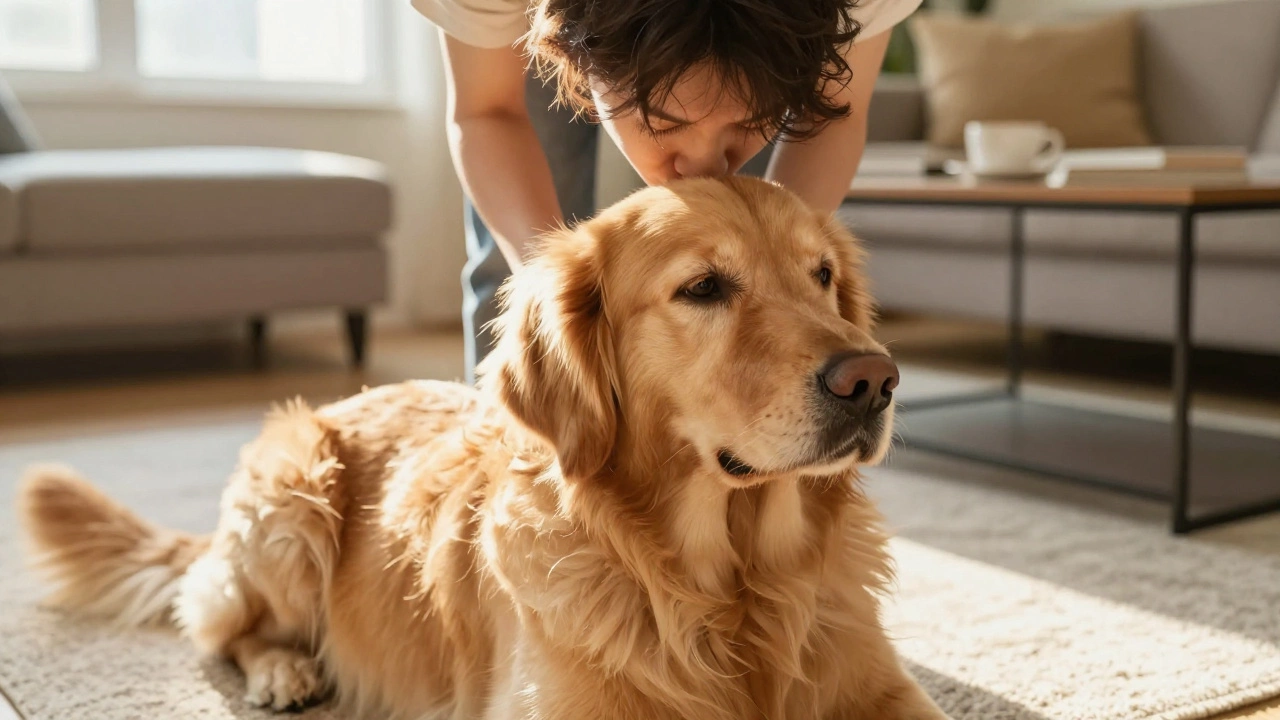
When you lean in to kiss your dog, do they lean back? Do they lick your face? Do they look away like they’re embarrassed? Or do they wiggle their whole body like they’ve won the lottery? You might think you’re showing love-but what’s really going on in your dog’s head?
Dogs don’t kiss the way humans do. They don’t understand the cultural meaning behind a lip-to-face peck. But that doesn’t mean they don’t feel something when you do it. The truth is, your dog isn’t thinking, "Oh, what a romantic gesture." They’re thinking, "What’s happening? Is this safe? Do I like this?"
How Dogs Learn to Accept (or Enjoy) Kisses
Dogs don’t naturally kiss each other. In dog language, putting your face close to another dog’s face can be seen as a threat or a challenge. So when you kiss your dog, you’re doing something that doesn’t exist in their natural communication system. That means they don’t come into this with any built-in understanding.
But dogs are experts at reading patterns. If you kiss your dog every morning before work, every night before bed, and always follow it with a treat, a scratch behind the ears, or a walk-they start to connect your kiss with good things. Over time, they learn that your lips on their head or nose means attention, comfort, or reward.
A 2022 study from the University of Vienna tracked 30 dogs during owner interactions. Researchers found that dogs who were kissed regularly showed lower stress hormone levels (cortisol) when kissed compared to dogs who were rarely kissed. But here’s the catch: the dogs who enjoyed it were the ones whose owners also paid attention to their body language. If the dog turned away, licked their lips, or yawned, the owner stopped. That’s key.
What Your Dog Actually Feels During a Kiss
When you kiss your dog, their brain isn’t lighting up in the same areas as a human’s when they receive affection. Humans use the oxytocin system for bonding during kisses. Dogs do too-but only if the interaction is positive and consensual.
Here’s what’s happening in your dog’s body when you kiss them:
- Positive reaction: Tail wagging, relaxed ears, soft eyes, licking your face back, leaning into you. This means they’ve learned to associate your kiss with safety and reward.
- Neutral reaction: No reaction at all. They stand there, eyes half-closed, waiting for you to finish. This isn’t dislike-it’s indifference. They tolerate it because they trust you.
- Stress reaction: Ears pinned back, head turning away, lip licking, yawning, avoiding eye contact, stiffening up. These are classic signs of discomfort. If you see this, you’re not giving them love-you’re making them anxious.
Many people assume their dog loves kisses because they don’t run away. But dogs don’t run from people they love. They stay because they’re loyal, not because they enjoy it. A dog who truly loves your kisses will seek them out. They’ll nudge their face into your hand, tilt their head up, or even bring you a toy to initiate the interaction.
Why Some Dogs Hate Being Kissed
Not all dogs are okay with kisses. Some find it overwhelming, confusing, or even threatening. Think about it: you’re suddenly invading their personal space with your mouth. That’s not how dogs greet each other. They sniff noses, lick each other’s faces gently, or wag tails side by side.
Some breeds are more sensitive to facial contact. Sighthounds like Greyhounds and Whippets often dislike being touched on the head. Dogs with past trauma-especially those from shelters or abusive homes-may freeze or flinch when someone leans in. Even dogs raised in loving homes can be uncomfortable if kisses are too loud, too sudden, or too frequent.
One owner told me her rescue dog, Max, would whine every time she kissed him on the forehead. She thought he was just being dramatic. Then she noticed he’d do it only when she kissed him after coming home from work. She realized he was stressed by her perfume. Once she stopped using strong scents before kissing him, the whining stopped.
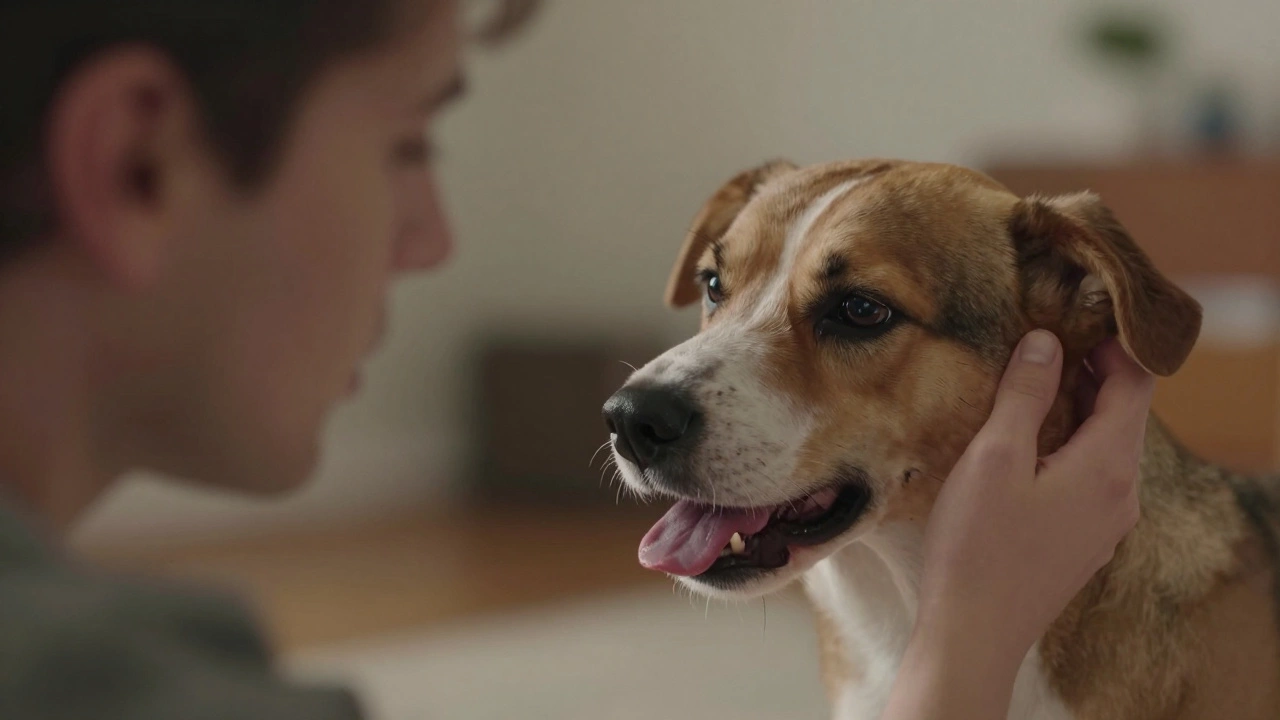
How to Tell If Your Dog Actually Likes It
Here’s a simple test: next time you kiss your dog, pause right after. Don’t move. Don’t talk. Just watch.
- If they lick your face, nuzzle you, or rest their head on your lap-they’re saying, "More, please."
- If they walk away, sit down, or look at the door-they’re saying, "I’m done."
- If they stare at you with soft eyes and blink slowly-they’re giving you the dog version of a love letter.
Slow blinking is one of the strongest signs of trust in dogs. It’s their way of saying, "I’m not afraid. I’m calm. I’m with you." If your dog blinks slowly after you kiss them, you’ve hit the jackpot.
What to Do Instead of Kisses (If They Don’t Like Them)
You don’t need to kiss your dog to show love. In fact, most dogs prefer other kinds of affection.
- Scratching behind the ears: This triggers a pleasure response in their brain. It’s like a natural dopamine hit.
- Body rubs: Gently rubbing their chest, shoulders, or base of the tail feels comforting.
- Playtime: A quick game of fetch or tug-of-war builds bonding faster than any kiss.
- Quiet time together: Sitting next to them while you read or watch TV tells them you’re present.
- Verbal praise: Use a soft, warm tone. Dogs pick up on tone more than words.
One dog trainer I spoke to said, "I’ve seen dogs who’ve never been kissed but will follow their owner everywhere because they get daily ear scratches and five-minute cuddles on the couch. That’s the real love language."
Can Dogs Learn to Like Kisses?
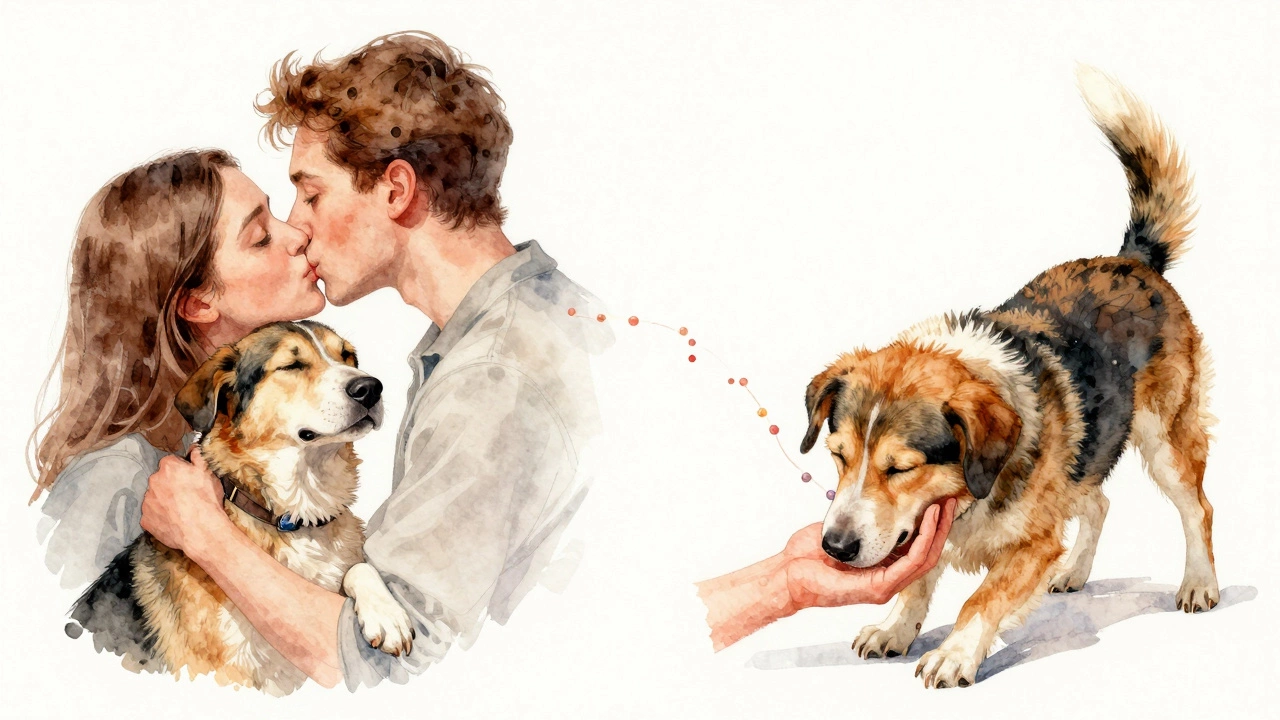
Yes-but only if you go slow and let them lead.
Start by kissing the air near their head, not their face. Then give a treat. Do this for three days. Next, kiss the side of their neck. Treat again. After a week, try a light peck on the top of their head. Watch their reaction. If they stay relaxed, reward. If they move away, stop. Don’t force it.
It takes patience. Some dogs never learn to enjoy kisses-and that’s okay. Love isn’t about forcing your behavior onto them. It’s about meeting them where they are.
When to Stop Kissing Your Dog
There are times when kissing your dog isn’t just awkward-it’s risky.
- After you’ve been sick: Dogs can catch some human germs. A cold or flu virus might not hurt you, but it could make your dog miserable.
- If they have open wounds: Your mouth has bacteria that could infect a cut on their skin.
- When they’re eating or sleeping: Interrupting those moments can trigger resource guarding or startle responses.
- If they’re anxious or overstimulated: Don’t add more pressure when they’re already overwhelmed.
Also, avoid kissing your dog on the mouth. Their saliva contains bacteria that can cause infections in humans, especially in kids, elderly people, or those with weakened immune systems. It’s not dangerous for everyone-but it’s not worth the risk.
What Your Dog Really Thinks When You Kiss Them
They don’t think in words. They don’t analyze your intentions. But they feel your energy. They sense your rhythm, your breath, your tension-or your calm.
If you kiss your dog with a smile, a relaxed posture, and a gentle touch, they feel safe. If you kiss them while rushing, stressed, or distracted, they feel confused.
So when you kiss your dog, what do they think? They think:
- "This person is close. Are they safe?"
- "Is this going to lead to something good?"
- "Do they mean well?"
- "Can I relax now?"
That’s it. No poetry. No drama. Just trust, or the lack of it.
Here’s the real secret: your dog doesn’t care if you kiss them. They care if you’re present. If you’re kind. If you’re consistent. If you notice when they need space.
So the next time you lean in, pause. Look at their eyes. Watch their body. If they’re relaxed, go ahead. If they’re unsure, skip it. Give them an ear scratch instead. They’ll love you just as much-and maybe even more.
Do dogs understand kisses like humans do?
No, dogs don’t understand kisses the way humans do. They don’t have a cultural concept of kissing as a sign of love. Instead, they learn through experience whether your kiss leads to something positive-like attention, treats, or calm affection-or if it’s confusing or stressful.
Why does my dog lick me after I kiss him?
Licking is a dog’s way of returning affection, seeking attention, or calming themselves. When your dog licks you after a kiss, they’re likely responding to your behavior with their own version of bonding. It’s not exactly a "kiss back," but it’s their way of saying, "I’m here with you."
Is it safe to kiss my dog on the mouth?
It’s not recommended. Dog saliva contains bacteria that can cause infections in humans, especially in young children, older adults, or people with weakened immune systems. While most healthy adults won’t get sick, it’s an unnecessary risk. Stick to kisses on the head or cheek.
How can I tell if my dog dislikes being kissed?
Signs include turning their head away, yawning, lip licking, pinning ears back, stiffening their body, or avoiding eye contact. These are subtle stress signals. If you see them, stop kissing and try something else, like scratching behind the ears.
What’s a better way to show affection to my dog?
Most dogs prefer gentle ear scratches, chest rubs, playtime, quiet time beside you, or verbal praise in a soft tone. These actions match their natural communication style and are far more meaningful than a human kiss.