Dog Vegetable Serving Calculator
Calculate Safe Vegetable Portions
Enter your dog's weight and select a vegetable to see safe portions
Why This Matters
Vegetables should make up no more than 10% of your dog's daily food intake. Too much fiber can cause gas, diarrhea, or nutrient imbalances.
Vegetables to Avoid
Many dog owners want to give their pets the best possible diet, and adding vegetables is a smart move. But not all veggies are safe or useful for dogs. Some can even be harmful. So what vegetables actually help your dog thrive? The answer isn’t just about what’s healthy for humans-it’s about what your dog’s digestive system can handle, what nutrients they need, and what studies and vets have confirmed over years of use.
Why Add Vegetables to Your Dog’s Diet?
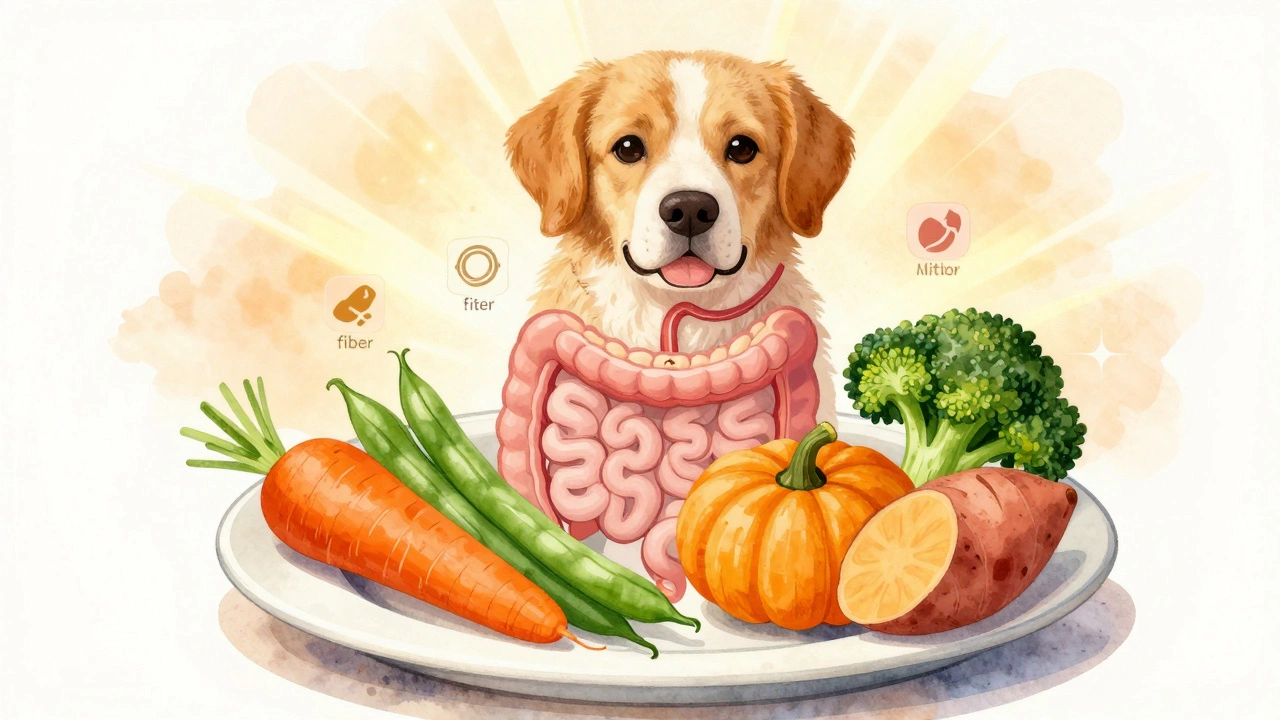
Dogs are omnivores, not strict carnivores. While their ancestors were hunters, modern dogs have evolved to digest plant matter. Adding vegetables can boost fiber, vitamins, and antioxidants without adding extra calories. That’s especially helpful if your dog is overweight or needs to manage blood sugar. Vegetables also help with digestion, reduce inflammation, and support immune function.
A 2022 study from the University of Illinois looked at over 1,200 dogs fed diets with added vegetables. Those dogs showed lower levels of oxidative stress markers and improved stool consistency compared to dogs on meat-only diets. The key? Choosing the right veggies and preparing them properly.
Top 5 Healthiest Vegetables for Dogs
Not all vegetables are created equal when it comes to your dog’s health. Here are the five that stand out based on safety, nutrient density, and vet recommendations.
1. Carrots
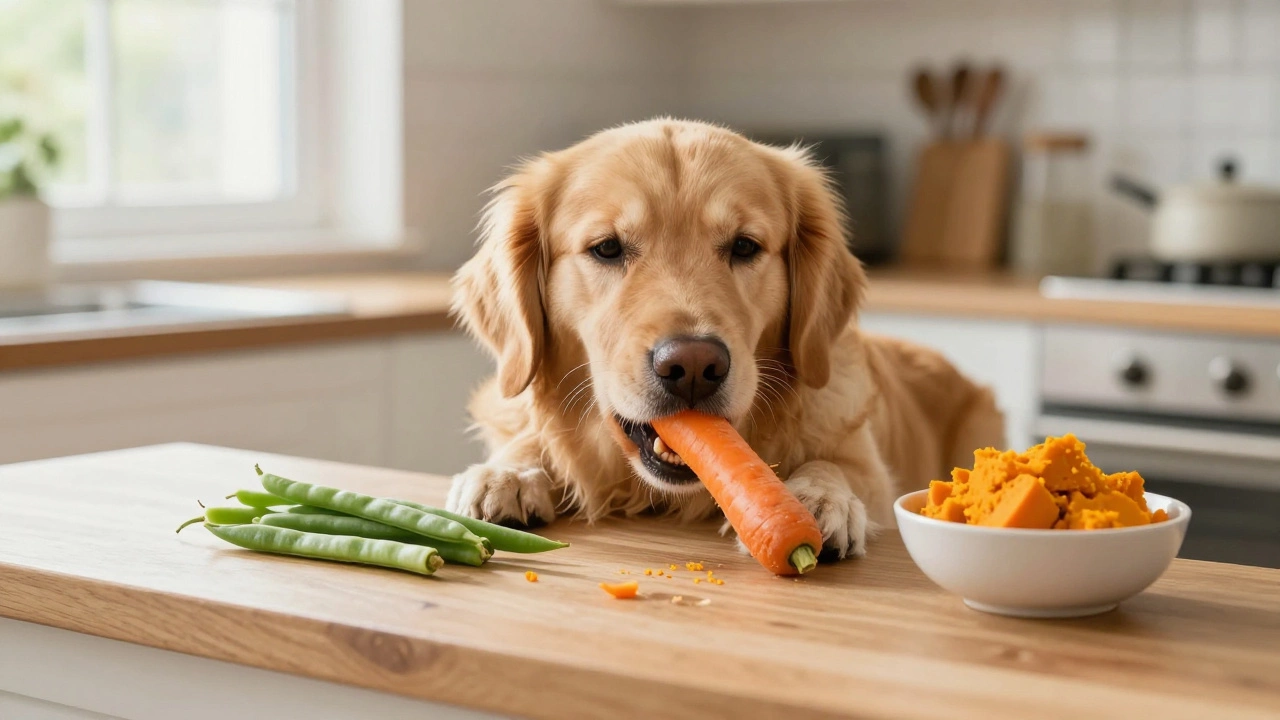
Carrots are a classic dog treat for a reason. They’re crunchy, low in calories, and packed with beta-carotene, which your dog’s body turns into vitamin A. Vitamin A supports vision, skin health, and immune function. Carrots also help clean teeth naturally as your dog chews.
One medium carrot has about 25 calories and 2.5 grams of fiber. Most dogs can safely eat one or two carrots a day. Raw or steamed, they’re both fine-just avoid adding salt, butter, or seasonings.
2. Green Beans
Green beans are one of the most underrated dog foods. They’re high in fiber, low in calories, and rich in vitamins K, C, and A. They also contain iron and folate, which help with red blood cell production.
A 2021 survey of 400 dog owners found that 87% saw improved digestion after switching from commercial treats to plain green beans. Use fresh or frozen-never canned with added salt. Chop them into bite-sized pieces to prevent choking, especially for small breeds.
3. Pumpkin (Pureed)
Pumpkin isn’t just for Halloween. Plain, cooked, pureed pumpkin (not pie filling) is a vet-recommended remedy for both diarrhea and constipation. It’s loaded with soluble fiber, which helps regulate bowel movements. It also contains potassium and vitamin A.
Most dogs need just 1 to 4 tablespoons per day, depending on size. Start small-too much too fast can cause gas or upset stomach. Always use 100% pure pumpkin, not pumpkin pie filling, which has sugar and spices.
4. Broccoli
Broccoli is safe in small amounts. It’s high in fiber, vitamin C, and sulforaphane, a compound with anti-inflammatory and potential cancer-fighting properties. But broccoli also contains isothiocyanates, which can irritate a dog’s stomach if eaten in large quantities.
Stick to florets only-no stems. Limit to 1-2 small florets per 20 pounds of body weight, once or twice a week. Steam or lightly boil to make them easier to digest. Never feed raw broccoli in big chunks; it’s a choking hazard.
5. Sweet Potatoes
Sweet potatoes are a powerhouse. They’re rich in beta-carotene, vitamin B6, vitamin C, and manganese. They also have a low glycemic index, making them a good carb source for dogs with diabetes or weight issues.
Always cook sweet potatoes before feeding. Raw ones are hard to digest and can cause blockages. Peel and bake or steam them, then mash or cut into small pieces. A quarter cup per 20 pounds of body weight is plenty. Avoid adding sugar, butter, or marshmallows.
Vegetables to Avoid
Some veggies look harmless but can be dangerous. Here’s what to keep out of your dog’s bowl:
- Onions and garlic - Even small amounts can damage red blood cells and cause anemia. This includes powdered forms in seasoning.
- Raw potatoes and green tomatoes - Contain solanine, a toxin that affects the nervous system.
- Avocado - Contains persin, which can cause vomiting and diarrhea in dogs.
- Spinach and chard - High in oxalates, which can contribute to kidney stones in susceptible dogs.
- Corn on the cob - The cob doesn’t digest and can cause intestinal blockage.
If your dog accidentally eats one of these, watch for vomiting, lethargy, pale gums, or weakness. Contact your vet immediately.
How to Serve Vegetables to Your Dog
Preparation matters almost as much as selection. Here’s how to make veggies safe and digestible:
- Wash thoroughly - Remove dirt, pesticides, and wax.
- Cook when needed - Steam, boil, or bake harder veggies like carrots and sweet potatoes. Raw broccoli and green beans are okay in small amounts, but cooking helps digestion.
- Cut into small pieces - Prevents choking and makes it easier to chew and digest.
- Go plain - No salt, butter, oil, garlic, onions, or spices.
- Introduce slowly - Add one new veggie at a time. Wait 3 days before adding another to watch for reactions.
Vegetables should make up no more than 10% of your dog’s daily food intake. Too much fiber can cause gas, diarrhea, or nutrient imbalances.
Can Vegetables Replace Dog Food?
No. Vegetables are supplements, not substitutes. Dogs need protein from meat or high-quality animal sources to maintain muscle, support organ function, and produce healthy fur and skin. A diet made mostly of veggies can lead to protein deficiency, muscle loss, and serious health problems.
Think of vegetables like a vitamin pill for humans-useful, but not the main meal. Always feed a complete and balanced dog food as the base of their diet. Add veggies as a healthy topping or treat.
When to Talk to Your Vet
Before adding any new food to your dog’s diet, especially if they have health issues, talk to your vet. Dogs with kidney disease, diabetes, or pancreatitis may need to avoid certain veggies. For example:
- Dogs with kidney problems should limit spinach and sweet potatoes due to potassium and oxalate content.
- Dogs with pancreatitis need low-fat diets-avoid cooking veggies in oil.
- Diabetic dogs benefit from low-glycemic veggies like green beans and broccoli, but portion control is key.
Your vet can help you pick the right veggies based on your dog’s age, breed, weight, and medical history.
Real-World Example: How One Owner Changed Her Dog’s Health
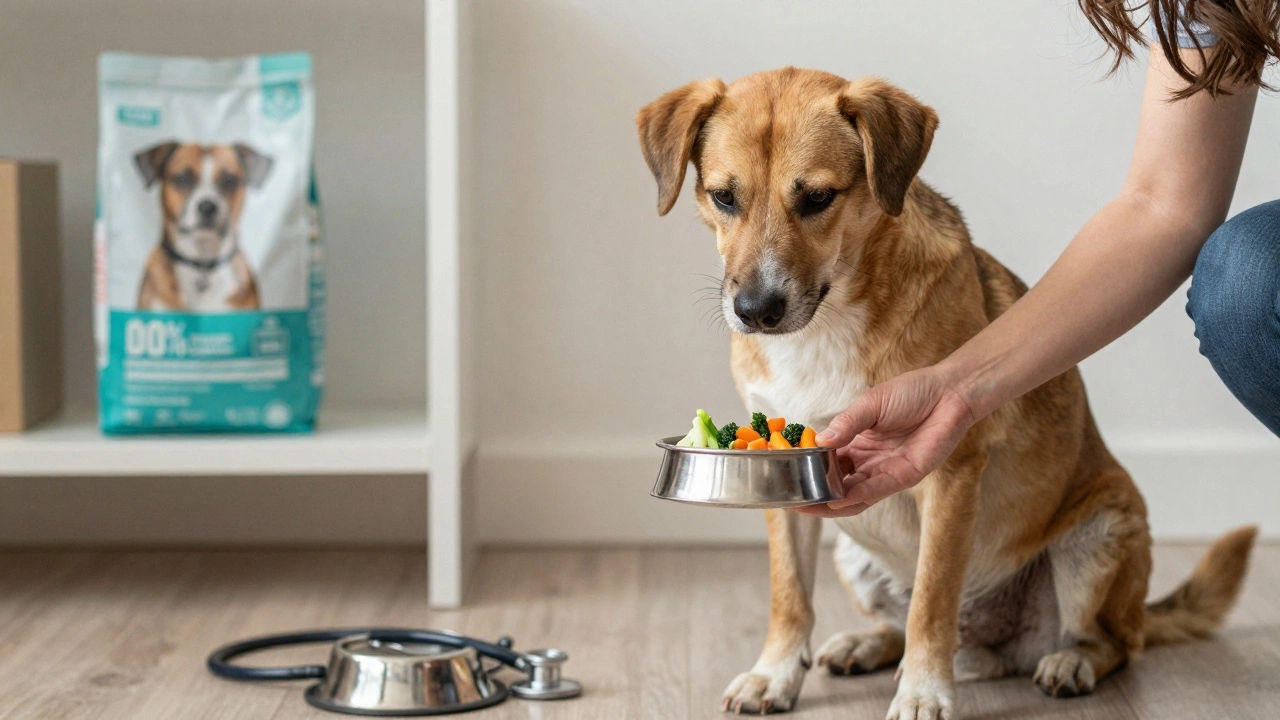
Sarah’s 8-year-old rescue mix, Max, had chronic loose stools and was overweight. His vet suggested cutting back on treats and adding fiber. Sarah started replacing his commercial treats with steamed green beans and a tablespoon of pureed pumpkin daily. Within two weeks, his stools became firmer. After a month, he lost 4 pounds without changing his main food. He now eats veggies 4 days a week and has more energy.
This isn’t magic-it’s simple, science-backed nutrition.
Final Tip: Watch for Reactions
Every dog is different. Some love broccoli. Others gag at the smell of pumpkin. Pay attention to how your dog reacts. If they vomit, have diarrhea, or seem lethargic after eating a new veggie, stop feeding it and wait a few days. Try again later in smaller amounts, or skip it entirely.
There’s no single "best" vegetable for every dog. But by choosing safe, nutrient-rich options and serving them right, you’re giving your dog a real health boost-one bite at a time.
Can dogs eat raw vegetables?
Yes, some raw vegetables are safe for dogs, like carrots and green beans. But harder veggies like sweet potatoes or broccoli stems should be cooked to avoid choking or digestive upset. Always cut them into small pieces and introduce them slowly.
How much vegetable should I feed my dog?
Vegetables should make up no more than 10% of your dog’s daily food intake. For a 50-pound dog, that’s about 1/2 to 3/4 cup of chopped veggies per day. Start with a tablespoon or two and increase slowly. Too much fiber can cause gas or diarrhea.
Are frozen vegetables okay for dogs?
Yes, plain frozen vegetables are fine as long as they don’t have added salt, sauces, or seasonings. Thaw them slightly before serving to avoid hurting your dog’s teeth or causing stomach cramps. Green beans and peas are popular frozen options.
Can vegetables help with dog allergies?
Some dogs with food sensitivities benefit from adding hypoallergenic veggies like green beans or pumpkin to their diet. These are low in common allergens and can help reset the gut. But vegetables alone won’t fix allergies-work with your vet to identify triggers and choose a proper elimination diet.
Do I need to give my dog supplements if I feed vegetables?
Not necessarily. A balanced commercial dog food already provides all essential nutrients. Vegetables add extra fiber and antioxidants but don’t replace the need for complete nutrition. Only add supplements if your vet recommends them based on blood tests or specific health needs.
Next Steps
Start by picking one safe vegetable-carrots or green beans are great choices-and add a small amount to your dog’s meal for three days. Watch how they react. If there’s no upset stomach, try adding another. Keep a simple log: what you fed, how much, and any changes in energy, stool, or appetite.
Over time, you’ll learn what your dog likes and what works best for their body. You’re not just feeding them-you’re helping them live longer, healthier, and more comfortably.