Cat Food Calorie & Transition Calculator
Enter Cat Details
Daily Requirements
Safe Food Transition Plan
Switching foods too quickly can cause digestive upset. Use this 7-day schedule when changing brands.
-
Days 1-2 Mix: 75% Old / 25% New
-
Days 3-4 Mix: 50% Old / 50% New
-
Days 5-6 Mix: 25% Old / 75% New
-
Day 7+ Mix: 100% New Food
Monitoring Tips
- Watch stool consistency. If loose, slow down the transition by repeating the previous step.
- If your cat refuses the new food, try warming it slightly to release aromas.
- Ensure plenty of fresh water is available during the switch.
- If vomiting occurs, stop the transition and consult your vet.
Walking down the pet aisle feels like standing in front of a wall of noise. Hundreds of bags promise "superior health," "wild instinct," or "veterinarian recommended." You pick up one bag, check the price, put it back, and grab another. It’s exhausting. The truth is, most cats don’t care about the fancy marketing on the front. They care about two things: does it taste good, and does it make them feel good?
Finding the right dry cat food isn't just about picking the cheapest option or the one with the cutest kitten on the bag. It’s about understanding your cat’s biology. Cats are obligate carnivores. This means their bodies are designed to process meat, not plants or grains. When you choose a kibble, you’re choosing the foundation of their daily energy, coat health, and kidney function. In this guide, we break down the top five performers for 2026 based on ingredient quality, nutritional balance, and real-world palatability.
How to Read a Cat Food Label Like a Pro
Before we get to the specific brands, you need to know what you’re looking for. The FDA regulates pet food, but the rules can be confusing. Here is the simple breakdown.
The AAFCO Statement is a label declaration that confirms the food meets minimum nutritional standards set by the Association of American Feed Control Officials. If you don’t see this statement, walk away. It should say something like "formulated to meet the nutritional levels established by the AAFCO Cat Food Nutrient Profiles for [Life Stage]." Make sure it covers the life stage of your cat-kitten, adult, or all life stages.
Next, look at the first three ingredients. By law, ingredients are listed by weight. If "chicken meal" is first, that’s great. It’s concentrated protein. If "corn gluten meal" or "wheat middlings" are in the top three, that’s a red flag. These are fillers. They add bulk but little nutritional value for a strict carnivore.
Check the guaranteed analysis. For adult cats, aim for:
- Crimson Protein: At least 30-40%. Higher is generally better.
- Fat: Around 15-20%. Fat provides energy and helps absorb vitamins.
- Fiber: Keep it low, under 5%. Cats don’t digest fiber well.
- Moisture: Dry food is usually 10% moisture. Remember, cats have a low thirst drive. You must supplement with water or wet food to prevent urinary issues.
The Top 5 Best Dry Cat Foods for 2026
We evaluated dozens of brands based on protein source (animal vs. plant), absence of artificial additives, and brand reputation for quality control. Here are the winners.
1. Orijen Original Cat Grain-Free Dry Food
Orijen Original is a biologically appropriate dry cat food featuring fresh regional ingredients and high animal protein content.
This is the gold standard for many enthusiasts. Orijen uses fresh meat as the primary ingredient, not just meal. About 85% of the formula is animal-based. It includes whole prey ratios, meaning they use organs and cartilage, which provide natural glucosamine and chondroitin for joint health. The variety of proteins-chicken, turkey, duck, and fish-mimics what a cat might eat in the wild. It’s expensive, but the nutrient density is unmatched. Your cat eats less volume because every bite is packed with fuel.
2. Wellness CORE Natural Grain-Free Dry Cat Food
Wellness CORE is a high-protein, grain-free dry cat food focused on lean muscle maintenance and immune support.
If Orijen is the luxury sports car, Wellness CORE is the reliable, high-performance sedan. It offers excellent value without sacrificing quality. The formula is rich in deboned chicken and chicken meal. It adds probiotics for digestive health and omega fatty acids for skin and coat. Many owners report shinier coats and firmer stools within weeks of switching. It’s widely available, which makes it easier to stick with long-term.
3. Blue Buffalo Wilderness High Protein Grain-Free
Blue Buffalo Wilderness is a grain-free dry cat food inspired by ancestral diets, featuring real meat as the first ingredient.
Blue Buffalo has built a strong brand on transparency. Their Wilderness line is designed for active cats who need more energy. The standout feature here is the inclusion of LifeSource Bits, a precise blend of antioxidants, minerals, and vitamins. While some critics argue these bits are proprietary blends (which aren't fully disclosed by weight), the overall ingredient list is clean. No chicken by-product meal, no corn, wheat, or soy. It’s a solid mid-range choice that performs well.
4. Purina Pro Plan Savor Adult Indoor Shredded Blend
Purina Pro Plan is a science-backed dry cat food known for rigorous testing and consistent nutritional profiles.
You might hesitate to see a mainstream brand on a "best" list, but hear me out. Purina Pro Plan invests millions in research. Their formulas are incredibly consistent. Batch after batch, the nutrients remain stable. This is crucial for cats with sensitive stomachs. The "Shredded Blend" format mixes crunchy kibble with tender shredded pieces, which improves palatability. It’s often cheaper than boutique brands and frequently recommended by veterinarians for its reliability and digestibility.
5. Smalls Freshly Cooked Dry Cat Food (Dehydrated)
Smalls Dehydrated Food is a premium dehydrated cat food that rehydrates to mimic wet food texture while offering the convenience of dry storage.
This is the new contender for 2026. Smalls bridges the gap between dry and wet food. It starts as fresh, cooked meat, then is dehydrated. You add water before serving. It looks like kibble but tastes and digests like wet food. The ingredient list is short: chicken, liver, heart, and lungs. No fillers. No mystery meals. It’s perfect for cats who refuse traditional kibble but whose owners want the convenience of dry storage. It’s pricey, but the hydration boost is significant for kidney health.
| Brand | Primary Protein Source | Grain-Free? | Best For | Price Range |
|---|---|---|---|---|
| Orijen Original | Fresh Chicken & Fish | Yes | High activity, picky eaters | $$$$ |
| Wellness CORE | Deboned Chicken | Yes | Coat health, budget-conscious | $$ |
| Blue Buffalo Wilderness | Real Meat First | Yes | Active indoor/outdoor cats | $$ |
| Purina Pro Plan | Chicken Meal | No (some lines) | Sensitive stomachs, vet trust | $ |
| Smalls Dehydrated | Fresh Chicken | Yes | Hydration needs, kibble haters | $$$ |
Dry vs. Wet Food: The Hydration Debate
Let’s address the elephant in the room. Is dry food bad? Not inherently. But it lacks water. A cat’s diet in the wild is roughly 70-80% moisture. Dry kibble is only 10%. This discrepancy can lead to chronic mild dehydration, which stresses the kidneys and urinary tract.
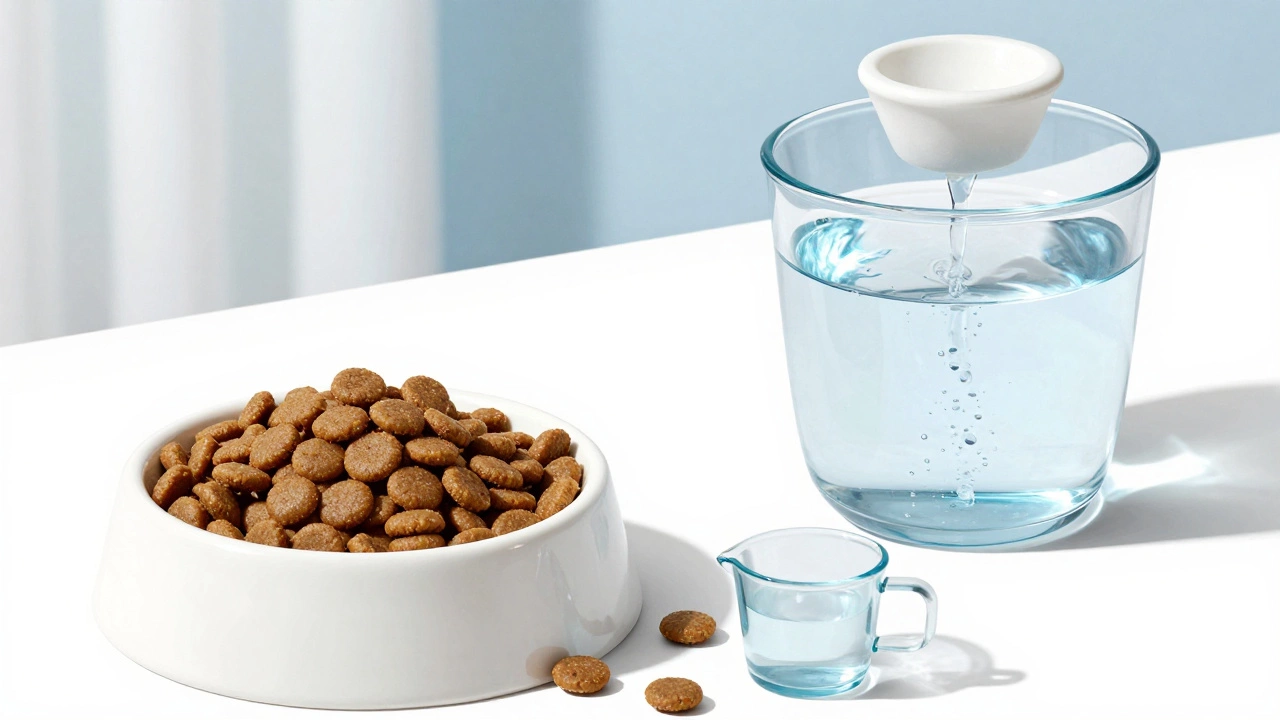
If you feed exclusively dry food, you must encourage water intake. Use flowing water fountains, place multiple bowls around the house, or mix a little water into the kibble. Better yet, consider a mixed diet. Feed 70% wet food and 30% dry food. The dry food helps scrape plaque off teeth (though brushing is still best), and the wet food provides essential hydration.
Special Dietary Needs
Not every cat fits the mold. Some have allergies, kidney disease, or diabetes.
Allergies: If your cat is itching excessively, it might be a food allergy. Common culprits are chicken, beef, and fish. Try a novel protein source like rabbit, venison, or kangaroo. Limited ingredient diets (LID) are your friend here. Brands like Hill’s Prescription Diet z/d or Royal Canin Hypoallergenic are medical-grade options.
Kidney Disease: Senior cats often develop Chronic Kidney Disease (CKD). They need lower phosphorus and moderate protein. Don’t go ultra-high protein if your vet says their kidneys are struggling. Look for renal-specific formulas.
Diabetes: Diabetic cats need low-carb diets. Grains and starches spike blood sugar. Stick to high-protein, low-carb options like Orijen or specialized veterinary diets. Avoid any food with corn, wheat, or rice as main ingredients.
How to Switch Foods Safely
Never switch foods overnight. A sudden change can cause vomiting or diarrhea. Transition over 7-10 days.
- Days 1-2: 75% old food, 25% new food.
- Days 3-4: 50% old food, 50% new food.
- Days 5-6: 25% old food, 75% new food.
- Day 7: 100% new food.
Watch your cat’s stool. If it gets loose, slow down the transition. If they refuse to eat the new food, try warming it slightly to release aromas.
Common Mistakes to Avoid
Feeding from the floor: Cats prefer elevated bowls. It’s easier on their necks and reduces air swallowing.
Ignoring expiration dates: Fats go rancid. Check the "best by" date. Store opened bags in a cool, dark place. Consider vacuum-sealed containers to keep freshness longer.
Overfeeding: Obesity is a huge issue. Measure food. Don’t eyeball it. An average indoor cat needs about 20-30 calories per pound of body weight. Consult your vet for exact numbers.
Final Thoughts on Choosing the Right Kibble
There is no single "best" food for every cat. The best food is the one your cat eats, enjoys, and thrives on. Start with a high-protein, grain-free option like Wellness CORE or Orijen if budget allows. If you need reliability and vet approval, Purina Pro Plan is hard to beat. If hydration is a concern, look into dehydrated options like Smalls.
Monitor your cat. A healthy cat has a shiny coat, bright eyes, firm stools, and a healthy weight. If you see changes, adjust the diet or consult your vet. Your cat can’t tell you what they need, but their body will show you. Pay attention.
Is grain-free cat food necessary?
No, grain-free is not strictly necessary for all cats. Cats can digest small amounts of grains like oats or barley. However, many cats do better on low-carb diets, and grain-free formulas often replace carbs with more meat. Only avoid grains if your cat has a specific sensitivity or if you want to minimize carbohydrate intake.
Can I mix wet and dry food?
Yes, mixing wet and dry food is an excellent strategy. It combines the hydration benefits of wet food with the dental and convenience benefits of dry food. Just ensure the total caloric intake doesn’t exceed your cat’s daily needs to prevent obesity.
What is the best dry food for senior cats?
Senior cats benefit from highly digestible proteins and added joint support (glucosamine/chondroitin). Look for formulas labeled "Senior" or "Mature." Brands like Hill’s Science Diet Senior or Purina Pro Plan Senior are good choices. Ensure the food is easy to chew if your cat has dental issues.
How much dry food should I feed my cat?
It depends on the calorie density of the food and your cat’s weight. Generally, an average 10-pound indoor cat needs about 200-250 calories per day. Always check the feeding guidelines on the bag, but adjust based on your cat’s body condition. Use a measuring cup or kitchen scale for accuracy.
Are boutique brands better than big brands?
Not always. Boutique brands often have higher quality ingredients but may lack the rigorous testing and quality control of large companies like Purina or Nestlé Purina. Big brands invest heavily in nutrition science. The key is to read the label regardless of the brand size. Look for named meat sources and AAFCO compliance.