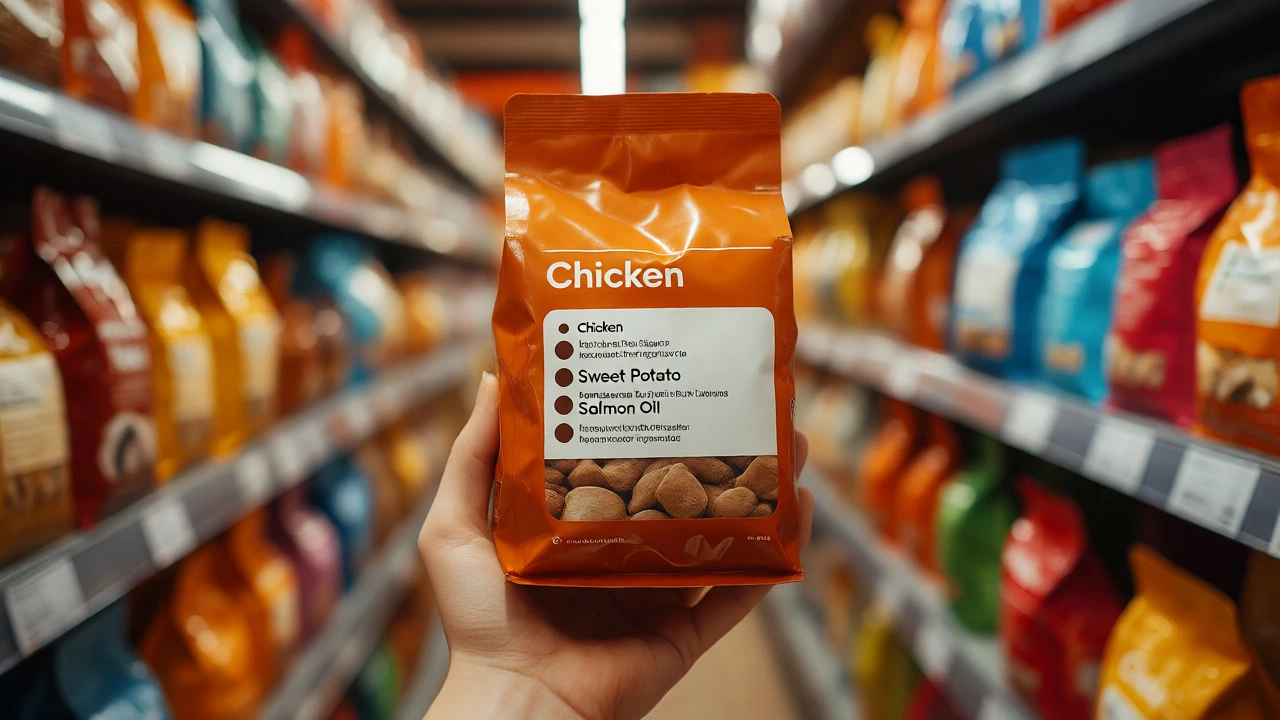
Dog Food Label Analyzer
Enter details from your dog's food bag or select common scenarios to see how it stacks up against the "Top 3 Ingredients" criteria.
Ingredient Details
Quality Score
You’re standing in the pet aisle, staring at a wall of colorful bags. One promises "premium" everything, another screams "grain-free," and a third is suspiciously cheap. You flip the bag over to read the ingredient list, but it looks like a chemistry experiment gone wrong. Which three things actually matter? If you want your dog to thrive rather than just survive, you need to cut through the marketing noise. The truth is simpler than the labels suggest: focus on high-quality animal protein, recognizable whole foods, and beneficial fats. That’s it. Everything else is either filler or flavoring.
The Non-Negotiable First Ingredient: Named Animal Protein
Dogs are omnivores with a carnivorous bias. This means they can eat plants, but their biology is optimized for meat. When you scan an ingredient list, the first item is the most abundant by weight before cooking. If that first item is "meat meal" or "animal by-products," you’re rolling the dice. What kind of animal? Which parts? "Chicken" or "Beef" tells you exactly what you’re getting. "Meat meal" could be anything from chicken feet to beef hooves, rendered down into a powder. Named Animal Protein is a specific source of meat, such as chicken, lamb, or salmon, listed as the primary ingredient in dog food. Unlike generic terms like "meat" or "by-products," named proteins provide transparency about the source and quality of the amino acids your dog receives. Why does this matter? Amino acids build muscle, repair tissue, and support immune function. A study published in the Journal of Animal Science found that dogs fed diets with highly digestible named proteins had significantly better nitrogen retention than those fed lower-quality protein sources. In plain English: they absorbed more nutrients and wasted less. If you see "chicken" as the first ingredient, you know your dog is getting real muscle meat. If you see "corn gluten meal" first, your dog is getting plant-based protein that’s harder to digest and lacks essential amino acids like taurine.
Whole Carbohydrates vs. Filler Grains
Once you’ve secured your protein, look at what comes next. Many owners fear grains, but not all carbs are created equal. There’s a massive difference between "brown rice" and "brewers rice." The former is a whole grain with fiber, vitamins, and minerals intact. The latter is often a byproduct of brewing beer, stripped of nutrients and used purely for bulk and starch content. Whole Grains are unrefined carbohydrate sources like brown rice, oats, or barley that retain their bran, germ, and endosperm. They provide sustained energy and dietary fiber, unlike refined fillers like corn syrup or wheat middlings which offer empty calories. You don’t need to avoid grains unless your dog has a specific diagnosed allergy (which is rare; food allergies are usually to the protein, not the grain). Instead, aim for recognizable, whole-food carbohydrates. Sweet potatoes, pumpkin, and quinoa are excellent alternatives if you prefer grain-free options. These ingredients add volume and fiber without the inflammatory potential of cheap fillers. Check out this comparison of common carb sources:
| Ingredient | Nutritional Value | Digestibility | Verdict |
|---|---|---|---|
| Brown Rice | Moderate; contains B-vitamins and magnesium | High | Good standard option |
| Corn Gluten Meal | Low; mostly protein boost, low micronutrients | Moderate | Avoid; common allergen/filler |
| Sweet Potato | High; rich in Vitamin A and C | Very High | Excellent alternative |
| Brewers Rice | Low; processed byproduct | Variable | Acceptable only in budget foods |
Fats That Actually Do Something
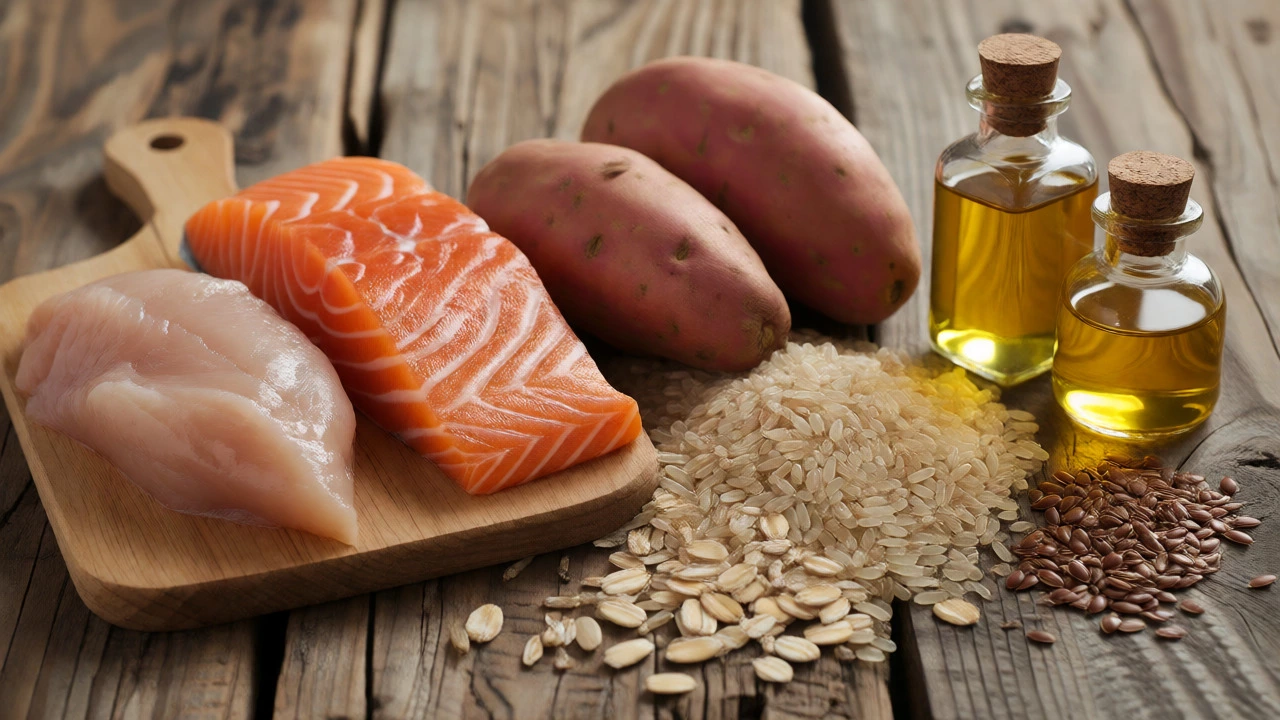
Protein builds the body; fat fuels it. But not all fats are equal. You want fats that reduce inflammation and keep skin healthy, not just fats that make kibble taste good. Look for named fat sources like "chicken fat," "salmon oil," or "flaxseed." Avoid "animal fat" or "vegetable oil" without a source specified. Generic fats can come from anywhere, including recycled restaurant grease or low-grade poultry scraps. Omega-3 Fatty Acids are essential polyunsaturated fats, primarily EPA and DHA, found in fish oils and flaxseeds. They play a critical role in reducing systemic inflammation, supporting cognitive function, and maintaining coat health in dogs. The Association of American Feed Control Officials (AAFCO) sets minimum standards, but premium brands go beyond them. A good rule of thumb: if the food claims to support skin and coat, it should list Omega-3s explicitly. Salmon oil is superior to flaxseed for many dogs because dogs convert flaxseed’s ALA into EPA/DHA very inefficiently. Direct fish oil sources bypass this conversion issue. You’ll notice the difference within weeks-less itching, shinier fur, and fewer hot spots.
What About Preservatives and Additives?
You might wonder where preservatives fit into the top three. Technically, they aren’t "ingredients" in the nutritional sense, but they determine whether your food is safe. Natural preservatives like mixed tocopherols (Vitamin E) and rosemary extract are preferable to synthetic ones like BHA, BHT, and ethoxyquin. Ethoxyquin, once widely used, is now controversial due to potential toxicity concerns. While the FDA hasn’t banned it entirely, many manufacturers have phased it out. Check the label for these red flags:
- Ethoxyquin: Often hidden under "preservatives." Try to avoid it.
- Artificial Colors: Red 40, Yellow 5, Blue 2. Dogs don’t care how bright the kibble is. Your liver does.
- Propylene Glycol: Used to keep semi-moist foods soft. Can cause gastrointestinal upset in sensitive dogs.
How to Read the Label Like a Pro
Labels are tricky because of "ingredient splitting." Manufacturers can take one heavy ingredient, split it into three lighter components, and list them separately. For example, instead of listing "corn" as the #1 ingredient, they might list "corn flour," "corn gluten meal," and "ground corn" at positions #2, #3, and #4. Combined, corn is still the main ingredient, but it looks like meat is leading the pack. Here’s how to spot it:
- Count the variations: If you see multiple forms of the same grain or legume, mentally combine them.
- Look at the guaranteed analysis: Crude protein percentages can be misleading. A 30% protein food made from feather meal isn’t comparable to a 30% protein food made from fresh chicken.
- Check for named sources: Always prefer "lamb meal" over "meat meal." Specificity equals quality.

Real-World Scenarios: Choosing for Your Dog
Your dog’s needs dictate which of these three ingredients matters most. Let’s break it down by lifestyle. For the Active Working Dog: Prioritize fat content. Herding breeds or agility dogs burn massive calories. Look for a named protein first, then a high-fat source like chicken fat or fish oil. Carbs can be moderate. You want dense energy, not bulk. For the Senior Dog: Focus on joint-supporting ingredients. Green-lipped mussel or glucosamine/chondroitin added via shellfish meals can help. Keep protein high to prevent muscle loss (sarcopenia), but choose easily digestible sources like white fish or turkey. Lower fat may be needed if activity drops. For the Sensitive Stomach: Simplicity wins. Limited ingredient diets often use one novel protein (like venison or duck) and one simple carb (like sweet potato). No random "spices" or vague "natural flavors." Fewer variables mean easier troubleshooting if issues arise.
Common Pitfalls to Avoid
Even savvy shoppers get tripped up. Here are three mistakes I see constantly in Wellington vet clinics and pet stores. First, assuming "Grain-Free" means "Healthy." Grain-free doesn’t mean low-carb. Many grain-free foods replace wheat/corn with peas, lentils, or chickpeas. Recent FDA investigations linked some grain-free diets using these legumes to Dilated Cardiomyopathy (DCM) in certain breeds. Unless your dog has a diagnosed grain allergy, traditional whole grains are safer and cheaper. Second, ignoring the calorie density. A small bag of premium food might cost $80, while a large bag of mid-tier costs $60. But if the premium food is more nutrient-dense, you feed less per day. Calculate the cost per cup, not per bag. Sometimes the expensive option is actually cheaper monthly. Third, switching too fast. Dogs have gut microbiomes adapted to their current diet. Changing brands abruptly causes diarrhea. Transition over 7-10 days, mixing increasing amounts of new food with decreasing old food.
Quick Summary / Key Takeaways
- Protein First: Always ensure the first ingredient is a named animal protein (e.g., Chicken, Beef, Lamb).
- Smart Carbs: Choose whole grains or vegetables over refined fillers like corn gluten or brewers rice.
- Quality Fats: Look for named fat sources like Salmon Oil or Chicken Fat for skin and coat health.
- Avoid Vagueness: Steer clear of "meat meal," "animal fat," and artificial colors.
- Transition Slowly: Change diets gradually to avoid digestive upset.
Is grain-free always better for dogs?
No. Most dogs tolerate grains well. Grain-free diets often use legumes like peas and lentils, which have been linked to heart issues in some breeds. Unless your dog has a specific grain allergy, whole grains are a safe, nutritious, and affordable choice.
What does 'named protein' mean on a dog food label?
It means the specific type of animal is identified, such as 'Chicken,' 'Beef,' or 'Salmon.' This is superior to generic terms like 'meat' or 'by-products,' which do not specify the source or quality of the animal parts used.
Are artificial colors bad for my dog?
They are unnecessary. Dogs do not perceive color the way humans do, so dyes serve no purpose for them. Some studies suggest certain artificial colors may contribute to hyperactivity or allergies in sensitive individuals, so avoiding them is a prudent precaution.
How much protein should my dog's food contain?
Adult dogs typically need 18-25% crude protein, while puppies and active dogs may need 25-30%. However, the source matters more than the percentage. Highly digestible named proteins are more valuable than higher percentages of low-quality plant proteins.
Can I feed my dog human food instead of commercial kibble?
Yes, but it requires careful balancing. Human food must meet AAFCO nutritional standards for all life stages or adult maintenance. Without supplementation, home-cooked diets often lack calcium, phosphorus, and trace minerals. Consult a veterinary nutritionist before switching completely.