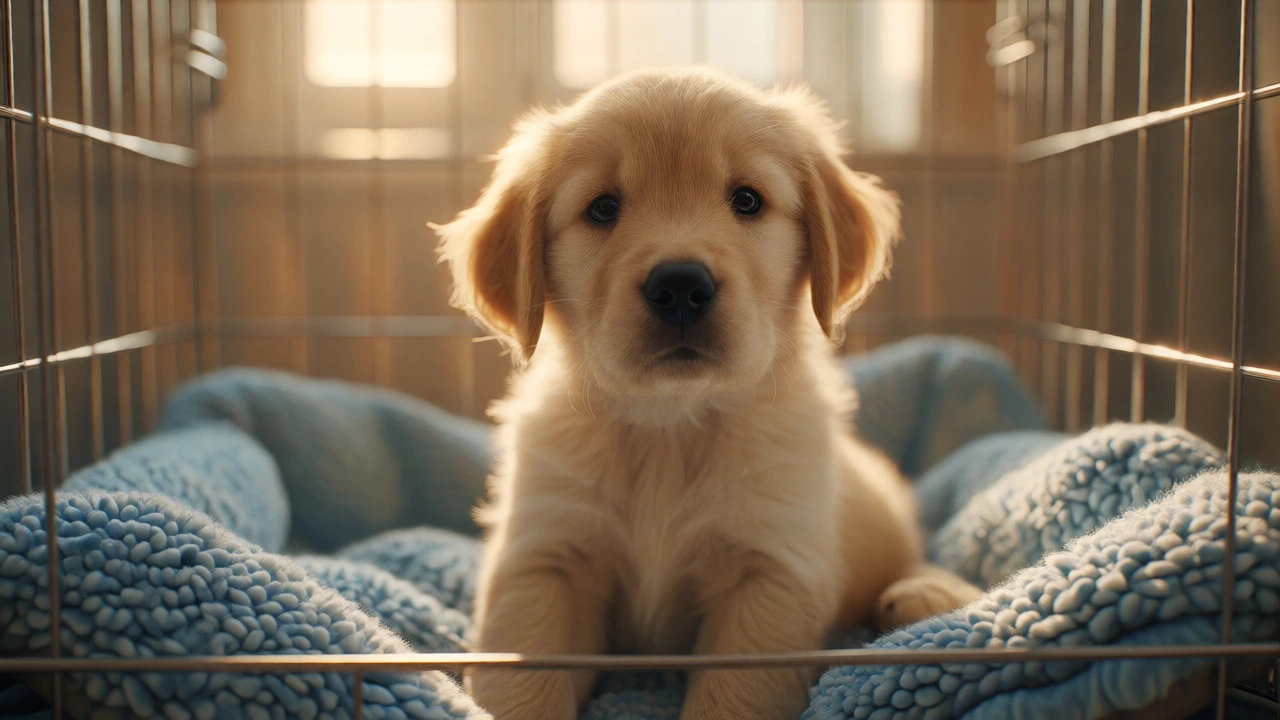
8-Week-Old Puppy Routine Planner
Check off activities as you complete them throughout the day. This structured routine helps reduce anxiety and speeds up housebreaking.
You just brought home an 8-week-old puppy. It’s tiny, it’s fluffy, and it has absolutely no idea where the bathroom is. If you’re feeling overwhelmed, you’re not alone. Most new owners panic because they think they need to teach their puppy every command in the first week. But here’s the truth: at eight weeks, your puppy isn’t ready for complex tricks. They are ready for structure.
A solid routine is the single most effective tool you have right now. It reduces anxiety, speeds up housebreaking, and builds trust. Think of your daily schedule as a safety net for your pup. Without it, they feel lost. With it, they know what comes next, which helps them settle down faster. Let’s break down exactly how to build a day that works for both of you, keeping things simple, consistent, and realistic for a tiny creature with a tiny bladder.
Why Structure Matters More Than Training Commands
At eight weeks, a puppy’s brain is still developing rapidly. They are essentially toddlers. You wouldn’t expect a two-year-old human to sit still for an hour or hold their bladder all night without help. Puppies are similar. Their ability to control their bowels and bladder is limited by their physical development. A common rule of thumb among veterinarians is that a puppy can hold their bladder for one hour per month of age. So, an eight-week-old (two months) might manage about two hours during the day. But this varies wildly based on diet, water intake, and activity level.
Consistency creates predictability. When a puppy knows that eating happens at 7 AM, playtime at 9 AM, and naps at 10 AM, they stop guessing. This lowers stress hormones like cortisol. High stress leads to accidents, chewing, and crying. By controlling the environment through time, you prevent bad habits before they start. You aren’t just managing a pet; you are shaping a future adult dog’s temperament.
The Core Pillars of a Daily Schedule
Your day revolves around four non-negotiable activities: feeding, potty breaks, socialization/play, and sleep. Everything else fits into these buckets. Here is a realistic template you can adjust to your work life.
| Time | Activity | Why It Works |
|---|---|---|
| 6:30 - 7:00 AM | Wake Up & Immediate Potty Break | Puppies wake up needing to go. Take them out immediately to reward success. |
| 7:00 - 7:30 AM | Breakfast | Feed at the same time daily to regulate bowel movements. |
| 7:30 - 8:00 AM | Play & Socialization | Burn energy and introduce new sounds/textures gently. |
| 8:00 - 8:30 AM | Potty Break | Post-meal digestion triggers the urge to eliminate. |
| 8:30 - 10:30 AM | Crate Nap / Quiet Time | Prevents overtiredness. Puppies need 18-20 hours of sleep total. |
| 10:30 - 11:00 AM | Potty Break & Short Walk | Low-stimulus exposure to the outside world. |
| 11:00 - 12:00 PM | Lunch (if fed 3x) or Snack | Small meals keep blood sugar stable and energy manageable. |
| 12:00 - 2:00 PM | Crate Nap | Mid-day rest is crucial for growth hormone release. |
| 2:00 - 2:30 PM | Potty Break & Enrichment Play | Use puppy toys like Kongs or snuffle mats to engage the brain. |
| 2:30 - 4:30 PM | Crate Nap | Another long block of rest. |
| 4:30 - 5:00 PM | Potty Break & Dinner Prep | Transitioning to evening routine. |
| 5:00 - 5:30 PM | Dinner | Last meal of the day. |
| 5:30 - 6:00 PM | Potty Break | Critical pre-evening elimination. |
| 6:00 - 8:00 PM | Family Time & Gentle Play | Bonding time. Avoid high-energy games close to bedtime. |
| 8:00 - 8:30 PM | Wind Down & Final Potty Break | Calming signals. No food after this point. |
| 8:30 PM+ | Crate Sleep | Settle into bed. Expect one or two overnight potty trips. |
Mastering the Potty Training Loop
Housesoiling is the biggest headache for new owners, but it’s purely mechanical if you stick to the clock. You don’t wait for your puppy to tell you they need to go. They can’t. You take them out proactively. The golden rules are simple: take them out immediately after waking up, after eating, after drinking, after playing, and after any period of confinement longer than two hours.
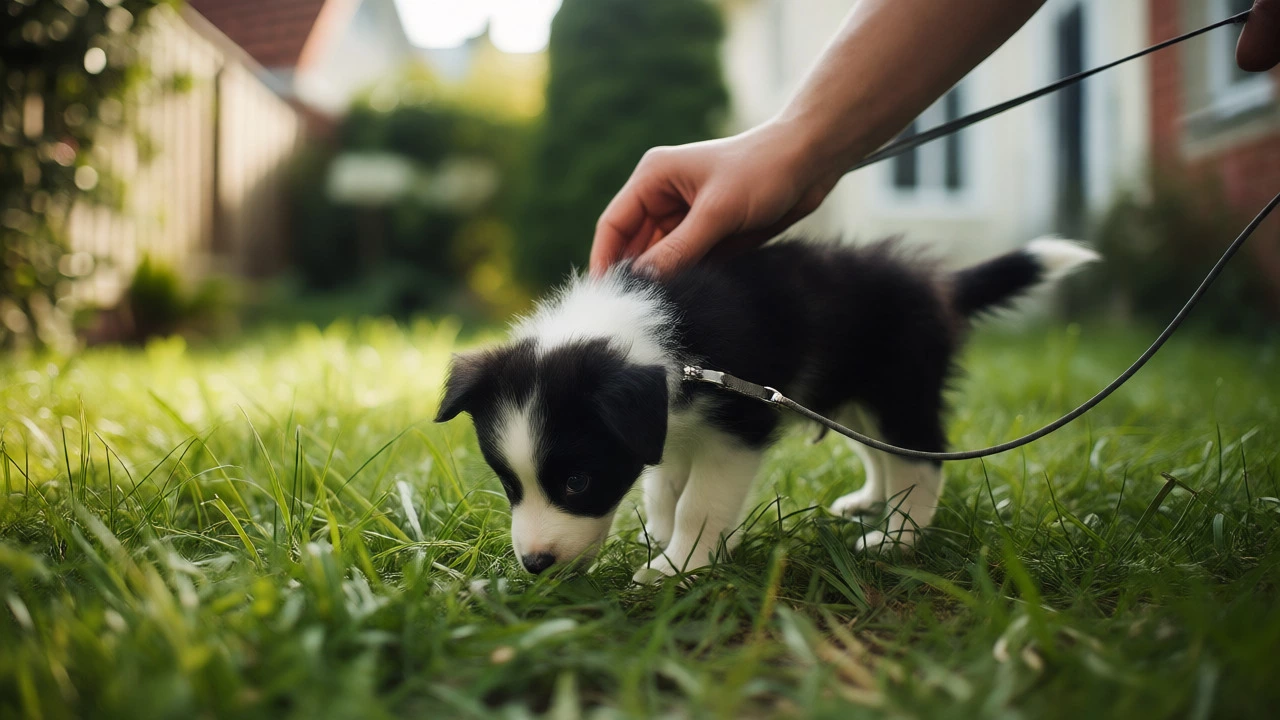
When you take them out, go to the exact same spot in your yard. Use a specific cue word like "go potty." Wait quietly. If they go, praise them enthusiastically and give a treat within three seconds. If they don’t go within five minutes, bring them back inside, supervise them closely (leash them to your belt if necessary), and try again in 15 minutes. Never punish accidents indoors. If you find a puddle ten minutes later, it’s too late to connect the punishment to the act. Clean it with an enzymatic cleaner to remove the scent, or they will return to that spot.
The Importance of Crate Naps
Many people misunderstand crating. They think it’s a prison. For a den animal like a dog, a properly sized crate is a safe haven. An eight-week-old puppy needs between 18 and 20 hours of sleep a day. If they are awake, they should be supervised. If you can’t watch them, they belong in the crate or a puppy-proofed pen.
Overtired puppies behave badly. They get the "zoomies," they bite harder, they whine more, and they have accidents. If your puppy is crying in the crate, ensure they’ve had a potty break first. If they are clean and dry, they likely need sleep. Do not let them out just because they cry, or you teach them that crying equals freedom. Wait for a quiet moment to release them. This teaches impulse control early on.
Socialization Without Overwhelm
The critical socialization window closes around 12 to 16 weeks. Right now, at eight weeks, you want to expose your puppy to the world, but carefully. This doesn’t mean dragging them to a busy park full of unvaccinated dogs. It means positive, low-pressure exposures.
Sit on your porch and let them watch cars pass. Put them on a blanket in a quiet garden area so they can smell grass and dirt. Introduce different surfaces: tile, carpet, wood, gravel. Pair every new experience with something good, like a treat or a favorite chew toy. If your puppy freezes or hides, you’ve pushed too hard. Back off. Let them observe from a distance. The goal is confidence, not fearlessness. A confident dog ignores distractions; a fearful dog reacts to them.
Managing Chewing and Teething
By eight weeks, your puppy’s baby teeth are coming in. They chew because it relieves gum pain and because exploring the world with their mouth is natural. You cannot train chewing away; you must redirect it.
Keep appropriate dog accessories like rubber chews and rope toys within reach. If your puppy chews the table leg, say "no" calmly, remove them from the object, and offer a toy. When they chew the toy, praise them heavily. Rotate toys weekly to keep interest high. Frozen wet washcloths are also great for soothing sore gums. Always supervise chewing sessions to ensure they don’t swallow large chunks of rubber or rope.
Nutrition and Feeding Frequency
Eight-week-old puppies need high-quality puppy food formulated for growth. Look for labels that meet AAFCO (Association of American Feed Control Officials) standards for growth and reproduction. You should feed three times a day until they are about six months old, then switch to twice a day.
Stick to measured portions. Free-feeding (leaving food out all day) makes potty training much harder because you lose track of when they eat and when they need to poop. Measure their food. Note the time. Predict their output. Also, limit water intake two hours before bedtime to help with overnight accidents, but never restrict water during the day.
Troubleshooting Common Issues
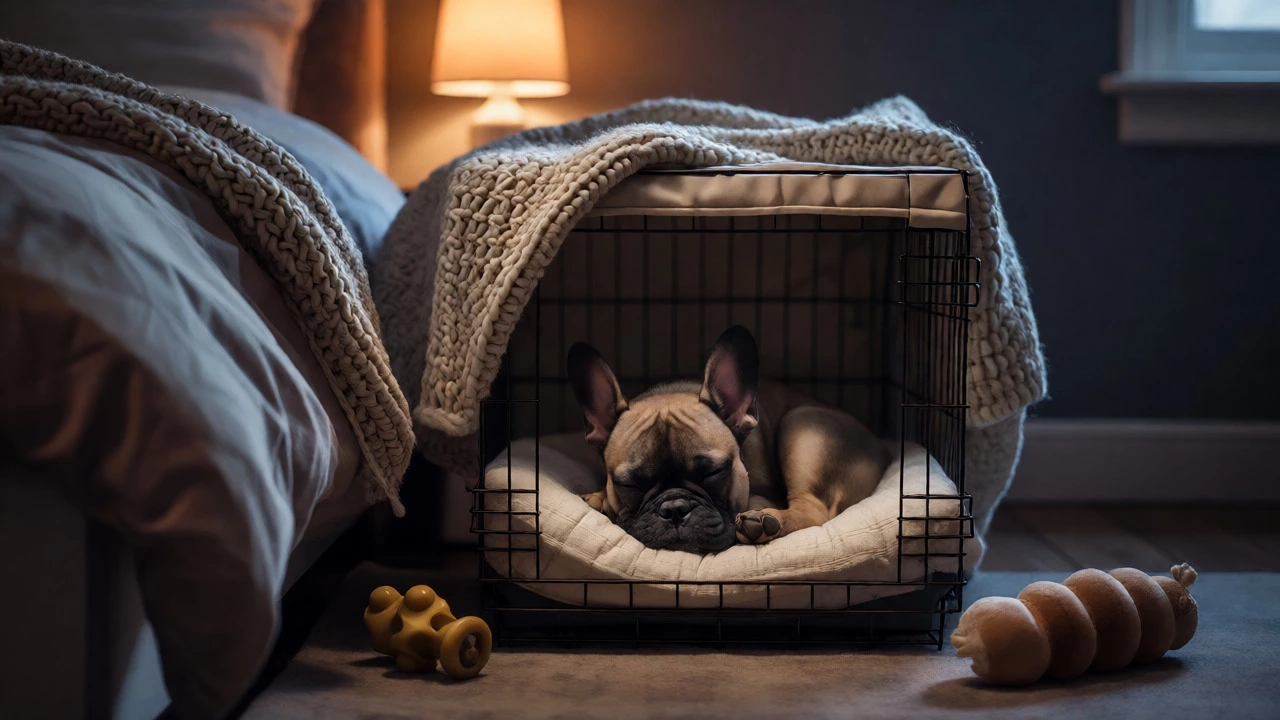
My puppy cries all night. Cover the crate with a light blanket to create a den-like feel. Place the crate near your bed so they hear your heartbeat. If they cry, check if they need to pee. If not, ignore the fussing. Consistency here is tough but necessary.
My puppy bites my hands. This is normal. They are learning bite inhibition. Yelp loudly like a littermate would, then withdraw attention for 10 seconds. Redirect to a toy. Never use your hands as toys.
My puppy won’t come inside. Make coming inside a party. Treats, praise, and a fun game await inside. Going outside shouldn’t always mean leaving fun behind. Sometimes, toss a treat inside to lure them in.
Frequently Asked Questions
How many times a day should I feed an 8-week-old puppy?
You should feed an 8-week-old puppy three times a day. At this age, their stomachs are small, and they burn energy quickly. Splitting their daily portion into three equal meals helps maintain steady blood sugar levels and makes potty training easier because you can predict when they need to go after eating.
How long can an 8-week-old puppy hold its bladder?
Generally, a puppy can hold their bladder for one hour per month of age. Since an 8-week-old puppy is two months old, they can typically hold it for about two hours during the day. However, this varies by individual. After sleeping, eating, or playing, they will need to go almost immediately, regardless of the time elapsed.
Should I wake my puppy up at night to pee?
Yes, initially. Most 8-week-old puppies cannot sleep through the night without a bathroom break. Set an alarm for about 4 to 5 hours after bedtime. Take them out on a leash to a designated spot, let them go, and put them straight back in the crate. Keep interactions boring and quiet to signal that it’s still sleep time.
What are the best toys for an 8-week-old puppy?
Look for durable rubber toys like Kongs that can be stuffed with food to keep them busy. Soft plush toys are good for gentle play, but monitor them to ensure they don’t tear off and swallow parts. Rope toys help with teething discomfort. Avoid toys with small plastic eyes or squeakers that can be easily swallowed.
Is it okay to leave my puppy alone in the crate while I’m at work?
Not for long periods. An 8-week-old puppy cannot be left in a crate for more than 2-3 hours at a time. If you work full-time, you will need a midday walker or a trusted friend/family member to let them out for a potty break and some play. Leaving them for 8 hours will result in accidents and distress.