Puppy Entertainment: Easy Ways to Keep Your Pup Busy and Happy
Got a new puppy that’s bouncing off the walls? You don’t need a fancy gym or endless supplies to tire them out. Simple toys, clever games, and a bit of routine can turn a restless pup into a calm, content companion. Below are the top ideas that work for any breed, size, or budget.
Rotate Toys and Add Puzzle Challenges
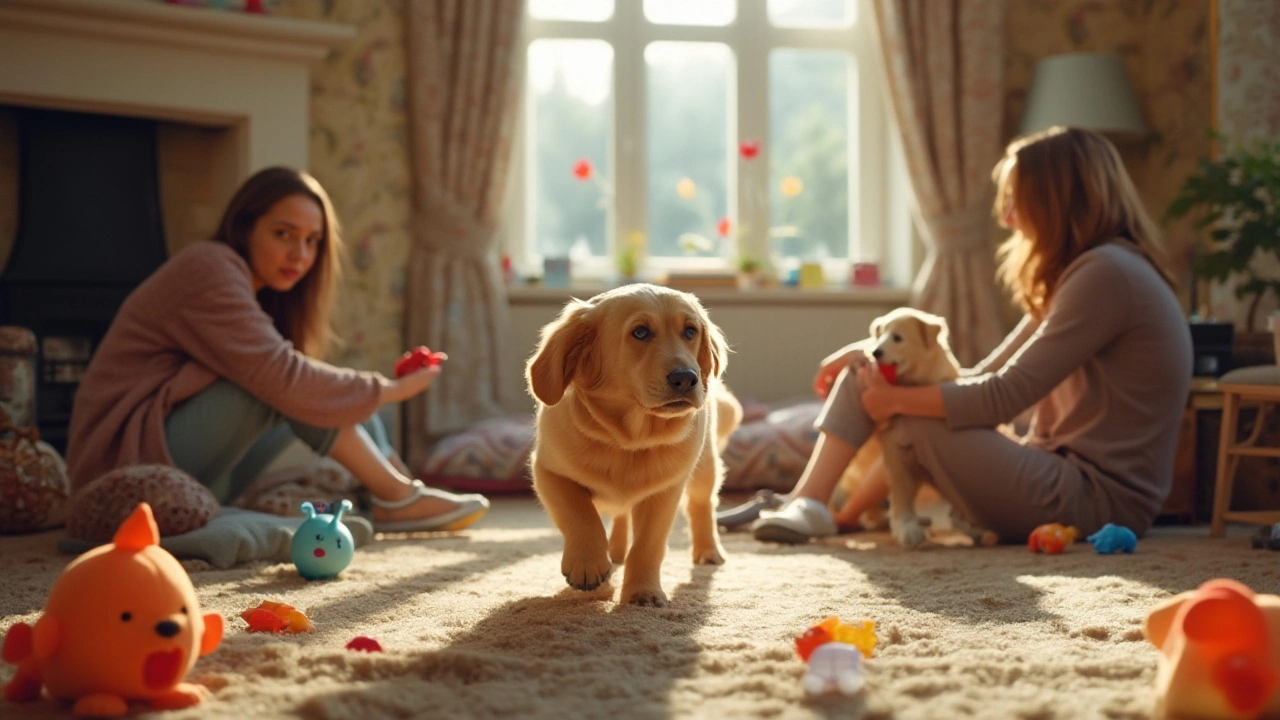
Instead of giving a puppy every toy at once, pick three to five and rotate them every few days. The fresh scent keeps the toy exciting and prevents boredom. Puzzle toys—like treat‑dispensing balls or hide‑and‑seek mats—force the pup to use its nose and brain. Start with an easy level, sprinkle a few kibble pieces inside, and gradually raise the difficulty. When the puppy solves the puzzle, you’ll see a burst of tail‑wagging pride.
Short, Structured Play Sessions
Keep playtime under ten minutes a few times a day. Short bursts match a puppy’s attention span and avoid overstimulation. Try these quick games:
- Fetch with a soft ball: Throw a light ball a few feet away, let the pup retrieve it, then call them back for a treat.
- Hide‑and‑seek: Hide behind a door or couch, call the puppy’s name, and reward when they find you.
- Tug of war: Use a sturdy rope toy, let the pup pull, then give a command like “drop it” to practice obedience.
Each game ends with a calm command—sit, down, or stay—so the pup learns to transition from excitement to relaxation.
Don’t forget outdoor enrichment. A safe, fenced yard or a pet‑friendly park offers new smells, textures, and sounds. Let the puppy explore grass, leaves, and shallow water under supervision. A quick sprint on grass burns energy faster than indoor play alone.
Finally, incorporate training into fun. Teach simple tricks—roll over, spin, or bark on cue—using treats and praise. The mental effort of learning new commands can tire a pup just as much as physical activity.
These easy ideas need little money and fit into a busy schedule. Rotate toys, add puzzle challenges, keep play short and structured, and mix in outdoor exploration. Your puppy will stay entertained, balanced, and ready for the next adventure.
Posted By Bryndle Redding On 31 Dec 2024 Comments (0)
How to Keep Your Puppy Entertained All Day
Puppies, with their boundless energy and uncontainable curiosity, often leave new pet owners wondering if they need non-stop entertainment. This article explores the need for puppy stimulation and how to balance it effectively. Learn about different toys and activities that can keep your puppy engaged, why mental stimulation is as important as physical play, and how to develop a daily routine. Discover why balancing independent play with structured interaction is key to raising a well-adjusted pup.
READ MORE