Pet Vaccination Risks: What You Need to Know Before Saying Yes
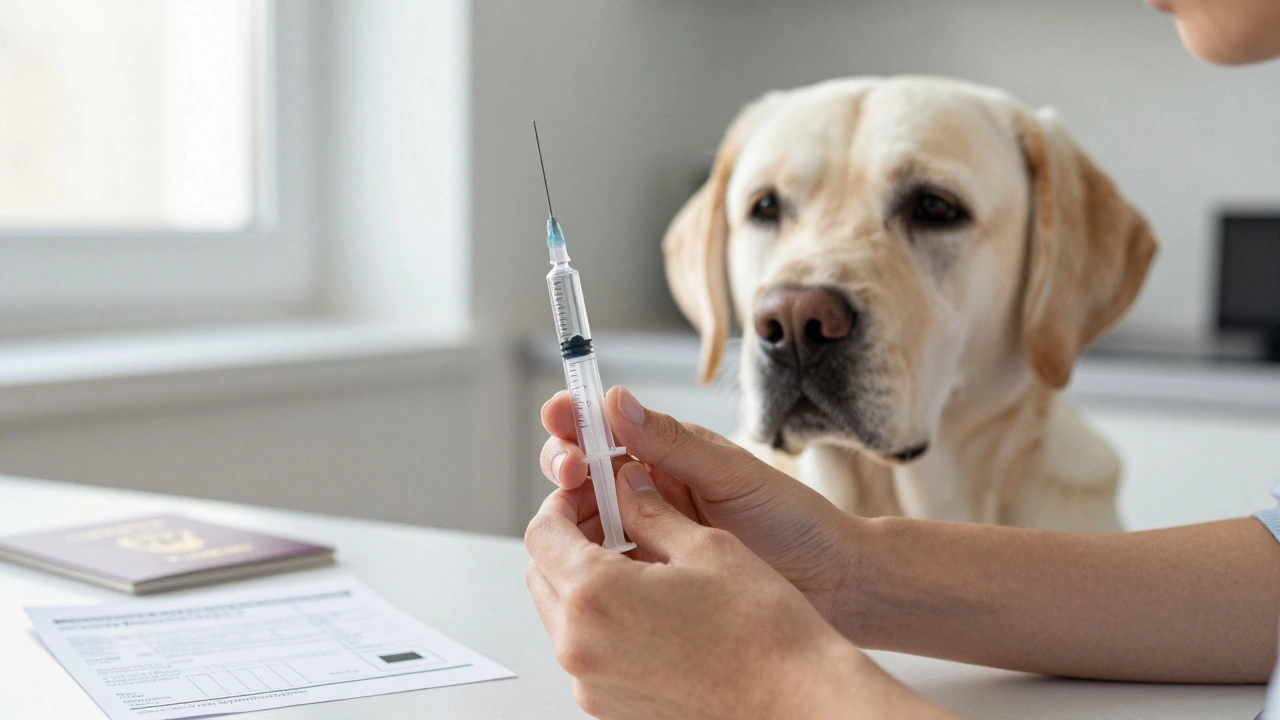
When you hear pet vaccination risks, the potential adverse reactions pets may have after receiving vaccines, it’s easy to panic. But here’s the truth: vaccines save lives. The real question isn’t whether they’re dangerous—it’s which risks matter for your pet, and how to spot them before they become serious. Most dogs and cats handle vaccines just fine, but a small number react in ways that aren’t always obvious—lethargy, swelling, vomiting, or even seizures. These aren’t myths. They’re documented in vet clinics across the UK every week.
dog vaccines, preventive injections given to protect dogs from deadly diseases like parvovirus and rabies are usually given in a series starting at 6–8 weeks old. cat vaccines, protect felines from illnesses like feline leukemia and panleukopenia follow a similar timeline. But not all pets need every shot. Your vet might recommend core vaccines—those required by law or critical for survival—but non-core ones? Those depend on lifestyle. A dog that never leaves the backyard doesn’t need the same shots as one that goes to dog parks, boarding, or hiking trails. And cats? Indoor-only cats rarely need the same boosters as outdoor roamers. The key is tailoring, not blanket coverage.
vaccine side effects, mild to severe responses following vaccination, ranging from soreness to anaphylaxis are often mild and short-lived. A sleepy pup for a day? Normal. A swollen face or trouble breathing? That’s an emergency. Most reactions happen within 24–48 hours. That’s why vets ask you to wait in the lobby after the shot. If your pet has had a reaction before, tell your vet. They can adjust the schedule, split shots, or skip certain ones. Some breeds—like Greyhounds, German Shepherds, and Siamese cats—are more prone to reactions. It’s not about fear. It’s about awareness.
Here’s what most pet owners miss: pet vaccination risks aren’t just about the shot itself. They’re about timing, dosage, and how often you repeat them. Many vets still follow outdated annual boosters, but science shows some vaccines last 3–7 years. Over-vaccinating doesn’t make your pet safer—it just increases exposure to potential side effects. Ask for titer tests. They measure existing immunity and can show if a booster is even needed. It’s not a magic fix, but it cuts down unnecessary shots.
What you’ll find in these posts aren’t scare stories. They’re real experiences from pet owners and vet-backed facts. You’ll learn why some dogs get sick after shots, how to tell if it’s normal or dangerous, and what alternatives actually work. You’ll see which vaccines are truly essential, which ones you can skip, and how to talk to your vet without sounding like you’re arguing. This isn’t about rejecting vaccines. It’s about using them wisely—so your pet stays healthy, not just protected.
Posted By Bryndle Redding On 8 Dec 2025 Comments (0)
Is It Cheaper to Vaccinate Dogs Yourself? The Real Costs and Risks
Vaccinating your dog yourself might seem cheaper, but hidden risks like improper storage, incorrect technique, and legal issues can cost far more. Here's what you really need to know.
READ MORE