Puppy Nighttime Potty Calculator
Enter Puppy Details
Results & Schedule
Enter details and click Generate to see your puppy's bladder limit and recommended potty breaks.
The Midnight Dilemma: To Wake or Not to Wake?
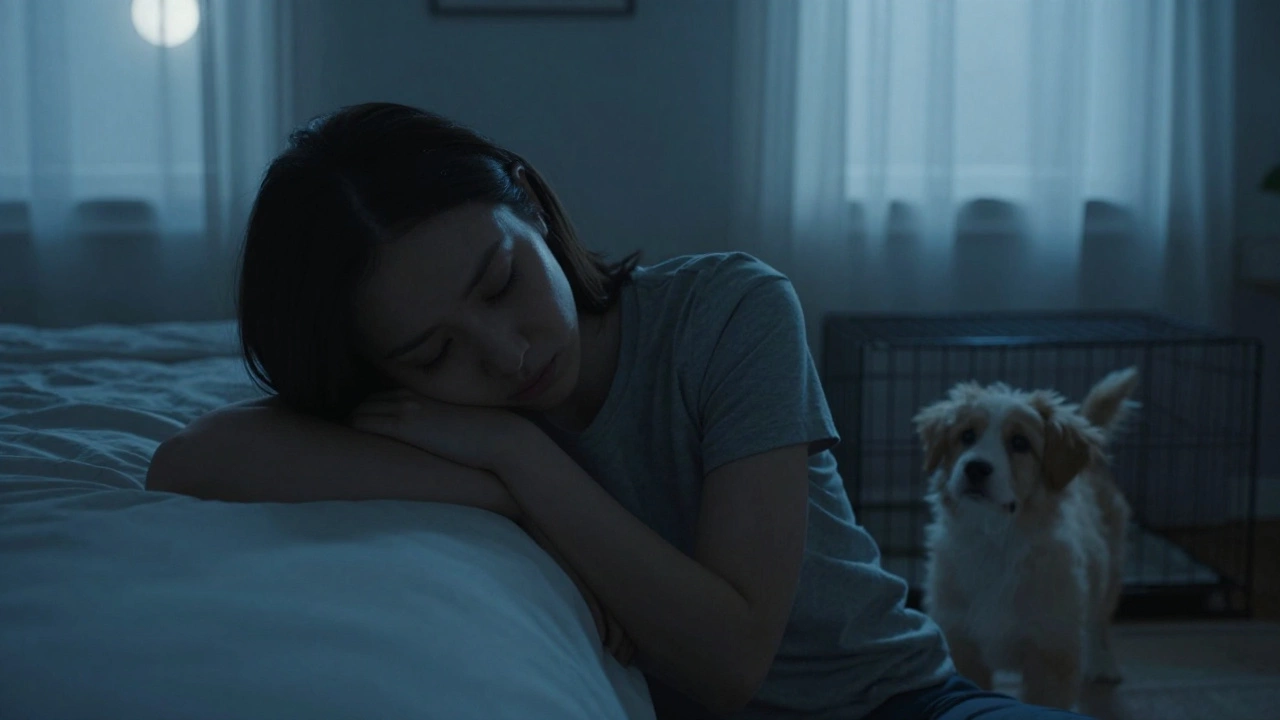
It’s 3 AM. The house is silent. Then you hear it-the soft whine from the other room. Your heart sinks. Do you get up? If you do, will your puppy a young dog under one year old that requires intensive care and training ever learn to sleep through the night? If you don’t, are you setting yourself up for a soaked floor and a frustrated morning? This is the single most common question new owners face during the first few weeks of bringing home a new furry friend.
The short answer is yes, you usually need to wake them up. But it’s not about creating a dependency; it’s about biology and consistency. Puppies have tiny bladders and zero impulse control. They physically cannot hold their urine for eight hours straight. By taking them out on a schedule, you aren't teaching them to pee at night-you're teaching them where to pee so they can actually sleep.
Understanding Puppy Bladder Limits
To make the right decision, you need to understand the physical limits of your dog. It’s not stubbornness if they wet the bed; it’s anatomy. A general rule of thumb in veterinary behavior is that a puppy can hold their bladder for approximately one hour per month of age, plus one extra hour.
- 8-week-old puppy: Can hold it for about 2 hours max.
- 12-week-old puppy: Can hold it for about 3-4 hours.
- 6-month-old puppy: Can likely hold it for 6-7 hours.
This means if you put an 8-week-old down at 10 PM, they biologically need to go by midnight. If you leave them until 7 AM, they have been holding it for 9 hours-far beyond their capacity. Accidents happen because the body forces the release when the bladder is full. Waking them prevents this involuntary accident and reinforces the habit of going outside.
The Science of Sleep and Housebreaking
Many owners worry that waking their puppy creates a bad habit. They think, "If I take him out, he'll expect me to take him out every night forever." This is a misconception. Dogs are creatures of routine. When you take your puppy out quietly, without play or praise, you are signaling that this is a biological function, not a social event.
The goal is to associate the outdoors with elimination and the crate or bed with sleep. By preventing accidents inside, you strengthen the mental link between "outside" and "pee." Over time, as their bladder grows, the number of necessary trips decreases naturally. You are managing the transition period, not creating a permanent crutch.
How to Execute Nighttime Breaks Correctly
Not all nighttime breaks are created equal. How you handle the trip matters just as much as the trip itself. If you turn on the lights, talk excitedly, or let them run around, you’ve just turned potty time into playtime. Here is how to keep it boring and effective:
- Keep it dark: Use a dim nightlight or red-spectrum light if possible. Bright lights signal "wake up and play."
- No talking: Don’t coo, don’t scold, don’t speak. Silence keeps the brain in sleep mode.
- Direct route: Go straight to the specific spot you want them to eliminate. Leash them if necessary to prevent sniffing around too long.
- Wait patiently: Give them 5-10 minutes to go. If they don’t, bring them back inside and try again in 30 minutes.
- Immediate return: As soon as they finish, head straight back to bed. No treats, no pets, no fuss.
This routine teaches your puppy that the night is for sleeping, with brief interruptions only for bathroom needs. It preserves their sleep quality and yours.
Setting the Stage Before Bedtime
Nighttime success starts long before you lie down. What happens in the evening dictates what happens at 3 AM. One of the biggest mistakes owners make is allowing unrestricted water access right before bed. While puppies need hydration, timing is key.
Try removing the water bowl about one to two hours before bedtime. Ensure they have had plenty of water earlier in the day. Also, schedule a final potty break right before you crawl into bed. This empties the tank completely, giving them the maximum amount of time to rest comfortably. If your puppy drinks heavily after dinner, consider moving dinner earlier in the evening so digestion and subsequent elimination occur before sleep time.
Crate Training: Your Best Friend at Night
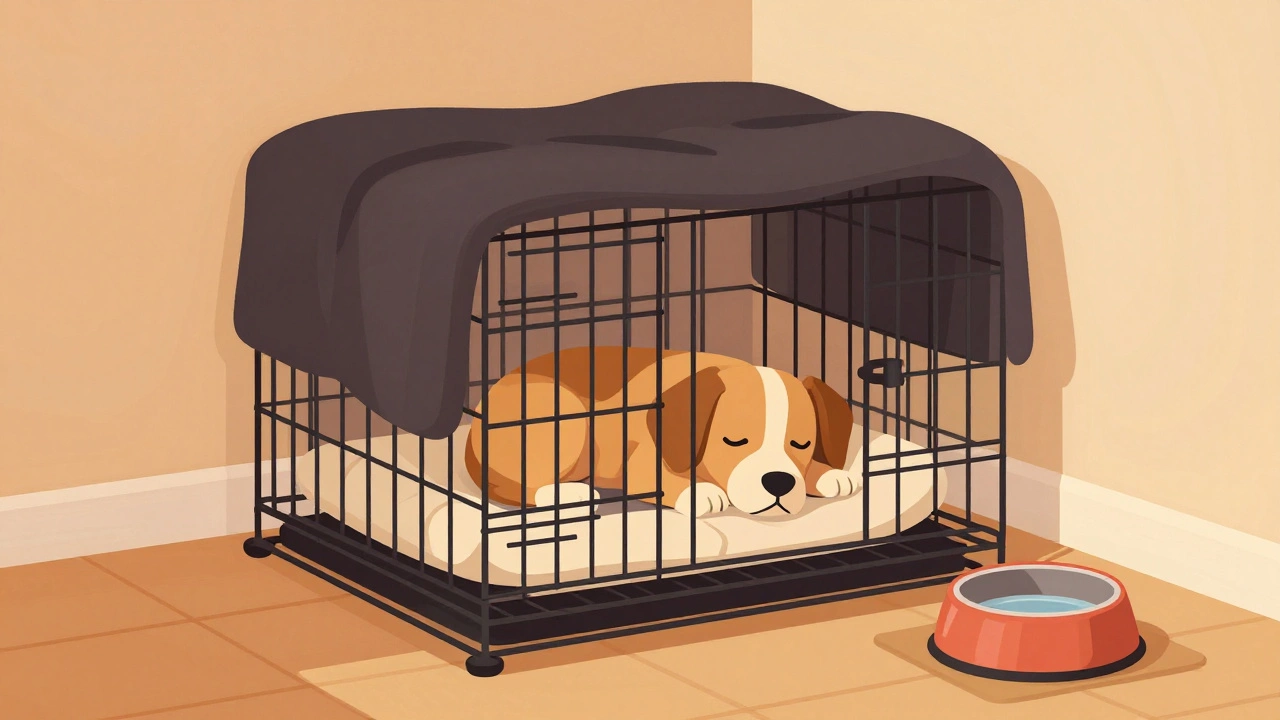
If you haven’t started crate training the process of acclimating a dog to a confined space for safety and housebreaking purposes, now is the time. Dogs are den animals and instinctively avoid soiling their sleeping area. A properly sized crate-one that is large enough to stand and turn around in, but small enough that they won’t use one corner as a bathroom-is incredibly effective for nighttime control.
When your puppy is crated, they will often hold it longer than if they were roaming free in a bedroom or living room. If they whine, wait a moment. Sometimes they just need reassurance. If the whining persists, take them out immediately. If they don’t pee, they may just be bored or seeking attention. Return them to the crate calmly. Consistency here builds trust and patience.
Signs Your Puppy Is Ready to Stop Waking Up
You don’t have to wake your puppy forever. Most dogs are fully housebroken and capable of sleeping through the night (8+ hours) by 6 months of age. However, some breeds with smaller bladders, like Chihuahuas or Yorkies, may take longer. Watch for these signs that you can start weaning off the nighttime breaks:
- No accidents for two weeks: If the bed stays dry consistently, their bladder control is improving.
- Quiet nights: They stop whining or pacing before you even take them out.
- Age milestone: They have passed the 6-month mark and show no signs of distress when held past their usual limit.
To test readiness, gradually delay the first morning trip by 15-minute increments. If they hold it, extend the time further. If they have an accident, you moved too fast-go back to the previous interval.
What to Do If Accidents Happen
Even with the best plan, accidents will occur. Maybe you fell asleep too deeply, or maybe your puppy had a tummy upset. If you find a mess, resist the urge to yell or rub their nose in it. This does not work. Dogs do not connect punishment hours later with the act of peeing. They only associate your anger with your presence.
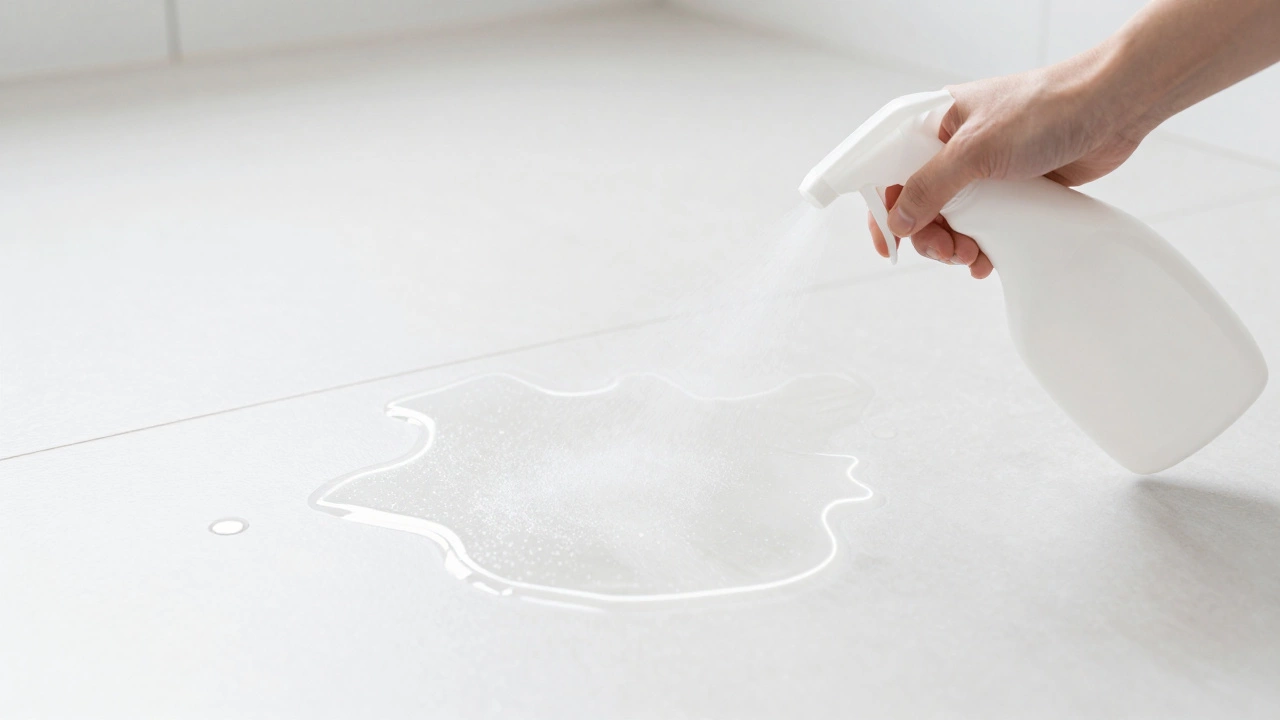
Instead, clean it thoroughly with an enzymatic cleaner designed for pet stains. Regular household cleaners often leave behind urine markers that smell faint to humans but scream "bathroom" to dogs. Enzymatic cleaners break down the proteins in urine, removing the scent entirely and discouraging repeat offenses in that spot.
Comparison: Scheduled Waking vs. Waiting for Whines
| Strategy | Pros | Cons | Best For |
|---|---|---|---|
| Scheduled Waking | Prevents accidents; builds confidence; establishes routine | Disrupts owner sleep initially; requires alarm clocks | Puppies under 4 months; anxious dogs |
| Wait for Whines | Less disruption if they sleep well; teaches communication | Risk of accidents if you miss the cue; can reinforce whining behavior | Older puppies (5+ months); confident sleepers |
| Bedding/Pads Indoors | No need to get up; immediate relief for puppy | Confuses housebreaking; hard to transition to outdoors; odor issues | Emergency situations only; elderly/sick dogs |
Special Considerations for Health Issues
If your puppy is suddenly waking up more frequently despite being older, or if they seem to strain without producing urine, consult a veterinarian. Conditions like urinary tract infections (UTIs), diabetes, or kidney issues can cause increased frequency and urgency. These medical problems mimic behavioral issues but require different treatment. Always rule out health concerns before assuming it’s a training setback.
Frequently Asked Questions
At what age can a puppy sleep through the night without waking up?
Most puppies can sleep through the night (approximately 8 hours) by 4 to 6 months of age. However, this depends on breed size and individual bladder development. Small breeds may take longer due to smaller bladder capacity.
Will waking my puppy up confuse them?
No, as long as you keep the interaction boring and quiet. Waking them prevents accidents and reinforces that the outside is the place to go. Confusion arises from inconsistent rules or rewarding the behavior with play.
Should I give my puppy water before bed?
You should allow water access throughout the day but remove the bowl 1-2 hours before bedtime. This reduces the volume of urine produced overnight while ensuring the puppy stays hydrated during active hours.
What if my puppy pees in the crate?
If your puppy pees in the crate, the crate might be too large, or you waited too long to take them out. Clean the crate thoroughly with an enzymatic cleaner. Ensure the crate is the right size and increase the frequency of nighttime breaks temporarily.
How do I know if my puppy is whining to pee or for attention?
If they have been awake for less than their age-in-hours limit, they may want attention. Wait a few minutes. If the whining continues and they show signs of needing to go (sniffing, circling), take them out. If they don’t pee, return them to bed immediately to discourage attention-seeking whines.