Dog Flight Comfort Strategy Finder
Answer a few questions to find the recommended approach for your dog's upcoming flight. Note: Always consult your veterinarian before administering any medication.
Recommended Strategy
Your dog would likely benefit from natural calming aids.
Suggested Action Plan:
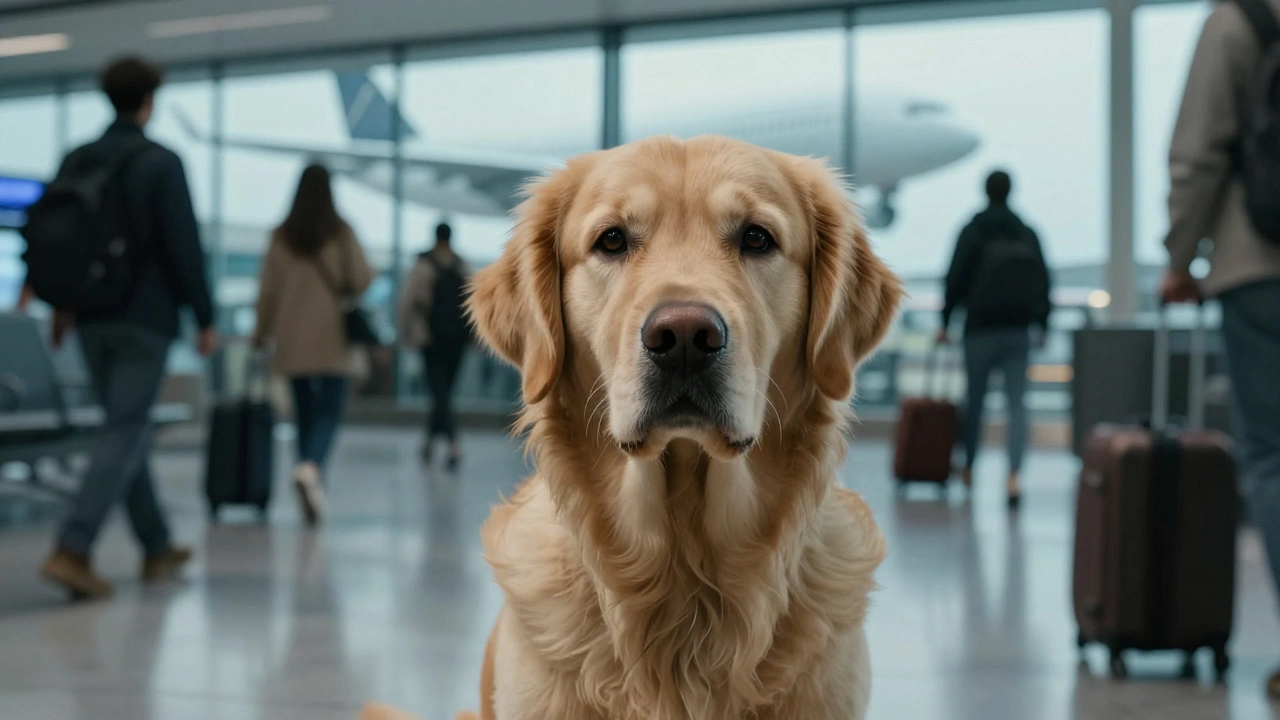
The big question isn't just whether your dog is nervous, but whether their body can handle the physiological stress of altitude while under the influence of a drug. Most veterinarians and major airlines strongly advise against heavy sedation. But that leaves you with a stressed-out dog and a long journey ahead. How do you balance their comfort with their safety?
The Quick Rundown: Sedation vs. Calming
- Heavy Sedation: Dangerous. Affects breathing and temperature regulation. Often banned by airlines.
- Mild Tranquilizers: Potential option, but only under strict vet supervision.
- Natural Calming Aids: Generally safe and effective for mild to moderate anxiety.
- Behavioral Prep: The gold standard for long-term success.
Why Heavy Sedation is a Huge Risk
When you use a strong sedative, you aren't just making your dog sleepy; you're suppressing their central nervous system. Sedatives is a class of drugs that reduce irritability and excitement, often causing drowsiness. While this sounds great for a flight, it creates a dangerous cocktail when mixed with high altitude.
Airplanes, even in the cabin, have different pressure and oxygen levels than the ground. A sedated dog can't regulate its breathing as effectively. If they struggle to get enough oxygen, they can't wake themselves up or pant to compensate. This can lead to hypoxia or respiratory distress. Additionally, many sedatives interfere with a dog's ability to regulate their body temperature. In a cargo hold that might be too cold or a cabin that's too warm, a drugged dog can't shiver or pant to stay stable, leading to hypothermia or heatstroke.
Then there's the "paradoxical reaction." Some dogs don't get sleepy; they get agitated, disoriented, and panicked. Instead of a calm pup, you have a dog that is physically unable to coordinate its movements but mentally spiraling, which is a terrifying experience for the animal.
Airline Policies on Sedated Pets
If you're thinking about sneaking a pill into a treat, be careful. Many Airlines (like Delta or United) have strict policies against sedated animals. If a crew member notices your dog is unresponsive or abnormally lethargic, they may view it as a medical emergency. In extreme cases, if they suspect a pet is overly sedated and unable to breathe, they might even refuse to let the pet board.
| Method | Effectiveness | Risk Level | Vet Approval |
|---|---|---|---|
| Strong Sedatives | High (Sleep) | Very High | Rarely Recommended |
| Mild Tranquilizers | Moderate | Medium | Case-by-Case |
| Pheromones/CBD | Low to Moderate | Low | Generally Approved |
| Crate Training | High (Long term) | Zero | Highly Recommended |
Safe Alternatives for a Calmer Flight
Since heavy drugs are off the table, how do you actually stop the shaking? You move from "knocking them out" to "lowering the volume" of their anxiety. Adaptil is a synthetic version of the pheromones dogs release from their mammary glands to calm their puppies. You can get this as a spray for the carrier or a collar. It doesn't drug the dog; it just sends a signal that the environment is safe.
Another great tool is Tryptophan or L-Theanine supplements. These are amino acids that help the brain produce serotonin. They don't cause the deep unconsciousness of a sedative, but they take the edge off. Just remember: always do a test run at home. You don't want to find out your dog has an allergic reaction to a new supplement while you're at 30,000 feet.
For dogs with severe panic, your vet might prescribe Gabapentin or Trazodone. These are not "knock-out" drugs in the same way as heavy anesthesia, but they are pharmaceutical grade. The key here is a "test dose." Give the medication a few days before the flight to see how they react. Some dogs become lethargic, while others just feel a bit more relaxed.

The Power of the "Safe Space" Strategy
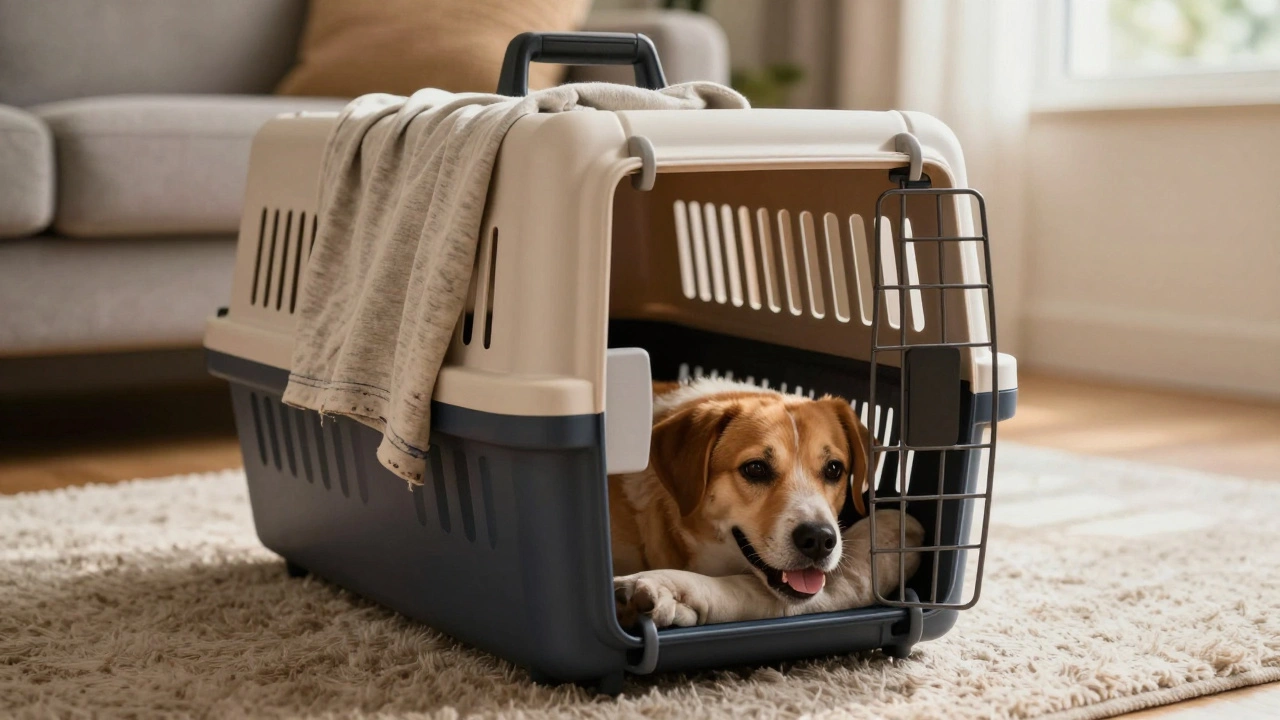
The best way to ensure a calm flight is to make the carrier feel like a bedroom, not a prison. Most people wait until the day of the flight to put their dog in the travel crate. That's a mistake. If the first time your dog sees that plastic box is when they're being hauled to the airport, they're going to associate it with terror.
Start crate training weeks in advance. Put the carrier in your living room. Feed them treats inside it. Let them sleep in it. By the time you reach the airport, the carrier should be their strongest sense of security. When the world around them is screaming and loud, they can retreat into their "den" and feel safe.
Pair this with a familiar-smelling t-shirt. Your scent is the most powerful calming agent in your dog's world. Wrap a shirt you've worn for a day around the interior of the crate. When they smell you, their cortisol levels drop, and they're more likely to settle down naturally.
Practical Tips for the Day of Travel
- Burn off the energy: A tired dog is a quiet dog. Go for a long, vigorous walk or a game of fetch a few hours before check-in.
- Fast them (slightly): Avoid a huge meal right before the flight to prevent motion sickness. A vomiting dog in a crate is a messy and stressful situation for everyone.
- Hydrate carefully: Give them water up until the last moment, but don't overdo it to avoid frequent bathroom emergencies.
- Avoid "Human" snacks: Don't give them chocolate or grapes to calm them down-obviously-but also avoid high-sugar treats that might make them hyperactive.
When is Professional Help Necessary?
Not every dog can be handled with a t-shirt and a walk. If your dog has a history of severe separation anxiety-where they destroy furniture or injure themselves when you leave-flying will be a massive trigger. In these cases, you need a Veterinary Behaviorist. These are specialists who can create a tiered pharmacological plan that manages anxiety without compromising the dog's respiratory system.
They might suggest a combination of low-dose daily meds and specific training protocols. If your dog is a "panic-striker" (meaning they might try to chew through the crate), the risk of injury is too high for simple calming sprays. A professional plan is the only way to ensure they arrive safely.
Will my dog be scared if I don't sedate them?
They might be anxious, but anxiety is safer than respiratory failure. By using calming aids, a familiar scent, and a well-trained crate, you can manage their fear without the dangerous side effects of heavy sedation.
Can I use CBD oil for my dog on a plane?
Many pet owners use CBD for mild anxiety. It generally doesn't cause the same respiratory depression as pharmaceutical sedatives. However, check the laws of your destination country and the airline's policy on CBD products before packing them.
What if my dog starts barking during the flight?
Barking is a normal response to stress. If you're in the cabin, speaking in a low, calm voice and offering a chew toy can help. If they're in cargo, the noise of the plane usually drowns out the barking, but providing a comforting item in the crate reduces the urge to bark.
How long before the flight should I give a calming supplement?
Most oral supplements and mild prescriptions work best if given 1 to 2 hours before the stressor begins. This gives the medication time to enter the bloodstream and reach peak effectiveness by the time you hit the airport.
Are there any "safe" sedatives?
"Safe" is relative. Most vets distinguish between "sedatives" (which cause heavy sleep) and "anxiolytics" (which reduce anxiety). Anxiolytics are generally safer for travel because they don't compromise the dog's ability to breathe or regulate temperature.
Next Steps for Your Trip
If your flight is still a few weeks away, start the crate training today. Put the carrier in the middle of the room and toss treats inside. If you're flying in the next few days, schedule a quick call with your vet to discuss a mild anxiolytic. Whatever you do, avoid the temptation to use over-the-counter human sleep aids or strong veterinary sedatives without a specific, travel-focused plan. Your dog's safety depends on their ability to breathe and react to their environment, even when they're scared.