Dog Lick Hygiene & Health Checker
Risk Assessment
Low RiskWhy this rating?
Recommendations
Did you know?
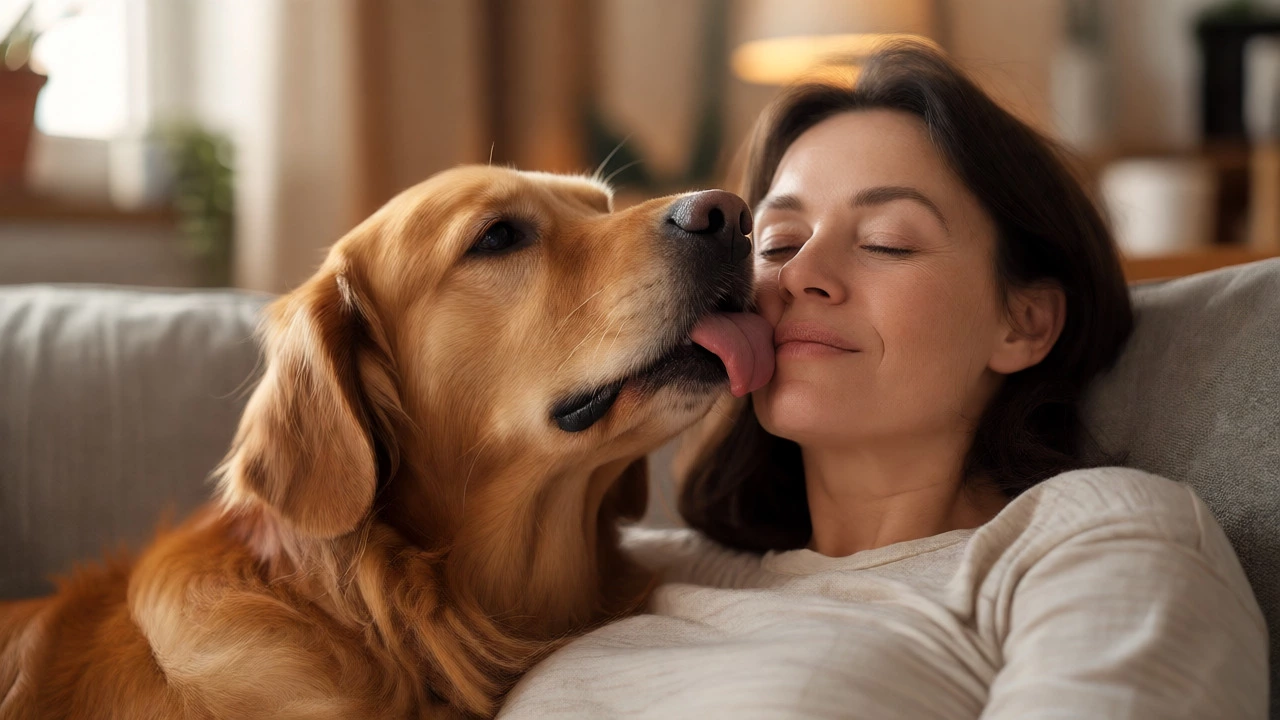
You’re sitting on the couch, relaxing after a long day, and suddenly your dog jumps up to give you a sloppy kiss. Do you lean in for more, or do you wipe it off immediately? It’s a question that divides dog owners everywhere. Some see it as pure affection; others worry about the germs lurking in those wet tongues. The truth isn’t black and white. While dog saliva does contain some beneficial compounds, it also carries bacteria that can cause issues if you have an open wound or a compromised immune system. But here’s the kicker: how much you worry often depends on what’s going on inside your dog’s body, not just their mouth. Specifically, their overall gut health and nutritional balance play a massive role in the quality of their breath and saliva.
Let’s break down the real risks, the surprising benefits, and why looking at dog health supplements might be the missing piece in this messy equation.
The Myth of Sterile Dog Saliva
There’s an old wives’ tale that dog mouths are cleaner than human ones. This is largely false. Human mouths are teeming with over 700 species of bacteria. Dog mouths aren’t far behind, hosting around 600 different types. However, the composition differs significantly. Many of the bacteria found in dogs are specific to canines and don’t easily transfer to humans or cause disease in us. That said, "doesn't easily cause disease" isn't the same as "sterile."
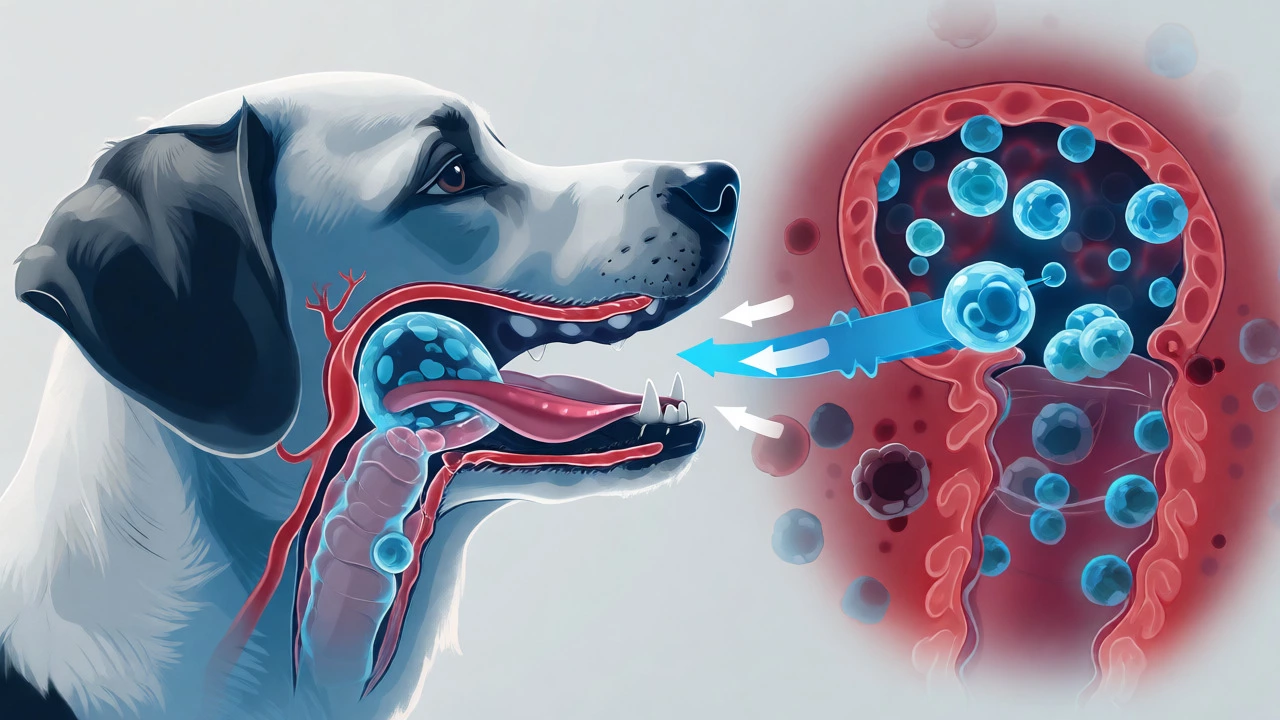
The biggest concern usually cited is Capnocytophaga canimorsus, a bacterium commonly found in the normal flora of dogs and cats. For most healthy adults, exposure to this through a lick is harmless. Your skin acts as a formidable barrier. But if that lick lands on an open cut, a scratch, or mucous membranes (like your eyes or nose), the risk profile changes. Immunocompromised individuals, such as those undergoing chemotherapy or people without a spleen, face higher stakes. In these cases, Capnocytophaga can lead to serious infections, though they remain rare.
Another culprit is Salmonella or E. coli. These aren’t naturally resident in every dog’s mouth but can appear if your dog has been eating something questionable-like cat litter, dead animals, or raw food diets. If your dog’s digestive tract is out of whack, their saliva becomes a vector for these pathogens. This is where nutrition enters the conversation. A dog with poor gut health may have increased bacterial loads in their saliva simply because their internal environment isn’t balanced.
Why Dogs Lick: Decoding the Behavior
To decide whether to allow licking, you first need to understand why it happens. It’s rarely just about taste. Dogs use their tongues to gather information. They are essentially tasting your sweat, which contains salts and pheromones that tell them who you are and how you’re feeling. When a dog licks your face, they are checking in. They are gathering data on your stress levels via cortisol in your sweat.
But there’s also the grooming aspect. Puppies learn to lick from their mothers, who stimulate them to urinate and defecate by licking their bellies. As adults, this instinct translates into caretaking behavior. When your dog licks you, they might be trying to "groom" you, signaling that you are part of their pack. It’s a social bonding ritual. Oxytocin, the love hormone, spikes in both you and your dog during positive interactions like licking. So, while the hygiene argument has merit, banning licking entirely might disrupt a key communication channel.
However, excessive licking can signal anxiety or boredom. If your dog is obsessively licking your hands or arms, it might not be affection-it could be self-soothing. Observing the context matters. Is it a quick peck hello, or a prolonged, repetitive session? The latter might require behavioral intervention rather than just a hygiene check.
The Role of Gut Health and Supplements
Here is where the connection between licking and dog health supplements becomes critical. Have you ever noticed that your dog’s breath smells better when they are eating high-quality food versus low-quality kibble? That’s because oral health starts in the gut. An imbalance in gut microbiota can lead to halitosis (bad breath) and alter the chemical composition of saliva. If your dog’s saliva smells foul, it’s often a sign of underlying dental disease or gastrointestinal issues, not just leftover food particles.
Probiotics and prebiotics are increasingly recognized as tools to manage this. By supporting a healthy gut flora, you reduce the population of pathogenic bacteria that can migrate to the mouth. Studies suggest that certain probiotic strains, such as Lactobacillus reuteri, can inhibit the growth of bacteria associated with bad breath in dogs. When the gut is balanced, the systemic inflammation drops, and oral health improves. This means fewer harmful bacteria in the saliva that ends up on your skin.
Furthermore, some supplements target oral hygiene directly. Algae-based supplements, for instance, have shown promise in reducing plaque formation and improving breath odor within weeks. If you are worried about the cleanliness of your dog’s tongue, adding a targeted supplement to their diet is a proactive step. It addresses the root cause-the microbial balance-rather than just treating the symptom with mints or sprays.
| Factor | Effect on Saliva Quality | Risk to Humans | Mitigation Strategy |
|---|---|---|---|
| High-Quality Probiotics | Reduces pathogenic bacteria load | Low | Daily supplementation |
| Raw Food Diet | Potential Salmonella/E. coli presence | Moderate (if wounds present) | Hygiene protocols & testing |
| Algae-Based Chews | Improves breath odor, reduces plaque | Very Low | Regular chewing routine |
| Unbrushed Teeth | High bacterial count, gum disease | High | Brushing + Vet cleanings |
When to Say No: Specific Risk Groups
While a lick on the arm is generally fine for a healthy adult, certain scenarios warrant a firm "no." First, never let a dog lick an open wound. Even if the saliva doesn’t cause infection, the mechanical action of licking can introduce debris and keep the wound moist, delaying healing. Second, avoid letting dogs lick your face if you have active acne, cuts, or cold sores. The herpes simplex virus (HSV-1) in humans doesn’t transmit to dogs, but the broken skin makes you more susceptible to bacterial entry from their mouth.
Pregnant women should exercise caution. While toxoplasmosis is primarily spread through cat feces, general hygiene practices recommend avoiding direct contact with animal saliva during pregnancy to minimize any unnecessary microbial exposure. Similarly, infants have developing immune systems. Their skin barrier is thinner, and they tend to put everything in their mouths. A dog licking a baby’s face can transfer bacteria that the infant’s gut isn’t ready to handle yet.
If you are immunocompromised, consult your doctor. This includes people with HIV/AIDS, those on immunosuppressants, or cancer patients. For this group, the threshold for risk is lower. Simple precautions, like washing hands after petting and discouraging face-licking, become non-negotiable rules rather than suggestions.
How to Manage Licking Without Hurting Feelings
Telling a dog "no" doesn’t mean rejecting them emotionally. Dogs respond to redirection. If your dog jumps up to lick your face, turn away calmly and ask for a sit. Reward the sit with a treat or praise. You are teaching them that calm behavior gets attention, while jumping and licking gets ignored. Consistency is key. If you sometimes allow licking and other times push them away, the dog remains confused and will continue the behavior hoping for a win.
For those who want to keep the affection but reduce the germ factor, consider training commands like "kiss" (for a quick lick) versus "off." This gives you control over the interaction. Also, maintaining your own hygiene helps. Washing your hands regularly removes the salt and scent trails that encourage licking in the first place. If you smell less interesting to your dog, they’ll lick less.
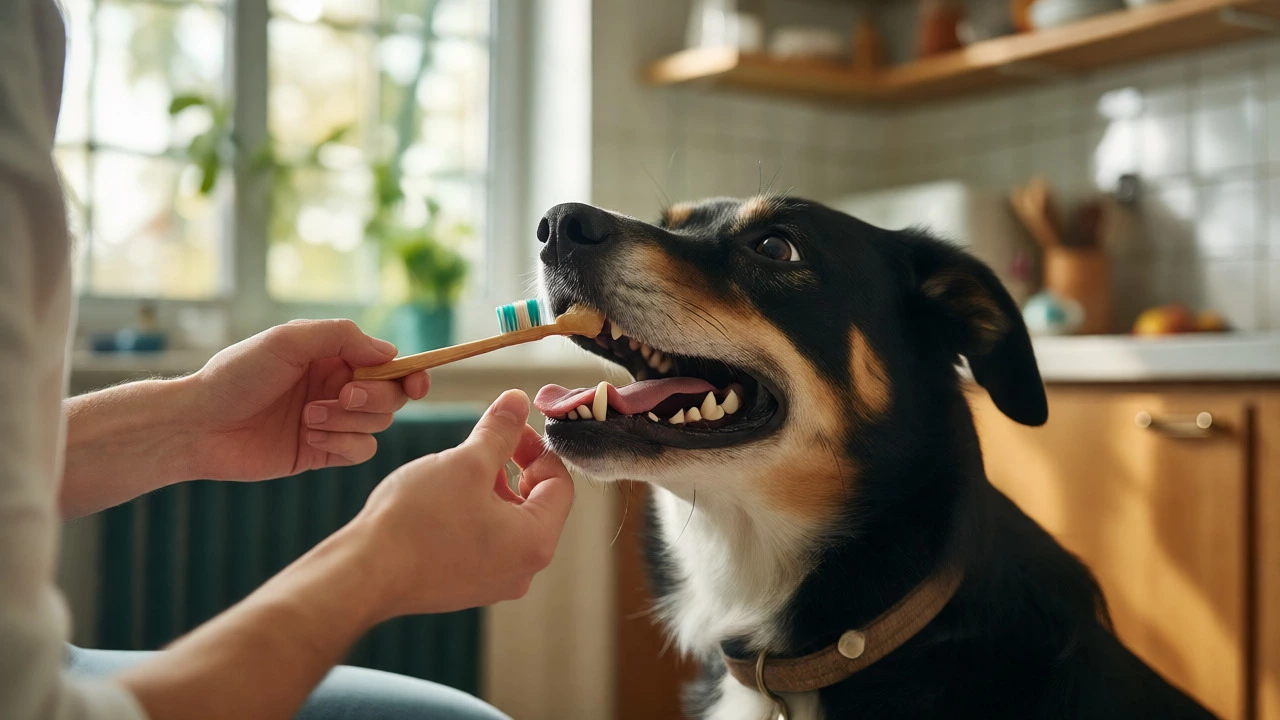
Investing in good oral care for your dog is another layer of protection. Brushing their teeth two to three times a week with enzymatic toothpaste designed for dogs breaks down plaque biofilm. Pair this with water additives or dental chews, and you significantly lower the bacterial count in their mouth. Remember, a dog with fresh breath is likely a dog with a healthier mouth and, by extension, safer saliva.
Beyond the Tongue: Broader Health Implications
Focusing solely on the lick misses the bigger picture of pet ownership. The decision to allow licking should be part of a holistic approach to pet health. Regular vet check-ups catch dental issues before they become severe. Annual blood work can reveal metabolic issues that affect breath and saliva composition. If your dog’s breath suddenly changes, it’s a medical red flag, not just a hygiene annoyance. Diabetes, kidney disease, and liver problems all manifest in distinct odors on the breath.
This brings us back to the importance of preventive care. Supplements aren’t magic pills, but they are powerful tools when used correctly. Omega-3 fatty acids, for example, reduce inflammation throughout the body, including the gums. Less gum inflammation means less bleeding and fewer bacteria entering the saliva stream. Antioxidants support immune function, helping the dog fight off minor infections that could otherwise flourish in the oral cavity.
In Wellington, where we deal with damp weather, fungal issues can sometimes plague dogs, affecting their skin and potentially their paws, which then get licked. Keeping your dog dry and clean reduces the likelihood of them ingesting irritants that upset their stomach, leading to better overall health and safer interactions with you.
Key Takeaways
- Hygiene Balance: Dog saliva isn’t sterile, but it’s rarely dangerous for healthy adults with intact skin.
- Gut Connection: Poor gut health leads to bad breath and higher bacterial loads in saliva; probiotics help mitigate this.
- Risk Groups: Immunocompromised individuals, pregnant women, and those with open wounds should avoid face-licking.
- Behavioral Redirection: Train alternative behaviors instead of punishing licking to maintain the bond.
- Preventive Care: Regular brushing and targeted dog health supplements improve oral hygiene and reduce risks.
Is dog saliva really antibacterial?
It contains small amounts of lysozyme and lactoferrin, which have mild antibacterial properties. However, these are not strong enough to sterilize a wound or outweigh the sheer volume of bacteria present in the mouth. It is not a substitute for proper cleaning.
Can I catch a cold from my dog licking me?
No. Colds and flu are species-specific viruses. You cannot catch a human cold from a dog, nor can they catch one from you. However, they can carry other pathogens like Bordetella (kennel cough), which can occasionally infect immunocompromised humans.
Do dog health supplements actually help with bad breath?
Yes, specific supplements like algae-based powders, probiotics, and omega-3s can significantly improve breath odor by addressing the underlying causes such as gut imbalance and gum inflammation. They are most effective when combined with regular brushing.
Should I stop my dog from licking me completely?
Not necessarily. For healthy individuals, occasional licking is safe and strengthens the bond. Instead of stopping it completely, manage where they lick (avoid face/wounds) and ensure your dog’s oral and gut health are well-maintained through diet and supplements.
What if my dog licks my open cut?
Wash the area thoroughly with soap and water. Monitor for signs of infection such as redness, swelling, or warmth. If you notice any of these symptoms, or if you are immunocompromised, seek medical advice promptly.