Puppy Sleep & Bladder Calculator
Puppy Details
Your Puppy's Limits
Recommended Nightly Check-ups:
- Enter details and click Generate.
Crying Sound Decoder
Not all crying is the same. Select the sound your puppy is making to see what it likely means and how to respond.
Low, Rhythmic Whine
Usually indicates a physical need.
Sharp, High-Pitched Bark
Signals fear or pain.
Repetitive Yelp
Often attention-seeking behavior.
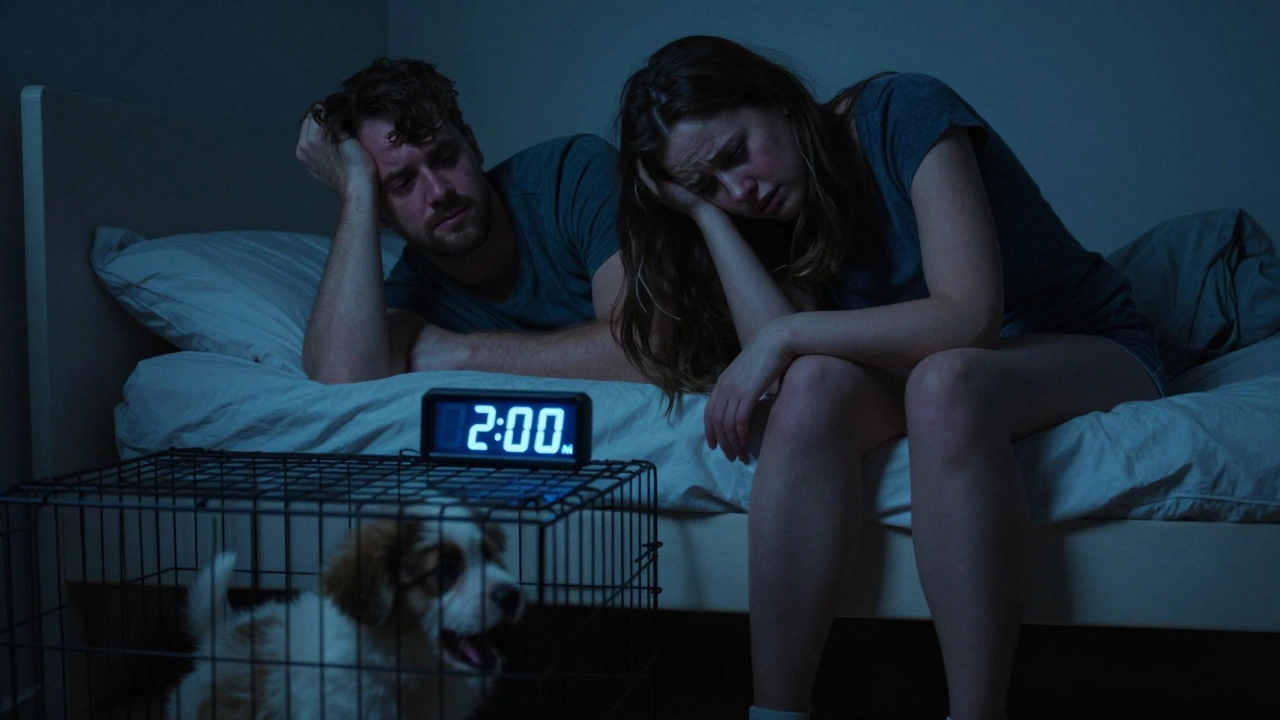
It is 2:00 AM. Your new puppy is wailing from the other room. Your heart sinks. Do you rush in to comfort them, or do you hold your ground and let them learn independence? This is the single most stressful moment for every new dog owner. The internet is divided. One camp says "cry it out" builds character; the other says it causes trauma. Neither side has the full picture.
The short answer is no, you should not simply ignore a puppy’s distress in the way you might with an older child or adult. Puppies are not manipulative little monsters trying to trick you into giving up bed space. They are neonates separated from their pack. However, this doesn’t mean you need to become a servant to their schedule forever. There is a middle path that respects their biology while establishing healthy boundaries. Here is how to navigate those first few nights without losing your sanity or breaking their spirit.
Understanding Why Puppies Cry at Night
Before you decide on a strategy, you need to understand the mechanism behind the noise. A puppy is a social animal that relies on proximity for safety and warmth. In the wild, a litter stays together. When one whines, the mother responds. By bringing a puppy home, you have replaced the mother and siblings with humans who speak a different language and sleep in a separate room.
The crying usually stems from three specific needs:
- Physical discomfort: A cold floor, a too-small crate, or a full bladder.
- Anxiety: Fear of isolation and the unknown environment.
- Habit: Learning that vocalization gets a reaction.
If you treat all crying as manipulation, you risk missing a genuine medical issue or a simple need to eliminate. If you treat all crying as panic, you reinforce dependency. The key is differentiation. You must become a detective during those early weeks.
The Problem with "Cry It Out" (Extinction Burst)
The traditional "extinction" method involves ignoring the behavior until it stops. With human children, this can work if done consistently and with proper preparation. With puppies, it carries higher risks. Puppies have tiny bladders. A four-week-old puppy cannot hold urine for more than two hours. If you ignore a puppy who is screaming because they are peeing themselves, you are teaching them to soil their sleeping area. This creates a housebreaking nightmare later.
Furthermore, there is the concept of the "extinction burst." When you stop reinforcing a behavior, it often gets worse before it gets better. The puppy cries louder, longer, and more frantically. For many owners, this emotional spike leads to inconsistency. You give in after twenty minutes of screaming. Now the puppy has learned that ten minutes of silence followed by twenty minutes of hell equals success. This intermittent reinforcement makes the behavior stronger and harder to break.
A Better Approach: The Gradual Retreat
Rather than an abrupt abandonment, try the gradual retreat method. This approach satisfies the puppy’s need for security while slowly increasing independence. It works best when combined with crate training.
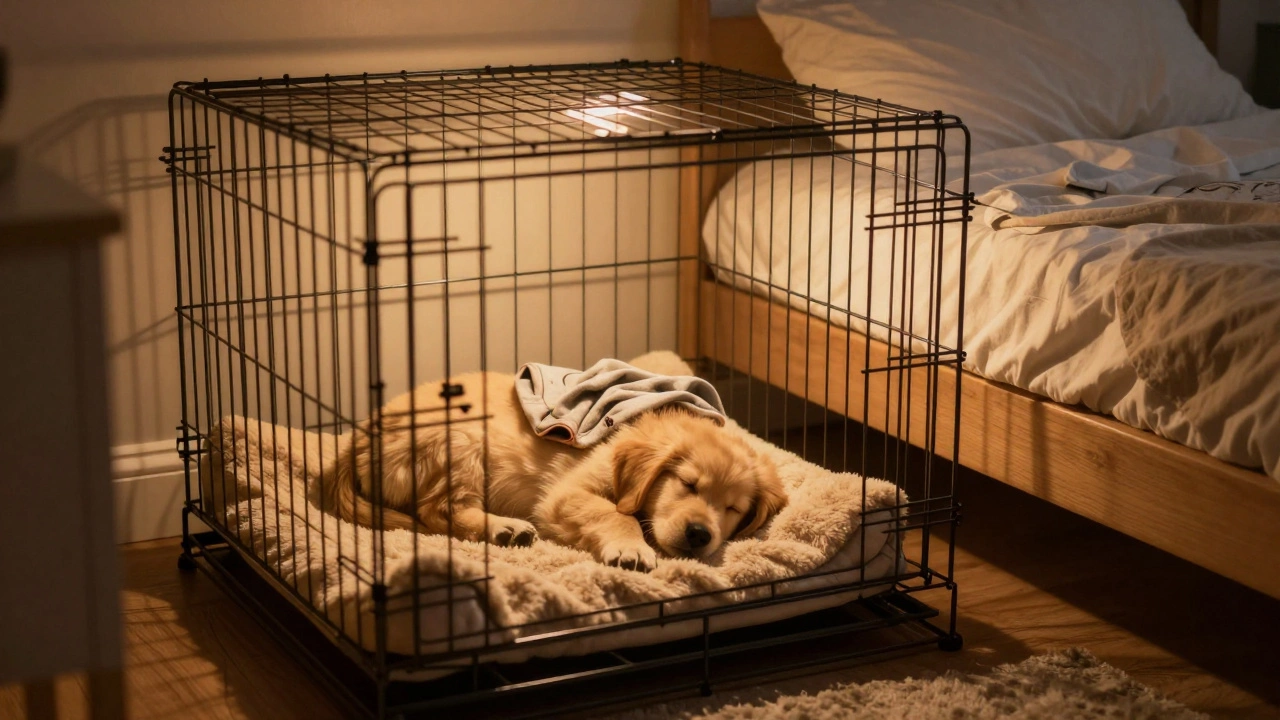
- Proximity First: For the first three nights, place the crate next to your bed. Put a piece of your worn clothing inside. The smell of you is calming. When the puppy cries, check if they need to go outside. If they don’t, offer a quiet verbal reassurance like "good puppy" but do not pick them up or play.
- The Chair Method: Once the puppy sleeps through the night in the crate beside your bed, move the crate to the foot of the bed. Then, move it to the door of the bedroom. Finally, move it into the living room or hallway.
- Quiet Time During the Day: Practice separation anxiety prevention during the day. Leave the puppy alone for five minutes, then ten, then fifteen. Reward calm behavior upon your return.
This method builds trust. The puppy learns that being alone is safe because you are still nearby, even if you are not touching them. It reduces the spike in cortisol (stress hormone) associated with sudden isolation.
Setting Up the Perfect Sleep Environment
Environment plays a massive role in how much a puppy cries. If the setup is wrong, no amount of training will fix the issue. Think about what makes a cave appealing to a den-dwelling creature.
| Element | Recommendation | Why It Matters |
|---|---|---|
| Crate Size | Just big enough to stand, turn, and lie down | Puppies avoid soiling where they sleep. Too much space encourages bathroom accidents. |
| Temperature | 68-72°F (20-22°C) | Puppies regulate body heat poorly. Cold floors cause shivering and waking. |
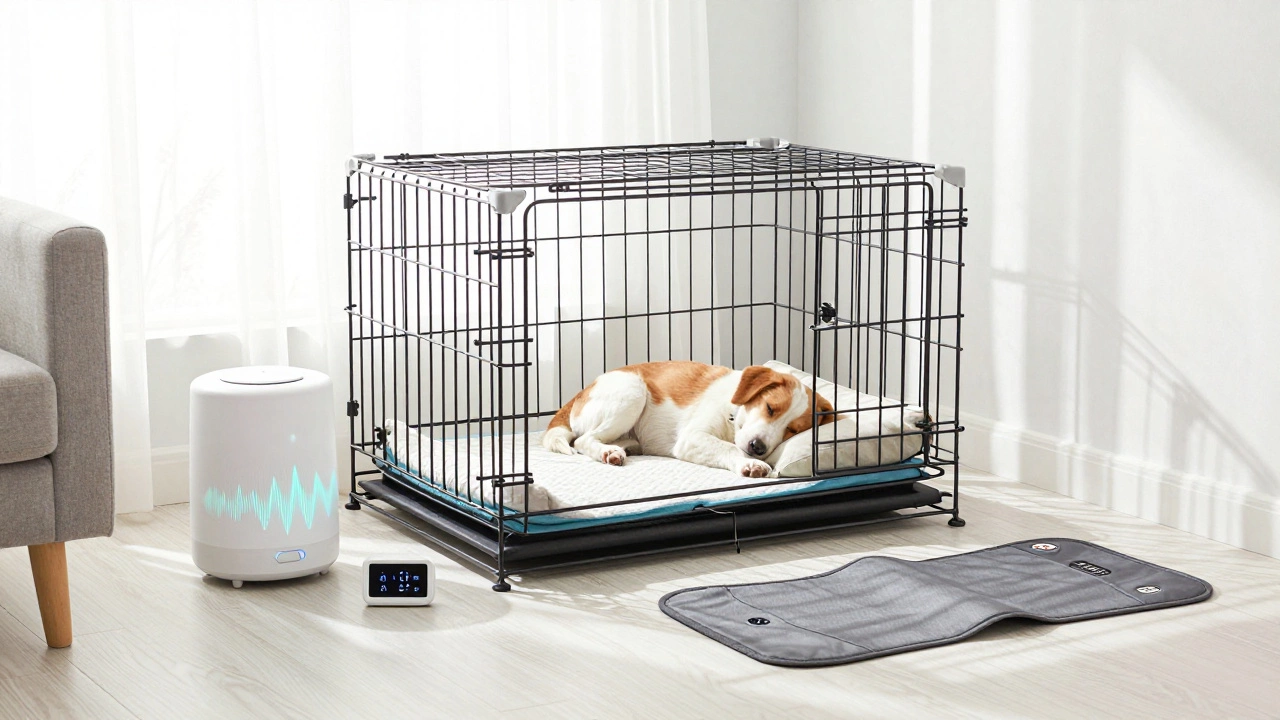
| Sound | White noise or classical music | Masks sudden household noises that startle light sleepers. |
| Lighting | Dim or dark | Triggers melatonin production for deeper sleep cycles. |
Consider using a Thundershirt or an anxiety wrap. These apply gentle pressure around the torso, which can have a calming effect similar to swaddling a baby. It’s not a magic cure, but for some sensitive breeds like Greyhounds or Whippets, it makes a noticeable difference in settling time.
Distinguishing Between Boredom and Distress
Not all crying is created equal. You need to learn the dialects of your puppy. A low, rhythmic whine often indicates a need to eliminate. A sharp, high-pitched bark usually signals fear or pain. A repetitive, demanding yelp is often attention-seeking.
Here is a simple decision tree to use when you hear noise:
- Is it within their holding limit? (Age in months + 1 = hours they can hold bladder). If yes, wait 5 minutes.
- Did they just eat or drink? If yes, take them out immediately, even if it seems early.
- Are they pacing or scratching? This suggests physical discomfort or a need to move. Take them out for a quick potty break.
- Are they lying down but vocalizing? This is likely loneliness. Offer a brief, boring verbal check-in. No eye contact, no petting.
If you respond every time they whimper, you teach them that whimpering opens doors. If you never respond, you risk neglect. The goal is to respond to needs, not emotions. Over time, the emotional responses decrease as the puppy matures and gains confidence.
When to Call a Professional
Sometimes, crying is a symptom of something deeper. If your puppy cries despite having a full bladder, a comfortable crate, and your presence nearby, consider these red flags:
- Pain: Check for injuries, parasites, or teething issues. Teething can be incredibly painful and may require frozen carrots or chews for relief.
- Separation Anxiety Disorder: If the puppy destroys property, injures themselves, or defecates only when left alone, this goes beyond normal puppy behavior.
- Breed Traits: Herding dogs like Border Collies and working breeds like German Shepherds have higher energy levels and attachment needs. They may require more mental stimulation before sleep to settle down.
In these cases, consulting a certified professional dog trainer or a veterinary behaviorist is wise. Early intervention prevents lifelong behavioral issues.
The Long-Term View
Remember that puppyhood is a phase. The intense dependency of the first eight weeks fades. By six months, most puppies can handle several hours of solitude. By one year, they are independent adults. The habits you form now set the stage for their entire life. Consistency is more important than perfection. Some nights will be harder than others. That is normal.
Your job is not to suppress their voice but to guide their development. By providing structure, comfort, and clear boundaries, you build a bond based on trust rather than fear. The silence you seek comes not from suppression, but from satisfaction. A tired, well-fed, secure puppy sleeps soundly. And so do you.
How long does it take for a puppy to stop crying at night?
Most puppies adjust to sleeping alone within 1 to 2 weeks if consistent methods are used. However, teething phases around 4-6 months and adolescence around 6-9 months can cause temporary regressions in sleep quality.
Should I put my puppy in my bed if they cry?
Co-sleeping can provide immediate comfort but often creates long-term dependency. If you choose to co-sleep, establish a boundary like a dog bed on the floor next to yours. Avoid letting them climb into your pillows, as this reinforces dominance and disrupts your sleep hygiene.
Is it cruel to leave a puppy alone in a crate?
No, provided the crate is properly sized, comfortable, and used for short durations appropriate for the puppy's age. Crates mimic dens and provide security. Cruelty occurs when crates are used for excessive punishment or confinement beyond the puppy's physical limits.
What should I do if my puppy cries when I leave the house?
Practice desensitization. Pick up your keys, put them down, and sit back. Do this repeatedly so the keys lose their predictive power. Gradually increase the time you leave, starting with seconds. Ensure the puppy is exercised and mentally stimulated before departures.
Can white noise help a puppy sleep?
Yes, white noise masks sudden environmental sounds like cars passing or doors slamming that can startle a light sleeper. Use a dedicated white noise machine or a fan. Avoid loud music or TV with unpredictable volume changes.