The Short Answer on Constant Collar Wear
Many owners wonder if it is safe to let their furry companion wear a collar around the clock. The quick answer isn't a simple yes or no. While leaving a collar on provides instant identification, doing so 24 hours a day carries specific risks depending on your dog's coat type, activity level, and home environment. A standard nylon collar might be fine for some adult dogs in controlled environments, but puppies, heavy shedders, or dogs prone to getting stuck in furniture face higher dangers. Weighing the benefits of visibility against the risk of injury is key to making the right choice.
Risks Associated with Leaving Collars On
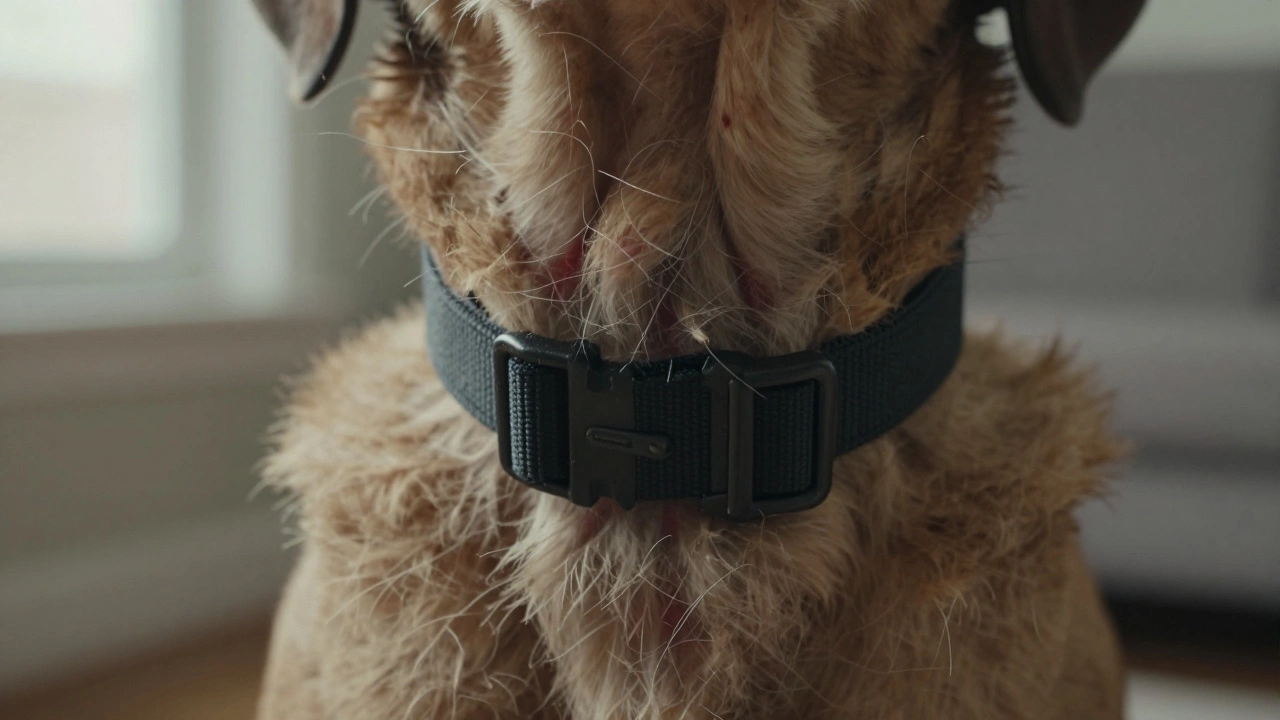
There are legitimate reasons to remove a collar when you are not actively supervising your dog. One of the most common issues is fur matting. When a collar stays tight against the neck for months, hair can weave through the buckle or underneath the strap. This creates uncomfortable mats that pull on the skin, leading to hot spots or even skin infections. If your dog sheds seasonally, this problem happens faster.
- Snagging Hazards: A loose collar can catch on door handles, crate bars, or toy ropes. If a dog panics and pulls back, this can cause trachea damage or spinal injuries.
- Skin Irritation: Moisture trapped under a thick fabric collar can lead to dermatitis, especially in humid climates or after swimming.
- Fetal Growth Issues: Growing puppies change size rapidly. A collar that fits today might strangle them in a month if not adjusted frequently.
Injury doesn't just come from the outside world; it can happen indoors too. Imagine a dog backing into a table leg or getting caught on a fence latch while exploring the garden. A standard non-release design holds fast, turning a minor bump into a strangulation hazard.
The Benefits of Keeping the Collar On
Despite the risks, there are strong arguments for keeping the collar on during sleep or unsupervised downtime. The primary function of a collar is to hold identification tags. If your dog escapes through an open door, these tags are often the first chance a stranger has to return them to you. Without immediate physical proof of ownership, many people walk away instead of helping.
Also, a collar offers a consistent place to attach leashes. You don't always have to hunt for the harness when the postman knocks or the baby cries and you need to take the dog out quickly. For training consistency, having the tag jingle helps some dogs associate sounds with walking routines. However, if you rely solely on a permanent collar, you must ensure the hardware is high-quality to prevent accidental breakage.
Breakaway Collars: The Best Middle Ground
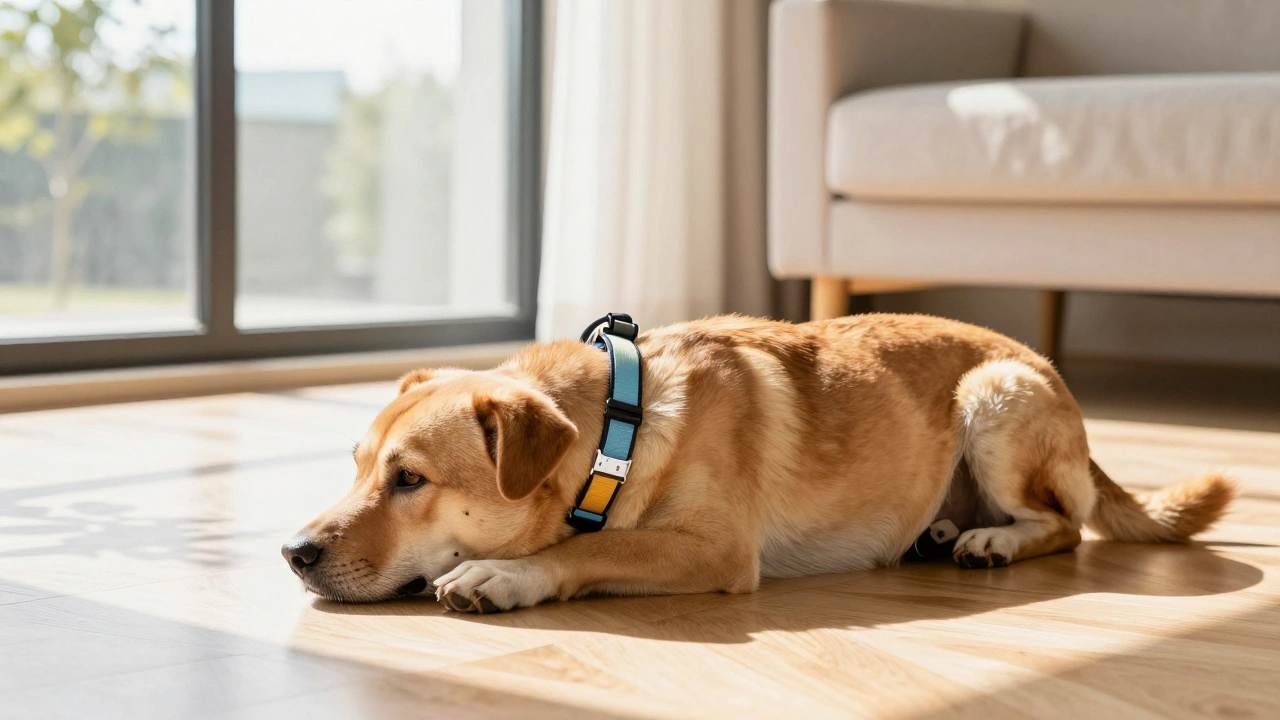
If you prefer leaving the collar on but worry about snags, consider upgrading to a breakaway collar. These are designed specifically to release tension when pulled too hard. Unlike standard plastic or metal buckles, they utilize spring-loaded clips that snap open under pressure. They are widely recommended for indoor use where unsupervised roaming occurs.
| Feature | Standard Collar | Breakaway Collar |
|---|---|---|
| Safety Release | No | Yes |
| Wear Durability | High | Medium |
| Ideal Usage | Outdoors/Walking | Indoors/Sleeping |
| Choke Risk | Possible | Limited |
Be aware that breakaway mechanisms can sometimes release accidentally if bumped aggressively. They are great for preventing severe choking but less effective at preventing escape compared to sturdy buckles. Always supervise testing these collars before leaving them on unattended.
Harnesses as an Alternative
Many experts suggest switching between collars and harnesses for daily life. A harness distributes pressure across the chest and shoulders rather than the delicate trachea. If you plan to keep something on 24/7, a vest-style harness is often safer because there are fewer small parts to get tangled.
However, remember that harnesses usually lack the ability to hold ID tags directly. You will still need to clip a tag onto the D-ring on the back of the harness, ensuring it is visible to passersby. Some companies make "safety vests" that combine identification patches directly woven into the fabric, eliminating the noise of jangling metal tags.
Microchipping: The Backup Plan
While physical ID is helpful, it can fall off. Microchips remain a critical safety net. A tiny chip implanted under the shoulder blade contains a unique number scanned by veterinarians and shelters globally. In New Zealand, and most developed countries, this registration must be up-to-date with current contact details. Even if a collar snaps, a microchip ensures that someone can contact you once the dog reaches a vet clinic.
Do not treat a microchip as a replacement for a collar, though. Many people passing your dog won't carry a scanner. Relying solely on the chip assumes your dog stays near a vet until found. Combining both methods provides maximum security.
Daily Maintenance Checklist
To minimize risks if you decide to leave the collar on, perform regular checks. Inspect the area under the collar weekly for bald patches or redness. Run your fingers under the strap to ensure it is not tightening due to matting.
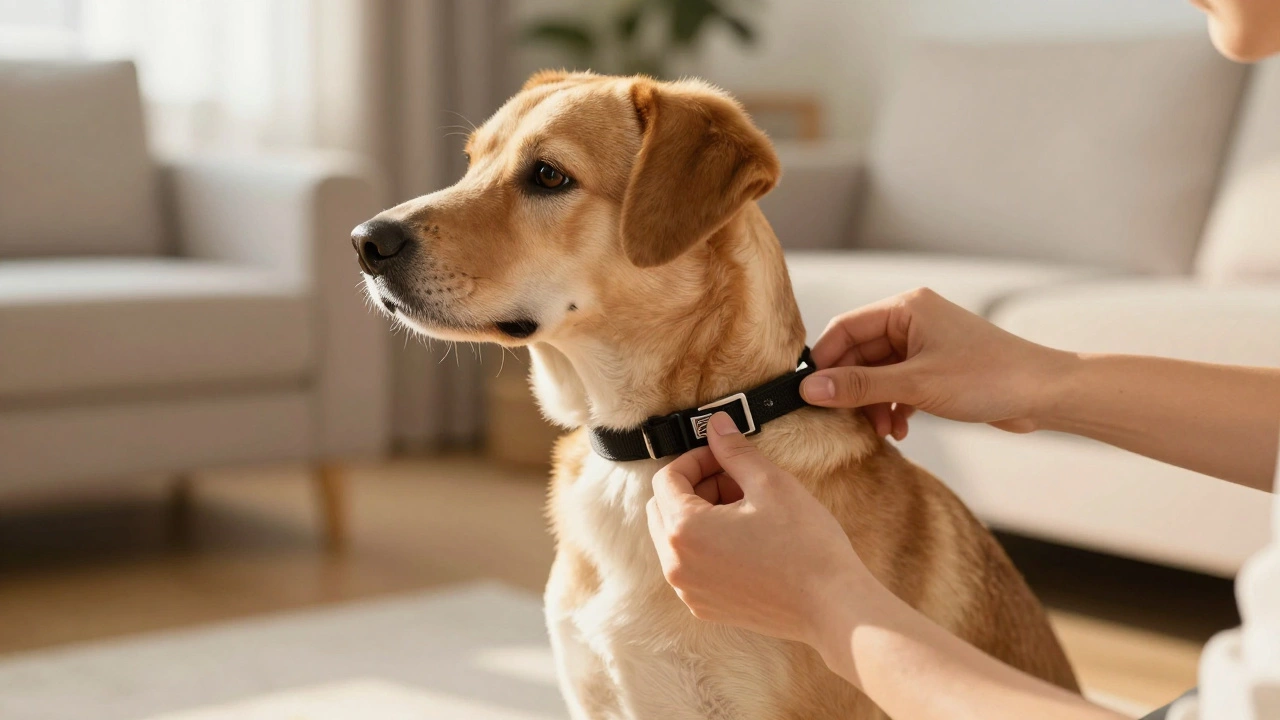
- The Finger Rule: You should easily slide two fingers under the collar. If you struggle to fit them, adjust the buckle immediately.
- Clean Regularly: Sweat, dirt, and pollen accumulate inside the fabric loop. Wash cloth collars every week and wipe leather ones down.
- Check Hardware: Look for rust on the buckle or fraying on the stitching. Old buckles corrode and fail unexpectedly.
Special Considerations for Breed Types
Different breeds react differently to constant pressure. Breeds with long neck fur, like Afghan Hounds or Collies, suffer severely from matting under collars. Thick-skinned breeds or working dogs, like Bulldogs or Terriers, might handle it better provided they aren't scratching themselves constantly.
Puppies are a special case entirely. Their neck growth spurts are rapid. Leaving a fixed-size collar on a six-week-old pup often leads to chaffing or restricting jaw development. It is safer to take puppy collars off overnight and put them back on before training sessions.
Can leaving a collar on cause skin infection?
Yes, if the collar traps moisture and debris, it creates a breeding ground for bacteria. Watch for redness, raw spots, or a foul odor coming from the neck area. Taking it off to air dry the skin regularly helps prevent this.
Is it okay to sleep with a collar on?
It is generally safe for adult dogs with short hair, provided the collar fits correctly. If you worry about catching on bed frames or crates, remove it during sleeping hours. Long-haired dogs benefit from removing the collar before bedtime.
What is the safest type of collar for indoor use?
A breakaway safety collar is the safest option for indoor wear. It releases if the dog gets caught on an object, significantly reducing the risk of strangulation compared to traditional fixed buckles.
How do I know if my dog's collar is too tight?
Try sliding two fingers comfortably between the collar and your dog's neck. If the skin bunches up or you feel resistance when moving your fingers, it is too tight and needs adjustment immediately.
Should puppies wear collars all the time?
No, avoid leaving collars on puppies 24/7. They grow quickly, and a collar can become a strangulation hazard. Remove it during naps and re-apply when active.
Ultimately, the decision rests on balancing convenience with safety. Knowing your dog's habits and vulnerabilities matters more than general rules. By checking the fit daily and understanding the mechanics of different designs, you can make an informed choice that keeps your pet safe and identified.