Dog Night Light Advisor
Why this matters?
Dogs have superior night vision due to the tapetum lucidum. Darkness helps regulate melatonin for better sleep.
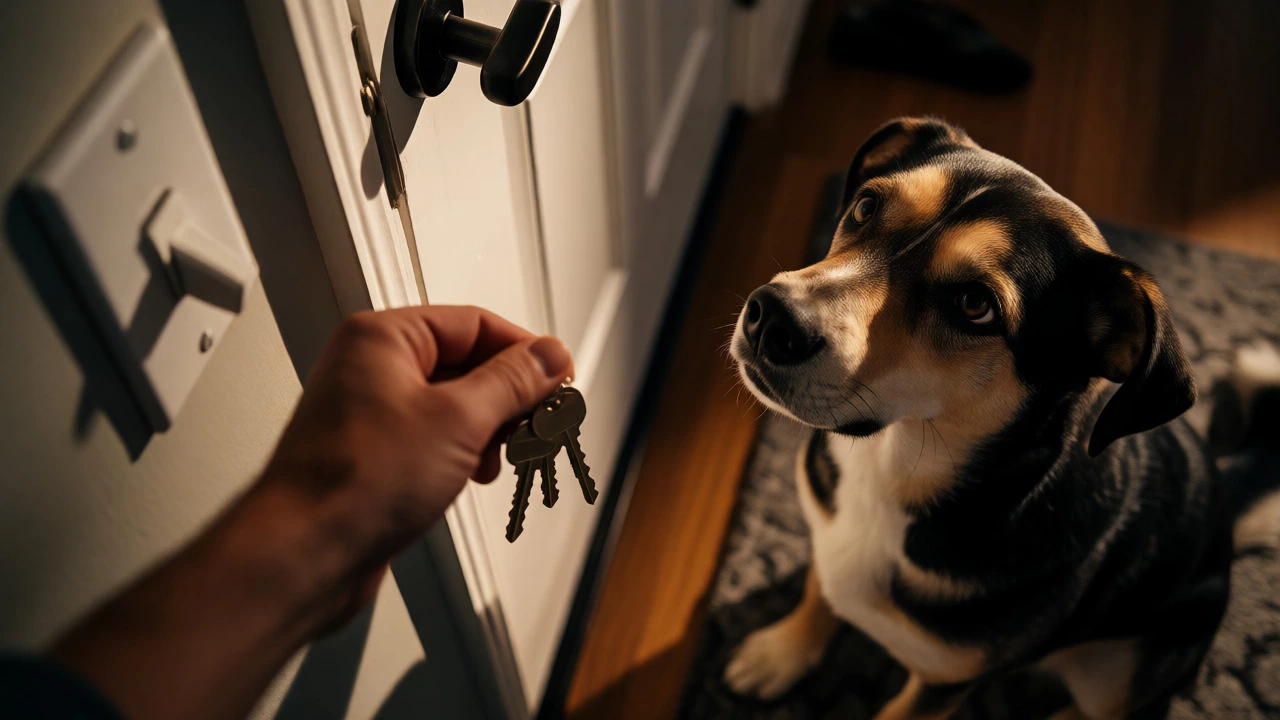
You’re rushing out the door, keys in hand, and you glance back at your dog. They look up with those big, soulful eyes, and a sudden wave of guilt hits you. Should I leave the light on? Is my dog scared of the dark? Will they trip over their dog bed if it’s pitch black? It’s one of the most common questions pet owners ask, right up there with "did I feed them enough?" But here is the surprising truth: for most healthy adult dogs, turning off the lights is actually better for them.
We tend to project our own human fears onto our pets. We hate stumbling around in the dark, so we assume they do too. But dogs aren’t humans. Their biology, their senses, and their relationship with darkness are completely different. Before you flip that switch, let’s look at what’s actually happening inside your dog’s brain and body when the sun goes down.
Dogs Don’t See Darkness Like We Do
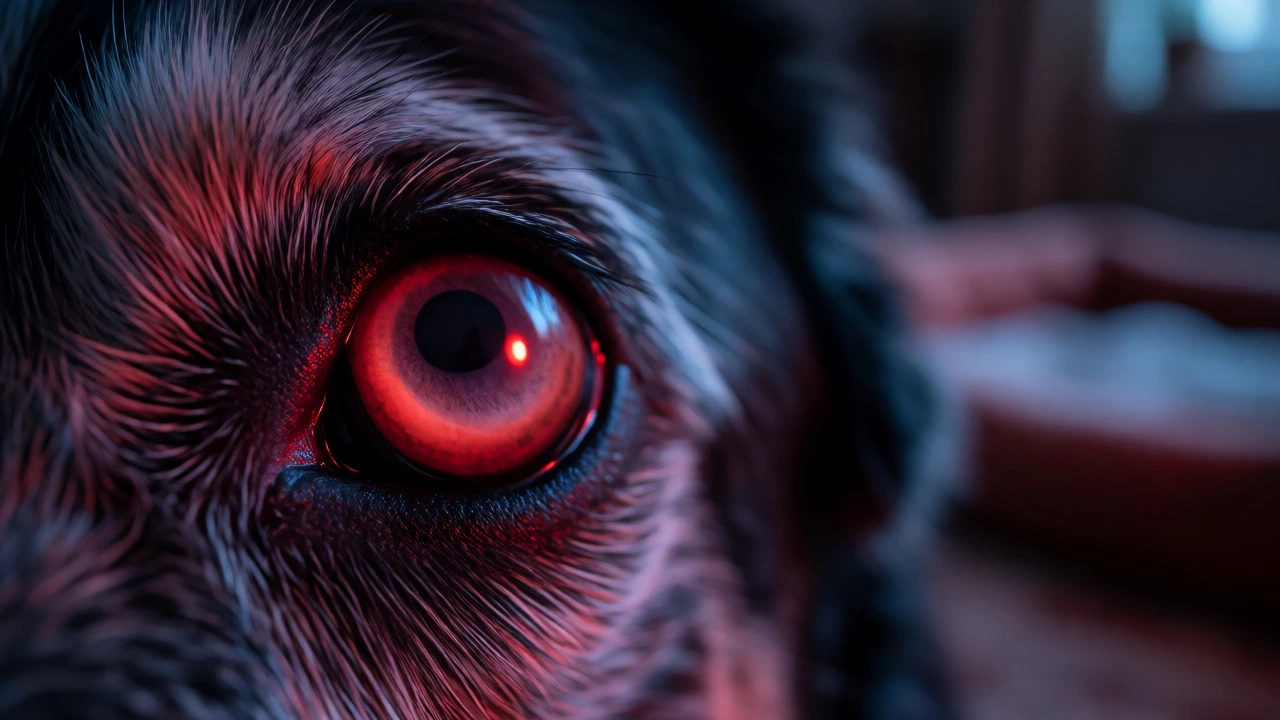
Here is a fact that might change your mind immediately: dogs have superior night vision compared to us. This isn't just a myth; it’s rooted in anatomy. Behind a dog's retina lies a layer of tissue called the tapetum lucidum. This reflective layer bounces light back through the retina, giving the photoreceptors a second chance to capture photons. That’s why their eyes glow green or yellow when a flashlight hits them at night. Because of this biological advantage, a room that looks like a void to you might look dimly lit and perfectly navigable to your dog.
Furthermore, dogs rely heavily on their other senses. If a room is dark, your dog doesn’t panic because they can smell the layout of the house, hear the hum of the fridge, and feel familiar textures under their paws. They map their environment using scent and memory, not just sight. Leaving a light on doesn’t necessarily make them feel safer; often, it just confuses their natural instincts.
The Circadian Rhythm Connection
If you leave the lights on all day while you’re at work, you might be disrupting your dog’s internal clock. Dogs, like humans, operate on a circadian rhythm-a roughly 24-hour cycle that regulates sleep-wake patterns. This system relies heavily on environmental cues, primarily light and darkness.
When artificial light stays on during the hours when your dog should be resting, it suppresses the production of melatonin, the hormone responsible for deep, restorative sleep. Have you ever noticed your dog pacing, panting slightly, or seeming unable to settle into their orthopedic foam mattress designed for joint support despite being tired? Excess light could be the culprit. By keeping the environment dark, you signal to their body that it is time to enter a state of rest. This leads to deeper naps and less crankiness when you return home.
When You Actually Should Leave a Light On
So, does that mean you should always turn them off? Not exactly. There are specific scenarios where a light source is beneficial, even necessary. The key is knowing which situation applies to your specific dog.
- Puppies: Young dogs are still learning their way around. They lack the confidence and spatial memory of an adult dog. A dim light helps them find their water bowl or the door to go outside without having accidents due to fear or confusion.
- Senior Dogs: As dogs age, their vision deteriorates. Conditions like cataracts or nuclear sclerosis (a bluish haze in the lens) can make navigating in low light difficult. If your senior dog bumps into furniture or hesitates before stepping onto stairs, a night light is a kindness, not a crutch.
- Anxious Dogs: Some dogs suffer from genuine phobias related to darkness or loud noises that accompany nightfall (like thunder). For these dogs, total darkness can trigger separation anxiety spikes. However, the type of light matters immensely-more on that later.
- Recovery from Surgery: If your dog is recovering from an operation and has restricted mobility, a soft light ensures they don’t injure themselves trying to move around in unfamiliar conditions.
Not All Lights Are Created Equal
If you decide a light is needed, don’t just leave the main overhead bulb blazing. That harsh, blue-rich light is stimulating and can keep your dog awake. You want something subtle. Think about the spectrum of light you’re introducing.
| Light Type | Best For | Why It Works |
|---|---|---|
| Red Night Light | General use, anxious dogs | Red wavelengths have minimal impact on melatonin production. It provides visibility without signaling "daytime" to the brain. |
| Amber/Warm White | Seniors, puppies | Less harsh than cool white LEDs. Mimics sunset tones, helping dogs relax rather than alert. |
| Bright LED/Fluorescent | Active play areas only | Too stimulating for sleeping zones. Can cause eye strain and disrupt sleep cycles. |
| Natural Moonlight | Most adult dogs | Often sufficient for navigation. Best left alone unless security is a concern. |
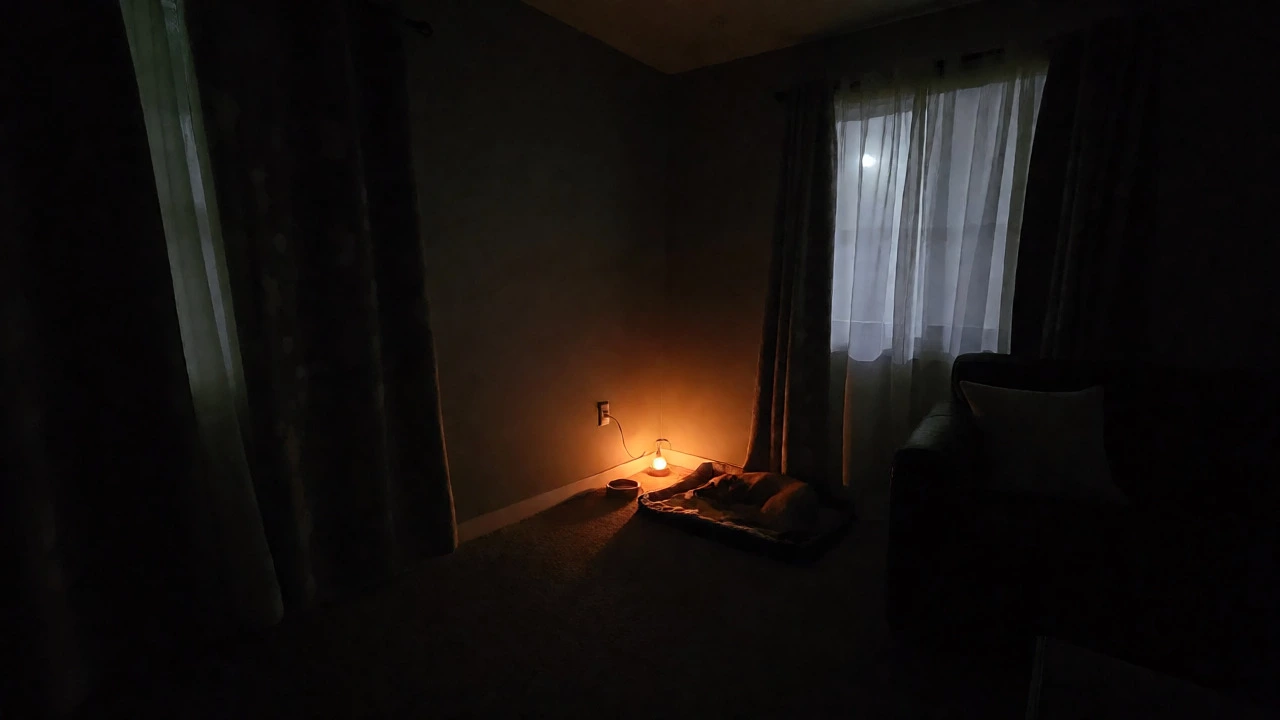
In Wellington, where the winter nights are long and sometimes stormy, a small plug-in red night light near your dog’s sleeping area is usually the sweet spot. It gives them enough visual reference to avoid obstacles but doesn’t trick their brain into thinking the sun is still up.
Separation Anxiety vs. Fear of Dark
It’s crucial to distinguish between a dog who is afraid of the dark and a dog who is stressed because you left. Many owners mistake general separation anxiety for a fear of darkness. If your dog whines, destroys things, or drools excessively whenever you leave, regardless of whether the lights are on or off, the issue isn’t the lighting-it’s the isolation.
Turning on a light won’t fix separation anxiety. In fact, if you consistently turn on a light as part of your departure routine, the light itself becomes a cue that you are leaving, potentially triggering the anxiety response before you’ve even closed the door. Try varying your routine. Sometimes leave the lights off, sometimes on. If the dog’s stress levels remain high, consult a behaviorist. The problem is likely emotional, not environmental.
Practical Tips for Setting Up the Perfect Sleep Zone
Your dog’s comfort isn’t just about the switch on the wall. It’s about the entire sensory environment. Here is how to create a space that promotes restful sleep, whether the lights are on or off.
- Location Matters: Place the dog crate or bed in a quiet corner away from high-traffic areas like the hallway or kitchen. Dogs feel safer when they can see the entrance but aren’t directly in the path of movement.
- Sound Control: Darkness often amplifies sound perception. If your dog seems uneasy in the dark, try playing white noise or classical music. This masks sudden outdoor noises like car doors slamming or distant sirens, which can startle a dog in a silent, dark room.
- Scent Anchors: Rub an old t-shirt of yours on their bedding. The familiar scent of their owner is far more comforting in the dark than any amount of electric light. Scent is their primary language; use it to reassure them.
- Test the Setup: Spend a few evenings observing your dog. Does they pace? Do they sigh deeply and settle quickly? Keep a simple log for a week. If they sleep better with the light off, stick with it. If they seem hesitant, introduce a dim red light and monitor changes.
Common Mistakes Owners Make
Avoid these pitfalls to ensure you’re actually helping your dog, not hindering them.
- Leaving TV On: Many people leave the television on for company. While some dogs tolerate it, the flickering screen and changing audio can be overstimulating. It’s rarely restful.
- Using Cool Blue Lights: Smart bulbs often default to cool white. Switch these to warm settings for evening hours. Blue light inhibits sleep hormones more than any other color.
- Inconsistency: Don’t change the lighting setup daily. Dogs thrive on routine. Pick a system and stick with it for at least two weeks to judge its effectiveness.
Final Thoughts: Trust Your Dog’s Instincts
For the vast majority of healthy, adult dogs, you can confidently turn off the lights. They are equipped with night-vision capabilities that render total darkness unnecessary for navigation. More importantly, darkness supports their natural biological need for restful sleep. Save the night lights for puppies, seniors with failing eyesight, or dogs with diagnosed anxieties. And if you do use a light, choose red or amber hues to protect their melatonin levels.
Next time you’re standing by the light switch, pause. Look at your dog settling into their bed. If they look relaxed, click the switch off. You’re doing them a favor by respecting their nature.
Do dogs get scared of the dark?
Generally, no. Most dogs are not afraid of the dark because they have excellent night vision thanks to the tapetum lucidum in their eyes. However, individual dogs may develop a fear of darkness due to past trauma or negative associations, but this is not a species-wide trait.
What color light is best for dogs at night?
Red or amber lights are best. These colors have longer wavelengths and do not suppress melatonin production as much as blue or white light. Red light allows dogs to see well enough to navigate without disrupting their sleep cycle.
Should I leave the light on for my puppy?
Yes, it is often helpful to leave a dim light on for puppies. They are still developing their spatial awareness and confidence. A night light helps them find their food, water, and bathroom spots without feeling overwhelmed by the unknown environment.
Does leaving the light on help with separation anxiety?
Not directly. Separation anxiety is distress caused by being away from the owner, not by the darkness. While a light might provide minor comfort, it does not address the root cause. Behavioral training and gradual desensitization are more effective solutions.
Can dogs sleep in complete darkness?
Yes, dogs can and often prefer to sleep in complete darkness. Total darkness signals to their brains that it is nighttime, promoting the release of melatonin and leading to deeper, more restorative sleep.