Puppy Handling Time Calculator
How to Use This Tool
Enter your puppy's age and activity type to receive personalized holding recommendations based on veterinary guidelines.
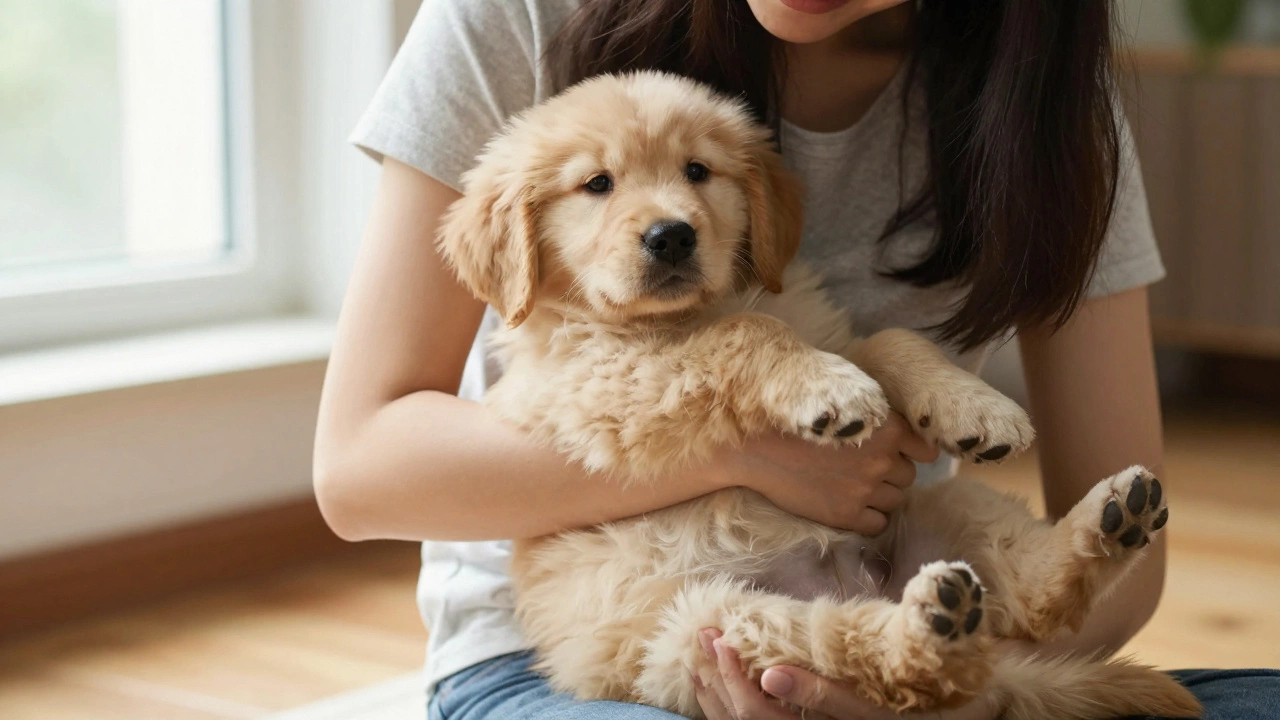
When you first bring home a fluffy puppy, it’s natural to want to cradle them like a newborn. Their tiny body, soft whimpers, and big eyes make you want to wrap them in your arms and never let go. But is holding your puppy like a baby actually good for them? Or could it do more harm than good?
Why You Want to Hold Your Puppy Like a Baby
It’s not just you. Most new puppy owners feel this urge. You’ve waited months for this moment. The puppy is small, vulnerable, and completely dependent on you. Holding them close feels like protection. It’s comforting. It builds connection. And honestly? It’s just plain cute.
But comfort doesn’t always equal care. Puppies aren’t babies. Their bodies, brains, and instincts are wired differently. What feels loving to you might be confusing-or even stressful-to them.
What Happens When You Hold a Puppy Like a Baby
When you hold a puppy on their back with their legs in the air, you’re mimicking the position of a human infant. But for a puppy, that’s not a safe or natural posture. Their spine isn’t designed to be held that way. Their joints are still forming. Their muscles are weak. And their sense of balance? Still developing.
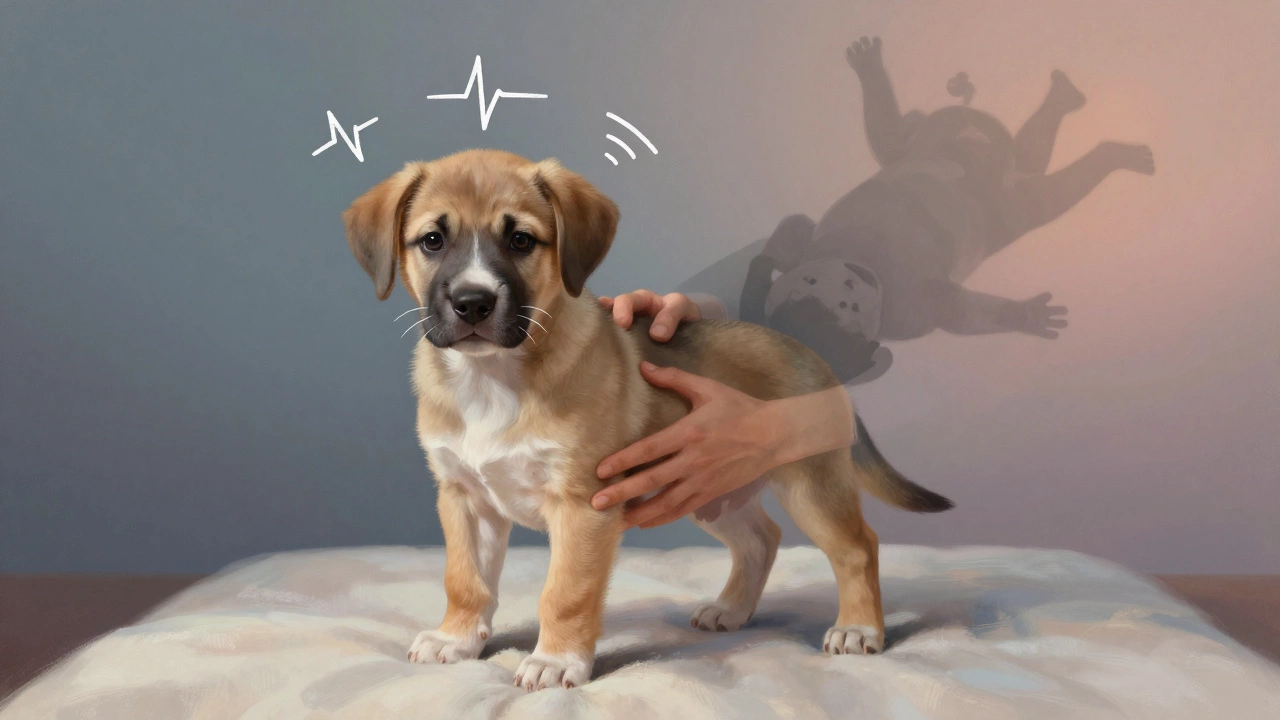
Studies from the University of Edinburgh’s Canine Behaviour Centre show that puppies held in inverted positions for long periods show higher stress markers-like increased heart rate and panting-compared to those held upright or on their side. That’s not because they’re being ‘spoiled.’ It’s because they feel unsafe.
Think about it: in the wild, a puppy on its back is vulnerable. It’s a signal of submission or fear. When you force that position, you’re overriding their natural instincts. That can lead to anxiety, especially if they’re not yet comfortable with human touch.
The Right Way to Hold a Puppy
There’s nothing wrong with holding your puppy. In fact, gentle, frequent handling is one of the best things you can do for their social development. But how you hold them matters.
Here’s what works:
- Support their whole body-one hand under the chest, the other under the hindquarters. Keep them level, not tilted.
- Keep them close to your body-this gives them security and helps them feel grounded.
- Don’t lift them high-especially in the first 8-12 weeks. Their bones are still soft. A fall from even a foot off the ground can cause injury.
- Watch their body language-if they stiffen, whine, or try to wriggle free, put them down. They’re telling you they’ve had enough.
Hold them for short bursts-30 seconds to a minute at a time. Repeat often, but don’t force it. Let them come to you. That builds trust faster than any cuddle ever could.
When Holding a Puppy Can Be Harmful
Some owners think holding their puppy like a baby helps with bonding. But there’s a difference between bonding and overhandling.
Too much carrying can delay important milestones:
- Motor skills-Puppies need to explore on their own. Walking, stumbling, climbing stairs, and sniffing the floor builds muscle and coordination. If you’re always holding them, they miss out.
- Confidence-Puppies who are carried everywhere often become dependent. They whine when put down. They freeze in new places. They don’t learn how to navigate the world.
- Bladder control-Puppies under 12 weeks can’t hold it for long. Constant carrying means you’re not giving them chances to learn where to go. That makes house training harder.
There’s also a risk of resource guarding. If a puppy learns that being held means they’re always in control of your attention, they may start to react negatively when you try to pick them up later-especially if they’re tired or in pain.
What About Puppy Toys? Do They Replace Holding?
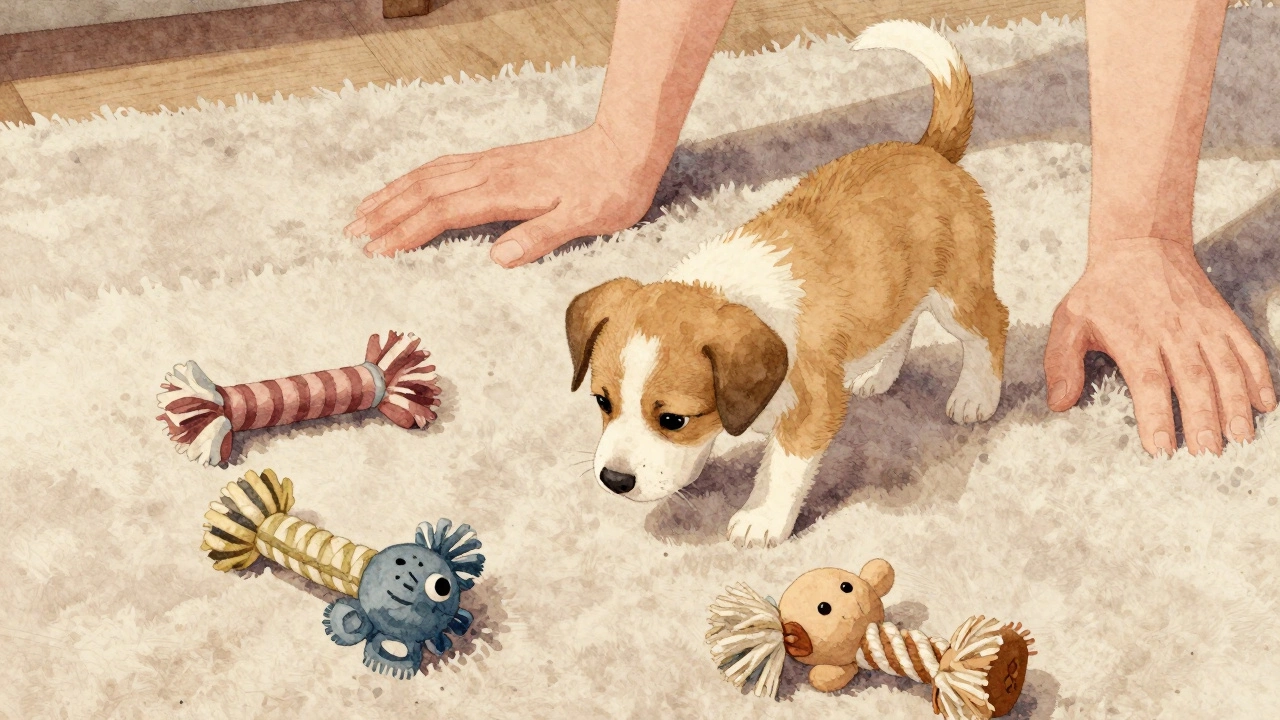
You asked about puppy toys-and yes, they’re part of the picture. But not as a replacement. Toys help puppies learn independence. A chew toy, a stuffed Kong, or a soft rope toy gives them something to focus on when you’re not holding them.
Good toys teach:
- Self-soothing
- Problem-solving
- Appropriate biting
But toys don’t replace human interaction. They complement it. The goal isn’t to stop holding your puppy-it’s to balance holding with letting them explore on their own.
What Veterinarians Recommend
Dr. Lena Marquez, a veterinary behaviorist in Wellington, says: "The best puppy owners are the ones who hold their puppies enough to build trust, but not so much that they become dependent. It’s about timing, not quantity."
Her rule of thumb:
- Under 8 weeks: Hold for 1-2 minutes, 3-4 times a day. Always support the body.
- 8-12 weeks: Increase to 3-5 minutes, 5-6 times a day. Let them walk away.
- 3-6 months: Hold only when necessary. Encourage them to come to you.
She also warns against the "baby hold"-holding the puppy on their back with legs up. That’s not bonding. It’s a stress test. Save that for vet exams, not cuddle time.
Signs Your Puppy Is Overwhelmed
Not all puppies react the same. Some love being held. Others shut down. Watch for these red flags:
- Stiff body or frozen posture
- Whining, yelping, or growling
- Trying to bite your hand (not play-biting)
- Urinating or defecating when held
- Avoiding eye contact or turning their head away
If you see any of these, stop holding them immediately. Give them space. Let them come back to you on their own terms.
Building Trust Without the Baby Hold
You don’t need to hold your puppy like a baby to bond with them. In fact, some of the strongest bonds form when you’re not even touching them.
Try these instead:
- Sit quietly on the floor and let them approach you
- Offer treats from your hand-no grabbing, no forcing
- Play gentle games like hide-and-seek with a toy
- Massage their shoulders or chest while they’re lying down
- Read aloud to them while they nap near you
These actions say: "I’m here. You’re safe. You’re in control." That’s what real bonding looks like.
Final Thought: It’s Not About How You Hold Them
It’s about how they feel when you hold them.
Some puppies love being cradled. Others prefer to rest their head on your lap while you sit. One puppy might wiggle happily in your arms. Another might freeze and stare into the distance. Both are normal. Both are okay.
The goal isn’t to hold your puppy like a baby. The goal is to hold them like a puppy-respecting their body, their limits, and their instincts. That’s how you raise a confident, calm, and well-adjusted dog.
Let them grow. Let them explore. And yes-hold them. But only when they’re ready to be held.
Is it okay to carry my puppy everywhere?
No. Carrying your puppy everywhere can delay motor development, make them dependent, and interfere with house training. Let them walk, explore, and learn on their own. Carry them only when necessary-like crossing a busy street or during vet visits.
Why does my puppy cry when I put them down?
If your puppy cries when you put them down, it’s likely because they’ve learned that crying gets them picked up again. This isn’t separation anxiety-it’s learned behavior. Start putting them down before they cry. Reward calm behavior with attention. Over time, they’ll learn being on the floor is safe and okay.
Can holding a puppy too much cause behavioral problems?
Yes. Puppies who are constantly held may develop anxiety, fear of new environments, or resource guarding. They don’t learn to cope with boredom, frustration, or independence. Balance holding with free time. Let them figure things out on their own.
What’s the safest way to pick up a puppy?
Slide one hand under their chest, just behind the front legs. Use your other hand to support their hindquarters. Lift slowly and keep them level. Never lift by the scruff, tail, or legs. Keep them close to your body so they feel secure.
Should I let my puppy sleep on my lap?
It’s fine occasionally, especially during the first few nights. But don’t make it a habit. Puppies need to learn to sleep in their own space. Start by placing their bed near you. Gradually move it farther away as they get used to being alone.