Dog Collar Safety & Comfort Checker
Answer the questions below to get a personalized recommendation on whether to keep your dog's collar on while inside the house.
Recommendation
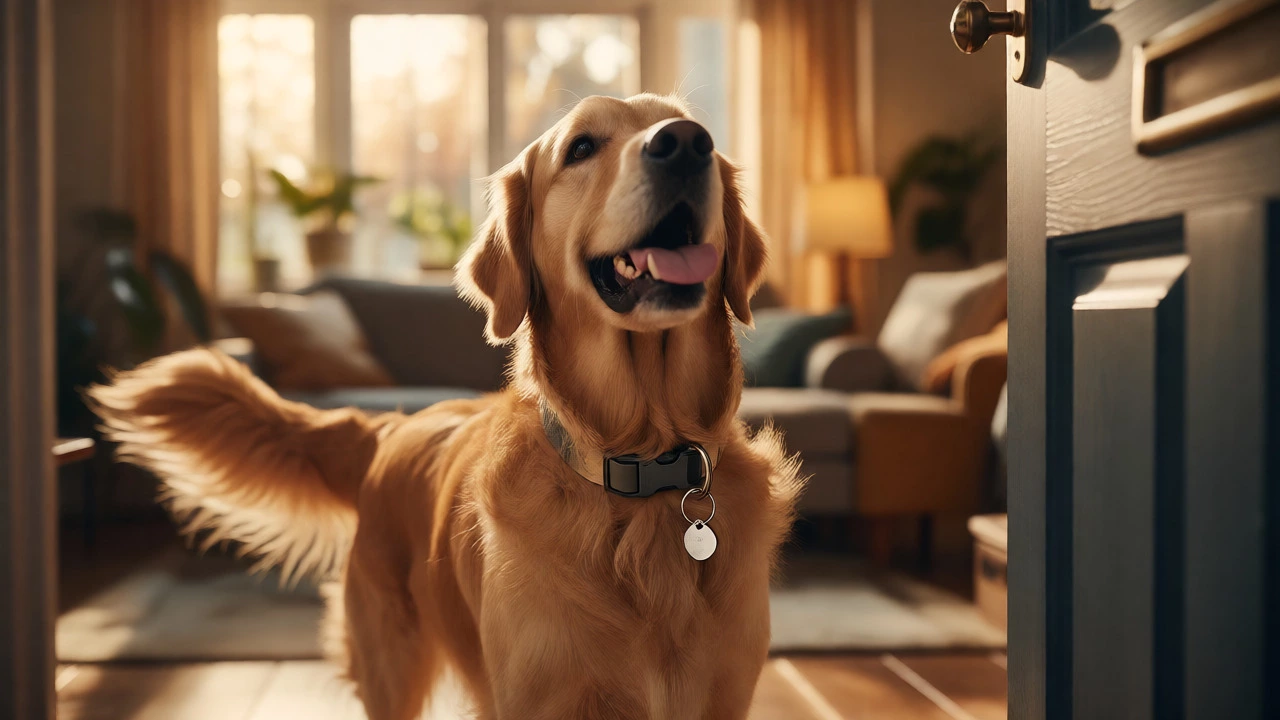
StatusYou come home from a long day, your dog greets you at the door, and you notice that little metal tag jingling against their neck. It’s a comforting sound-it means they’re safe, identified, and ready for a walk. But then you settle onto the couch, your pup curls up beside you, and you start to wonder: is that collar actually helping them relax, or is it slowly causing irritation? This isn’t just about aesthetics. The decision to keep a dog collar on indoors involves balancing safety, comfort, and skin health.
Most veterinarians agree that there is no one-size-fits-all answer. It depends entirely on your dog’s behavior, the type of collar they wear, and your specific living situation. Let’s break down exactly when you should unclip that buckle and when you absolutely shouldn’t touch it.
The Case for Keeping the Collar On
Safety is usually the first thing owners think about, and for good reason. If your house has doors that swing open easily-like French doors leading to a patio or a front door that doesn’t latch perfectly-a dog collar with an ID tag is your first line of defense. Imagine your cat knocks over a vase, startling your dog into bolting out the door. Without a collar, they are effectively invisible to anyone who finds them until they scan for a microchip. With a collar, a neighbor can call you immediately.
There’s also the matter of containment. If you have a fence or a gate that keeps your dog in certain rooms, removing the collar might mean losing the anchor point for a leash if you need to quickly move them from the kitchen to the backyard. In households with multiple pets or young children who might accidentally leave gates open, keeping the collar on provides a quick handle for control without needing to chase the dog around.
However, "safety" here comes with a major caveat: it only applies if the collar is flat and secure. If you use a prong collar or a tight martingale, leaving it on indoors is often more dangerous than helpful. These tools are designed for active correction during walks, not passive lounging.
Why Taking It Off Might Be Better for Your Dog
Let’s talk about skin. Dogs spend roughly 12 to 16 hours a day sleeping. That’s a lot of time for a strap to sit in one place, trapping moisture, dirt, and dander against their fur. Over time, this creates a perfect breeding ground for bacteria and yeast. You might not see it immediately, but if you’ve ever noticed a musty smell near your dog’s neck or small red patches under the fur, that’s likely contact dermatitis caused by wearing a collar too long.
Breeds with thick double coats, like Golden Retrievers or Huskies, are particularly prone to this. Their dense fur mats down under the pressure of the collar, creating hotspots that itch and hurt. Removing the collar at night allows the skin to breathe and the fur to return to its natural state. It’s similar to how humans feel better taking off a tight watch or bracelet after a long day.
Comfort plays a huge role in sleep quality, too. Just as you wouldn’t wear a heavy belt to bed, many dogs sleep deeper and move less restlessly when their neck is free. If your dog frequently scratches at their ears or neck while lying down, try removing the collar for a week. You’ll likely see a noticeable drop in scratching behavior.

The Hidden Danger: Snagging Hazards
This is the most critical risk factor, especially for cats and small dogs. While dogs are generally less prone to getting caught than cats, they aren’t immune. Think about the environment inside your home. Do you have low-hanging curtains? Exposed radiator pipes? Crates with narrow gaps between bars?
If your dog chews on furniture or likes to squeeze into tight spaces behind cabinets, a dangling tag or a loose collar loop can catch on something. When a dog panics because they’re stuck, they thrash. This can lead to broken teeth, neck injuries, or even strangulation if the loop tightens. For this reason, many vets recommend removing collars entirely for dogs that are crate-trained or left alone for extended periods. If your dog is unsupervised, the risk of snagging outweighs the benefit of having an ID tag readily available, assuming they are microchipped.
Choosing the Right Collar for Indoor Wear
If you decide that keeping the collar on is the right choice for your household, not all collars are created equal. You need to match the material and style to your dog’s activity level indoors.
| Collar Type | Indoor Safety Rating | Comfort Level | Best For |
|---|---|---|---|
| Flat Buckle (Nylon) | Medium | High | Dogs who don't chew furniture; easy cleaning |
| Breakaway Collar | High | High | Active chewers; multi-pet homes; crates |
| Leather Collar | Low-Medium | Medium | Short-haired breeds; aesthetic preference |
| Martingale | Low | Low | Walking only; remove indoors |
| Harness | High | High | Brachycephalic breeds (Pugs, Bulldogs) |
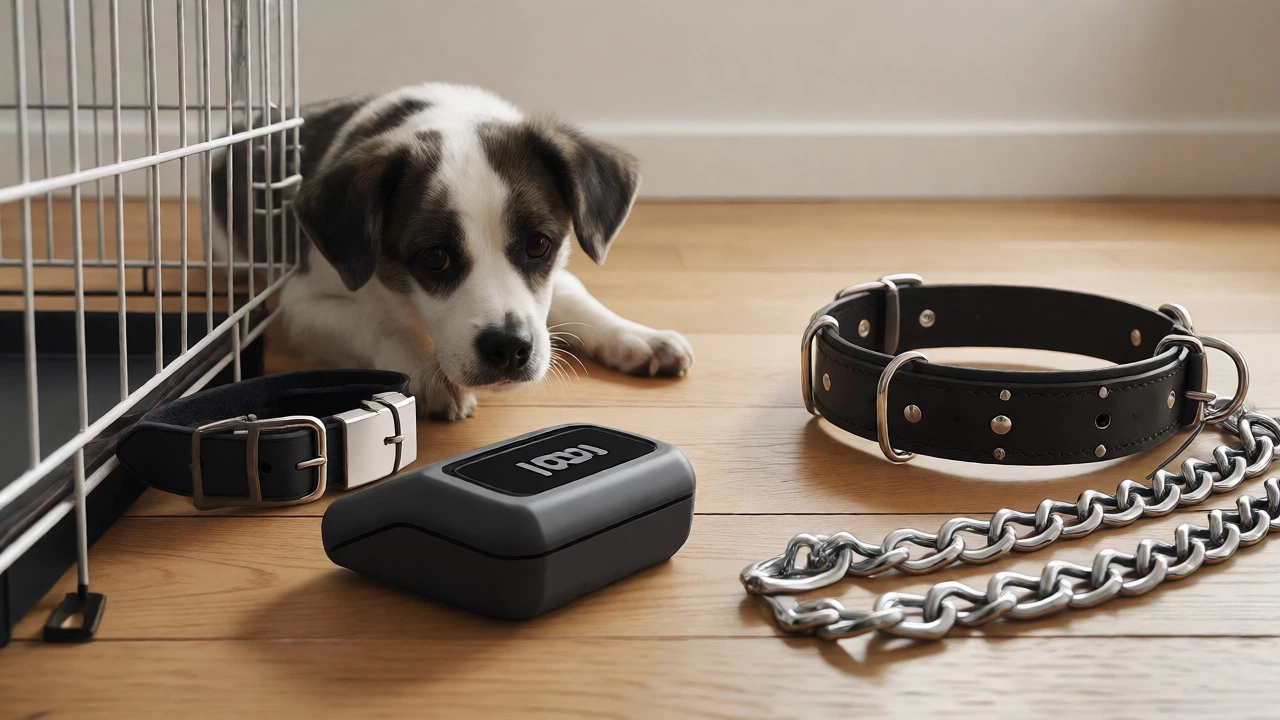
A breakaway collar is specifically designed to snap open if pulled hard enough. While originally marketed for cats, they are excellent for dogs who play rough or get into tight spots. They provide identification without the risk of entrapment. Conversely, avoid leaving prong collars or choke chains on indoors. These are training tools, not everyday accessories, and they can cause significant injury if the dog lies on them awkwardly or gets tangled.
Hygiene and Maintenance Tips
If you choose to keep the collar on, you must maintain it. A dirty collar is worse than no collar. Wash nylon collars monthly in warm soapy water. Leather needs conditioning to prevent cracking and harboring bacteria. Check the fit regularly, especially for puppies who grow rapidly. You should be able to slide two fingers comfortably under the collar. If it’s tighter than that, it’s cutting off circulation and trapping heat.
Also, check the ID tags. Are they legible? Is the phone number current? An unreadable tag defeats the purpose of wearing a collar indoors. Consider engraving the tag with your mobile number rather than a landline, as you’re more likely to pick up your phone quickly.
When You Must Remove the Collar
There are specific scenarios where removing the collar is non-negotiable:
- Crate Training: Never leave a collar on a dog in a crate. The bars can catch the collar or tags, leading to panic or injury.
- Skin Issues: If your dog has any rashes, hot spots, or allergies, give their neck a break to let medication work and air circulate.
- Unsupervised Time: If you are going out and leaving your dog alone for several hours, take the collar off unless it is a certified breakaway style.
- Nighttime: Many owners find that removing the collar before bed reduces morning scratching and improves sleep quality for both dog and owner.
Ultimately, listen to your dog. Watch their body language. If they seem relieved when you unbuckle the collar, respect that signal. If they look anxious without it, perhaps the routine change is unsettling them. There is no shame in switching strategies based on what works best for your individual pet’s health and safety.
Is it safe to leave my dog's collar on at night?
Generally, yes, provided the collar fits properly and is not a choke chain or prong collar. However, removing it can improve skin health and sleep quality. If your dog sleeps in a crate, always remove the collar to prevent snagging.
What happens if my dog loses their collar inside the house?
If your dog is microchipped, they are still identifiable by vets and shelters. However, a collar with an ID tag offers faster reunification since neighbors can call you directly without needing to visit a vet clinic for a scanner.
Do breakaway collars work for dogs?
Yes, breakaway collars are effective for indoor safety. They release under pressure, preventing strangulation if the dog gets caught on furniture or crates. They are ideal for active dogs or those left unsupervised.
How often should I wash my dog's collar?
Wash nylon collars every 4-6 weeks or whenever they smell. Leather collars should be wiped down weekly and conditioned monthly. Dirty collars trap bacteria and can cause skin infections.
Can a tight collar damage my dog's thyroid?
While direct damage is debated, chronic pressure on the neck from a tight collar can irritate the thyroid gland area. Ensuring a proper fit (two-finger rule) prevents unnecessary pressure on sensitive structures in the neck.