
Dog Crate Bedding Safety Checker
Assess the risk of adding a blanket to your dog's crate. Answer the questions below to get a personalized recommendation.
You just brought your new puppy home. The excitement is high, the cuteness overload is real, and you want their crate to feel like a cozy little den. So, you toss in a soft, fluffy blanket. It looks adorable in photos. But then you hear that frantic scratching sound at 2 AM, or worse, you find shredded fabric scattered across the floor. This brings up the big question every new dog owner faces: should I put a blanket in my dog's crate? The answer isn't a simple yes or no. It depends entirely on your dog’s age, temperament, and how they interact with objects when left alone.
For most adult dogs who are fully crate-trained, a blanket is a wonderful addition that provides warmth and security. However, for puppies or anxious dogs, it can be a serious choking hazard. Let’s break down exactly when it’s safe, when it’s risky, and how to choose the right bedding so your pup actually sleeps through the night instead of chewing on cotton threads.
The Den Instinct vs. The Chewer’s Trap
Dogs are den animals by nature. In the wild, wolves and wild dogs seek out enclosed spaces-caves, dens, thickets-to sleep and raise their young. These spaces offer protection from predators and harsh weather. A crate mimics this instinct. When done correctly, it becomes a sanctuary, not a prison. Adding a blanket can enhance this sense of enclosure, making the space feel darker, warmer, and more secure.
But here is the catch: many dogs, especially puppies between 8 weeks and 6 months old, explore the world with their mouths. If your dog hasn’t learned that the crate is a place for sleeping rather than playing, a loose blanket becomes a toy. And if it’s a toy, it’s fair game for destruction. Chewing on fabric isn’t just annoying; it’s dangerous. Swallowing large pieces of cloth can lead to intestinal blockages, which often require emergency surgery costing upwards of $2,000. So, before you fluff that fleece, assess your dog’s behavior.
When a Blanket Is Safe (And Recommended)
If your dog meets these criteria, go ahead and add that blanket:
- They are fully crate trained: They enter the crate willingly, settle down quickly, and don’t panic when the door closes.
- They are past the teething phase: Adult teeth have come in, and the urge to chew non-food items has significantly decreased.
- They don’t exhibit destructive anxiety: You’ve tested them with other soft items outside the crate, and they didn’t shred them within minutes.
- The crate is used for short periods or overnight: During long daytime absences, boredom might trigger chewing, even in well-behaved dogs.
In these scenarios, a blanket serves two main purposes: thermal regulation and psychological comfort. Short-haired breeds like Greyhounds or Boxers often get cold at night, especially in air-conditioned homes. A blanket helps them conserve body heat without needing to curl into a tight ball. For anxious dogs, the weight of a heavy blanket can have a calming effect, similar to a weighted blanket for humans, though always introduce this gradually.
When You Should Skip the Blanket
There are specific situations where leaving a blanket in the crate is a bad idea. Ignoring these red flags can turn a cute setup into a veterinary bill.
| Dog Profile | Risk Level | Recommended Bedding |
|---|---|---|
| Puppies under 6 months | High | Washable mat or towel only |
| Dogs with separation anxiety | High | Chew-proof crate pad |
| Adults with known chewing habits | Medium | Tough nylon cover or none |
| Calm adults, crate trained | Low | Fleece blanket or orthopedic bed |
| Senior dogs with joint pain | Low | Memory foam + light sheet |
First, consider the age. Puppies are notorious for testing boundaries. If you leave a loose blanket with a 12-week-old Labradoodle, there’s a 90% chance you’ll find it shredded by morning. Second, look at anxiety levels. Dogs suffering from severe separation anxiety often try to escape the crate by chewing through bars, floors, and anything in between. A blanket gives them something extra to gnaw on while they’re stressed. Finally, think about hygiene. If your puppy isn’t fully house-trained, accidents happen. Cleaning urine out of a thick, absorbent blanket is much harder than wiping down a waterproof crate tray.
Choosing the Right Material Matters
Not all blankets are created equal. The material dictates durability, washability, and safety. Here’s what works best for different needs.
Fleece is a synthetic wool-like fabric made from polyester that is lightweight, warm, and quick-drying. It’s an excellent starter option because it doesn’t unravel as easily as knitted wool. If a puppy does pull a thread, it usually stays contained rather than turning into a long string that could wrap around their tongue or intestines. Plus, fleece is cheap. If your dog destroys three of them in a month, you won’t cry over the cost.
Microfiber is a type of ultra-fine synthetic fiber that is highly absorbent and resistant to stains. This is ideal for puppies still having accidents. You can toss it in the washing machine after a pee accident, and it dries in hours. Unlike cotton terry towels, microfiber doesn’t hold onto odors as strongly, keeping the crate smelling fresh longer.
Avoid these materials in crates:
- Knitted wool or crochet: These have loops that snag on claws and teeth. Once one loop pulls, the whole blanket unravels rapidly.
- Beaded or sequined fabrics: Small decorative elements can be chewed off and swallowed.
- Feather pillows: Feathers are messy and hard to clean if vomit occurs.
How to Introduce a Blanket Safely
Don’t just drop the blanket in and walk away. Use a gradual introduction method to test your dog’s reaction.
- Supervised Testing: Place the blanket in the crate while you are home and watching. Give your dog a treat for entering. Watch closely for 15-30 minutes. Are they lying on it? Or are they biting it?
- The Sniff Test: Before letting them in, let them sniff the new item. If they immediately try to carry it out or chew it, remove it.
- Short Absences: Try leaving them in the crate with the blanket for just 10 minutes. Check for damage when you return.
- Gradual Increase: If they pass the first few tests, increase the time. Only leave them overnight once you’re confident they won’t destroy it during deep sleep.
Pro tip: Tuck the edges of the blanket under the crate’s plastic tray or against the walls. Loose corners hanging out invite curious paws and mouths to grab hold. If the blanket is tucked tight, there’s less surface area to attack.
Alternatives to Traditional Blankets
If you love the idea of comfort but fear the destruction, consider these alternatives that offer similar benefits without the risk.
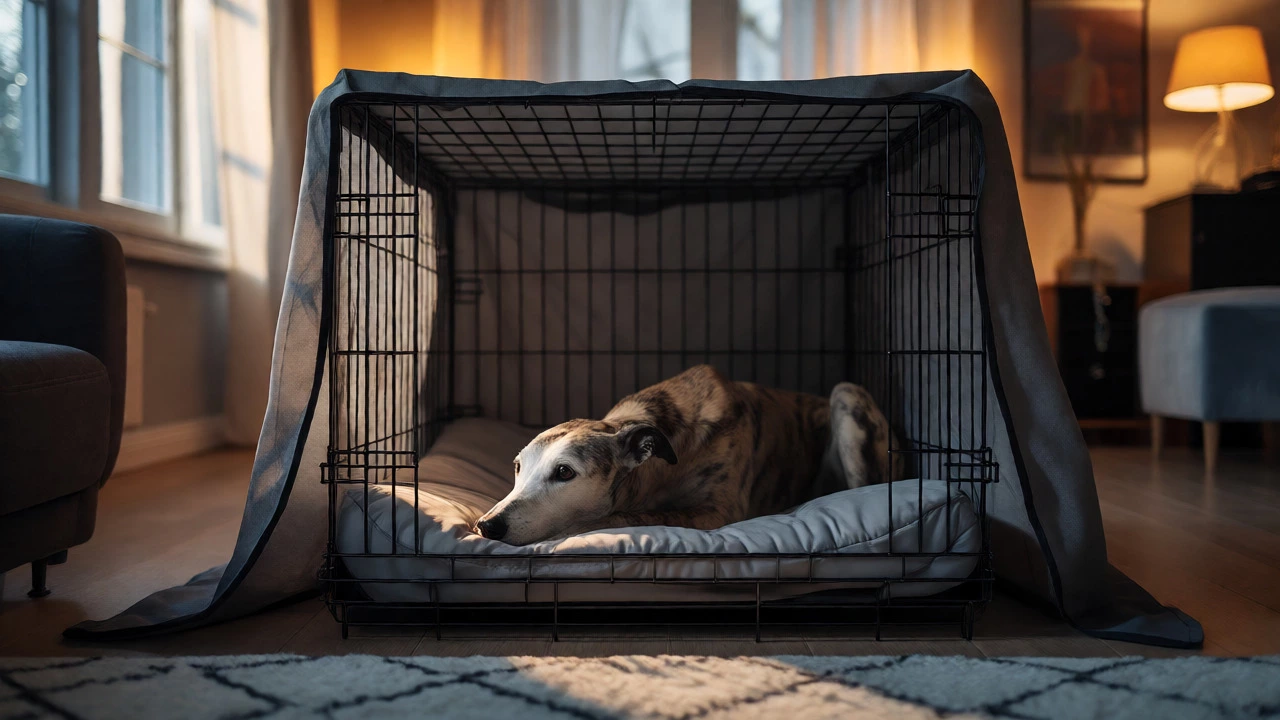
Crate Covers are fabric panels designed to fit over the top and sides of a wire crate, providing privacy and darkness. Instead of putting a blanket inside where it can be chewed, use a cover on the outside. This blocks visual stimuli that might keep your dog awake and creates a den-like atmosphere. Most covers attach with Velcro or clips, making them inaccessible to the dog inside.
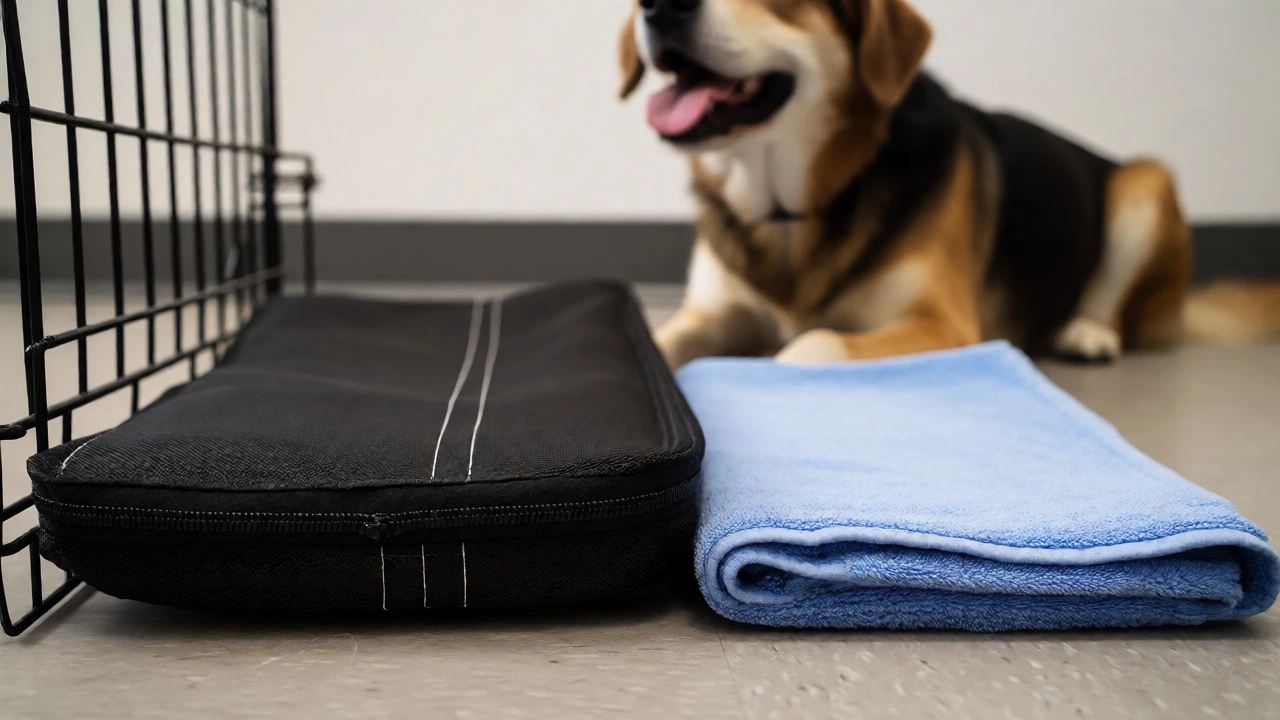
Chew-Proof Crate Pads are bedding products made from ballistic nylon or heavy-duty canvas that resist tearing and punctures. Brands like K9 Ballistics or MidWest Homes for Pets make pads that zip closed. Even if your dog tries to chew, they can’t get to the foam filling. These are more expensive upfront ($40-$80) but last years compared to disposable fleece.
Another clever hack is using a wearable blanket, like a Thundershirt or a snug sweater. If your dog gets cold or anxious, dressing them in a comfortable shirt keeps them warm without introducing loose fabric into their environment. Just ensure the clothing fits properly and doesn’t restrict movement.
Temperature and Climate Considerations
Your home’s climate plays a huge role in whether a blanket is necessary. In colder months, especially in northern regions, indoor heating can dry out the air and lower temperatures at night. A blanket helps maintain body heat. However, in summer, a thick blanket can cause overheating. Panting in a crate is a sign your dog is too hot. Remove all bedding or switch to a cooling mat made of gel-infused fabric during hot spells.
Remember that dogs regulate temperature differently than humans. A human might need a duvet at 65°F (18°C), but a double-coated Husky might prefer a bare plastic tray. Always monitor your dog’s comfort level. If they spend half the night standing up or shifting positions, they might be too hot or uncomfortable with the current bedding.
Can a dog suffocate on a blanket in a crate?
Suffocation is rare if the crate has proper ventilation, which wire crates do. However, ingestion of fabric is a major risk. If a dog swallows a large amount of blanket material, it can cause an intestinal obstruction, which is life-threatening. Suffocation is more likely if the blanket is bunched up and covers the nose/mouth completely in a poorly ventilated carrier, but standard wire crates allow airflow regardless of bedding.
Should I put a blanket in a puppy's crate?
Generally, no, unless the puppy is older (over 6 months) and proven not to chew. Young puppies explore with their mouths and have small throats. A safer option for young pups is a thin, washable towel or a specifically designed chew-proof crate pad. Once they stop chewing non-food items, you can introduce a softer blanket.
What kind of blanket is safest for dogs?
Fleece is widely considered the safest common household blanket because it doesn't unravel into long strings. Microfiber is also good due to its tight weave. Avoid knitted wool, lace, or blankets with buttons, zippers, or loose tassels, as these pose entanglement and choking hazards.
How do I know if my dog likes the blanket?
Watch their body language. If they lie down on it, sigh deeply, and relax their muscles, they like it. If they stand up repeatedly, whine, or actively chew at it, they either dislike the texture, are too hot, or see it as a toy. Remove it and try again later or switch to a different material.
Is it okay to leave a dog in a crate with no bedding?
Yes, absolutely. Many dogs prefer the cool, solid surface of the crate floor, especially in warm weather. As long as the crate is clean and the dog is healthy, bare flooring is perfectly fine and eliminates any risk of chewing or ingestion.
Final Thoughts on Crate Comfort
Adding a blanket to your dog’s crate is a personal choice that should be based on observation, not assumption. Start with caution. Prioritize safety over aesthetics. If your dog is a gentle sleeper, enjoy the coziness. If they’re a furry tornado, stick to durable, chew-resistant options until they mature. Your goal is a happy, rested dog, and sometimes that means a bare crate is the best bed of all.