Dog Nighttime Sleeping Arrangement Advisor
Recommendation
Recommended Setup:
⚠️ Important Considerations:
Fill out the form to get a personalized recommendation for your dog's nighttime sleeping arrangement.
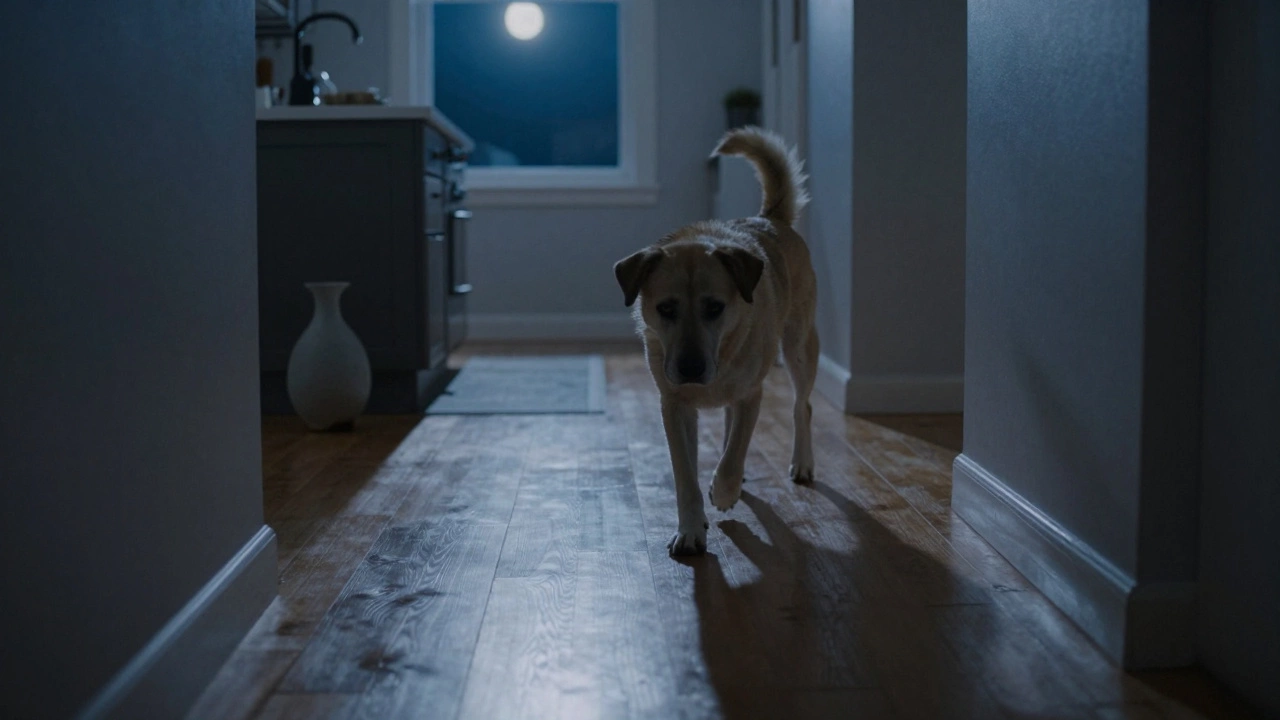
It’s 2 AM. The house is silent, except for the soft thud of paws on hardwood floors. Your dog is wandering the hallway, sniffing corners, and occasionally checking in on you from the doorway. It feels peaceful-until you realize your dog has just knocked over a vase or is staring intently at the kitchen counter. You might be wondering: should I let my dog roam the house at night?
The answer isn’t a simple yes or no. It depends entirely on your dog’s age, temperament, and training level. While some adult dogs are perfectly content to patrol the living room, others need structure to feel secure. Getting this wrong can lead to accidents, anxiety, or damaged furniture. Getting it right means better sleep for both of you.
Is it safe to let my dog roam freely at night?
For most well-trained adult dogs, yes, it is safe. However, puppies, senior dogs with health issues, or dogs prone to destructive behavior may not be ready. Safety depends on whether your home is 'dog-proofed'-meaning no toxic plants, exposed wires, or small objects they could swallow are accessible.
Understanding the Risks of Free Roaming
Before you decide to unlock the bedroom door, consider what happens when supervision drops. Dogs are curious creatures. When left alone in a dark house, their instincts take over. Some dogs will settle down immediately. Others will treat the empty house as a playground.
The biggest risk is ingestion. In New Zealand, where we have unique native flora, many common household plants like Lilies or Oleander are toxic to dogs. If your dog roams near these plants, even a casual nibble can be dangerous. Beyond plants, loose electrical cords, cleaning supplies under sinks, and small children’s toys become hazards when no one is watching.
Another major concern is separation anxiety. For some dogs, freedom doesn’t mean relaxation; it means panic. They may bark excessively, scratch doors, or chew walls because they feel isolated. This behavior damages property and disrupts neighbors’ sleep. If your dog has a history of anxious behaviors, free roaming often makes the problem worse, not better.
When Free Roaming Works Best
There are scenarios where letting your dog roam is the best choice. Adult dogs who are fully house-trained, mentally stable, and comfortable being alone often thrive with more space. These dogs usually have a designated bed but prefer to stretch out on the rug or follow you from room to room.
If you choose this route, your home must be prepared. This is called 'dog-proofing.' It involves:
- Removing all toxic plants and placing them in unreachable areas.
- Covering electrical outlets with child-safe covers.
- Keeping trash cans latched so food scraps aren’t accessible.
- Ensuring windows are secure and screens are intact.
- Clearing floor-level clutter that could be swallowed.
Dogs that roam freely also benefit from having a 'safe zone.' Even if they can go anywhere, they should have a specific spot they return to. This could be a Orthopedic Dog Bed in the living room or a cozy corner with their favorite blanket. This gives them a sense of ownership and security within the larger space.
The Case for Contained Sleeping Areas
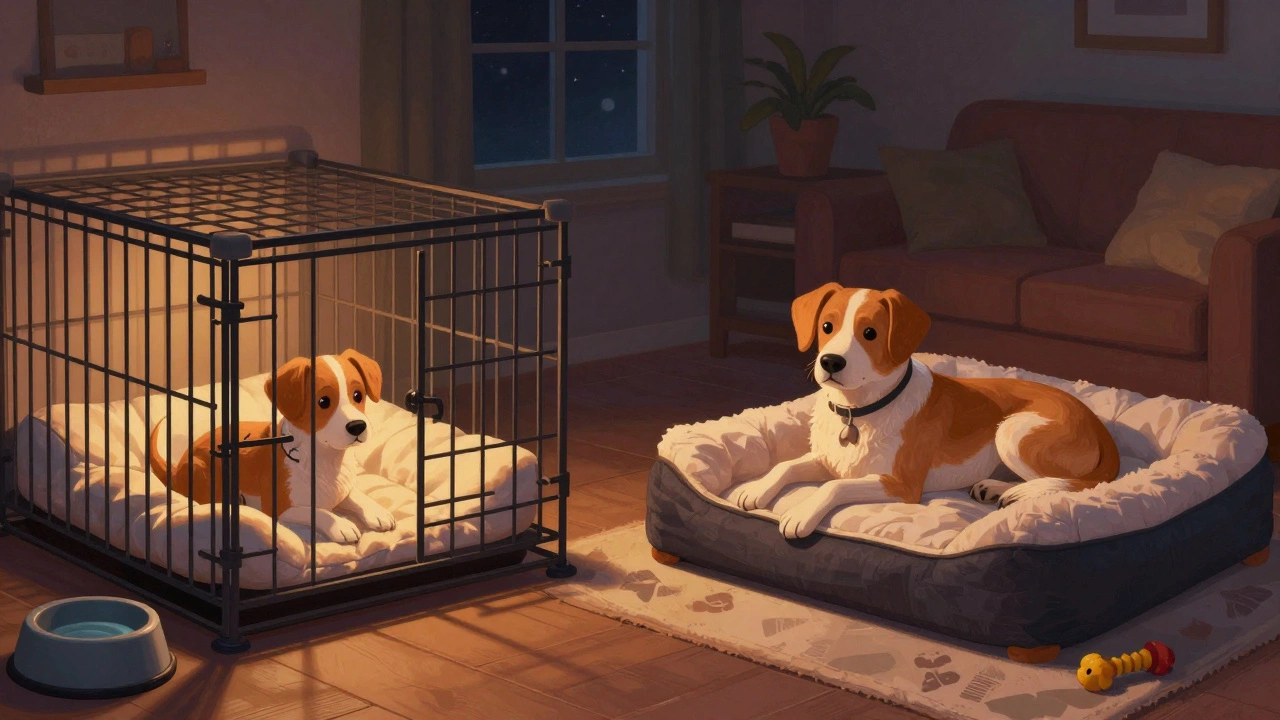
On the flip side, containment offers significant benefits. Crates, pens, or closed rooms provide a den-like environment that many dogs find comforting. In the wild, dogs seek enclosed spaces to sleep safely from predators. A crate mimics this instinct.
Crate Training is particularly effective for puppies. Puppies have tiny bladders and cannot hold their urine for long periods. If allowed to roam, they may relieve themselves on the carpet, creating bad habits that are hard to break. Confinement helps establish a routine for bathroom breaks.
Containment also protects your dog. If you accidentally leave a medication bottle open or drop a piece of chocolate, a contained dog won’t access it. For owners who work late or have unpredictable schedules, a crate ensures the dog stays safe regardless of the hour.
Age Matters: Puppies vs. Adults vs. Seniors
Your dog’s life stage dictates their needs. A three-month-old puppy has different requirements than a seven-year-old Labrador or a twelve-year-old Chihuahua.
| Age Group | Recommended Setup | Key Reason |
|---|---|---|
| Puppy (0-6 months) | Crate or Pen | Housebreaking support and safety |
| Adult (1-7 years) | Free Roam or Crate | Depends on training and temperament |
| Senior (7+ years) | Easy Access Bed | Joint comfort and reduced mobility |
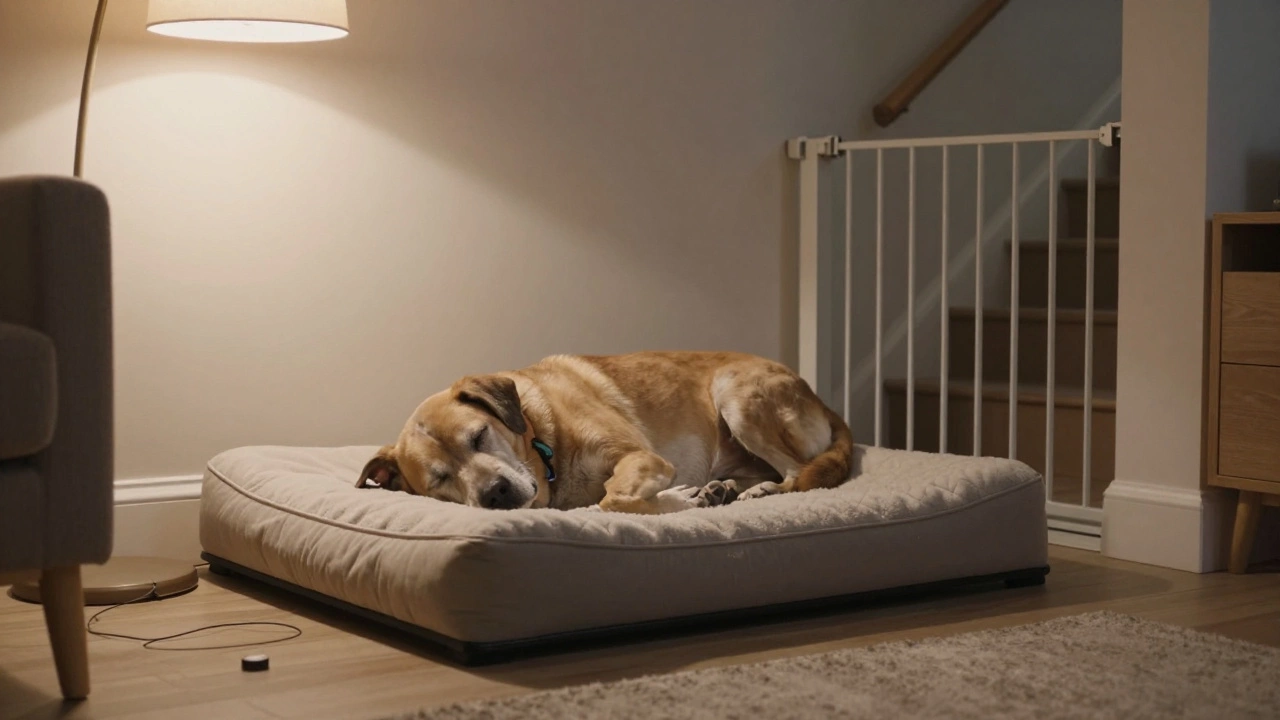
Senior dogs often suffer from arthritis or cognitive decline. They may get confused or stuck in tight spaces. For them, a low-entry bed in a quiet room is ideal. Avoid high-sided crates that require climbing. Instead, use baby gates to limit access to stairs while allowing movement in a safe area.
Creating a Calm Nighttime Environment
Whether your dog roams or stays contained, the atmosphere matters. Dogs are sensitive to noise and light. Sudden changes can trigger alertness or fear.
To promote restful sleep, try these adjustments:
- Use white noise machines to mask outside sounds like traffic or other animals.
- Keep lighting dim. Bright lights signal activity time.
- Provide a calming aid, such as a Thundershirt or pheromone diffuser, if your dog is anxious.
- Establish a pre-sleep routine. A short walk followed by a quiet chew toy signals that bedtime is approaching.
A consistent routine reduces stress. Dogs thrive on predictability. If they know that dinner leads to a potty break, which leads to bed, they relax faster. This applies whether they are in a crate or on a sofa.
Signs Your Dog Needs More Structure
How do you know if free roaming is causing problems? Watch for these red flags:
- Frequent nighttime barking or whining.
- Accidents inside the house.
- Destructive chewing on furniture or shoes.
- Restlessness or inability to settle down.
- Following you into every room constantly.
If you notice these behaviors, your dog likely needs more boundaries. They may be seeking attention or feeling insecure. Implementing a crate or closing a bedroom door can provide the structure they crave. Start slowly. Make the confined space positive with treats and praise. Never use confinement as punishment.
Transitioning from Crate to Free Roam
If you started with a crate and want to transition to free roaming, do it gradually. Don’t just open the door one day and expect perfection. First, leave the crate door open during the day. Let your dog come and go as they please. Then, try leaving the door open at night for short periods. Monitor their behavior with a pet camera.
If they settle down quickly, extend the time. If they wander off and cause trouble, close the door again and wait another week. Patience is key. Some dogs never fully adapt to free roaming, and that’s okay. Their safety and your peace of mind are more important than aesthetic preferences.
The Role of Comfort and Furniture
Your dog’s sleeping surface impacts their willingness to stay put. A cheap, thin mat might encourage them to seek softer spots elsewhere, like your bed or the couch. Invest in a quality bed that supports their joints.
For dogs who roam, place multiple beds around the house. This gives them options without encouraging them to climb onto human furniture. Choose beds with non-slip bottoms to prevent sliding on smooth floors. Materials like memory foam or orthopedic foam are excellent for older dogs or large breeds.
Consider the location. Beds placed near family activity areas help shy dogs feel included. Beds in quiet corners suit independent dogs. Observe where your dog naturally gravitates and place the bed there.
Final Thoughts on Nighttime Freedom
Deciding whether to let your dog roam at night is personal. There is no universal rule. Look at your dog’s personality. Are they independent and calm? Or are they needy and destructive? Look at your home. Is it safe and secure? Or full of hazards?
If you choose free roaming, commit to dog-proofing. If you choose containment, make it a positive experience. The goal is mutual respect and rest. A well-rested dog is a happy dog. And a happy dog makes for a much better companion during the day.
Should I let my puppy roam the house at night?
No, it is generally not recommended. Puppies need structure for housebreaking and safety. Use a crate or pen until they are fully trained and mature enough to handle freedom responsibly.
My dog barks when left alone at night. What should I do?
This indicates anxiety or boredom. Try using a crate with a cover to create a den-like feel. Add calming aids like white noise or pheromone diffusers. Ensure they have exercised sufficiently before bedtime.
Can I let my dog sleep in my bed instead of roaming?
Yes, if both you and your dog are comfortable. Co-sleeping can strengthen bonds but may disrupt sleep quality. Ensure your dog is clean and healthy to avoid transferring parasites or allergens.
How do I dog-proof my home for nighttime roaming?
Remove toxic plants, cover electrical outlets, secure trash cans, and clear floor clutter. Check for small objects that could be swallowed. Use baby gates to block off unsafe areas like staircases.
Is crate training cruel?
No, when done correctly. Crates mimic natural dens and provide security. They should be used for short periods and associated with positive experiences like treats and meals, not punishment.