Is It Safe? Puppy Chew Checker
Not sure if that object on the floor is safe? Type an item below to see what our expert database says about 8-week-old puppies.
⚠ Risks:
✓ Recommendation:
Eight weeks is a magical but chaotic age. Your new owners rarely prepare for. You finally bring your fluffy bundle home, and within an hour, you’re watching them gnaw on your favorite sneakers with the intensity of a woodchipper. It’s not just cute; it’s a biological imperative. At eight weeks old, puppies are in the thick of their first major developmental shift. Their baby teeth are sharp as needles, their gums are inflamed from the eruption process, and their world is entirely defined by what they can fit in their mouths.
If you’ve ever wondered what can 8 week old puppies chew on, you aren’t alone. The stakes are high. A puppy this young has a tiny esophagus and an immature digestive system. One wrong choice-a toy that breaks into shards or a bone that splinters-can turn a playful afternoon into an emergency vet visit. But if you get it right, you protect your furniture, soothe their pain, and build healthy habits that last a lifetime.
The Biology Behind the Bite: Why They Can't Stop
Before we talk about products, you need to understand the engine driving the behavior. An 8-week-old puppy isn’t chewing out of malice or boredom (though those come later). They are chewing because their bodies are changing rapidly.
At this stage, the teething process is just beginning. While adult teeth won’t arrive until they are four to six months old, the deciduous (baby) teeth are fully erupted and causing significant discomfort. Think of the feeling of a wisdom tooth coming in, multiplied by twenty and applied to a creature that weighs less than five pounds. The pressure of chewing relieves the inflammation in their gums.
Furthermore, puppies explore the world through oral fixation. Humans use our hands to inspect objects; dogs use their mouths. When a puppy bites a rug, they are gathering data: Is it soft? Does it move? Does it taste like dirt? This sensory input is critical for brain development. Denying them the ability to chew is like putting blindfolds on a toddler.
The Golden Rule: Size and Softness Matter Most
When selecting items for an 8-week-old pup, two attributes override everything else: size and softness.
Size: If a toy fits entirely inside the puppy’s mouth, it is a choking hazard. Period. At eight weeks, most breeds have mouths small enough to swallow a tennis ball whole. You want items that are large enough that they cannot be engulfed but small enough that the puppy doesn’t feel overwhelmed trying to grip them.
Softness: Baby teeth are fragile. Hard rubber, nylon bones, and antlers are designed for adult jaws. For a puppy, these materials are too abrasive. They can crack baby teeth or cause gum trauma. You need materials that yield slightly under pressure, mimicking the texture of skin or flesh without the risk of injury.
Top Safe Options for Teething Relief
Not all chew toys are created equal. Here is a breakdown of the safest categories specifically for this delicate age group.
| Item Type | Why It Works | Risk Level | Pro Tip |
|---|---|---|---|
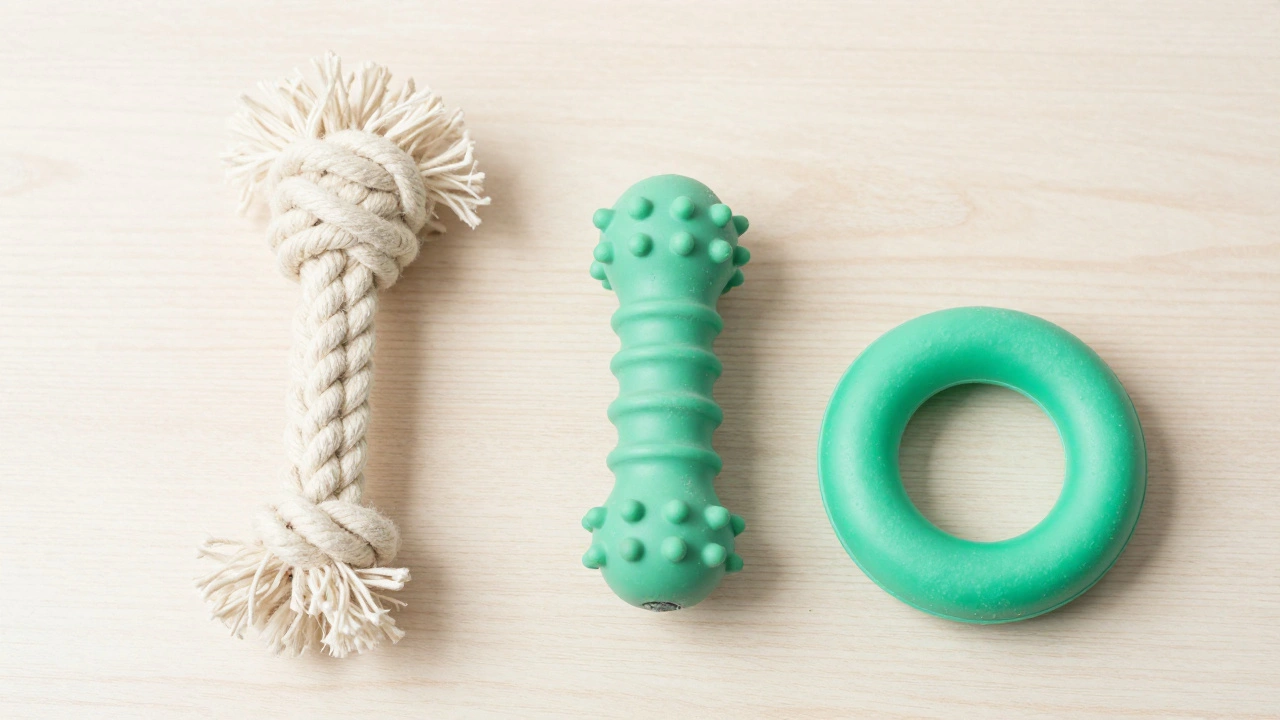
| Knotted Cotton Ropes | Massages gums; easy to grip; washable. | Low (if supervised) | Check for fraying threads daily. Discard if loose strands appear. |
| Frozen Washcloths | Cold numbs sore gums; fabric is gentle on teeth. | Very Low | Wet a clean cotton cloth, twist it, and freeze. Supervise closely. |
| Soft Rubber Teethers | Flexible material bends rather than breaks; textured surfaces help clean. | Low | Look for brands labeled "gentle" or "puppy-specific." Avoid hard Kong classics. |
| Natural Rubber Rings | Durable but soft; often hollow for treat stuffing. | Low | Ensure the ring is larger than the puppy's head width. |
| Buckskin Chews | Edible; dissolves slowly; satisfies urge to shred. | Medium | Supervise strictly. Remove when pieces become small enough to choke on. |
1. Frozen Items: The Natural Anesthetic
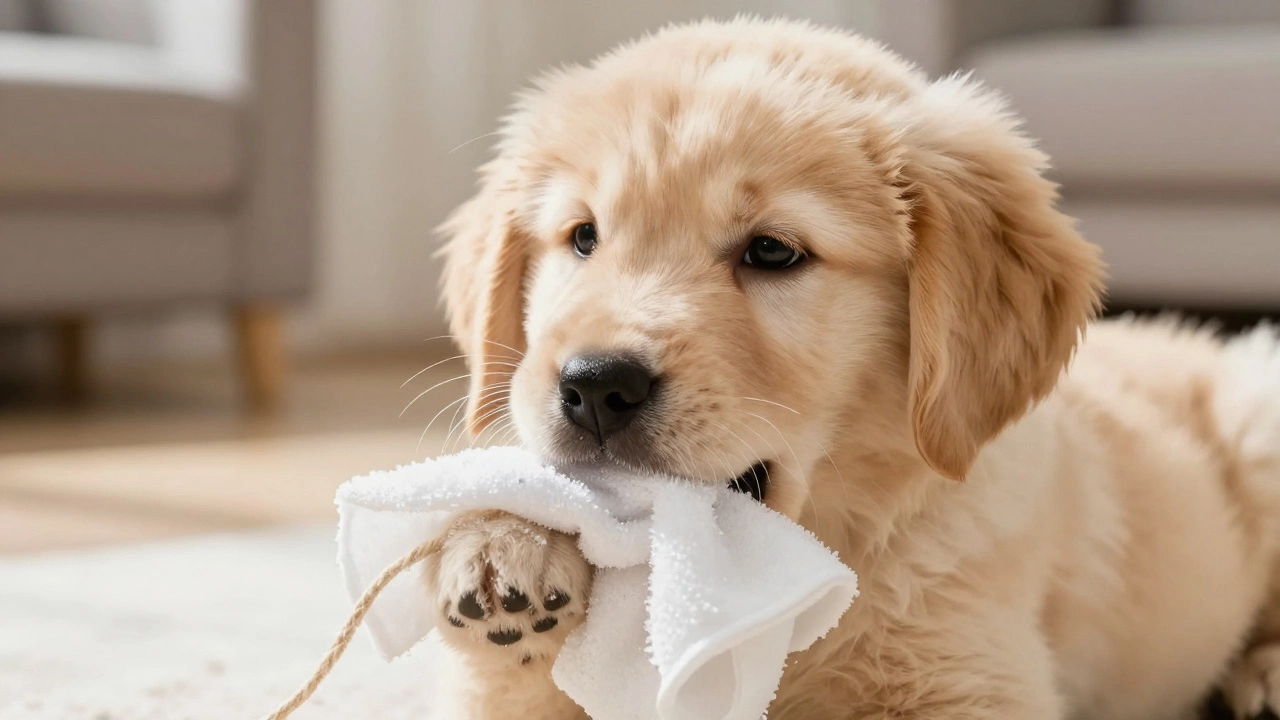
One of the most effective tools in your arsenal is the freezer. Cold temperatures constrict blood vessels in the gums, reducing swelling and pain instantly. You don’t need expensive gadgets. Take a clean, white cotton washcloth (no dyes), soak it in water, wring it out, twist it into a rope, and freeze it. To an 8-week-old puppy, this feels like heaven. It’s cold, it’s textured, and it’s safe. Just watch them closely to ensure they aren’t tearing off large chunks of fabric.
2. Knotted Cotton Rope Toys
Rope toys are classic for a reason. The knots provide excellent leverage for pulling, which massages the gums deeply. Look for toys made from natural cotton rather than synthetic fibers, which can shed microplastics. Ensure the rope is tightly knotted. If you see loose threads unraveling, cut the toy immediately. Ingesting long strings can lead to linear foreign body obstruction, a life-threatening surgical emergency.
3. Puppy-Specific Rubber Teethers
Brands like West Paw or Nylabone produce lines specifically for puppies. These are made from softer, flexible rubber compounds. Unlike the hard black Kongs meant for power chewers, these bend when squeezed. They often feature nubs or ridges that act like toothbrushes, helping to clean the emerging teeth. Always choose a size that matches the puppy’s breed projection. A Golden Retriever puppy needs a larger teether than a Chihuahua puppy, even at eight weeks.
What to Strictly Avoid
Knowing what not to give is just as important as knowing what to give. The following items pose severe risks to 8-week-old puppies:
- Rawhide: Rawhide is dense and difficult to digest. For a young puppy with a sensitive stomach, it can cause blockages or severe diarrhea. It also poses a choking hazard if swallowed in large sheets.
- Antlers and Hooves: These are harder than dog teeth. They can fracture baby teeth, leading to infections that require root canals or extractions. Save these for adult dogs with strong jaws.
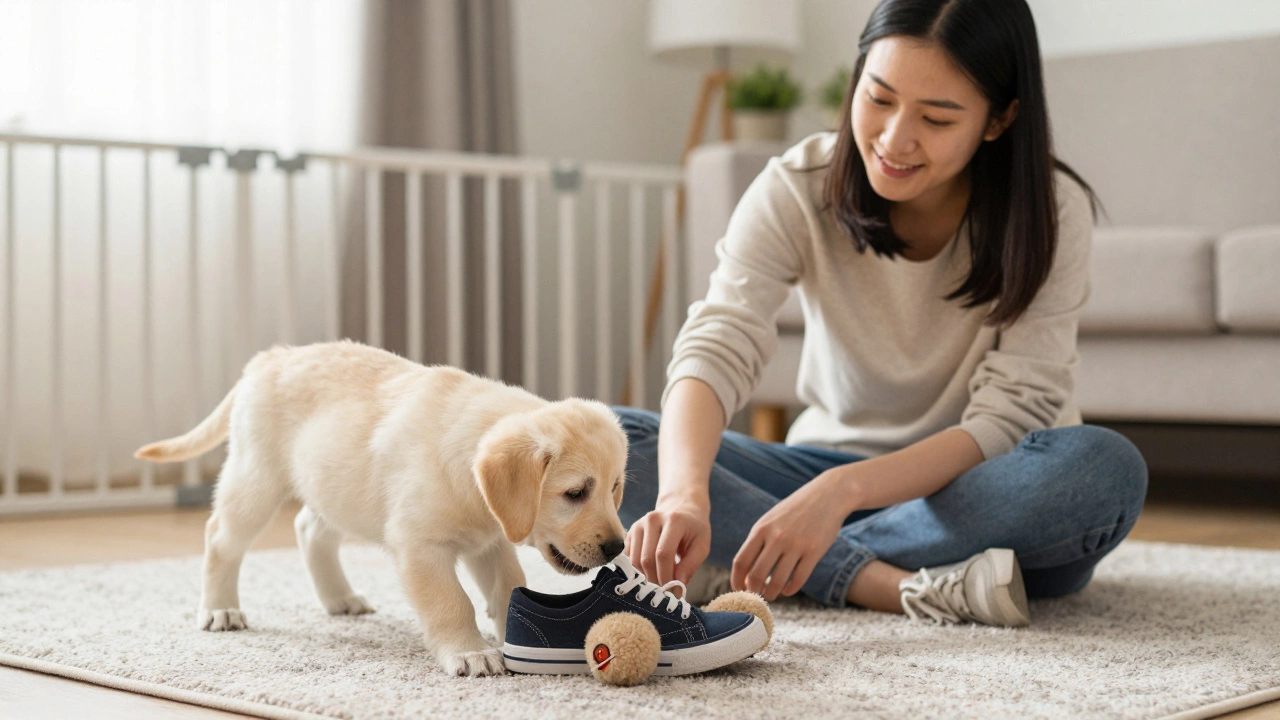
- Small Plush Toys: Many plush toys contain plastic squeakers. Puppies love the sound, but they will inevitably destroy the casing and ingest the squeaker. Plastic pieces can puncture the intestinal tract. Stick to plush toys with no squeakers or remove the squeaker yourself before giving it to the puppy.
- Sticks and Bones: Cooked bones splinter into sharp shards. Raw sticks can split unpredictably. Both can cause lacerations in the throat, esophagus, or intestines. Never allow outdoor chewing on found sticks.
- Human Food Scraps: Chocolate, grapes, onions, and xylitol (found in gum and peanut butter) are toxic. Even non-toxic foods like cheese can upset a puppy’s digestive system if given in excess.
Managing the Environment: Proofing Your Home
You can buy every safe toy on the market, but if you leave your shoes on the floor, the puppy will chew the shoes. Puppies are opportunistic. To manage this, you must control their environment.
Puppy-Proofing Zones: Use baby gates or exercise pens to restrict access to areas where valuable items are kept. Keep electrical cords covered with bitter apple spray or cord protectors. Chewing wires is a lethal risk due to electrocution.
The Rotation Method: Don’t leave all toys out at once. Puppies lose interest in available items. Rotate three to four toys every few days. This keeps the "new" factor alive and reduces the likelihood of destructive boredom.
Redirection Training: When you catch your puppy chewing something forbidden, do not yell. Yelling increases anxiety and can make the behavior worse. Instead, make a neutral noise (like "oops") to interrupt them, then immediately offer an approved chew toy. When they bite the correct item, praise them enthusiastically. This teaches them what to do, not just what not to do.
Signs of Trouble: When to Call the Vet
Even with careful supervision, accidents happen. Watch for these red flags after chewing sessions:
- Coughing or Gagging: This may indicate a partial airway obstruction.
- Loss of Appetite: If the puppy refuses food, they may have a blockage or pain in the mouth.
- Blood in Stool: Could indicate internal damage from ingested foreign material.
- Lethargy: A sudden drop in energy levels can signal systemic illness or pain.
- Pawing at Mouth: Signs of dental pain or trapped objects.
If you suspect your puppy has swallowed a piece of a toy, contact your veterinarian immediately. Do not wait for symptoms to appear. Time is critical in cases of intestinal obstruction.
Building Long-Term Habits
The habits you establish at eight weeks set the tone for the next fifteen years. By providing appropriate outlets for chewing now, you prevent destructive behaviors later. As the puppy grows and adult teeth emerge around four months, you can gradually introduce tougher chews. But for now, prioritize safety, comfort, and supervision.
Remember, chewing is normal. It’s healthy. Your job isn’t to stop it, but to guide it. With the right tools and a bit of patience, you’ll save your belongings and keep your puppy happy and healthy.
Can 8-week-old puppies eat rawhide?
No, rawhide is not recommended for 8-week-old puppies. It is difficult to digest and poses a high risk of choking or intestinal blockage. Opt for softer, puppy-specific chews instead.
How long should I supervise my puppy while chewing?
You should supervise your puppy 100% of the time while they are chewing any toy or edible item. Puppies can break off pieces unexpectedly, leading to choking hazards. Never leave a puppy unattended with a chew toy.
Is it okay for puppies to chew on socks?
While socks are soft, they are not safe chew toys. They can unravel into long strings that cause intestinal obstructions if swallowed. Additionally, allowing sock-chewing reinforces destructive behavior. Redirect them to appropriate toys instead.
What is the best toy for teething puppies?
Frozen washcloths and soft rubber teethers are among the best options. The cold helps numb sore gums, and the soft materials protect fragile baby teeth. Knotted cotton ropes are also good if supervised closely.
Can I give my puppy a real bone?
No, real bones (cooked or raw) are dangerous for 8-week-old puppies. Cooked bones splinter easily, and raw bones can carry bacteria or cause tooth fractures. Stick to veterinary-approved synthetic chews or frozen alternatives.