Check common treats and ingredients to avoid toxicities.
Tip: Always consult your vet before introducing new foods to your puppy's diet.
Select a food item to see the safety analysis and recommended alternatives.
Bringing a new puppy home feels like winning the lottery, but it often turns into a chaotic whirlwind of chewed sneakers and sleepless nights. Most new owners focus on what they *should* do, but the real secrets to a well-behaved dog often lie in what you stop doing. Many owners accidentally sabotage their pup's development by following outdated advice or letting their emotions override a consistent strategy. If you want a dog that doesn't wake you up at 3 AM with a shredded pillow, you need to avoid these common pitfalls.
Puppy Care is
the process of providing a young dog with the necessary nutrition, healthcare, and socialization required for healthy growth and behavioral development.
It involves managing a puppy's unique biological needs, which differ significantly from those of adult dogs, especially regarding their underdeveloped immune systems and limited bladder control.
Key Takeaways for New Puppy Owners
Avoid overfeeding; puppy obesity leads to long-term joint issues.
Stop using physical punishment or "alpha" dominance techniques.
Don't rush the vaccination schedule before introducing them to public parks.
Avoid inconsistent rules; if they can't chew the sofa today, they can't chew it tomorrow.
Stop skipping the early socialization window (up to 16 weeks).
Stop Overfeeding and Using Human Treats
It is incredibly tempting to keep filling the bowl because your puppy seems bottomless. However, Puppy Obesity is
a condition where a young dog exceeds their ideal body weight, putting excessive strain on developing bones and joints. If you feel the puppy's ribs with a slight pressure, they are at a healthy weight. If you can't feel them at all, you're feeding too much.
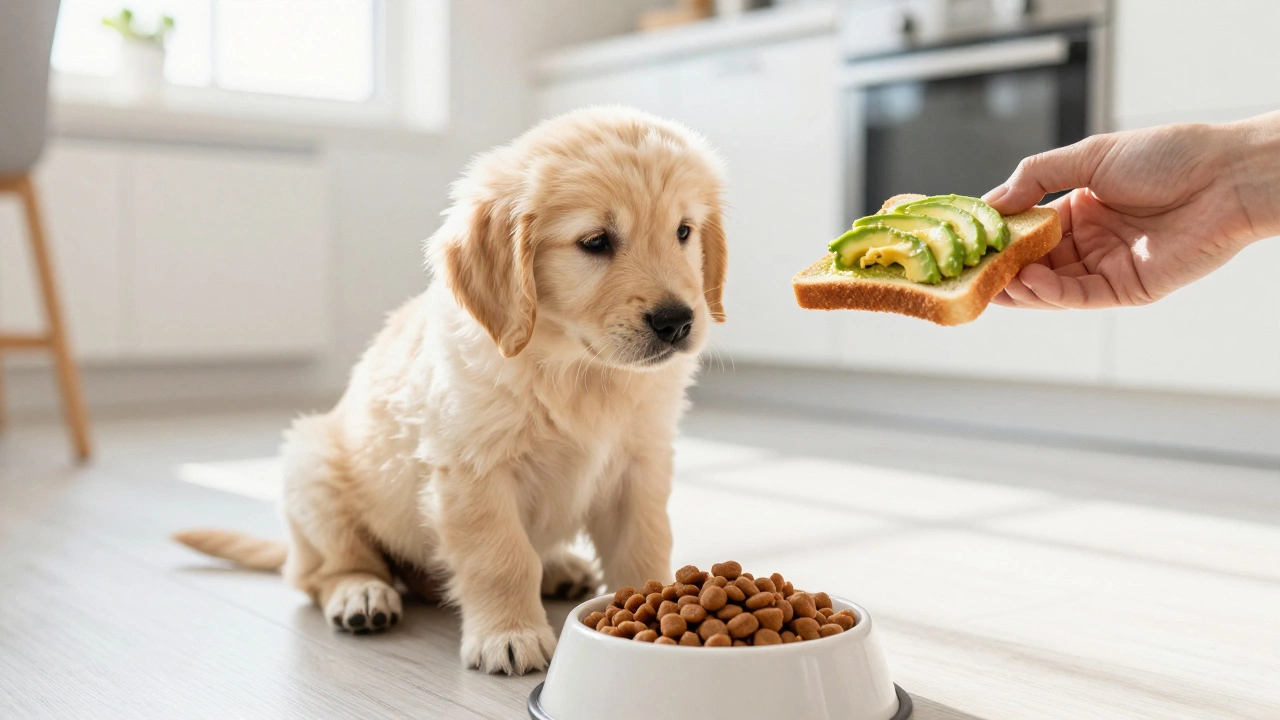
One of the biggest mistakes is treating your puppy like a human. Giving them pieces of your avocado toast or a slice of cheese might seem harmless, but Xylitol is
a sugar substitute found in many human foods that is highly toxic to dogs and can cause liver failure. Even foods that aren't toxic, like salty deli meats, can wreak havoc on a puppy's kidneys.
Common Foods to Avoid for Puppies
Food Item
The Danger
The Alternative
Grapes/Raisins
Kidney failure
Blueberries
Chocolate/Cocoa
Theobromine toxicity
Plain cooked pumpkin
Onions/Garlic
Anemic blood cells
Carrot sticks
Macadamia Nuts
Neurological tremors
Small pieces of apple (no seeds)
Avoid the "Dominance" Trap in Training
For years, people believed in the "alpha roll" or showing a puppy who is boss. This is a disaster for your relationship with your dog. Using fear or physical force to get a puppy to obey usually results in a dog that is anxious or, worse, aggressive.
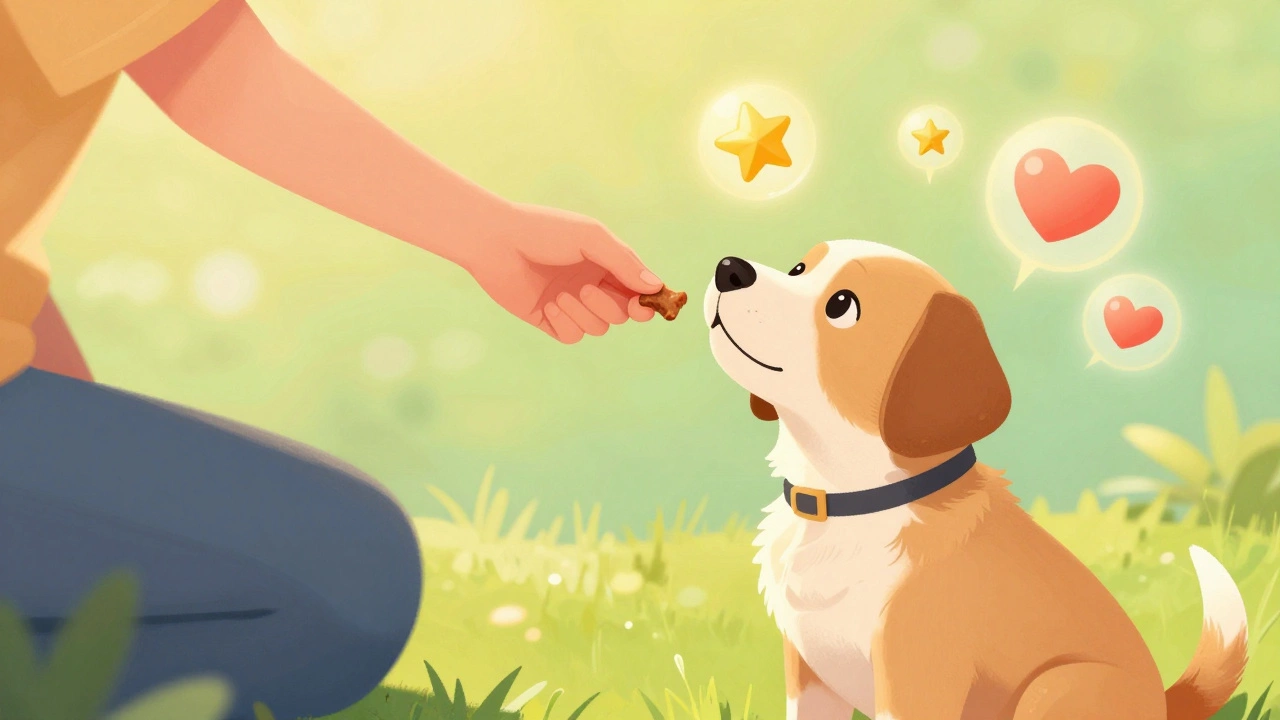
Instead of trying to "win" against your puppy, focus on Positive Reinforcement, which is
a training method that rewards desired behaviors with treats or praise rather than punishing mistakes. If you yell at a puppy for peeing on the rug, they don't learn that the rug is off-limits; they just learn that you are scary when you yell.
Don't fall into the trap of the "snooze button" with consistency. If you let the puppy jump on the couch when you're in a good mood but scold them for it when you're tired, you're just confusing them. Dogs thrive on predictability. Decide on your rules now-like whether they are allowed on the furniture-and stick to them 100% of the time.
Don't Skip Early Socialization
Many owners make the mistake of keeping their puppy completely isolated until they've had every single shot. While you shouldn't take them to a crowded dog park where unknown dogs might have Parvovirus, which is
a highly contagious and potentially fatal viral illness that attacks a dog's gastrointestinal tract, total isolation is a mistake.
There is a critical window between 3 and 16 weeks where a puppy's brain is like a sponge. If they don't experience different sounds (vacuum cleaners, sirens), different people (men with beards, children), and different surfaces (grass, tile, carpet), they may develop lifelong phobias.
Avoid "over-socializing" by throwing them into a chaotic environment. Too much too fast can actually cause trauma. Instead, introduce things slowly. Let them watch the world from a carrier or your arms first, then let them explore the environment at their own pace.
Stop Ignoring the Sleep Schedule
Puppies are not like adult dogs; they are more like toddlers. They need a massive amount of sleep-often 18 to 20 hours a day. A common mistake is thinking that a puppy that is chewing everything is "full of energy" and needs more play. In reality, a puppy that is acting out is often an overtired puppy who doesn't know how to shut themselves down.
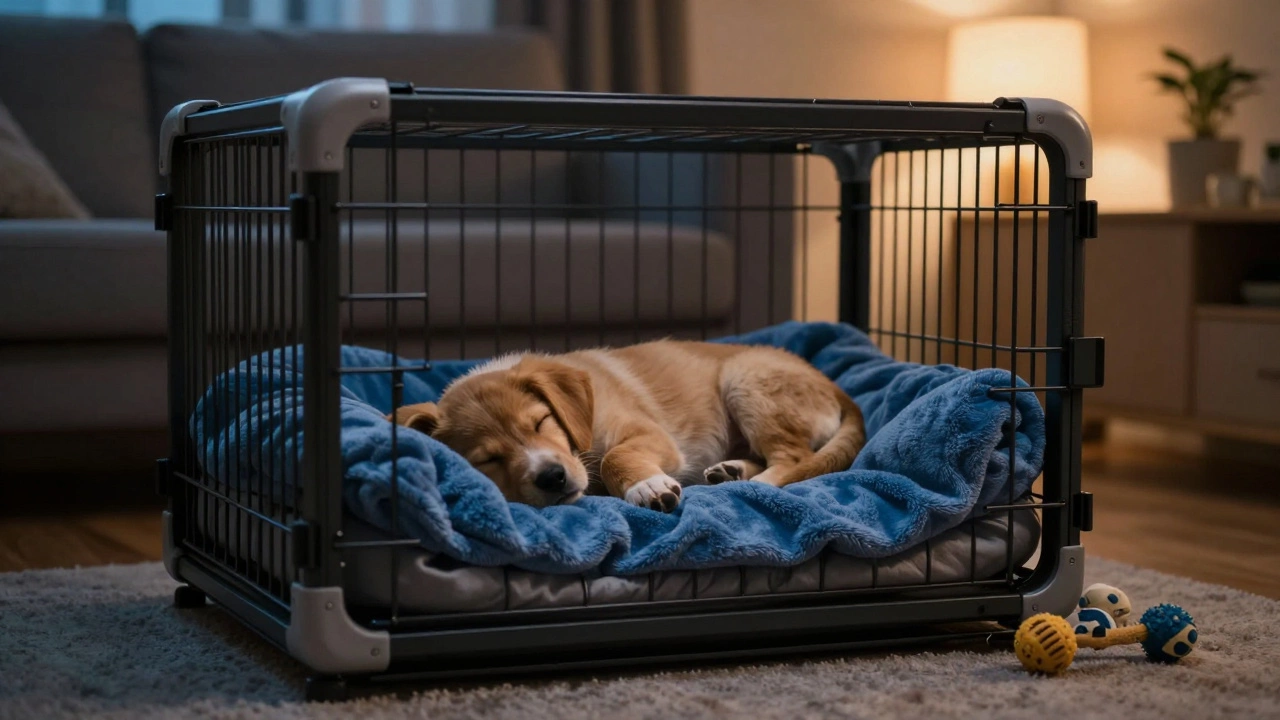
This is where Crate Training comes in.
The process of introducing a dog to a kennel or crate as a safe, positive space for sleeping and confinement. Don't use the crate as a punishment tool. If you throw them in there because you're angry, they will associate the crate with negative emotions. Use it as a bedroom. When they get "the zoomies" at 10 PM and start biting your ankles, it's usually a sign they need a nap, not a game of fetch.
Don't Neglect Dental and Nail Hygiene
Because puppies chew everything, owners often assume their teeth are fine. But Periodontal Disease, which is
inflammation and infection of the tissues that support the teeth, can start early. Don't wait until the puppy is an adult to start brushing. If you don't get them used to having their mouth touched now, you'll struggle to keep their teeth clean later.
Similarly, don't wait for the puppy to start scratching your hardwood floors before you clip their nails. Many people avoid this because puppies wiggle or try to bite the clipper. Start by touching their paws and giving them a treat, then progress to clipping just one nail a day. This prevents the puppy from developing a fear of grooming.
Avoid the Wrong Toys and Chews
Not all toys are created equal. Avoid those "Tennis Ball" style toys for very young puppies; the felt can be abrasive to their gums, and some are small enough to be swallowed. Steer clear of rawhides. These are often processed with harsh chemicals and can cause intestinal blockages if the puppy swallows a piece.
Instead, look for rubber toys specifically designed for teething. If you see a toy that is starting to shred or crack, throw it away immediately. A puppy can easily swallow a piece of plastic or rubber, leading to an emergency visit to the vet for a blockage.
Focusing on puppy care mistakes allows you to build a foundation based on trust rather than fear. When you stop the bad habits early, you save yourself years of behavioral corrections and expensive vet bills. The goal isn't to be a perfect owner, but to be a consistent one who understands that a puppy's brain works very differently from ours.
Is it okay to let a puppy sleep in my bed?
While it's tempting for bonding, it can make house-training much harder. Puppies are more likely to have accidents in a soft bed than in a crate. If you want them to sleep with you eventually, it's better to start with crate training first to establish bladder control.
Should I bathe my puppy immediately after bringing them home?
Avoid giving a full bath right away unless they are visibly dirty. Their skin is sensitive, and a stressful bath can create a negative association with water. Use a damp cloth for spot cleaning until they are more settled and have had their initial vet check.
Can I use a shock collar for a puppy?
Absolutely not. Using aversion tools like shock or prong collars on a puppy can cause severe psychological trauma and lead to fear-based aggression. Puppies learn best through positive reinforcement and clear boundaries.
Is it a mistake to feed my puppy once a day?
Yes. Puppies have small stomachs but high energy needs. Feeding them once a day can lead to hypoglycemia (low blood sugar) or digestive upset. Most puppies need 3 to 4 smaller meals per day to maintain steady energy levels.
Should I let my puppy meet other dogs before all vaccines are done?
You can, but be very selective. Only allow meetings with fully vaccinated adult dogs in a private yard. Avoid public dog parks or pet stores where the floor may be contaminated with parvovirus until your vet gives the all-clear.
Next Steps for Your Puppy Journey
If you've realized you've made some of these mistakes, don't panic. Dogs are resilient. Start by implementing a strict sleep and feeding schedule today. If you're struggling with behavioral issues, look for a certified professional dog trainer who uses force-free methods. For those who have the basics down, the next step is to start introducing "trick training" to keep your puppy's mind engaged and prevent them from finding their own (usually destructive) ways to entertain themselves.