
Dog Vitamin D Safety Calculator
Enter your dog's weight and the amount of Vitamin D (in IU) they are receiving to check safety levels.
It’s a sunny day in Wellington, and you’re out for a walk with your golden retriever. You start thinking about how much sun helps humans make Vitamin D is a fat-soluble vitamin essential for bone health and immune function. Naturally, you wonder if giving your dog a supplement could help too. But then you hear whispers online: “Vitamin D can be toxic.” Is it true? Can something so good for us actually hurt our dogs?
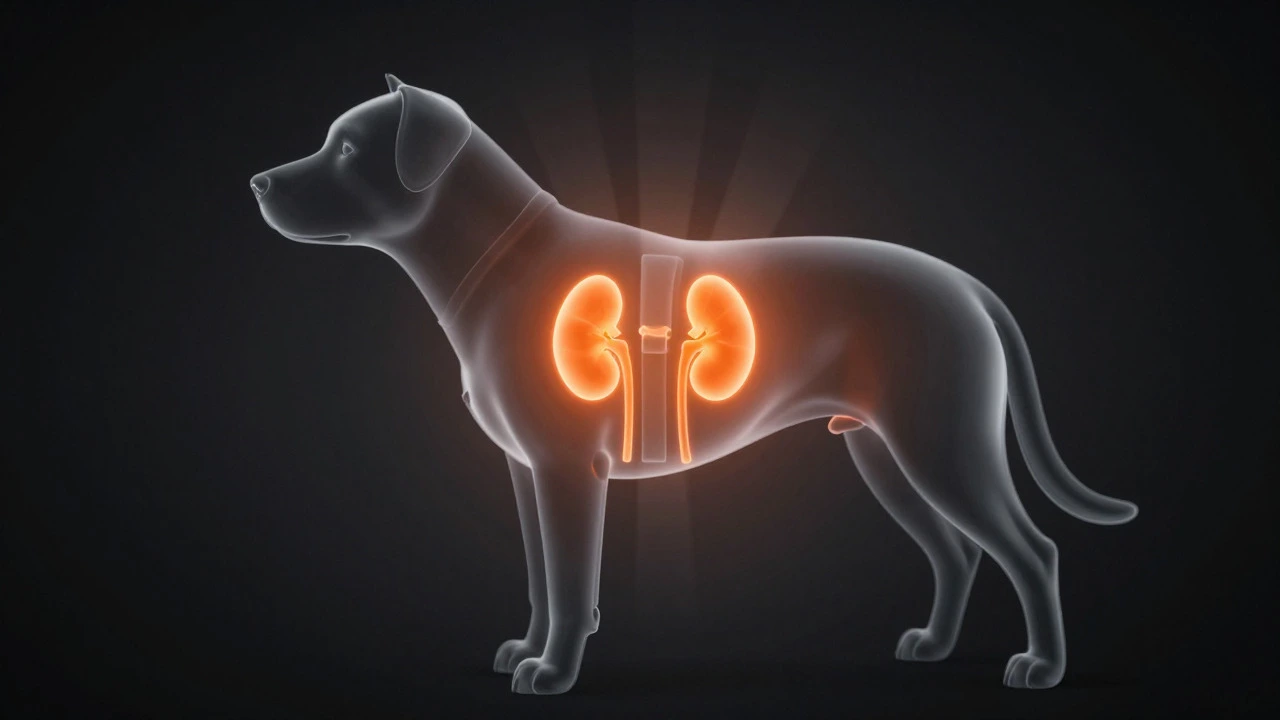
The short answer is yes-vitamin D toxicity in dogs is real, serious, and potentially fatal. Unlike water-soluble vitamins (like C or B-complex), which your body flushes out when there’s too much, vitamin D builds up in fat tissues. When levels get too high, they trigger a chain reaction that affects calcium balance, kidneys, heart, and more.
How Does Vitamin D Work in Dogs?
To understand why too much vitamin D is dangerous, we first need to look at what it does in normal amounts. In healthy dogs, vitamin D plays two main roles:
- Bone formation: It helps the body absorb calcium and phosphorus from food.
- Immune support: It modulates immune responses and reduces inflammation.
Dogs don’t rely on sunlight to produce vitamin D like humans do. Their fur blocks most UV rays, so their primary source comes through diet-especially meat-based proteins and fortified commercial pet foods. That means unless prescribed by a vet, extra supplementation usually isn’t needed.
| Metric | Healthy Range | Toxic Threshold |
|---|---|---|
| Serum 25(OH)D Level | 10-60 ng/mL | >150 ng/mL |
| Daily Intake (IU/kg) | 40-80 IU/kg/day | >1,000 IU/kg/day sustained |
| Cause of Toxicity | Dietary intake only | Supplements, accidental ingestion |
What Causes Vitamin D Poisoning in Dogs?
You might not think twice before popping a multivitamin-but doing the same for your pup without checking with your vet can lead to trouble. Here are the most common causes of vitamin D overdose in dogs:
- Over-supplementation: Some owners add human-grade supplements to homemade diets without proper dosing guidance.
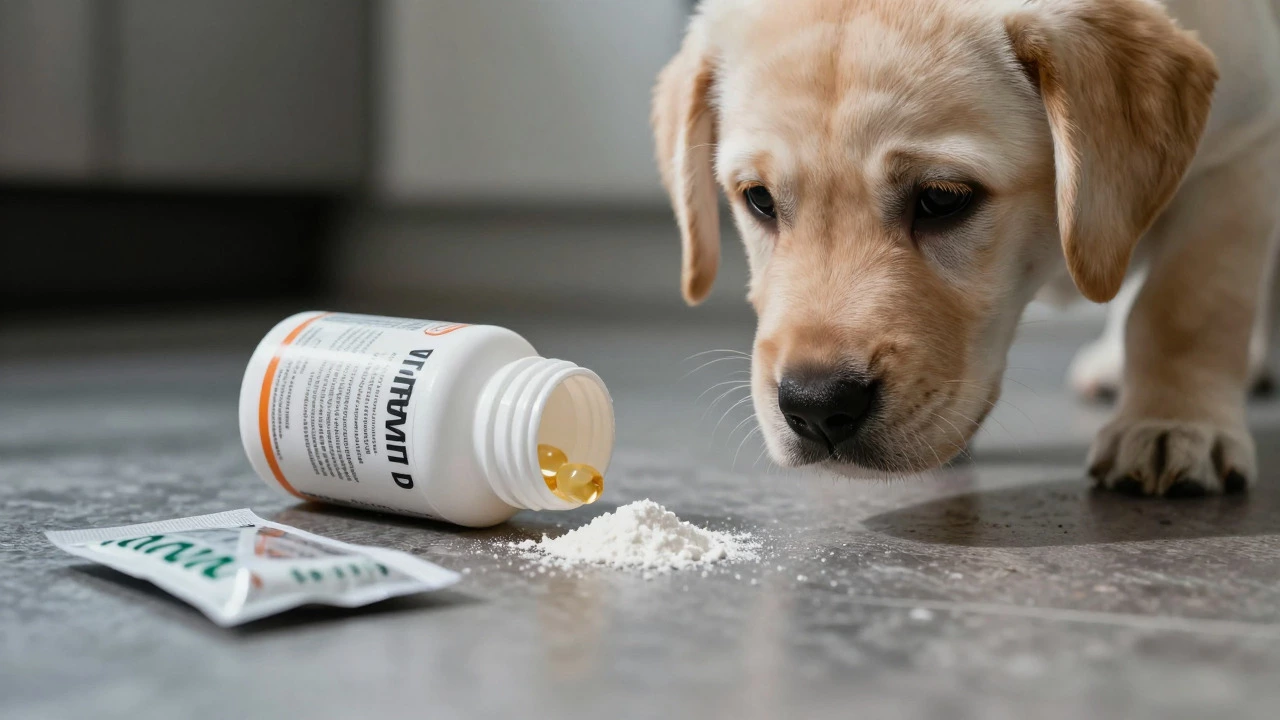
- Accidental ingestion: Kids dropping pills, open bottles left within reach, or even licking spilled powder from a counter.
- Rodenticide exposure: Certain rat poisons contain cholecalciferol (vitamin D3). A single bite can cause massive overdose.
- Homemade diet errors: Without veterinary nutritionist input, balancing nutrients like vitamin D becomes guesswork.
In one case reported in *Veterinary Clinical Pathology*, a Labrador developed acute kidney failure after its owner added excessive cod liver oil-a rich source of vitamin D-to his daily meals. The dog required emergency dialysis and months of recovery.
Signs and Symptoms of Vitamin D Toxicity
If your dog has ingested too much vitamin D, symptoms typically appear within hours to days. Early detection saves lives. Watch closely for these warning signs:
- Excessive thirst and urination: High calcium pulls fluid into the bladder.
- Lethargy and weakness: Muscles struggle due to electrolyte imbalance.
- Vomiting and loss of appetite: Common early GI response.
- Tremors or seizures: Severe cases affect neurological function.
- Hardening of soft tissues: Calcium deposits form in blood vessels, kidneys, and heart valves.
If you suspect your dog has eaten rodent bait or taken too many supplements, act fast. Call your vet immediately-or better yet, call an animal poison control center. Time matters.
Diagnosing Vitamin D Overdose
Your veterinarian will likely run several tests to confirm vitamin D toxicity:
- Blood panel: Checks serum calcium, phosphorus, and kidney markers (BUN, creatinine).
- Urine analysis: Looks for mineralization or protein leakage.
- Imaging: X-rays may show calcification in organs or soft tissue.
- History review: Your vet will ask about recent supplements, diet changes, or possible toxin exposure.
A key diagnostic marker is elevated ionized calcium levels (>1.3 mmol/L), which strongly suggest vitamin D-induced hypercalcemia.
Treatment Options for Vitamin D Toxicity
If caught early, treatment focuses on reducing calcium levels and supporting organ function. Depending on severity, your vet may recommend:
- Induced vomiting: If ingestion was recent (<2 hours), removing unabsorbed toxin helps.
- Intravenous fluids: Flushes excess calcium through urine.
- Medications: Bisphosphonates bind calcium; glucocorticoids reduce intestinal absorption.
- Hospitalization: For severe cases involving kidney damage or cardiac issues.
Recovery time varies. Mild cases resolve in a few days; severe ones may take weeks or longer-and sometimes leave permanent damage.
Safe Use of Vitamin D Supplements for Dogs
So, should you ever give your dog vitamin D? Only under specific circumstances:
- Veterinary prescription: If your dog has a diagnosed deficiency or metabolic disorder.
- Prescribed dosage: Follow exact instructions-never assume human doses apply.
- Quality-controlled products: Choose supplements made specifically for pets, tested for purity and potency.
- Regular monitoring: Blood work every 3-6 months ensures levels stay safe.
Most commercially prepared dog foods already include balanced amounts of vitamin D. Adding extras rarely helps-and often hurts.
Preventing Vitamin D Toxicity
Prevention is simple but critical:
- Store supplements safely: Keep all vitamins out of reach, especially rodenticides and fish oils.
- Avoid DIY diets without expert advice: Homemade meals require precise nutrient planning.
- Read labels carefully: Many “natural” treats or raw feeds claim added vitamins-check concentrations.
- Educate household members: Make sure everyone knows not to share human meds or supplements with pets.
In New Zealand, where outdoor living is part of daily life, keeping gardens free of rodenticides and storing pet food securely goes a long way toward preventing accidental poisoning.
Alternatives to Vitamin D Supplementation
If you're concerned about your dog's bone health or immunity, consider safer alternatives:
- High-quality commercial kibble: Formulated to meet AAFCO standards for complete nutrition.
- Controlled sun exposure: Short walks during mild weather allow natural skin synthesis (though limited in dogs).
- Omega-3 fatty acids: Support joint and brain health without risking toxicity.
- Probiotics: Boost gut health and indirectly improve nutrient absorption.
Always consult your vet before starting any new supplement regimen-even seemingly harmless ones.
Can dogs get vitamin D from sunlight?
Technically yes, but very inefficiently. Dogs have thick fur that blocks UV rays, making dietary sources far more important. Sunlight alone won't provide enough vitamin D for optimal health.
What happens if my dog eats rat poison with vitamin D?
Cholecalciferol-based rodenticides cause rapid calcium spikes. Seek emergency care immediately. Even small ingestions can be lethal without prompt treatment.
Are there breeds more prone to vitamin D toxicity?
No breed is inherently more susceptible, but smaller dogs face higher risk per milligram ingested. Puppies and senior dogs also metabolize toxins differently, increasing vulnerability.
How long does it take for symptoms to appear?
Symptoms usually develop within 12-72 hours after ingestion. Delayed onset doesn’t mean safety-monitor closely and seek veterinary evaluation if exposure occurred.
Is cod liver oil safe for dogs?
In moderation, yes-but it contains high levels of vitamin D. Stick to veterinary-approved brands and follow dosage guidelines strictly. Excess use leads to accumulation and toxicity.