Dog Food Transition Calculator
Quick Answers
- Is it discontinued? No, there is no official announcement from the manufacturer that the line is being scrapped.
- Why is it hard to find? Supply chain hiccups and regional redistribution are the primary culprits.
- What should I do? Check alternative retailers or look into the "Pro Plan" line if you need a similar nutritional profile.
The Reality Behind the Discontinuation Rumors
Let's be clear: Nestle Purina, the massive global company that owns the brand, hasn't put out a "going out of business" notice for Purina One. In the world of big business, when a company decides to kill a product line, they usually do it with a formal announcement or a phased rollout of a replacement product. We haven't seen that here. So why are people panicking? It usually comes down to a few specific triggers. First, some stores have shifted their shelf space to favor newer, "premiumized" lines. Second, we've seen a trend where certain flavors-like specific limited-edition recipes-get phased out to make room for new ones. When a shopper can't find the one specific bag they've bought for three years, the immediate reaction is often, "They must be getting rid of the whole brand." In reality, the brand remains a core part of the company's strategy to offer "premium-tier" nutrition at a mid-range price point. It sits right in the middle of their product hierarchy, making it too profitable to simply delete from their catalog.Understanding the Supply Chain Struggle
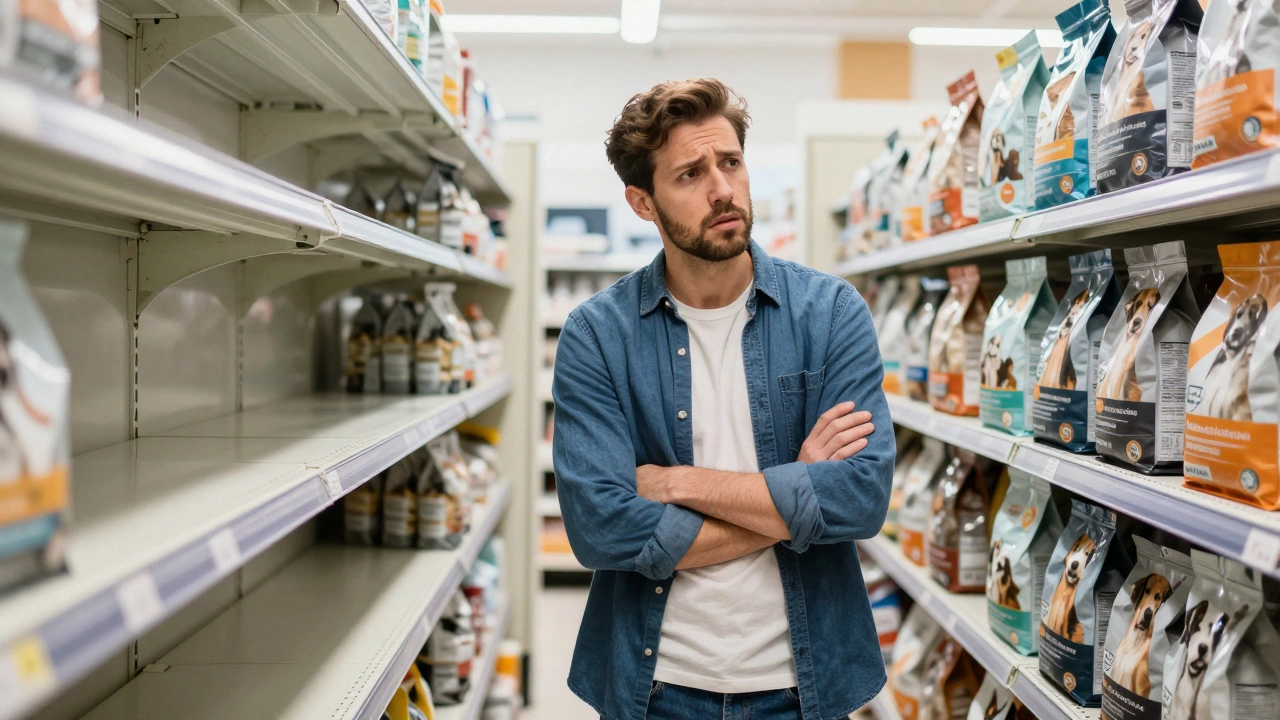
If you're seeing empty shelves at your local Walmart or Target, it's likely not a corporate decision to end the brand, but rather a failure in the logistics chain. Supply Chain Management in the pet food industry is incredibly complex. You have raw ingredient sourcing (like proteins and grains), manufacturing, and then the "last mile" delivery to stores. When one link breaks-say, a shortage of a specific vitamin supplement or a trucking strike in a specific region-entire stores can run out of stock. This creates a vacuum where rumors flourish. If you've noticed a shortage, it's often a localized issue rather than a global shutdown. For instance, a warehouse glitch in the Midwest won't affect availability in the Northeast, but the internet makes it feel like the product is gone everywhere.Comparing Purina One to Its Siblings
To understand why Purina is unlikely to drop this line, you have to look at how they segment their products. They aren't just selling one type of food; they are targeting different budgets and health needs.| Product Line | Target Audience | Price Point | Key Focus |
|---|---|---|---|
| Purina Dog Chow | Budget-conscious owners | Low | Basic nutrition and affordability |
| Purina One | Mid-range / Quality seekers | Medium | High protein and visible results |
| Purina Pro Plan | Specialized health / Performance | High | Science-backed, veterinary-grade formulas |

What to Do When Your Dog's Food is Missing
Finding out your dog's food is out of stock is stressful because you can't just swap brands overnight. A sudden change in diet can lead to an upset stomach, diarrhea, or even vomiting. If you're facing a shortage of Purina One, don't panic and buy the first random bag you see. First, try the "Retailer Pivot." If the big-box store is empty, check local independent pet shops. Often, smaller stores have different distributors and might have a few bags left. Alternatively, use the "Store Locator" tool on the official website, though these aren't always updated in real-time. If you absolutely must switch, do it slowly. The gold standard for changing food is the "7-Day Transition." Start by mixing 25% of the new food with 75% of the old. Every few days, increase the ratio of the new food. This allows the gut bacteria to adjust and prevents the dreaded "digestive disaster" on your living room rug.Navigating Formula Changes and "New Look" Packaging
Another reason people think a product is being discontinued is when the bag changes. Companies frequently update their branding to look more modern or to highlight a new ingredient. When a bag of Purina One suddenly looks different, some owners worry the formula has changed or the old version is gone. Usually, this is just a marketing refresh. However, it's always a good idea to check the ingredient list. If you see that a primary protein has shifted-say, from chicken to a "meat byproduct" blend-that's when you should be concerned. Most of the time, the change is just cosmetic, but staying vigilant helps you keep your dog's diet consistent.
Common Red Flags for Actual Discontinuations
While this specific line is safe, it's helpful to know how to tell when a food *actually* is being discontinued. Look for these signs:- The manufacturer explicitly tells retailers to stop ordering the product.
- Huge, deep discounts (like 50-70% off) across multiple stores simultaneously-this is often a "clearance" move.
- The product disappears from the company's own official website, not just a third-party store.
- A "New and Improved" version is released that completely replaces the old SKU (Stock Keeping Unit) without a transition period.
Why is Purina One suddenly hard to find in my area?
It is likely due to regional supply chain disruptions or a shift in store inventory management. Many retailers are prioritizing certain product lines over others, or experiencing delays in shipments from distribution centers. This is a logistical issue, not a sign that the brand is being discontinued.
Is there a better alternative if I can't find it?
If you want to stay within the same company, Purina Pro Plan is the next step up in terms of quality and specialization. If you are looking for a similar mid-range option, look for brands that prioritize a high-protein first ingredient and avoid excessive fillers, but always consult your vet before a full brand switch.
Can I mix different Purina One flavors?
Yes, generally you can mix different flavors within the same product line (like mixing beef and chicken Purina One) because the base nutritional profile is very similar. This is a great way to keep your dog interested in their food or to manage a shortage of one specific flavor.
How do I contact Purina to check on stock?
The best way is through the official Purina website's contact form or their customer service hotline. They can sometimes provide information on which retailers in your zip code have recently received shipments.
Does the "New Look" mean the ingredients changed?
Not necessarily. Most packaging updates are for marketing purposes. However, you should always check the ingredient label on the back of the bag to ensure the protein sources and additives remain the same as the previous version.