Dog Grooming Cost & DIY Calculator
Enter Your Details
Enter your details and click "Calculate Savings" to see the breakdown.
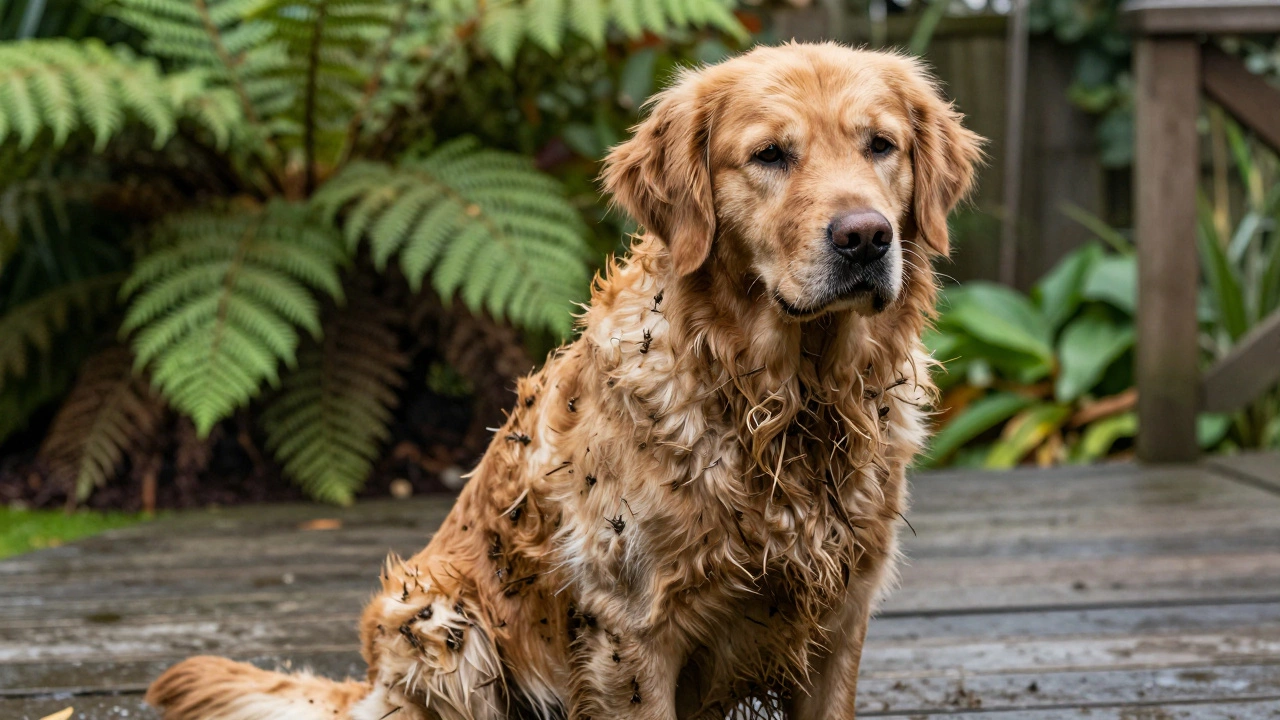
Does your dog smell like wet wool after every bath? Do you find yourself hiding clumps of fur in the couch cushions because vacuuming just isn't cutting it? If so, you are likely staring down the barrel of a monthly bill that feels steep for what looks like a simple haircut. The question "Is it worth getting a dog groomer?" is one of the most common debates among pet owners. The short answer is: it depends entirely on your breed, your patience, and your budget.
In New Zealand, where outdoor living is part of our DNA, dogs get dirty fast. Mud, burrs, and salt water turn a fluffy companion into a matted mess quickly. While some breeds thrive with a quick brush at home, others require professional tools and expertise to stay healthy. Let’s break down the real costs, the hidden health benefits, and whether you can save money by doing it yourself.
The Hidden Health Risks of Skipping Professional Grooming
We often think of dog grooming as purely cosmetic-a way to make Fido look cute for Instagram. But for many breeds, grooming is a critical medical necessity. When fur mats, it pulls directly on the skin. This isn’t just uncomfortable; it causes pain, restricts blood flow, and creates warm, moist pockets perfect for bacteria and fungi to grow.
Consider breeds like the Poodle, Bichon Frise, or Shih Tzu. Their hair grows continuously, much like human hair. Without regular clipping, this hair falls to the ground, collecting dirt and debris. If you try to cut this yourself without proper shears, you risk accidental nicks and uneven cuts that can lead to further matting. A professional groomer uses specialized equipment to lift the coat, allowing them to see skin conditions, lumps, or parasites that you might miss during a casual petting session.
| Breed Category | Coat Type | Professional Grooming Needed? | DIY Difficulty |
|---|---|---|---|
| Hypoallergenic (Poodle, Schnauzer) | Curly/Wiry, non-shedding | Yes, every 4-6 weeks | High (requires skill) |
| Double-Coated (Husky, Golden Retriever) | Dense undercoat | No (unless severely matted) | Medium (brushing only) |
| Short-Haired (Labrador, Beagle) | Smooth | Rarely | Low (bath + brush) |
| Long-Straight (Maltese, Yorkshire Terrier) | Silky, continuous growth | Yes, every 6-8 weeks | High (mat prevention) |
The Cost Breakdown: What Are You Actually Paying For?
Let’s talk numbers. In Wellington, a full groom for a small-to-medium dog typically ranges from $80 to $150 NZD. For larger breeds or heavily matted coats, prices can jump to $200+. That sounds expensive until you itemize what goes into that fee.
You are paying for:
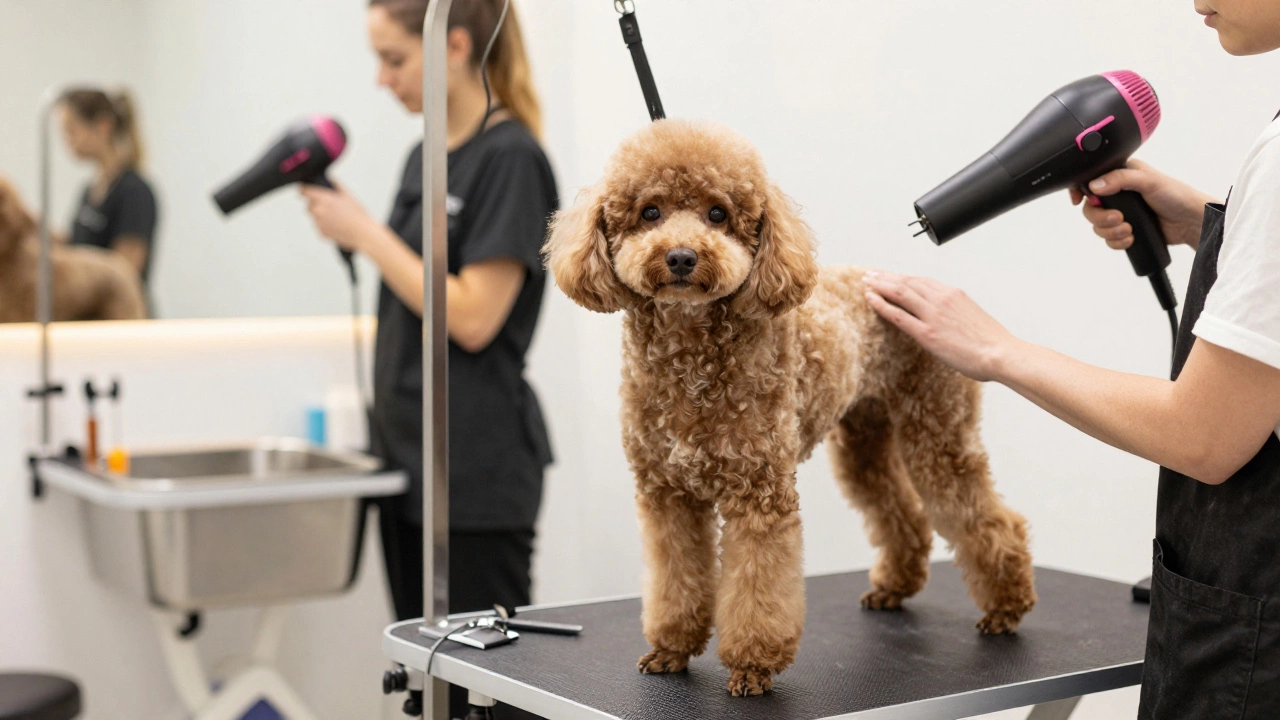
- Time: A thorough groom takes 1.5 to 3 hours. That includes bathing, drying (which requires high-powered industrial dryers), brushing out tangles, trimming nails, cleaning ears, and expressing anal glands if needed.
- Equipment: Professional clippers cost hundreds of dollars. Industrial dryers are even more. The shampoo and conditioners used are formulated for canine skin pH, which differs significantly from human products.
- Expertise: Handling a nervous or aggressive dog requires training. Many groomers have certifications in animal behavior to ensure safety for both the dog and themselves.
If you factor in the cost of buying quality clippers ($100+), de-shedding tools ($30+), and premium shampoos ($20+), plus the time investment, the gap between DIY and professional services narrows. However, for many busy professionals, the time savings alone justify the expense.
When DIY Grooming Makes Sense
Not every dog needs a salon visit. If you own a Golden Retriever or a German Shepherd, their coats are designed to shed naturally. These double-coated breeds actually suffer if you shave them down. Shaving removes the protective undercoat, leading to sunburn, overheating, and permanent damage to the coat texture.
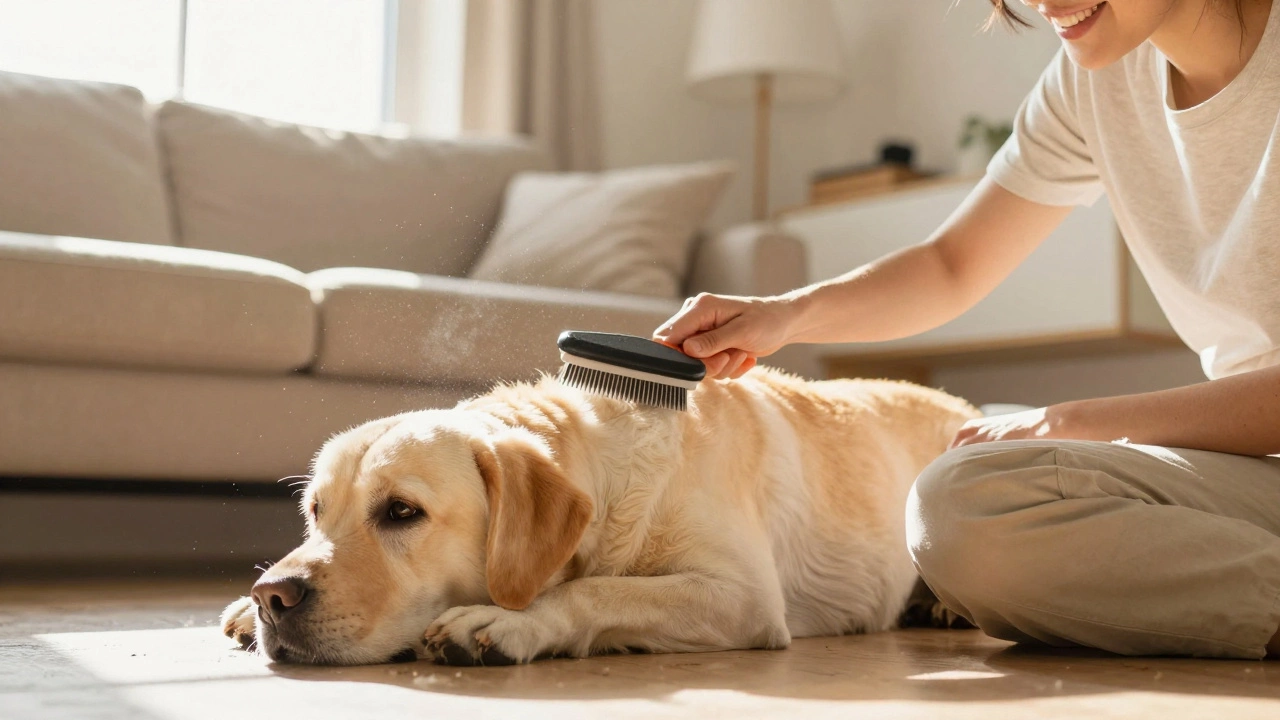
For these breeds, "grooming" means brushing. Invest in a good slicker brush and an undercoat rake. Brushing three times a week prevents mats and distributes natural oils. Bathing once a month with a gentle oatmeal-based shampoo is usually sufficient. Nail trimming is the only tricky part here-most dogs tolerate baths but hate nail clips. If your dog is calm, you can learn to trim nails at home using a guillotine-style clipper or a Dremel tool. Just go slow and reward heavily.
Here is a quick checklist for deciding if you can DIY:
- Your dog sheds visibly (hair ends up on clothes/furniture).
- Your dog tolerates being handled around paws and face.
- You have time to dedicate 30 minutes, 3x a week to brushing.
- Your dog’s coat does not tangle or mat easily.
The Stress Factor: Is Your Dog Happy?
This is the elephant in the room. Some dogs love the groomer. They get treats, attention, and come home smelling amazing. Others are terrified. Loud dryers, slippery tables, and strange smells can trigger anxiety. If your dog shakes, pants excessively, or tries to escape during grooming sessions, you need to evaluate the situation.
A good groomer will notice signs of stress and adjust their approach. They might use calming pheromones, take breaks, or offer extra praise. If your current groomer rushes through or ignores distress signals, it’s time to switch. There are mobile groomers in New Zealand who bring the service to your driveway, eliminating the stress of car rides and waiting rooms. While they charge a premium, the reduction in anxiety for sensitive dogs is often worth it.
If your dog is extremely fearful, consider desensitization training. Start by letting them sniff the clippers while they’re off. Reward them. Then turn them on low speed near them. Gradually introduce the sound and sensation. This process takes weeks, but it can transform a traumatic experience into a manageable one.
Environmental Impact and Ethical Considerations
In recent years, pet owners have become more conscious of the environmental impact of their choices. Traditional grooming salons generate significant waste: plastic bottles, chemical runoff from shampoos, and energy consumption from heating water and running dryers. Look for eco-friendly groomers who use biodegradable shampoos, collect fur for recycling (some organizations turn dog hair into yarn or insulation), and minimize water usage.
Additionally, ethical treatment of animals is paramount. Ensure your groomer has a clean, safe environment. Ask about their policies on restraint. No dog should be tied up for hours or sedated unnecessarily. Sedation is generally discouraged unless prescribed by a vet for severe behavioral issues, as it masks underlying problems and carries health risks.
How to Choose the Right Groomer
Not all groomers are created equal. Here’s how to find one that fits your needs:
- Check Credentials: Look for certifications from recognized bodies like the National Association of Professional Pet Groomers (NAPPG) or local NZ equivalents.
- Visit the Salon: Does it smell like bleach and fear, or like fresh soap and calm? Are the dogs relaxed or stressed?
- Ask About Experience: Have they worked with your specific breed before? A groomer specializing in Poodles may not know how to handle a Husky’s double coat.
- Read Reviews: Focus on comments about communication, punctuality, and how they handle difficult situations.
- Start Small: Book a basic bath and brush-out first. See how your dog reacts before committing to a full cut.
The Verdict: Is It Worth It?
For breeds with continuously growing hair, yes, professional grooming is worth every cent. It prevents painful matting, maintains skin health, and saves you hours of frustrating work. For short-haired or self-cleaning breeds, it’s largely unnecessary unless you want a spa day treat for your pup. In those cases, invest in quality brushes and learn basic nail trimming.
Ultimately, the decision comes down to your dog’s well-being and your lifestyle. If you’re exhausted, overwhelmed by fur, or worried about your dog’s comfort, hire a pro. If you enjoy bonding time with your pet and have the right tools, DIY can be a rewarding and cost-effective alternative. Just remember: consistency is key. Whether you do it yourself or pay someone else, regular care keeps your dog happy, healthy, and ready for adventure.
How often should I take my dog to the groomer?
Most dogs with long or curly coats need professional grooming every 4 to 6 weeks. Short-haired breeds may only need a bath and nail trim every 2 to 3 months. Always follow the specific recommendations for your breed's coat type.
Can I shave my double-coated dog like a Husky?
No, you should never shave a double-coated dog unless directed by a veterinarian for medical reasons. Shaving removes the protective undercoat, which regulates temperature and protects against sunburn. The coat may never grow back correctly, leaving your dog vulnerable to skin issues.
What is the average cost of dog grooming in New Zealand?
In New Zealand, expect to pay between $80 and $150 NZD for a standard groom for small to medium dogs. Large breeds or dogs with severe matting can cost $200 or more. Mobile grooming services typically add a 20-30% premium to these rates.
How can I tell if my dog is matting?
Lift sections of your dog's fur, especially behind the ears, under the legs, and around the collar area. If the fur feels tight against the skin or forms hard clumps that don't separate easily with a comb, it is matting. Mats pull on the skin and can cause infections if left untreated.
Is it better to bathe my dog at home or at the groomer?
If your dog is calm and easy to handle, bathing at home is cheaper and less stressful. However, groomers use high-velocity dryers that remove water from the undercoat efficiently, preventing dampness-related skin issues. If your dog hates water or you struggle to dry them thoroughly, professional bathing is worth it.