Overnight Solo Risk Assessment for Dogs
Answer the questions below to determine if leaving your dog alone overnight is safe or if you need an alternative plan.
Risk Level: Calculating...
Recommended Actions:
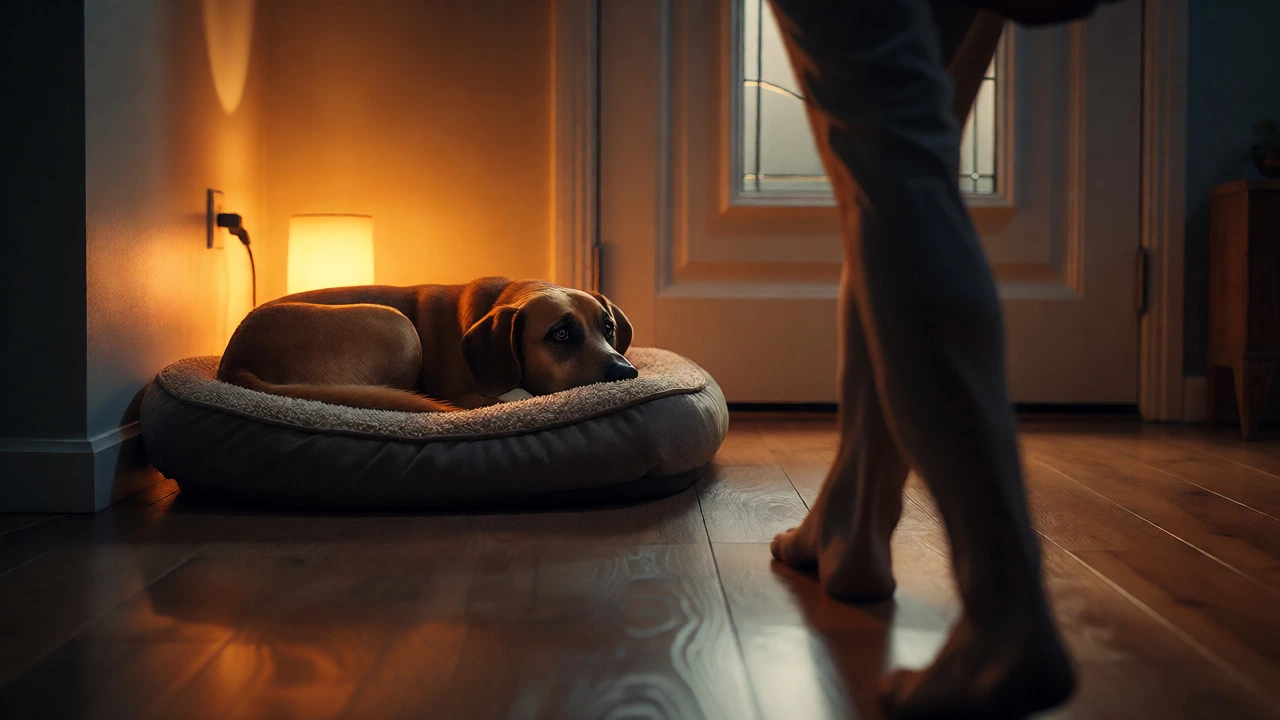
You’re packing your bag for a work trip, or maybe you just want a rare night out with friends. The guilt hits hard. You look at your dog, curled up on their dog bed, and wonder: is it cruel to leave them alone overnight? It’s a question that keeps many owners awake, worrying if their furry friend is suffering in silence while they sleep.
The short answer? It depends. For some adult dogs, a single night alone is no big deal. For others, especially puppies or anxious rescues, it can be genuinely distressing. But "cruel" is a strong word. Let’s break down what actually happens when a dog spends the night solo, how to tell if your specific dog can handle it, and what you need to do to make sure they stay safe and calm until morning.
Understanding Your Dog’s Needs vs. Human Convenience
Dogs are pack animals by nature. In the wild, sleeping together meant safety and warmth. When we leave them alone, we’re asking them to override thousands of years of instinct. However, domestication has changed things. Many modern dogs are perfectly content sleeping in a quiet house. The key isn't whether they *like* being alone, but whether they can cope without panic.
Think about your dog’s daily routine. If they spend eight hours alone while you’re at work and come home happy and healthy, adding a few extra hours of nighttime solitude might not change much. But if they pace, whine, or have accidents during the day, leaving them overnight will likely amplify those stress signals. Separation anxiety isn’t just about time; it’s about the dog’s ability to self-soothe.
| Dog Profile | Overnight Suitability | Key Risks | Recommended Action |
|---|---|---|---|
| Adult (1-7 yrs), Crate Trained | Low Risk | Boredom, minor accidents | Leave with water, toy, and secure space |
| Puppy (<6 months) | High Risk | Bladder issues, fear, chewing hazards | Do not leave alone; use pet sitter or bring along |
| Senior Dog (>8 yrs) | Medium Risk | Incontinence, confusion, falls | Monitor closely; consider monitoring camera |
| Anxious/Rescue Dog | Very High Risk | Panic, destruction, self-injury | Consult behaviorist; gradual desensitization needed |
The Physical Reality: Bladders and Bowels
Let’s get practical. How long can a dog physically hold it? An adult dog can typically hold their bladder for 8-10 hours. That sounds like enough for an 8-hour sleep cycle plus travel time. But here’s the catch: holding it is stressful. If your dog drinks water before bed, they might wake up needing to go at 3 AM. If they can’t signal you or let themselves out, they’ll either wait in discomfort or have an accident.
Accidents aren’t just messy; they can create negative associations with their sleeping area. If your dog soils their crate because they couldn’t hold it, they might start refusing to enter it. This is why access to a designated potty spot, like a backyard door or a pee pad station, matters more than you think. For apartment dwellers, this often means arranging a late-night walk before you head out or early-morning check-in via a neighbor.
Psychological Impact: Boredom vs. Anxiety
There’s a difference between a bored dog and an anxious one. A bored dog might chew a shoe or bark at a squirrel. An anxious dog might scratch at the door until their nails bleed or howl continuously. Leaving a dog alone overnight exposes them to darkness, unfamiliar noises, and isolation for a prolonged period.
If your dog sleeps soundly in their crate or bed while you’re in the next room, they’ve likely learned that solitude is safe. But if they follow you from room to room, panicking when you close a door, they haven’t mastered being alone. Overnight absence removes the comfort of hearing your breathing or seeing your silhouette. For sensitive dogs, this sensory deprivation can trigger panic attacks.
Creating a Safe and Comfortable Environment
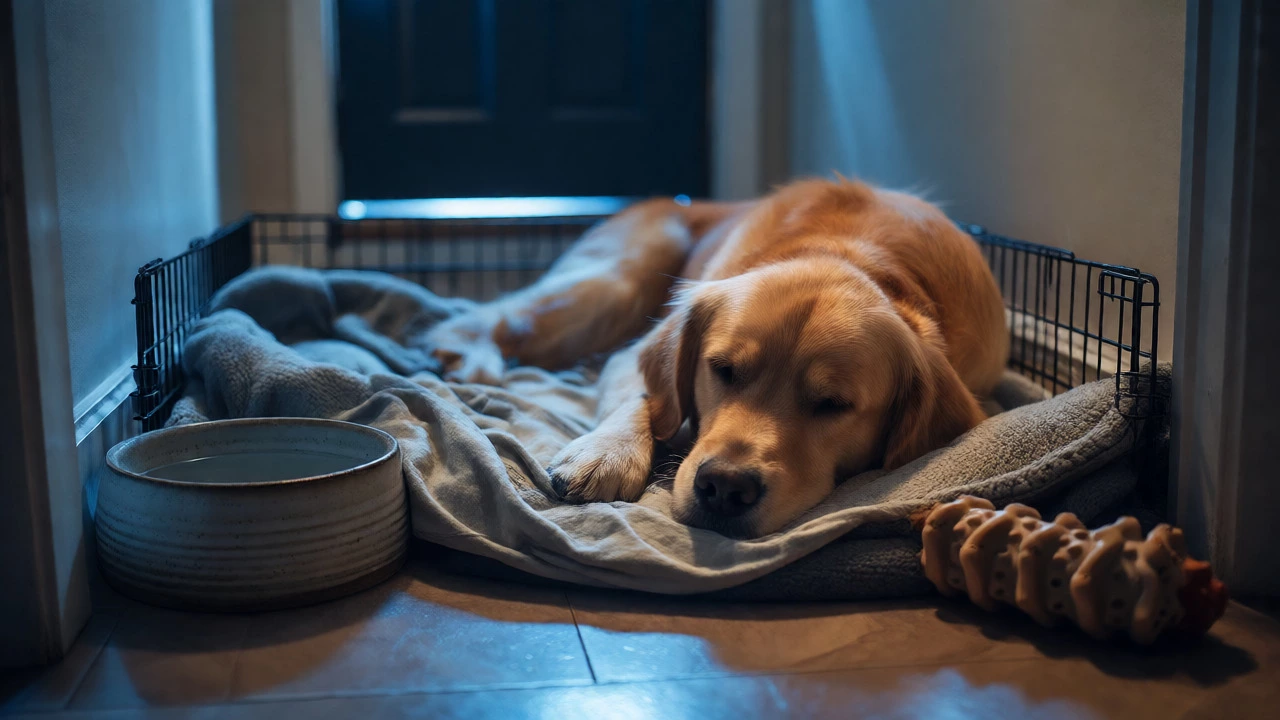
If you decide to leave your dog overnight, preparation is everything. You can’t just dump them in a room and hope for the best. You need to engineer their environment for success.
- Secure the Space: Remove anything chewable or dangerous. Electrical cords, toxic plants, and small objects that could be swallowed are the enemies of unsupervised nights.
- Comfort Items: Provide a familiar-smelling blanket or a worn t-shirt of yours. Scent is a powerful calming tool for dogs.
- Water Access: Use a spill-proof bowl or a heavy ceramic dish. Spilled water means wet floors and potential slips.
- Lighting: Some dogs are afraid of total darkness. A dim nightlight or leaving a hallway light on can prevent nighttime disorientation.
- Temperature Control: Ensure the room stays within a comfortable range (18-24°C). Dogs can overheat quickly if left in a closed room with heating on high.
A good crate is invaluable here. If your dog is already crate-trained, it becomes their den-a safe, enclosed space where they feel protected. Never introduce a crate for an overnight stay if they haven’t used it comfortably during the day first. That’s a recipe for disaster.
When You Should Not Leave Them Alone
There are clear red flags that mean overnight solitude is off the table. Puppies under six months generally lack the bladder control and emotional maturity to handle it. Senior dogs with cognitive decline may wander into unsafe areas or forget where their food is. Dogs recovering from surgery or illness need monitoring for complications.
Also, consider recent life changes. Did you just move houses? Adopt a new pet? Have a baby? These disruptions increase baseline stress levels. Adding isolation on top of that can tip a dog into behavioral regression. If your dog has a history of destructive behavior when left alone, assume they will escalate it overnight. Breaking a window or destroying a couch is bad, but injuring themselves while trying to escape is worse.
Alternatives to Solo Nights
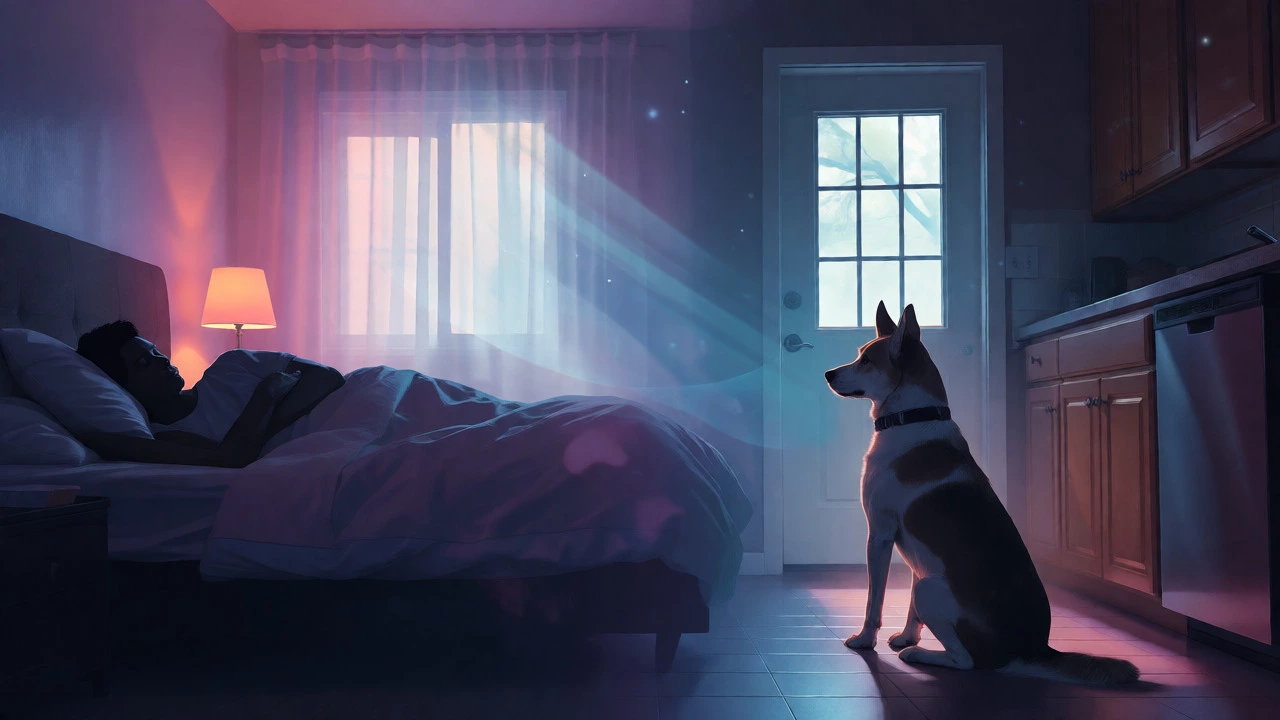
If you know your dog struggles, don’t force it. There are better options that protect both your peace of mind and your dog’s well-being.
- Pet Sitting: Hiring someone to sleep over or check in twice ensures needs are met and provides companionship.
- Boarding Facilities: Choose a place with overnight staff who can monitor health and administer meds if needed. Avoid places that just lock dogs in kennels all night without human presence.
- Bring Them Along: If the event allows, taking your dog eliminates the problem entirely. Just ensure the environment is safe and not too chaotic.
- Neighbor Swap: Trade favors with a trusted neighbor. They feed and walk your dog; you return the favor later.
For occasional trips, a mid-night check-in by a friend can bridge the gap. Knowing someone will come in at 2 AM to let the dog out and offer a treat can reduce anxiety significantly compared to a full 12-hour stretch.
Tips for Success if You Must Go
If you’re confident your dog can handle it, follow these steps to minimize stress:
- Exercise First: Give your dog a long walk or play session before you leave. A tired dog is a calm dog.
- Feed Early: Finish dinner at least two hours before departure to allow digestion and a final potty break.
- Keep Departures Low-Key: Don’t make a huge fuss when leaving. High-energy goodbyes heighten anxiety.
- Use Calming Aids: Consider pheromone diffusers like Adaptil or calming treats with L-theanine. Test these beforehand to ensure they don’t cause stomach upset.
- Check In Remotely: A pet camera lets you see if they’re sleeping or pacing. If you see panic, call a neighbor to intervene.
Remember, every dog is different. What works for your neighbor’s Golden Retriever might terrify your Chihuahua. Trust your instincts. If you feel uneasy, your dog probably feels it too. Start with short absences to build confidence, and only progress to overnight stays when you’ve seen consistent calm behavior during longer daytime separations.
How long is too long to leave a dog alone overnight?
Generally, 8-10 hours is the maximum for a healthy adult dog due to bladder capacity. Beyond this, the risk of accidents and distress increases significantly. Puppies and seniors should never be left for more than 4-5 hours without a break.
Will my dog think I abandoned them if I leave overnight?
Dogs live in the present moment and don’t conceptualize abandonment the way humans do. However, if they experience panic during your absence, they may associate your departure with fear. Consistent routines and positive returns help reinforce that you always come back.
Should I leave the TV or radio on for my dog?
Yes, background noise can mask sudden outdoor sounds like sirens or fireworks that might startle a dog. Classical music or audiobooks with a calm voice are often recommended. Keep the volume low so it doesn’t become stimulating.
What if my dog barks all night when I’m gone?
Continuous barking indicates distress or boredom. Check for immediate needs like thirst or a need to go outside. If it persists, it’s likely separation anxiety. Consider using a white noise machine, increasing exercise before departure, or consulting a trainer for desensitization techniques.
Is it okay to leave a dog alone overnight in an apartment?
It can be, provided the dog is toilet trained and has access to a designated indoor potty area (like pee pads) if they can’t go downstairs. Noise complaints from neighbors are also a factor, so ensure your dog isn’t prone to excessive vocalization.