Dog Flight Stress & Risk Calculator
Flight Details
Stress Analysis
Recommended Actions
- Waiting for input...
Imagine being stuffed into a box the size of your bed, dragged through loud tunnels, and then placed in a room where the air pressure changes so fast your ears pop. Now imagine doing this while thousands of feet above the ground. This is the reality for many dogs during air travel. The short answer to how traumatic is flying for a dog is: it can be extremely stressful, but it doesn't have to be dangerous if you prepare correctly.
Not all flights are created equal, and not all dogs react the same way. Some pups sleep through the whole journey, while others panic, pant excessively, or even injure themselves trying to escape their carriers. Understanding the physical and psychological impact of flight on your canine companion is the first step to ensuring their safety and comfort.
The Science of Canine Stress in Airports
Dogs experience stress differently than humans do. While we might feel anxious about missing a connection, a dog’s stress response is primal. It triggers the release of cortisol and adrenaline, leading to a fight-or-flight reaction. In an airport environment, three main factors contribute to this spike:
- Noise Pollution: Airports are incredibly loud places with announcements, rolling luggage, barking other animals, and engine roar. Dogs hear frequencies up to 45,000 Hz, making these sounds significantly more intense for them than for us.
- Sensory Overload: The smell of hundreds of different animals, cleaning chemicals, and food creates a chaotic olfactory landscape that can overwhelm a dog's sensitive nose.
- Confinement Anxiety: Being restricted in a crate or carrier limits a dog's ability to pace or escape perceived threats, which amplifies feelings of helplessness.
A study published in the *Journal of Veterinary Behavior* noted that separation anxiety and noise phobia are the two biggest predictors of severe distress during transport. If your dog already struggles with thunderstorms or fireworks, flying will likely be much more traumatic for them.
In-Cabin vs. Cargo Hold: Where Does Your Dog Go?
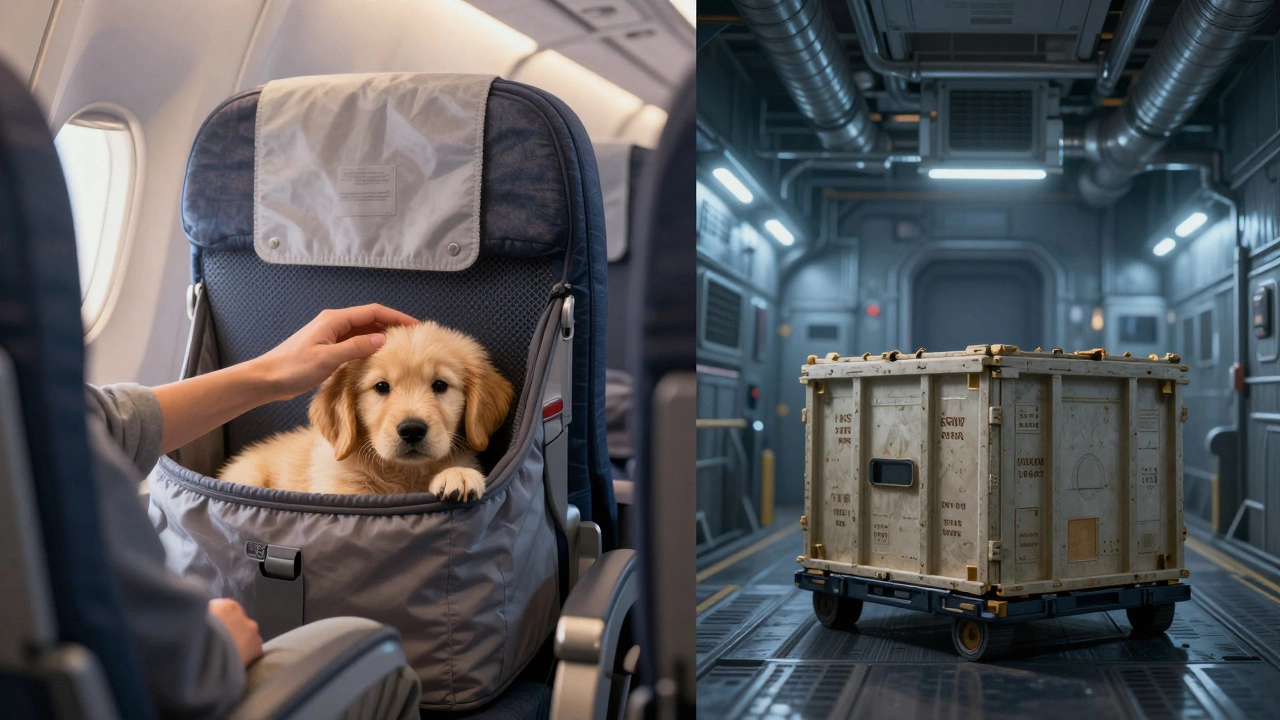
The location of your dog during the flight is the single most important factor in determining the level of trauma they may experience. Airlines generally offer two options: in-cabin (under the seat) or as checked baggage/cargo (in the belly of the plane).
| Feature | In-Cabin | Cargo Hold (Checked Baggage) |
|---|---|---|
| Stress Level | Lower (owner present) | High (separation from owner) |
| Temperature Control | Standard cabin temp (~72°F / 22°C) | Pressurized & heated/cooled, but extreme temps can occur during loading/unloading |
| Noise Exposure | Moderate (engine hum) | Very High (jet engines, handling noises) |
| Safety Risk | Low | Moderate (rare incidents of injury or death due to heat/cold mishandling) |
| Size Limit | Small breeds only (usually under 15-20 lbs including carrier) | All sizes, including large breeds |
If your dog is small enough to fit under the seat, always choose in-cabin travel. The presence of your scent and voice provides a massive buffer against anxiety. For larger dogs who must travel in the cargo hold, the risk increases. The Association of American Veterinarians (AAV) advises against air travel for brachycephalic breeds (like Bulldogs, Pugs, and Boxers) because their shortened airways make it difficult for them to regulate breathing and temperature in pressurized environments.
Physical Health Risks During Flight
Beyond emotional trauma, there are tangible physical risks associated with flying. These aren't just theoretical; they happen regularly enough that airlines have strict health requirements.
Respiratory Distress: Changes in cabin pressure can cause gas expansion in the stomach and intestines. For dogs with pre-existing heart or lung conditions, this can lead to respiratory failure. Brachycephalic dogs are particularly vulnerable here.
Dehydration: Cabin air is notoriously dry, often dropping humidity levels below 20%. Without access to water for several hours, a panting dog can become dangerously dehydrated quickly.
Panic-Induced Injury: In the cargo hold, a terrified dog may bite through the crate bars, injuring its teeth or gums, or throw itself against the walls, causing bruises or fractures. There have been documented cases of dogs suffering cardiac arrest due to extreme fear.
Signs Your Dog Is Experiencing Flight Trauma
You need to know what to look for before, during, and after the flight. Recognizing early signs of stress allows you to intervene before it escalates into a medical emergency.
- Excessive Panting: Beyond normal exercise-induced panting, rapid, shallow breaths indicate heat stress or panic.
- Drooling: Profuse salivation is a classic sign of nausea or extreme anxiety in dogs.
- Trembling or Shaking: Visible muscle tremors suggest the dog is in a state of high alert or fear.
- Refusal to Eat or Drink: Loss of appetite is common, but total refusal to hydrate is concerning.
- Elimination Accidents: Urinating or defecating outside the designated area indicates a loss of control due to fear.
If your dog exhibits any of these symptoms severely, contact airline staff immediately. If traveling in-cabin, you can offer water and reassurance. If in cargo, you must rely on the airline's protocol, which is why choosing a reputable carrier is crucial.
Pre-Flight Preparation: Reducing the Shock
You cannot eliminate stress entirely, but you can drastically reduce it by preparing your dog weeks in advance. The goal is desensitization-making the carrier and the travel routine familiar rather than frightening.
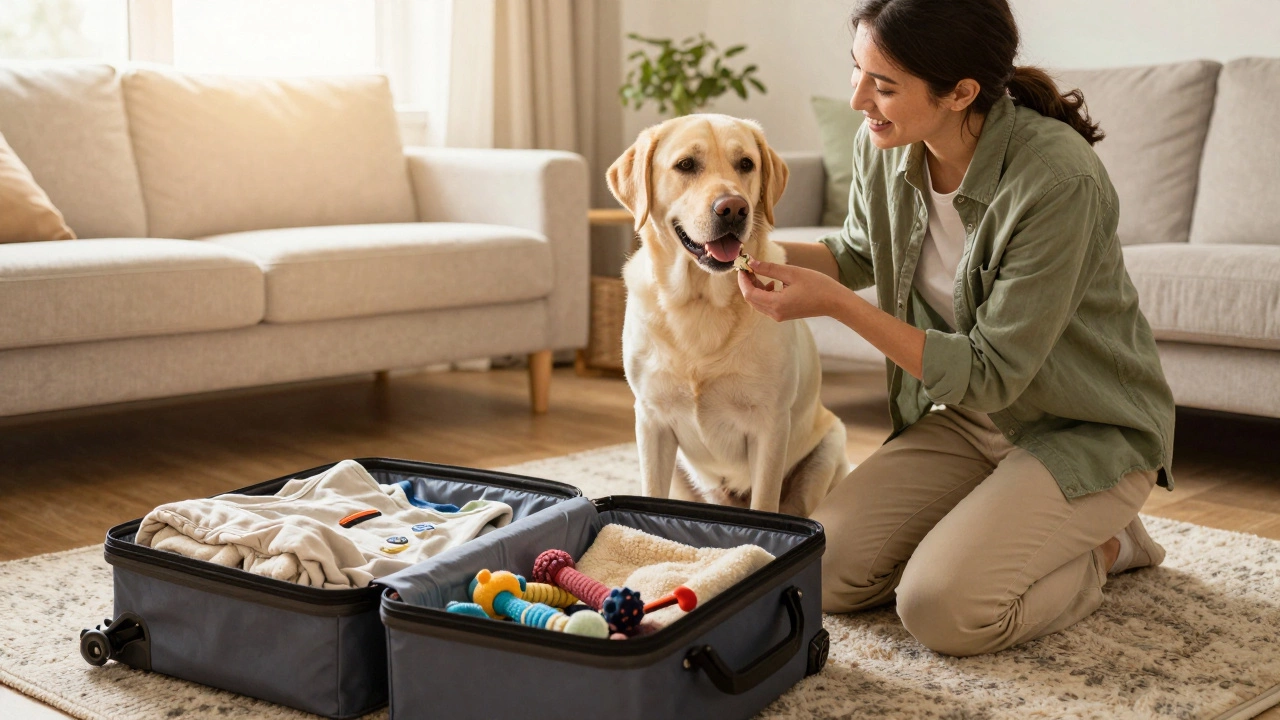
- Carrier Acclimation: Introduce the carrier at home long before the trip. Leave it out with soft bedding and treats inside. Feed your dog near or inside the carrier so they associate it with positive experiences.
- Veterinary Check-Up: Visit your vet 2-3 weeks before the flight. Discuss your dog's health status and ask if sedation is appropriate. Note: Most veterinarians advise against sedation for air travel because it can depress respiratory function and affect balance and thermoregulation.
- Practice Runs: Take short car rides with the carrier closed. Gradually increase the duration. This simulates the confinement without the altitude.
- Exercise Beforehand: On the day of travel, take your dog for a long walk or play session before heading to the airport. A tired dog is a calmer dog.
Calming Aids and Tools
When natural preparation isn't enough, certain tools can help manage anxiety. However, always consult your vet before introducing new supplements or devices.
- Thundershirts or Anxiety Wraps: These apply gentle, constant pressure to the dog's torso, which can have a calming effect similar to swaddling a baby.
- Adaptil Diffusers/Sprays: Adaptil mimics the calming pheromones released by nursing mother dogs. Spraying the inside of the carrier can create a sense of security.
- CBD Oil: Cannabidiol (CBD) has gained popularity for reducing anxiety in pets. Ensure you use a pet-specific product with no THC, and start with a low dose to gauge tolerance.
- Familiar Scent Items: Place a piece of your worn t-shirt or a favorite toy inside the carrier. Familiar smells anchor the dog to home.
Navigating Airport Security and Boarding
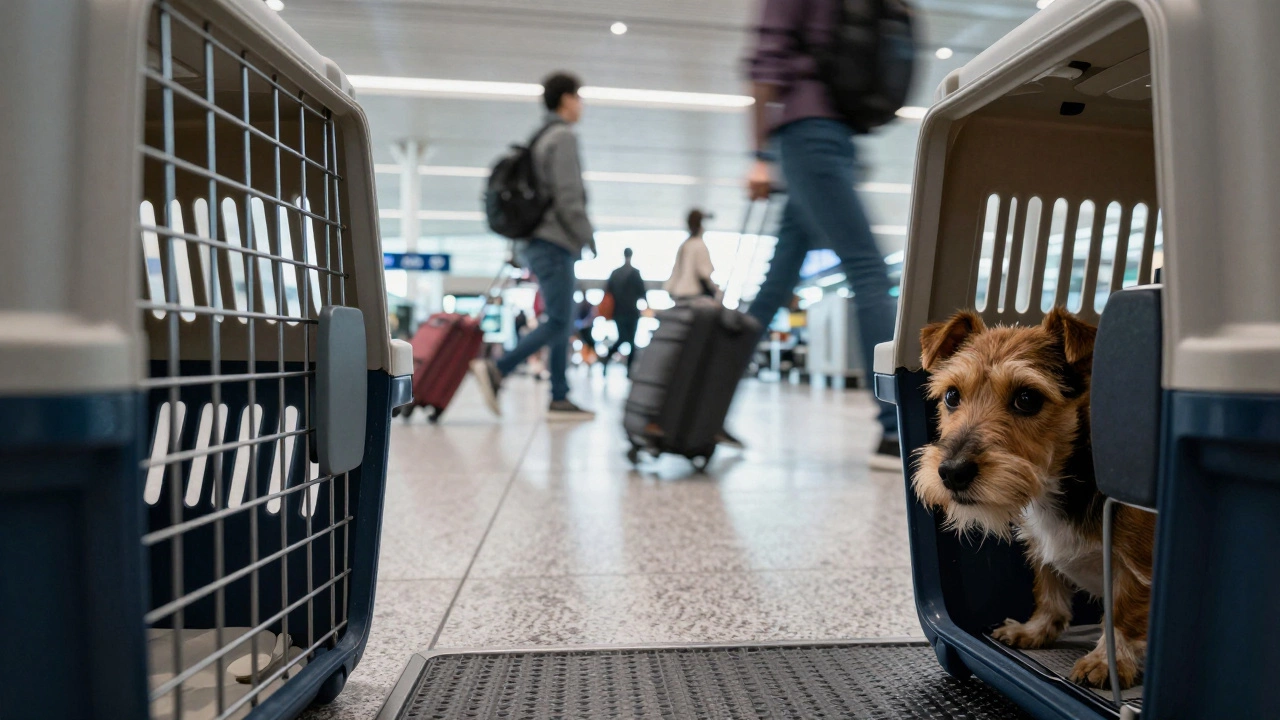
The airport itself is often more stressful than the flight. TSA agents handle live animals carefully, but the process can be jarring. When going through security checkpoints with an in-cabin dog, you will need to remove the dog from the carrier. The carrier goes through the X-ray machine, while you walk through the metal detector with your dog. Keep a firm grip on the leash and stay calm; your energy directly influences your dog's behavior.
At the gate, try to find a quiet spot away from the main flow of traffic if possible. Some airlines allow early boarding for passengers with pets, which reduces the chaos of waiting in line. Once on the plane, place the carrier under the seat in front of you. Secure it with the seatbelt strap if available. Talk to your dog in a low, soothing voice throughout the takeoff and landing phases, as these are the noisiest parts of the journey.
Post-Flight Recovery
Once you land, don't rush straight back into the hustle of the airport. Give your dog time to decompress. Offer fresh water immediately, but wait a bit before offering a full meal, as motion sickness may still be present. Watch for signs of lethargy or disorientation. It can take 24-48 hours for some dogs to fully return to their baseline behavior after a flight. Provide a quiet, safe space at your destination where they can rest without interruptions.
Is it cruel to fly with a dog?
Flying is not inherently cruel, but it is stressful. For healthy, adaptable dogs, especially those traveling in-cabin with their owners, the discomfort is temporary and manageable. However, forcing a dog with severe anxiety, respiratory issues, or age-related frailty to fly can be considered cruel. Always prioritize your dog's well-being over convenience.
Should I sedate my dog for a flight?
Generally, no. Most veterinarians and airlines strongly advise against sedation. Sedatives can interfere with a dog's ability to regulate body temperature and maintain balance, increasing the risk of respiratory depression and cardiovascular issues at high altitudes. Non-sedative anxiety aids like CBD or prescription anti-anxiety medications (given days in advance) are safer alternatives.
What is the safest airline for dogs?
While no airline is perfect, carriers like Delta, JetBlue, and United have strong track records for pet safety and offer direct flights, which reduce layover stress. Look for airlines that comply with the Animal Welfare Act and have clear policies regarding temperature embargoes (refusing to transport pets when temperatures are too hot or cold). Avoid budget airlines with limited customer service support for live animals.
Can puppies fly?
Most airlines require puppies to be at least 8 weeks old and fully weaned before flying. Additionally, they must have received their initial vaccinations. Young puppies have weaker immune systems and less bladder control, making travel riskier. It's best to wait until they are older and more robust if the trip is not urgent.
How do I prevent motion sickness in dogs during flights?
Motion sickness can be managed by withholding food for 4-6 hours before the flight (while providing water) to reduce the chance of vomiting. You can also ask your vet for anti-nausea medication like Cerenia. Placing a absorbent pad in the carrier helps manage accidents. Keeping the dog calm and distracted during takeoff and turbulence is also key.