
Barking Cause Diagnostic Tool
This tool helps you identify the root cause of your dog's barking based on their behavior patterns. Answer the questions below to receive personalized recommendations.
Why This Matters
Understanding the root cause is key to effective training. According to a 2025 study, 78% of excessive barking cases stem from unmet needs. This tool helps you target the specific cause rather than just silencing the bark.
Your Dog's Barking Cause
Based on your answers, your dog's barking is most likely due to:
Recommended approach:
Use positive reinforcement training with high-value treats. For example, wait for your dog to stop barking, then say "quiet" and reward immediately with a treat. Repeat daily for 5-10 minutes per session.
Note: Anti-bark collars should only be used with professional guidance and as a temporary aid while training. Never use shock collars - they can cause fear and aggression.
Barking is natural for dogs, but when it becomes constant or disruptive, it strains relationships between pets and owners. Learning how to stop dog barking effectively is key to a peaceful home. This guide covers practical, science-backed methods to address the root causes of excessive barking and safely use tools like anti-bark collars when needed. Let’s break it down step by step.
Why Dogs Bark
Understanding why your dog barks is the first step to solving the problem. Dogs bark for many reasons: alerting you to strangers, seeking attention, expressing fear, or due to boredom. For example, a dog barking at the front door might be guarding the house, while one barking while you’re at work could be lonely. Without addressing the underlying cause, training efforts often fail. A 2025 study by the New Zealand Companion Animal Council found that 78% of excessive barking cases stemmed from unmet needs like lack of exercise or anxiety.
Step 1: Identify the Root Cause
Before jumping to solutions, pinpoint why your dog barks. Start by tracking triggers. Keep a notebook for three days: note when barking happens, what’s happening around them, and how long it lasts. Common triggers include:
- Boredom: Barking when left alone with no toys
- Alert barking: At doorbells, strangers, or passing cars
- Anxiety: Excessive barking during storms or when separated
- Attention-seeking: Barking to get your focus
For instance, if your dog only barks when you’re on the phone, they likely want interaction. If they bark at mail carriers but stay quiet otherwise, it’s probably alert behavior. Fixing the cause matters more than silencing the bark itself.

Step 2: Positive Reinforcement Training
Positive reinforcement is a training method that rewards desired behavior. For barking, this means giving treats or praise when your dog stays quiet after a trigger. For example, if your dog barks at the mail carrier, wait until they stop, then say "quiet" and reward them. This builds the association between silence and rewards. A Wellington-based dog trainer, NZ Dog Training, reports that 90% of clients see improvement within two weeks using this approach. Start with short sessions: 5 minutes twice daily. Use high-value treats like chicken or cheese to keep your dog engaged.
Step 3: Using Anti-Bark Collars
While positive reinforcement should be the first line of defense, some owners consider anti-bark collars. These devices activate when your dog barks, but they’re not standalone solutions. Always pair them with training. Here’s how different types work:
| Type | How It Works | Effectiveness | Considerations |
|---|---|---|---|
| Vibration Collar | Delivers a gentle vibration when barking is detected | Moderate for most dogs | Safe, no pain; best for sensitive dogs |
| Sound Collar | Emits a high-pitched sound to interrupt barking | Good for dogs not scared of sound | May not work for deaf dogs |
| Citronella Collar | Releases a puff of citronella spray near the dog's nose | High for attention-seeking barking | Non-invasive; smell is unpleasant to dogs |
| Shock Collar | Delivers an electric shock | Effective but controversial | Not recommended; can cause fear and aggression |
Always choose collars that match your dog’s temperament. For example, a citronella collar works well for attention-seeking barkers but might scare a fearful dog. The American Veterinary Medical Association warns against shock collars-they can worsen anxiety and damage trust. In New Zealand, the Animal Welfare Act 1999 prohibits devices that cause pain unless prescribed by a vet. Opt for collars with adjustable sensitivity and automatic shutoff features to avoid overcorrection.
Step 4: Other Effective Techniques
Collars aren’t the only tools. Combine them with these strategies:
- Desensitization: Gradually expose your dog to triggers at low intensity. For doorbell barking, ring the bell softly and reward calmness. Slowly increase volume over days.
- Teach "quiet" command: Say "quiet" when your dog barks, then reward silence. Repeat until they associate the word with stopping.
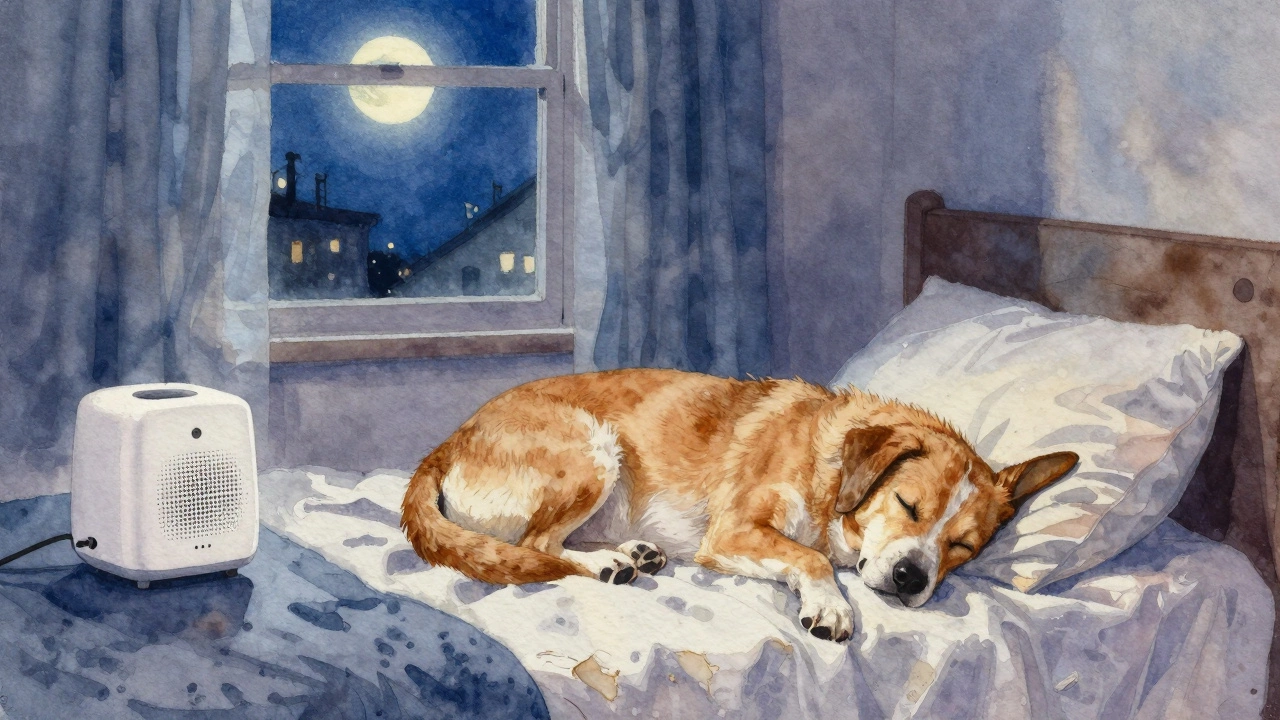
- Manage the environment: Block views of street traffic with curtains or use white noise machines for anxiety.
For separation anxiety, leave a TV or radio on to mimic human presence. Puzzle toys filled with kibble also keep dogs occupied. A 2024 survey of 500 dog owners in Wellington showed that 70% reduced barking by combining desensitization with environmental tweaks.
When to Seek Professional Help
Some barking issues need expert intervention. Contact a certified dog trainer or vet if:
- Barking is linked to aggression or self-harm
- It persists after 4 weeks of consistent training
- Medical issues like pain or hearing loss are suspected
For example, a dog suddenly barking at nothing might have arthritis or cognitive decline. A vet can rule out health problems. In New Zealand, organizations like Dog Training NZ offer behavior consultations. Remember: patience is key. Most dogs improve with time, but complex cases need professional support.
Can anti-bark collars harm my dog?
Shock collars can cause physical pain and emotional distress, leading to fear or aggression. Vibration, sound, and citronella collars are generally safe when used correctly. Always choose collars with adjustable settings and avoid leaving them on for more than 12 hours daily. If your dog shows signs of stress (panting, cowering), stop using the collar immediately and consult a trainer.
How long does training to stop barking take?
It varies by dog and cause. Simple attention-seeking barking often improves in 1-2 weeks with consistent training. Anxiety-related barking may take 4-6 weeks or longer. For example, a dog barking due to boredom usually responds faster than one with separation anxiety. Consistency matters more than speed-daily 5-minute sessions are more effective than occasional long ones.
Are anti-bark collars legal in New Zealand?
Yes, but with restrictions. The Animal Welfare Act 1999 bans shock collars unless prescribed by a vet for medical reasons. Citronella, sound, and vibration collars are legal if used humanely. Always check the product’s compliance with NZ standards. Reputable brands like PetSafe and Innotek sell collars approved for use here. Never use a collar that causes visible distress.
Can I use treats to stop barking?
Absolutely-treats are core to positive reinforcement training. When your dog barks, say "quiet," then reward silence immediately with a small treat. Over time, they’ll learn that being quiet earns rewards. Use high-value treats like cooked chicken or cheese for tough cases. Avoid giving treats while they’re barking, as that rewards the barking itself. Consistency is key: reward every quiet moment for the first two weeks.
What if my dog barks at night?
Nighttime barking often stems from loneliness, fear, or needing to go outside. First, ensure they’ve had enough exercise and potty breaks before bed. If they bark due to noises, use white noise machines or earplugs for dogs. For separation anxiety, try leaving a worn t-shirt with your scent nearby. If it persists, consult a vet to rule out medical issues like urinary tract infections. Never punish nighttime barking-it increases anxiety and worsens the problem.