Dog Real Food Cost Calculator
Enter your dog's details to see how much you could save by switching from premium kibble to a balanced homemade diet.
You want to feed your dog something better than kibble, but the price tag at the pet store makes you hesitate. Real food for dogs doesn't have to break the bank if you change how you shop and what you buy. The secret isn't buying expensive organic chicken breast; it's leveraging bulk purchases, choosing less glamorous cuts, and understanding exactly what nutrients your dog actually needs versus what marketing tells them they need.
Many owners think "real food" means a high-end raw diet of premium beef and salmon. In reality, a balanced homemade diet can be significantly cheaper than commercial grain-free kibble if you source ingredients wisely. This guide breaks down the actual costs, the specific cuts that save money, and the simple math behind keeping your dog healthy without draining your savings account.
Understanding the Cost Difference Between Kibble and Homemade
To figure out if you're saving money, you first need to look at the numbers. Commercial dog food often carries a markup for branding, packaging, and distribution. When you buy whole animals or large cuts in bulk, you remove those middlemen. For example, a 30kg bag of mid-range kibble might cost $150-$200 NZD. That same amount of nutrition, prepared at home using a mix of muscle meat, organ meat, and bone-in pieces, can often be achieved for $80-$120 NZD depending on local market prices.
The key variable is the type of meat. Chicken thighs are consistently cheaper than chicken breasts. Pork belly is often less expensive than lean pork loin. Beef chuck roast costs significantly less than sirloin or ribeye. By shifting from "premium cuts" to "everyday cuts," you lower the base cost per kilogram. Remember, dogs don't care about the cut name; they care about the protein and fat content. As long as the diet is balanced over time, the cheaper cuts provide the same biological value.
The Core Ingredients: What You Actually Need
A balanced real-food diet for dogs typically follows a rough ratio: 70% muscle meat, 10% raw edible bone, and 10% organ meat (liver being the most important), with the remaining 10% coming from vegetables, fruits, or supplements. However, you don't need to measure every single gram daily. Consistency over weeks matters more than precision on any single day.
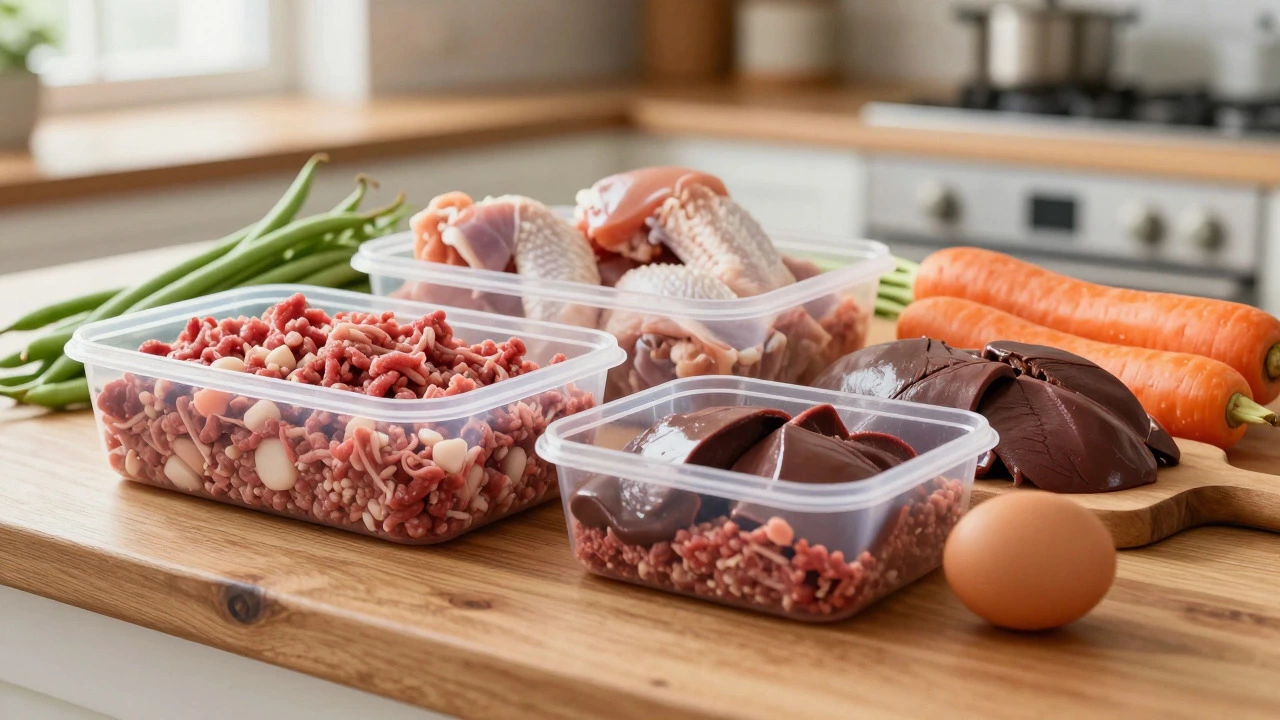
- Muscle Meat: The primary protein source. Look for ground beef, turkey necks, or chicken quarters. These are nutrient-dense and affordable.
- Organ Meats: Liver is the powerhouse here. It provides natural Vitamin A, B vitamins, and copper. One serving of liver per week for a medium-sized dog is usually sufficient. Heart and kidney are also excellent, cheap sources of taurine and protein.
- Raw Edible Bone: Provides calcium and phosphorus. Chicken necks, wings, and feet are ideal because they are soft enough to chew safely but hard enough to clean teeth. Avoid large weight-bearing bones like femurs, which can splinter.
- Vegetables: Carrots, green beans, and sweet potatoes add fiber and micronutrients. They are cheap, shelf-stable, and easy to chop or blend into the meat.
You do not need exotic superfoods. Kale and spirulina are nice additions, but a carrot and an egg will do just fine. Keep it simple. If an ingredient is confusingly expensive or hard to find, swap it for a basic alternative.
Sourcing Strategies: Where to Buy Cheap
Your biggest savings come from where you buy, not just what you buy. Supermarkets are convenient but rarely the cheapest option for bulk meat. Instead, focus on these three channels:
- Butcher Shops & Local Farms: Many local butchers sell off-cuts, trimmings, and whole birds at a discount. Ask specifically for "grind" or "mince" mixed with some fat, rather than lean pure cuts. Whole chickens from local farms often cost less per kilogram than pre-cut parts from big-box stores.
- Bulk Meat Suppliers: Some suppliers offer frozen cases of meat. Buying a 10kg or 20kg block of beef or turkey allows you to portion it out in your freezer. This reduces waste and locks in a lower per-kilo price.
- Seasonal Produce Markets: Vegetables like carrots, pumpkin, and apples vary in price by season. Buy in bulk when they are in peak season and freeze them for later use. Frozen peas and corn are also inexpensive year-round options.
Tips for maximizing savings:
- Buy frozen, not fresh. Frozen meat is often 20-30% cheaper and has the same nutritional profile once thawed.
- Mix proteins. Don't stick to one expensive meat. Rotate between beef, turkey, pork, and rabbit (if available) to keep costs average low.
- Use leftovers. Vegetable scraps from your own cooking can go into the dog's bowl, provided they aren't heavily salted or seasoned.
Meal Prepping to Save Time and Money
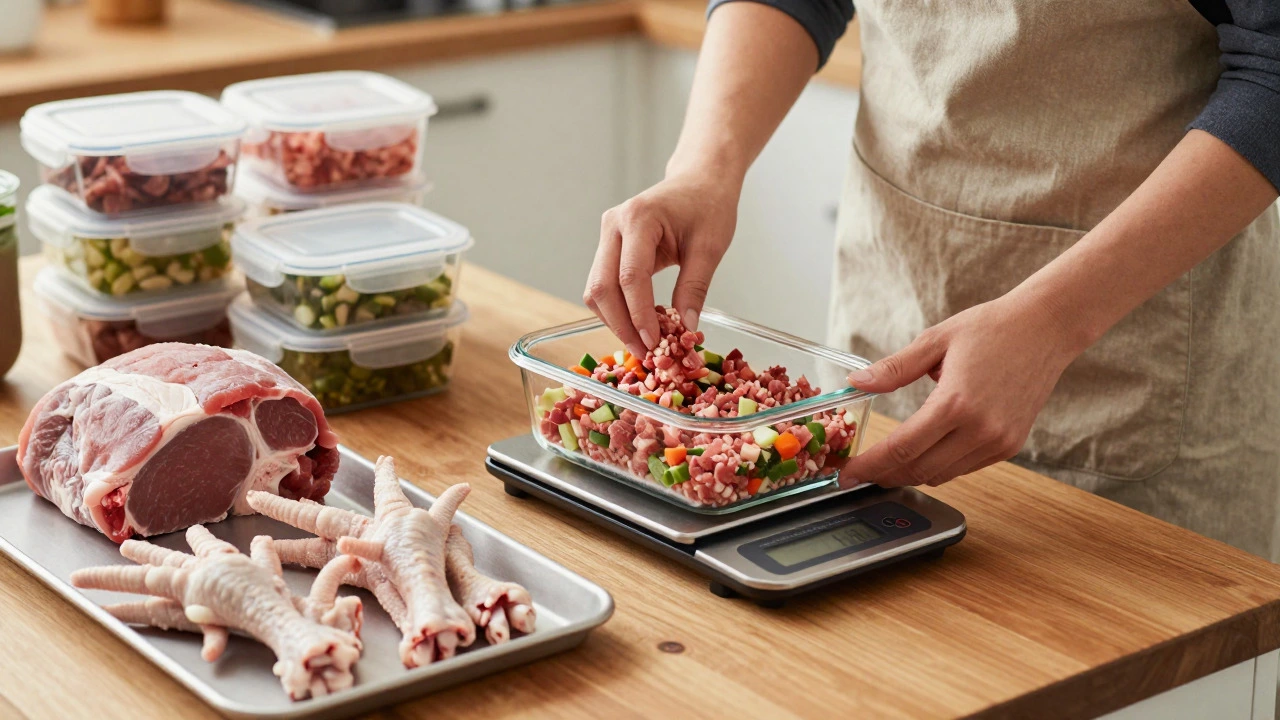
Cooking or preparing raw food daily is time-consuming. Batch processing is the solution. Set aside two hours once a week to prepare five days' worth of meals. This approach prevents impulse spending and ensures you only buy what you need.
Here is a simple workflow:
- Thaw: Move meat from the deep freezer to the main freezer 24 hours in advance.
- Portion: Weigh out daily portions based on your dog's body weight (typically 2-3% of their weight for adult dogs). Use clear containers or zip-lock bags labeled with dates.
- Add Mix-ins: Chop vegetables and add them directly to the bags before freezing. This saves prep time during the week.
- Store: Keep a small portion in the fridge for immediate use and the rest in the freezer.
By prepping in batches, you avoid the temptation to buy extra snacks or treats from the store. You know exactly what is going into the bowl, and you control the quantity, which helps manage your dog's weight and your grocery bill.
Nutrition Basics: Keeping It Balanced Without Supplements
One concern with homemade diets is balance. Do you need to add calcium powder, fish oil, or multivitamins? Often, no. If you include raw bone and organ meats regularly, you cover most essential nutrients naturally.
- Calcium: Comes from raw bone. Ensure bone is included in at least 3-4 meals a week.
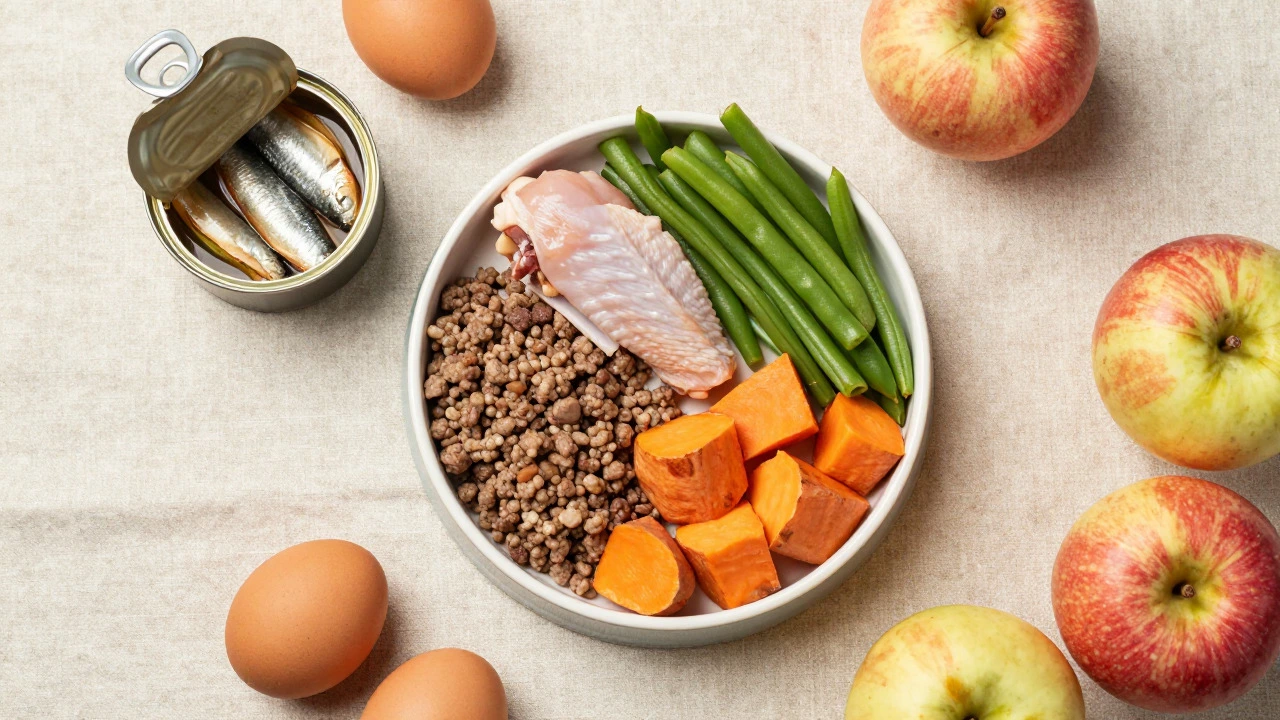
- Vitamins: Liver provides Vitamin A and B complex. Eggs provide biotin and choline.
- Fatty Acids: Fish (like mackerel or sardines) or flaxseed oil can be added once a week for Omega-3s. Canned sardines in water are a very cheap, accessible option.
If you are strict about avoiding bones, then you must supplement with calcium (like oyster shell powder) and possibly a canine-specific multivitamin. But for many owners, the "bone-in" approach is simpler and cheaper. Always consult with a vet if your dog has specific health conditions like pancreatitis or kidney issues, as their dietary needs may differ.
| Item | Kibble Approach | Homemade Budget Approach |
|---|---|---|
| Primary Protein Source | Premium Grain-Free Kibble ($60/kg) | Ground Beef/Turkey Mince ($8-$12/kg) |
| Calcium Source | Included in formula | Chicken Neck/Wings ($3-$5/kg) |
| Organ/Vitamin Source | Synthetic Vitamins | Beef Liver/Heart ($4-$7/kg) |
| Vegetables/Fiber | Dried Peas/Potatoes | Fresh Carrots/Green Beans ($1-$2/kg) |
| Estimated Weekly Cost | $15 - $20 | $8 - $12 |
Common Mistakes That Wastefully Increase Costs
Even with a good plan, small errors can inflate your budget. Watch out for these common pitfalls:
- Buying Lean Only: Lean meat is often more expensive per unit of energy. Dogs need fat for energy and coat health. Choose 80/20 or 90/10 mince blends instead of 95/5 lean.
- Food Waste: If you buy too much and it spoils, you lose money. Stick to your weekly prep schedule and only buy what fits your freezer space.
- Ignoring Seasonality: Buying strawberries in winter is expensive. Buy seasonal produce. Frozen berries are a cheaper alternative when fresh ones are out of season.
- Over-supplementing: Adding expensive oils and powders to every meal isn't necessary if your base diet is balanced. Add extras only if needed.
Start small. Try switching one meal a day to real food for a week. Track your expenses. Adjust the recipe based on what your dog eats well and what stays within your budget. Feeding real food is a marathon, not a sprint. With consistent sourcing and smart planning, you can provide a high-quality diet for a fraction of the cost of premium commercial brands.
Is raw food safer than cooked real food?
Both have pros and cons. Raw food retains heat-sensitive vitamins but carries a slight risk of bacterial contamination if hygiene is poor. Cooked food eliminates bacteria but may destroy some nutrients. For budget purposes, cooked is often easier to manage as you can use cheaper, tougher cuts that become tender when simmered. If you choose raw, prioritize cold chain management and clean surfaces.
Can I use human-grade meat scraps for my dog?
Yes, but ensure they are unseasoned. Salt, garlic, onions, and spices can be harmful to dogs in large quantities. Plain steamed chicken skin, boiled potato skins, or plain rice are safe and free ways to add volume to meals without significant cost.
How much does it really cost to feed a large dog real food?
Large dogs eat more, so absolute costs are higher, but the per-kilogram cost remains similar. A 40kg dog might eat 800g-1kg of food daily. At $10/kg for a mixed meat/veg/bone diet, that's roughly $300-$400 per month. Compare this to $400-$600 for premium kibble, and you still see savings.
Do I need to add eggs to my dog's real food diet?
Eggs are an excellent, cheap source of protein, biotin, and lecithin. Adding one whole egg (cooked or raw, depending on preference) 2-3 times a week boosts nutritional density without adding much cost. They are widely available and stable in storage.
What if my dog refuses to eat real food?
Transition gradually. Mix 25% real food with 75% kibble for a few days, then 50/50, then 75/25. Warm the meat slightly to enhance the smell. Avoid forcing it. Most dogs adapt within 7-10 days. If refusal persists, check for dental pain or underlying health issues with your vet.